10 Dangers of Long-Term Benzodiazepine Use
Discover 10 serious dangers of long-term benzodiazepine use — from addiction and cognitive decline to deadly withdrawal. What every patient must know.
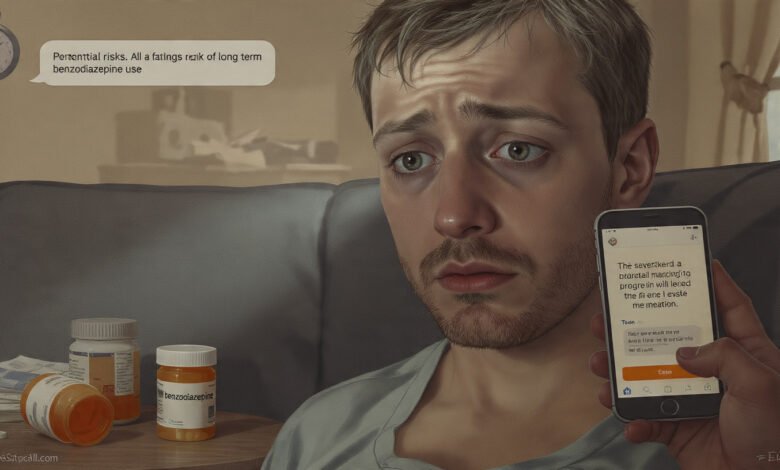
Dangers of long-term benzodiazepine use are far more widespread than most patients ever realize when they first fill that prescription. Benzodiazepines — commonly known by brand names like Xanax, Valium, Klonopin, and Ativan — are among the most frequently prescribed medications in the world. Doctors prescribe them for anxiety disorders, panic attacks, insomnia, seizures, and alcohol withdrawal. In the short term, they work well. The problem is what happens when “short term” quietly turns into months, then years.
Millions of people are currently taking benzodiazepines long-term, often without a full understanding of the risks building up inside their bodies and brains. According to data from the National Institute on Drug Abuse, roughly 30% of opioid overdose deaths also involve benzodiazepines — a sobering reminder of how dangerous these drugs can become. Yet the conversation about their long-term risks rarely happens at the pharmacy counter or during a routine follow-up appointment.
This article breaks down 10 of the most serious, well-documented dangers that come with prolonged benzodiazepine use. Whether you’re a current user, a caregiver, or someone who has been recently prescribed one of these drugs, understanding these risks could genuinely change — or save — a life. We’ll cover everything from physical dependence and cognitive impairment to the terrifying realities of benzo withdrawal syndrome and increased overdose risk.
What Are Benzodiazepines?
Before we get into the dangers, it’s worth understanding what these drugs actually do. Benzodiazepines are central nervous system (CNS) depressants that work by enhancing the effect of gamma-aminobutyric acid (GABA) — an inhibitory neurotransmitter in the brain. More GABA activity means less neurological firing, which produces effects like reduced anxiety, muscle relaxation, sedation, and seizure suppression.
Common benzodiazepines include:
- Alprazolam (Xanax) — short-acting, widely prescribed for anxiety and panic disorder
- Diazepam (Valium) — long-acting, used for anxiety, muscle spasms, and seizures
- Clonazepam (Klonopin) — used for seizure disorders and panic disorder
- Lorazepam (Ativan) — used for anxiety and as a pre-surgical sedative
- Temazepam (Restoril) — commonly prescribed for insomnia
While these medications are legitimate and sometimes necessary, the FDA and most medical guidelines recommend limiting benzodiazepine prescriptions to 2–4 weeks. Long-term use is generally defined as daily use lasting more than a month. Beyond that window, the risks compound quickly.
Danger #1: Physical Dependence and Benzodiazepine Addiction
One of the most well-established dangers of long-term benzodiazepine use is the near-inevitable development of physical dependence. This is not a character flaw or a sign of weakness — it is a predictable, pharmacological consequence of how these drugs interact with your brain over time.


When GABA receptors are artificially enhanced for extended periods, the brain adapts. It downregulates its own natural GABA production and reduces receptor sensitivity to compensate. The result: your nervous system now requires the drug simply to feel normal. At this point, you are physically dependent.
Benzodiazepine addiction takes this a step further, involving compulsive drug-seeking behavior despite harmful consequences. Physical dependence can develop in as little as 3–6 weeks of daily use. Some patients become dependent even when taking their medication exactly as prescribed.
Key warning signs include:
- Needing higher doses to achieve the same effect
- Anxiety or insomnia returning between doses
- Taking extra doses “just in case”
- Feeling unable to function without the medication
- Preoccupation with running out of pills
Danger #2: Benzo Tolerance — When the Drug Stops Working
Closely related to dependence is benzodiazepine tolerance, which refers to the brain’s diminishing response to the same dose over time. As the brain adjusts to consistent GABA enhancement, it takes progressively larger doses to produce the same therapeutic effect.
This creates a painful cycle. The patient increases their dose, the brain adapts again, and the cycle repeats. What started as 0.5mg of alprazolam twice daily becomes 2mg three times daily. Meanwhile, the original symptoms the medication was supposed to treat — anxiety, insomnia — may actually worsen over time due to a phenomenon known as tolerance withdrawal, where the drug provides less relief than before even while the patient is still taking it.
Benzo tolerance is not just about losing therapeutic benefit. It also increases the risk of accidental overdose when patients self-escalate their doses. The gap between a therapeutic dose and a dangerous dose narrows as tolerance grows.
Danger #3: Severe Benzodiazepine Withdrawal Syndrome
Here is where things get genuinely dangerous. Benzodiazepine withdrawal is one of the few drug withdrawal syndromes that can be life-threatening. Unlike opioid withdrawal — which is brutally uncomfortable but rarely fatal — stopping benzodiazepines abruptly after long-term use can trigger seizures, psychosis, and death.
Benzo withdrawal symptoms typically include:
- Intense rebound anxiety and panic attacks
- Severe insomnia
- Tremors and muscle spasms
- Sweating and heart palpitations
- Grand mal seizures
- Delirium and confusion
- Paranoia and psychosis
- Suicidal ideation
The severity of benzodiazepine withdrawal syndrome depends on the duration of use, the specific drug, and the dose. Long-acting benzos like diazepam tend to produce a delayed onset of withdrawal, sometimes days after the last dose. Short-acting benzos like alprazolam produce faster, more acute withdrawal.
Medical supervision is not just recommended for benzo withdrawal — it is critical. A slow, medically supervised taper is the safest way to discontinue these medications, often taking months or even years for long-term users. The Ashton Manual, developed by British pharmacologist Professor Heather Ashton, is one of the most widely referenced guides for managing benzodiazepine tapering and has helped thousands of patients navigate this process safely.
Danger #4: Cognitive Impairment and Memory Problems
Long-term benzodiazepine use has a well-documented and deeply concerning effect on brain function. Multiple studies have shown that chronic benzo use is associated with significant cognitive impairment, including problems with memory, attention, processing speed, and executive function.
A landmark study published in The BMJ found that people who had used benzodiazepines for extended periods had a significantly higher risk of developing Alzheimer’s disease. While causality is still debated, the correlation is strong enough to concern neurologists and geriatric specialists.
The cognitive effects of prolonged benzodiazepine use include:
- Anterograde amnesia — difficulty forming new memories
- Retrograde amnesia — gaps in existing memory
- Reduced verbal recall and learning ability
- Impaired visuospatial processing
- Slowed thinking and reaction time
- Difficulty with complex problem-solving
In older adults, these cognitive effects are even more pronounced. The American Geriatrics Society includes benzodiazepines on its Beers Criteria list of medications that are potentially inappropriate for adults over 65 — a list reserved for drugs with unfavorable risk-benefit profiles in elderly patients. Despite this, millions of older Americans are still taking them regularly.
Danger #5: Increased Risk of Falls and Accidents
Benzodiazepine side effects include sedation, dizziness, impaired coordination, and slowed reaction time. When these effects accumulate over long-term use, the real-world consequences can be devastating — especially for older adults.
Research consistently shows that long-term benzodiazepine users face a significantly elevated risk of:
- Falls and serious fractures (especially hip fractures)
- Motor vehicle accidents
- Workplace injuries
- Other accidents related to impaired judgment or coordination
A study published in the Journal of the American Geriatrics Society found that benzodiazepine use was associated with a 44% increased risk of hip fracture in elderly patients. Hip fractures in older adults carry a sobering 1-year mortality rate of roughly 20–30%, which puts this risk into stark perspective.
The drowsiness caused by sedative hypnotic drugs like benzodiazepines is not always obvious to the user. Many people feel subjectively alert while their reaction time and motor coordination remain significantly impaired — a particularly dangerous combination behind the wheel.
Danger #6: Depression and Worsening Mental Health
There is a troubling paradox at the heart of long-term benzodiazepine use: many people start taking these drugs to manage anxiety or panic, but chronic use can make their mental health significantly worse over time.
Benzodiazepines are CNS depressants. While they dampen the neurological “noise” that causes anxiety, they also suppress emotional processing broadly. Long-term users frequently report:
- Emotional blunting and numbness
- Worsening depression
- Increased irritability and emotional dysregulation
- Reduced motivation and anhedonia (inability to feel pleasure)
- Emergence of new psychiatric symptoms
Paradoxical reactions are another serious concern — a subset of patients on benzodiazepines experience the opposite of the intended effect, including increased agitation, aggression, impulsivity, and in rare cases, violent or self-destructive behavior. This appears to be more common in people with certain personality profiles and in children or elderly patients.
Danger #7: Respiratory Depression and Overdose Risk
Benzodiazepine overdose is a serious and increasingly common medical emergency. On their own, benzodiazepines taken in high doses suppress the respiratory system, reducing the drive to breathe. While pure benzo overdose is rarely fatal in otherwise healthy adults, the story changes dramatically when other substances are involved.
The combination of benzodiazepines with opioids is one of the most dangerous drug interactions in medicine. Both drug classes cause respiratory depression, and together their effects are synergistic rather than simply additive. The FDA issued a black box warning — its strongest caution — about this interaction in 2016. Despite this, the co-prescribing of opioids and benzodiazepines remains shockingly common.
Other dangerous combinations include:
- Benzodiazepines and alcohol (both are CNS depressants)
- Benzodiazepines and sleeping pills like zolpidem (Ambien)
- Benzodiazepines and muscle relaxants like carisoprodol (Soma)
- Benzodiazepines and other sedating antihistamines
Long-term users are particularly vulnerable because their benzo tolerance may lead them to take higher doses, narrowing the margin between therapeutic and dangerous levels. For anyone using these drugs, it is worth reviewing the FDA’s guidance on benzodiazepine risks for up-to-date safety information.
Danger #8: Hormonal and Endocrine Disruption
This is one of the less-publicized but increasingly recognized dangers of long-term benzodiazepine use. Chronic benzo use can disrupt the body’s hormonal balance in several ways.
Research has found that prolonged benzodiazepine use may:
- Suppress cortisol production, blunting the body’s natural stress response
- Reduce testosterone levels in both men and women
- Disrupt thyroid hormone regulation
- Interfere with growth hormone secretion
- Affect insulin sensitivity and metabolic function
These hormonal disruptions can contribute to symptoms like chronic fatigue, weight gain, reduced libido, sexual dysfunction, and difficulty managing stress — all of which can further erode quality of life and make it harder for patients to recognize the connection to their medication.
Danger #9: Social, Occupational, and Relationship Impacts
The dangers of long-term benzodiazepine use are not limited to physical and neurological effects. The chronic sedation, cognitive impairment, and emotional blunting associated with these drugs can quietly dismantle a person’s social and professional life.
Long-term benzo users commonly experience:
- Declining work performance and increasing absenteeism
- Withdrawal from social activities and relationships
- Difficulty maintaining friendships and romantic partnerships
- Reduced empathy and emotional availability
- A shrinking life that revolves around managing medication schedules and supply
There is also significant stigma around benzodiazepine dependence. Unlike someone withdrawing from alcohol or opioids, benzo-dependent patients often took their medication exactly as prescribed and still developed dependence. This creates a confusing, isolating experience where patients feel neither like a “drug addict” nor like someone being taken seriously by the medical system.
Family members often notice the personality changes before the patient does — a gradual flattening of affect, a loss of engagement, or an uncharacteristic emotional volatility. These interpersonal effects can be just as damaging as the physical ones.
Danger #10: Protracted Withdrawal — The Longest Road
For many long-term users, the biggest danger is not while they are taking the drug — it is what happens after they stop. Protracted withdrawal syndrome (also called post-acute withdrawal syndrome, or PAWS) is a poorly understood but very real condition in which benzo withdrawal symptoms persist for months or even years after the last dose.
Symptoms of protracted benzo withdrawal include:
- Ongoing anxiety, often worse than before treatment began
- Persistent insomnia
- Tinnitus (ringing in the ears)
- Intermittent muscle spasms and pain
- “Brain zaps” and neurological sensations
- Cognitive fog and memory difficulties
- Depression and emotional dysregulation
- Hypersensitivity to light, sound, and touch
The neuroscience behind protracted benzodiazepine withdrawal is still being studied, but the leading hypothesis involves GABA receptor downregulation that takes an extended time to reverse after the drug is removed. Some patients report symptoms for 2+ years post-discontinuation, though the majority see steady improvement over 12–18 months.
This is why benzodiazepine tapering must be slow, patient-led, and medically supervised. Rushing the process dramatically increases the severity of protracted symptoms. For patients struggling with this phase, support communities and specialist care can make a meaningful difference.
Who Is Most at Risk From Long-Term Benzodiazepine Use?
Not everyone who takes a benzodiazepine for an extended period will experience all of these dangers, but certain populations face significantly elevated risks:
Older Adults
Aging reduces the liver’s ability to metabolize benzodiazepines efficiently, meaning drugs accumulate in the body more quickly. The cognitive and fall-related risks are substantially higher in people over 65.
People With a History of Substance Use
A personal or family history of alcohol or drug use disorder is a significant risk factor for developing benzodiazepine addiction. This population also faces a higher risk of dangerous drug combinations.
People Taking High Doses or Multiple CNS Depressants
The respiratory depression risk increases sharply when benzodiazepines are combined with opioids, alcohol, or other sedatives. This combination is a leading driver of overdose deaths.
Those With Existing Mental Health Conditions
People being treated for depression, PTSD, or personality disorders may be more susceptible to paradoxical reactions and emotional worsening over time.
Patients Who Abruptly Stop Taking Them
Anyone who has been on benzodiazepines daily for more than a month should never stop cold turkey. Abrupt cessation in long-term users carries genuine risk of life-threatening seizures.
What Are the Safer Alternatives to Long-Term Benzodiazepine Use?
If you or someone you care about has been using benzodiazepines long-term, it is worth knowing that effective, safer alternatives exist for most of the conditions these drugs are prescribed to treat.
For Anxiety and Panic Disorder
- SSRIs and SNRIs (like sertraline or venlafaxine) are first-line treatments for anxiety disorders with a much safer long-term profile
- Buspirone — a non-habit-forming anxiolytic with evidence for generalized anxiety disorder
- Cognitive Behavioral Therapy (CBT) — consistently proven effective, with no dependence risk
- Beta-blockers for situational anxiety (like public speaking)
For Insomnia
- Sleep hygiene interventions and Cognitive Behavioral Therapy for Insomnia (CBT-I) are now recommended as first-line treatments
- Melatonin and low-dose doxepin for sleep maintenance issues
- Ramelteon — a melatonin receptor agonist with no dependence risk
For Seizure Disorders
Seizures require careful medical management, and benzodiazepines may remain appropriate. However, anticonvulsants like valproate, lamotrigine, or levetiracetam are often safer long-term options.
How to Talk to Your Doctor About Benzodiazepine Risks
If you are currently taking a benzodiazepine long-term, the worst thing you can do is simply stop without medical supervision. The second worst thing is stay silent.
Here is how to have a productive conversation with your healthcare provider:
- Ask directly: “How long is it safe for me to take this medication?”
- Request a review of your current dose and whether a tapering plan is appropriate
- Discuss alternative treatments for your underlying condition
- Be honest about any symptoms you have been experiencing, including cognitive changes, emotional numbing, or worsening anxiety
- Ask for a referral to a psychiatrist, addiction specialist, or specialist in benzodiazepine dependence if your GP is not familiar with long-term benzo management
If your doctor dismisses your concerns, you have every right to seek a second opinion. Benzodiazepine dependence in a prescribed patient is a medical issue that deserves serious attention — not judgment.
Conclusion
The dangers of long-term benzodiazepine use are serious, wide-ranging, and too often overlooked in both clinical settings and public health conversations. From physical dependence and benzo tolerance to cognitive decline, overdose risk, hormonal disruption, and the prolonged misery of protracted withdrawal, the evidence is clear that these medications were never designed for extended daily use.
If you are currently taking a benzodiazepine long-term, the most important step you can take is an honest conversation with your doctor — not to stop your medication without supervision, but to make an informed plan together that accounts for these real risks and explores safer long-term alternatives for managing your health.