Addiction Recovery at Home vs Inpatient: Which is Right for You?
Addiction recovery at home vs inpatient — discover 7 key differences, real costs, and which treatment option gives you the best shot at lasting sobriety.
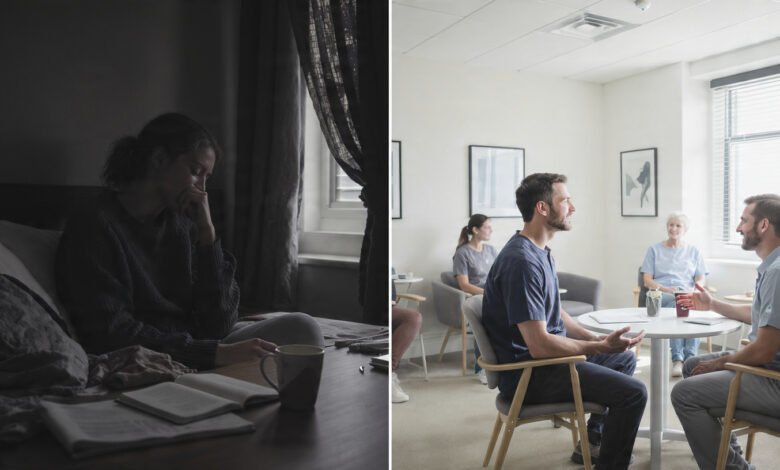
Addiction recovery at home vs inpatient treatment is one of the most important decisions a person — or their family — will ever face. And yet, most people approach it with very little information and a whole lot of fear.You already know you need help. Or maybe someone you love does. But the question of where that help happens, and how it works, can feel completely overwhelming. Do you pack a bag and check into a residential facility? Do you stay home, go to therapy a few times a week, and try to hold your regular life together while fighting one of the hardest battles of your life?
There is no single right answer. That is both the honest truth and the most important thing to understand before reading another word of this article.
What is true is that the decision should be based on real, specific factors — not fear, not cost alone, and definitely not what worked for someone’s cousin three years ago. The severity of the substance use disorder, your living situation, your support network, your history with relapse, and whether you have co-occurring mental health conditions all play a major role in which path gives you the best chance at long-term sobriety.
This guide breaks down both options clearly, honestly, and without the marketing language you’ll find on most rehab websites. By the end, you will have a real framework for making this decision — or helping someone you care about make it.
What “Addiction Recovery at Home” Actually Means
When people talk about addiction recovery at home, they are usually referring to outpatient treatment — a category that covers several different levels of care. It does not mean white-knuckling it alone with a self-help book. It means receiving structured, professional treatment while continuing to live at your own address.
There are three main types of outpatient programs, and they vary significantly in intensity:
Standard Outpatient Programs (OP)
These are the least intensive option. Sessions typically run one to three times per week, with each session lasting one to two hours. Standard outpatient is generally suited for people with mild substance use disorders or those who have already completed a more intensive program and are in the maintenance phase of recovery.

Intensive Outpatient Programs (IOP)
Intensive outpatient programs are a significant step up. Most IOP schedules involve nine to 20 hours of structured treatment per week, spread across three to five days. You attend group therapy, individual counseling, relapse prevention education, and sometimes family therapy — then go home at night. IOP is often the sweet spot for people who need serious clinical support but cannot afford a full residential stay, or who have family or work obligations they cannot put on hold.
Partial Hospitalization Programs (PHP)
Partial hospitalization programs sit right below inpatient treatment in intensity. PHP typically involves five to six hours of daily programming, five days a week. You get the therapeutic depth of a residential program without sleeping at the facility. PHP is commonly used as a step-down from inpatient care, or as a step-up for someone whose needs exceed standard IOP but who has a safe, stable place to return to each night.
What Home Recovery Looks Like Day-to-Day
On a practical level, someone in an outpatient drug and alcohol treatment program might wake up at home, drop their kids off at school, attend a three-hour group therapy session at a local clinic, and then come home to prepare dinner. They are in treatment. They are doing the work. But they are doing it while still living in the world — which is both a strength and a serious vulnerability.
What Inpatient Treatment Actually Involves
Inpatient treatment, also called residential treatment or residential rehab, means you live at a treatment facility for a defined period of time. You are removed from your regular environment, and your entire daily structure is organized around recovery.
Programs typically run 30, 60, or 90 days, though some extend to six months or longer depending on the severity of the addiction and clinical progress. A typical inpatient day includes:
- Medically assisted detox (in the early phase, if needed)
- Individual therapy sessions with a licensed counselor
- Group therapy with other patients
- Psychiatric evaluation and medication management if applicable
- Educational workshops on addiction, coping skills, and relapse prevention
- Holistic offerings like exercise, meditation, nutrition support, and sometimes yoga or art therapy
- Family therapy, either in person or via video
The key feature of inpatient rehab is that medical supervision is available around the clock. There are doctors, nurses, and addiction specialists on-site at all times. For certain substances — particularly alcohol, benzodiazepines, and opioids — withdrawal can be medically dangerous, and the presence of trained staff is not optional. It is critical.
Short-Term vs Long-Term Inpatient Programs
A 30-day inpatient program is the most common entry point, largely because that is the minimum that insurance will often cover. Research consistently shows that longer treatment durations are associated with better outcomes, and many clinicians recommend 60 or 90 days for moderate to severe cases. Long-term residential programs, running three to twelve months, are typically designed for people with very severe substance use disorders or those who lack safe housing to return to.
7 Key Differences: Addiction Recovery at Home vs Inpatient
Understanding the core differences between these two approaches helps clarify which one fits a particular situation. Here is a direct comparison across the factors that matter most:
1. Level of Medical Support
Inpatient care provides 24/7 medical monitoring. This is non-negotiable for anyone detoxing from alcohol, opioids, or benzodiazepines, where withdrawal symptoms can include seizures, psychosis, or cardiac complications. Home-based recovery does not come with a nurse down the hall — outpatient programs require patients to have already detoxed or to be medically stable before beginning.
2. Structure and Accountability
Inpatient programs provide a highly structured daily schedule that leaves very little room for old habits to creep in. Recovery at home requires a level of self-discipline and external accountability that many people — especially early in recovery — are not yet equipped to maintain on their own.
3. Removal from Triggers
One of the most clinically supported benefits of residential treatment is the physical separation it provides from the people, places, and situations that are connected to substance use. When you leave your environment, you interrupt those addiction triggers in a meaningful way. At-home recovery keeps you in close proximity to those same cues, which makes early recovery significantly harder for many people.
4. Cost
This is a real and significant factor. Inpatient treatment costs can range from $6,000 to $20,000 for a 30-day program at a standard facility, and considerably more at luxury programs. Outpatient treatment is far more affordable — standard OP programs can cost under $1,000, and even IOP programs are typically a fraction of the cost of residential care. Many people in outpatient treatment use insurance coverage that substantially reduces out-of-pocket costs.
5. Daily Life Continuity
Home-based recovery allows you to maintain your job, stay connected to your family, continue caring for children, and hold on to the parts of your life that provide meaning and motivation. Inpatient treatment requires pausing those responsibilities, which is either impossible or deeply stressful for many people.
6. Peer Community
Both settings build community, but inpatient programs create an unusually intense bond between patients who are living through the same experience side by side, 24 hours a day. This can be genuinely powerful. Outpatient groups offer connection too, but the bond tends to develop more slowly.
7. Aftercare Continuity
After completing inpatient treatment, patients still need ongoing support — and that means transitioning into some form of outpatient care. The best programs build this step-down process right into the treatment plan. Home-based recovery is inherently more continuous because the patient remains in their real-world environment throughout, but that also means they are constantly tested by it.
Who Is the Right Candidate for Home-Based Recovery?
Outpatient treatment is not the easy option — but it is the right option for a specific group of people. You may be a strong candidate for addiction recovery at home if:
- You have a mild to moderate substance use disorder without a long history of heavy use
- You have completed an inpatient program and are stepping down to maintain progress
- You have a stable, supportive home environment — meaning no one in the household is using substances, and the people around you are actively supportive of your recovery
- You have not had multiple prior relapses following treatment
- You do not have untreated co-occurring mental health conditions like bipolar disorder, PTSD, or severe depression
- Your work or family obligations genuinely cannot be suspended
- You have reliable transportation and can consistently attend scheduled sessions
- You are strongly motivated and have demonstrated the ability to follow through independently
The honest reality is that outpatient treatment works very well for the right person. Research published by the Substance Abuse and Mental Health Services Administration (SAMHSA) consistently shows that intensive outpatient programs can produce outcomes comparable to inpatient treatment — but only when the individual has the support structure and personal stability to make them work.
Who Should Seriously Consider Inpatient Treatment?
Residential treatment becomes the strongly preferred option under certain clinical and personal circumstances. You should consider inpatient care if:
- Your addiction is severe or long-standing, especially with alcohol, opioids, or benzodiazepines where medical detox is necessary
- You have a history of relapse, particularly multiple relapses following previous outpatient attempts
- You have co-occurring mental health disorders — also called a dual diagnosis — that require integrated treatment in a controlled environment
- Your home situation is unstable or actively harmful: people in the household who use substances, domestic conflict, or housing insecurity
- You have previously tried outpatient treatment without success
- You are experiencing severe withdrawal symptoms that require medical management
- You lack the motivation or structure to show up consistently for outpatient sessions on your own
- You are in a period of acute crisis where immediate, intensive intervention is the only realistic path forward
It bears repeating: choosing inpatient care is not an admission of weakness. For many people, it is simply the medically appropriate level of care for the severity of their situation. Trying to manage a severe substance use disorder through weekly outpatient sessions when you actually need residential support is like treating a broken leg with a bandage. The intent is right, but the intervention doesn’t match the problem.
The Real Cost Breakdown
Cost is one of the most common reasons people choose home-based recovery, and it is a completely legitimate consideration. Here is a realistic breakdown:
Outpatient Programs:
- Standard OP: $100–$500 per week
- Intensive Outpatient (IOP): $3,000–$10,000 total for a full program
- Partial Hospitalization (PHP): $7,000–$10,000 total
Inpatient Programs:
- Standard residential (30 days): $6,000–$20,000
- Mid-range residential (60–90 days): $12,000–$60,000
- Luxury or executive programs: $30,000–$100,000+
Insurance coverage under the Affordable Care Act is required to include substance use disorder treatment, which means both inpatient and outpatient options may be partially or substantially covered depending on your plan. Medicaid and Medicare also cover both types of treatment in many states.
What cost comparisons often miss is the long-term cost of untreated or inadequately treated addiction — lost employment, legal consequences, healthcare costs from medical complications, and the devastating toll on families. Choosing treatment, at any level, is almost always the more economical decision over time.
What the Research Actually Says
The science on this is more nuanced than most rehab websites will tell you. Here is what the evidence genuinely shows:
Inpatient treatment produces better short-term outcomes for people with severe addictions, co-occurring disorders, and unstable home environments. The controlled setting removes variables that lead to early relapse.
Outpatient treatment produces comparable long-term outcomes for people with mild to moderate disorders and stable support systems. According to NIDA (National Institute on Drug Abuse), no single treatment is appropriate for all people, and treatment duration is one of the strongest predictors of success — regardless of whether that treatment is residential or outpatient.
The most important predictor of long-term sobriety is not which setting you choose. It is whether you stay engaged with treatment long enough, whether you address underlying mental health issues, and whether you build a sustainable aftercare plan.
Can You Do Both? The Step-Down Approach
Many people benefit from starting with inpatient treatment and then transitioning to outpatient care — and this is actually considered best practice in addiction medicine.
Here is what a typical step-down continuum might look like:
- Medical Detox (3–7 days inpatient) — to manage withdrawal safely
- Residential Treatment (30–90 days) — intensive therapeutic work in a controlled environment
- Partial Hospitalization Program (PHP) (2–4 weeks) — transitional step maintaining most structure while reintroducing real-world exposure
- Intensive Outpatient Program (IOP) (8–12 weeks) — maintaining clinical support while resuming daily responsibilities
- Standard Outpatient (ongoing) — long-term maintenance and relapse prevention
- Peer support groups (indefinite) — AA, NA, SMART Recovery, or similar
This step-down approach is not just about managing resources — it is clinically sound. Recovery is a process, not a single event. You build skills, test them, and gradually take on more responsibility as your capacity grows.
6 Questions to Ask Before You Decide
Before committing to a treatment path, work through these questions honestly:
- How severe is the addiction? Long duration, high daily quantities, and withdrawal history all point toward inpatient care.
- Have previous outpatient attempts failed? Repeated relapse following outpatient treatment is a strong indicator that a higher level of care is needed.
- Is home a safe environment? If people in your household are actively using, or if your home is associated with significant addiction triggers, leaving that environment is likely necessary.
- Do you have co-occurring mental health conditions? Untreated depression, PTSD, anxiety, or bipolar disorder substantially increases the risk of relapse and often requires the dual diagnosis treatment available in residential settings.
- What does your support network look like? Home-based recovery leans heavily on the people around you. If that support is thin or unreliable, inpatient care provides a built-in community.
- What does your schedule realistically allow? Inpatient requires a genuine pause on daily life. If that is genuinely impossible, a well-structured IOP or PHP may be the most practical path — but be honest about whether “impossible” means truly impossible or just uncomfortable.
The Role of Aftercare in Both Paths
Regardless of which option you choose, aftercare planning is not optional — it is the part that determines whether the treatment holds.
For people who complete inpatient programs, this typically means transitioning into outpatient therapy, joining a peer support group like Alcoholics Anonymous or Narcotics Anonymous, and often working with a sober living house in the early months of reintegration.
For people in outpatient programs, aftercare is built into the treatment itself — the goal is to eventually reduce the intensity of formal treatment while simultaneously building the skills, habits, and community that sustain long-term sobriety independently.
Relapse, if it happens, is not failure. It is a signal that the level of support needs to be adjusted. About 40–60% of people in substance use disorder recovery experience at least one relapse, which is comparable to relapse rates for other chronic conditions like diabetes or hypertension. The response to relapse — and the quality of the support system around it — determines what happens next.
Conclusion
Addiction recovery at home vs inpatient treatment is not a question with a universal answer — it is a question that demands an honest look at severity, support systems, history, and personal circumstances. Outpatient and home-based recovery can be highly effective for people with mild to moderate addiction, a stable living environment, and strong motivation; inpatient residential treatment is the appropriate choice for those facing severe substance use disorders, co-occurring mental health conditions, repeated relapse, or unsafe home environments.
Both paths work best when they are followed by structured aftercare, and many people benefit from combining both through a step-down continuum that transitions from intensive residential care to progressively more flexible outpatient support. The most important step is not choosing perfectly — it is choosing treatment, finding qualified professionals who can assess your specific situation, and staying committed long enough to let recovery actually take hold