Cannabis Addiction: 12 Warning Signs You Shouldn’t Ignore
Cannabis addiction warning signs include tolerance, cravings, and withdrawal. Discover 12 critical symptoms of marijuana use disorder you shouldn't ignore.

Cannabis addiction is more common than most people realize, yet the conversation around marijuana often overlooks its potential for abuse. While many states have legalized recreational use, the misconception that cannabis is completely harmless persists. The truth is that about 1 in 10 people who use marijuana will develop an addiction, and that number jumps to 1 in 4 for daily users. If you started using cannabis during your teenage years, your risk is even higher.
Marijuana use disorder is not just a buzzword. It’s a clinically recognized condition that affects millions of Americans every year. The signs can be subtle at first, creeping into your life so gradually that you might not notice until the problem becomes serious. You might find yourself using more than you planned, struggling to cut back despite wanting to, or experiencing withdrawal symptoms when you try to quit. Understanding these warning signs is the first step toward recognizing whether casual use has crossed the line into addiction. This article breaks down 12 critical symptoms of cannabis addiction that deserve your attention, backed by medical research and expert guidance on what to do next.
What Is Cannabis Addiction?
Cannabis addiction, clinically known as cannabis use disorder (CUD), is a mental health condition where someone continues using marijuana despite it causing significant problems in their life. According to the Centers for Disease Control and Prevention, approximately 16.3 million people aged 12 and older in the United States had cannabis use disorder in 2021 alone.
Understanding Cannabis Use Disorder
The Diagnostic and Statistical Manual of Mental Disorders (DSM-5) defines cannabis use disorder as a problematic pattern of marijuana use that leads to clinically significant impairment or distress. The condition exists on a spectrum:
- Mild CUD: 2-3 symptoms
- Moderate CUD: 4-5 symptoms
- Severe CUD (marijuana addiction): 6 or more symptoms
Why Modern Cannabis Is More Addictive
Today’s marijuana is not your grandparent’s weed. The average THC concentration in cannabis has nearly doubled over the past decade, rising from about 9% in 2008 to 17% in 2017. Some dispensary products now contain THC levels as high as 45%. Higher potency means greater addiction potential and more severe withdrawal symptoms when trying to quit.
12 Warning Signs of Cannabis Addiction You Shouldn’t Ignore
1. Loss of Control Over Cannabis Use
The first major warning sign of cannabis addiction is taking marijuana in larger amounts or over a longer period than you originally intended. You might tell yourself you’ll only smoke on weekends, but find yourself lighting up every night. This loss of control is a hallmark of marijuana use disorder.
Key indicators include:


- Using more cannabis than planned
- Sessions lasting longer than intended
- Inability to stick to self-imposed limits
- Frequent rationalizations for breaking your own rules
2. Persistent Desire or Failed Attempts to Cut Down
Have you tried to quit or reduce your marijuana use but couldn’t follow through? This is one of the most telling signs of cannabis dependence. You might make promises to yourself or loved ones about cutting back, only to return to your previous usage patterns within days or weeks.
Many people with cannabis use disorder report feeling frustrated by their inability to control their consumption despite genuinely wanting to change.
3. Spending Excessive Time on Cannabis-Related Activities
Cannabis addiction can consume your schedule. If you find yourself spending significant time obtaining marijuana, using it, or recovering from its effects, you’re experiencing a major symptom of substance use disorder.
Consider how much time you dedicate to:
- Driving to dispensaries or dealers
- Planning your day around when you can get high
- Being high or coming down from being high
- Recovering from cannabis use
4. Strong Cravings for Marijuana
Intense cravings for cannabis are a clear indicator of physical dependence. These aren’t just mild wants but powerful urges that can dominate your thoughts and make it difficult to focus on anything else until you use.
Cravings often intensify:
- At certain times of day
- In specific locations where you typically use
- Around people you smoke with
- During stressful situations
5. Failure to Meet Major Responsibilities
One of the most serious warning signs is when marijuana use interferes with your obligations at work, school, or home. This might look like:
- Missing work or showing up late frequently
- Declining academic performance
- Neglecting household responsibilities
- Being high while caring for children
- Poor performance reviews at your job
6. Continued Use Despite Social or Relationship Problems
Cannabis addiction often strains relationships with family, friends, and romantic partners. If you continue using marijuana even after it has caused or worsened interpersonal conflicts, this suggests marijuana use disorder.
Common relationship problems include:
- Arguments with loved ones about your use
- Lying about how much or how often you use
- Choosing cannabis over spending time with family
- Friends expressing concern about your behavior
7. Giving Up Important Activities Because of Cannabis
Have you stopped participating in activities you once enjoyed because they interfere with your cannabis use? This is a significant indicator of psychological addiction. When marijuana becomes more important than hobbies, sports, or social activities that don’t involve getting high, addiction has likely taken hold.
8. Using Cannabis in Physically Hazardous Situations
Recurrent marijuana use in dangerous situations demonstrates poor judgment driven by cannabis dependence. Examples include:
- Driving while high
- Operating machinery under the influence
- Using cannabis while responsible for children’s safety
- Engaging in risky behaviors while intoxicated
9. Continued Use Despite Physical or Psychological Problems
If marijuana is causing or worsening health issues but you keep using anyway, you’re showing a core symptom of cannabis addiction. This includes:
- Respiratory problems from smoking
- Memory difficulties
- Anxiety or depression that worsens with use
- Reduced motivation and energy levels
10. Developing Tolerance to Cannabis
Tolerance means you need increasingly larger amounts of marijuana to achieve the same effects. This biological adaptation is a clear sign that your body has become dependent on THC. Chronic users often report needing to smoke more frequently or use higher-potency products to get the desired high.
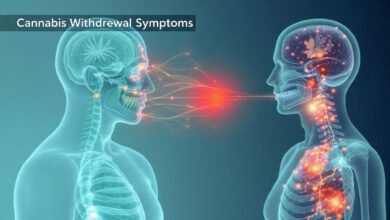
11. Experiencing Withdrawal Symptoms
Cannabis withdrawal is real, despite common misconceptions. When daily users try to quit or significantly reduce their intake, they often experience:
- Irritability and mood swings
- Anxiety or nervousness
- Sleep difficulties or insomnia
- Decreased appetite
- Restlessness
- Depression
- Physical symptoms like headaches, sweating, or stomach pain
According to research published on the National Center for Biotechnology Information</a>, about half of people being treated for cannabis use disorder experience withdrawal symptoms.
12. Using Cannabis to Avoid Withdrawal
The final warning sign is when you use marijuana specifically to prevent or relieve withdrawal symptoms. This creates a vicious cycle where you’re no longer getting high for pleasure but rather to feel normal and avoid discomfort.
How Cannabis Affects Your Brain and Body
Understanding the mechanism behind cannabis addiction helps explain why these warning signs develop. THC, the primary psychoactive compound in marijuana, affects your brain’s reward system by triggering dopamine release. With repeated use, your brain adapts by producing less dopamine naturally and reducing cannabinoid receptors.
The Neuroscience of Cannabis Dependence
Chronic cannabis use alters brain circuitry, particularly in areas responsible for:
- Memory and learning
- Decision-making and impulse control
- Emotional regulation
- Reward processing
These changes explain why someone with cannabis use disorder experiences cravings, impaired judgment, and difficulty stopping despite negative consequences.
Physical Health Impacts
While marijuana is often perceived as safer than other drugs, regular use carries real health risks:
- Respiratory issues similar to tobacco smoking
- Increased heart rate and blood pressure
- Impaired cognitive function
- Reduced motivation and goal-directed behavior
- Potential for triggering or worsening mental health conditions
Risk Factors for Developing Cannabis Addiction
Not everyone who tries marijuana will develop cannabis use disorder, but certain factors increase your vulnerability:
- Age of First Use: Starting during adolescence significantly raises addiction risk. Teen brains are still developing, making them more susceptible to cannabis dependence.
- Frequency of Use: Daily users face much higher addiction rates than occasional users. Research shows that up to 20% of people who use cannabis daily develop substance use disorder.
- Genetic Predisposition: Family history of addiction increases your likelihood of developing marijuana use disorder.
- Mental Health Conditions: Co-occurring disorders like depression, anxiety, or PTSD can increase addiction vulnerability. Some people use cannabis to self-medicate, which often leads to dependence.
- Early Positive Experiences: Having particularly enjoyable initial experiences with marijuana predicts higher risk of future addiction.
- High-Potency Products: Using concentrates, wax, oils, or other high-THC products accelerates the development of tolerance and dependence.
The Three Levels of Cannabis Use Disorder Severity
Cannabis addiction exists on a spectrum, and recognizing where you or a loved one falls can help determine the appropriate response.
Mild Cannabis Use Disorder
Meeting 2-3 of the DSM-5 criteria indicates mild cannabis use disorder. At this stage, problems are emerging but may not yet be severely impacting daily functioning. Early intervention is most effective at this level.
Moderate Cannabis Use Disorder
With 4-5 criteria present, the condition has progressed to a moderate level. Marijuana is likely causing noticeable problems in relationships, work, or health. Professional help becomes increasingly important.
Severe Cannabis Use Disorder (Marijuana Addiction)
Experiencing 6 or more criteria represents severe cannabis use disorder, commonly called marijuana addiction. At this stage, cannabis use dominates life decisions, causes significant distress, and requires professional treatment for successful recovery.
When to Seek Help for Cannabis Addiction
Recognizing warning signs is crucial, but knowing when to seek help is equally important. Consider professional support if:
- You’ve tried to quit multiple times without success
- Withdrawal symptoms are severe or unbearable
- Cannabis use is harming your relationships or career
- You’re experiencing mental health issues related to use
- Your physical health is declining
- You engage in risky behaviors while high
- Daily functioning is significantly impaired
Treatment Options for Cannabis Use Disorder
Recovery from cannabis addiction is absolutely possible with the right support. Evidence-based treatment approaches include:
Behavioral Therapies
Cognitive Behavioral Therapy (CBT) helps identify triggers, develop coping strategies, and change thought patterns that perpetuate cannabis use disorder.
Motivational Enhancement Therapy strengthens personal motivation to change and builds a plan for recovery.
Support Groups
Programs like Marijuana Anonymous offer peer support using 12-step principles. Connecting with others facing similar challenges reduces isolation and provides accountability.
Professional Treatment Programs
Outpatient and inpatient treatment programs provide structured environments for addressing marijuana use disorder. These programs offer:
- Medical supervision during withdrawal
- Individual and group therapy
- Family counseling
- Life skills training
- Relapse prevention strategies
Medication Support
While no FDA-approved medications specifically treat cannabis addiction, some medications can help manage withdrawal symptoms and co-occurring mental health conditions.
Breaking the Stigma Around Cannabis Addiction
Many people struggling with marijuana use disorder don’t seek help because of stigma or the belief that cannabis addiction isn’t “real.” This harmful misconception prevents people from getting the support they need. Cannabis addiction is a legitimate medical condition, not a moral failing or lack of willpower.
Supporting a Loved One with Cannabis Addiction
If someone you care about shows warning signs of cannabis addiction, approach the situation with compassion rather than judgment:
- Express concerns using “I” statements about specific behaviors you’ve observed
- Avoid lecturing or being confrontational
- Offer to help research treatment options together
- Set healthy boundaries while remaining supportive
- Educate yourself about cannabis use disorder
- Encourage professional evaluation
Preventing Cannabis Addiction
For those who choose to use marijuana, reducing addiction risk involves:
- Delaying first use until adulthood when the brain is fully developed
- Avoiding daily use or high-potency products
- Taking regular breaks to prevent tolerance buildup
- Being honest with yourself about emerging problems
- Addressing underlying mental health issues through proper channels
- Setting clear limits and sticking to them
The Path Forward: Recovery Is Possible
Understanding these 12 warning signs of cannabis addiction empowers you to make informed decisions about your relationship with marijuana. Whether you’re concerned about yourself or a loved one, recognizing the symptoms of cannabis use disorder early dramatically improves the chances of successful intervention. Remember that marijuana addiction is a treatable condition, and millions of people have successfully recovered to lead fulfilling, substance-free lives.
Conclusion
Cannabis addiction affects millions of Americans, yet many people suffering from marijuana use disorder don’t recognize the signs or believe they need help. The 12 warning signs outlined in this article represent medically recognized criteria for cannabis use disorder, ranging from loss of control and persistent cravings to developing tolerance and experiencing withdrawal symptoms. Modern high-potency marijuana has increased addiction risk, with up to 1 in 4 daily users developing dependence. If you or someone you care about exhibits multiple symptoms, professional evaluation and treatment can make a tremendous difference. Recovery is not only possible but achievable with proper support, evidence-based therapy, and commitment to change. Understanding that cannabis addiction is a legitimate medical condition rather than a personal failure is the first step toward healing and reclaiming control of your life.