Cannabis Withdrawal Symptoms: A Complete Timeline
Cannabis withdrawal symptoms are real and uncomfortable. This complete timeline breaks down what to expect and when it peaks,
Cannabis withdrawal symptoms don’t get nearly enough attention. For years, the common belief was that marijuana wasn’t physically addictive — that quitting was just a matter of willpower and anyone who struggled was being dramatic. That narrative has shifted significantly as research has caught up with reality.
The truth is that cannabis use disorder affects an estimated 9% of people who use marijuana, and for daily users, that number climbs to around 1 in 6. When someone who uses cannabis heavily and consistently decides to stop, their brain — which has adapted to the presence of THC — pushes back. The result is a cluster of physical and psychological symptoms that can range from mildly annoying to genuinely disruptive.
Understanding what’s actually happening in your body, and when, makes the whole process far less intimidating. There’s a reason people give up on quitting after a few days: they hit the peak of marijuana withdrawal without knowing it was the peak, assume it only gets worse, and reach for the nearest solution.
This guide walks you through the full cannabis withdrawal timeline, what causes each symptom, how long everything lasts, and what actually helps. Whether you’re quitting cold turkey, cutting back gradually, or supporting someone else through the process, knowing what’s coming is half the battle.
What Causes Cannabis Withdrawal?
Before jumping into the timeline, it helps to understand the “why” behind weed withdrawal symptoms.
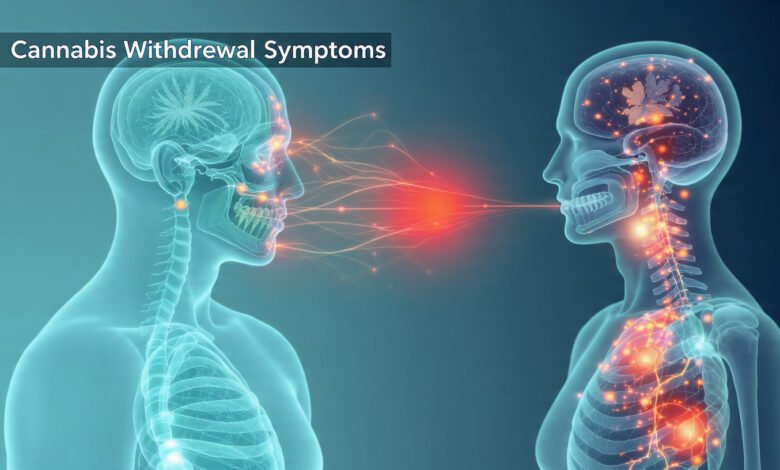
THC (tetrahydrocannabinol) — the primary psychoactive compound in cannabis — works by binding to cannabinoid receptors (CB1 and CB2) throughout the brain and body. With regular, heavy use, the brain responds by downregulating these receptors. In plain terms: it reduces the number and sensitivity of receptors because there’s so much external stimulation happening.
When you suddenly stop supplying THC, the brain’s endocannabinoid system is caught off-guard. The receptors that were scaled back are no longer getting stimulated, and the system needs time to recalibrate. That recalibration period is what produces cannabis withdrawal syndrome.


The severity and duration of withdrawal depend on several factors:
- How long you’ve been using cannabis
- How frequently you use it (daily vs. occasional)
- Potency of the cannabis products consumed (high-THC concentrates produce more intense withdrawal)
- Method of consumption (smoking, edibles, vaping)
- Individual biology, including genetics and mental health history
- Whether you also use alcohol or other substances
The DSM-5 formally recognizes cannabis withdrawal as a diagnosable condition, requiring at least three symptoms within one week of stopping heavy, prolonged use. This is not a fringe concern — it’s a recognized clinical reality.
Cannabis Withdrawal Symptoms: The Full List
Before breaking down the timeline, here’s a comprehensive look at the symptoms of cannabis withdrawal that are commonly reported. Not everyone experiences all of these, but they are well-documented in clinical literature.
Physical Symptoms
- Insomnia and sleep disturbances — difficulty falling asleep, vivid or strange dreams once sleep does occur
- Headaches — often described as tension-type, occurring in the first few days
- Sweating and chills — night sweats are particularly common
- Nausea and stomach discomfort — appetite loss often goes hand in hand with this
- Decreased appetite — sometimes dramatic weight loss in the first week
- Fatigue and low energy — the body is recalibrating its dopamine and endocannabinoid systems
- Tremors or shakiness — less common but reported by heavy users
- Increased heart rate — especially in the early hours after stopping
Psychological and Emotional Symptoms
- Irritability and mood swings — one of the most universally reported symptoms
- Anxiety — can range from mild restlessness to significant panic-like episodes
- Depression or low mood — often appears after the initial irritability phase
- Difficulty concentrating — brain fog is a common complaint
- Cravings — strong urges to use, often triggered by stress or routine
- Restlessness — a general sense of being unable to settle
According to research published by the National Institute on Drug Abuse (NIDA), these symptoms typically begin within 24–72 hours of stopping cannabis use in people who are dependent.
The Cannabis Withdrawal Timeline: Day by Day
This is where most people want the specifics. Here’s what the cannabis withdrawal timeline looks like in practice.
Days 1–3: The Beginning
The first one to three days are typically when the earliest symptoms show up. For most people, the experience starts mild and then escalates.
What’s happening: Your THC levels are dropping. Because THC is fat-soluble, it clears from the body more slowly than many other drugs — but the active effects wear off within hours for regular users, and the brain quickly notices the absence.
Common symptoms during this phase:
- Irritability sets in, often surprisingly early
- Anxiety and a general sense of unease begin
- Sleep becomes difficult — trouble falling asleep and staying asleep
- Appetite decreases, sometimes significantly
- Mild headaches begin
- Cravings are present but manageable
For light-to-moderate users, some people don’t experience much at all during this phase. For daily cannabis users or those who consume high-THC concentrates regularly, this phase can already feel uncomfortable.
What helps: Staying hydrated, eating small meals even without much appetite, avoiding caffeine which can amplify anxiety, and keeping the first few days low-stress wherever possible.
Days 4–7: The Peak
This is the hardest part of the marijuana withdrawal timeline for most people, and understanding that it is the peak can make a real difference in getting through it.
What’s happening: The endocannabinoid system is in full-scale recalibration mode. Dopamine signaling is disrupted. The brain is actively trying to restore balance, and it hasn’t gotten there yet.
Common symptoms during this phase:
- Irritability peaks — small things feel overwhelming; emotional regulation is genuinely harder
- Anxiety is at its worst — some people experience panic attacks during this window
- Insomnia is severe — even if you fall asleep, sleep is fragmented and unrestful
- Night sweats — waking up drenched is common
- Vivid, strange dreams begin — the brain is reclaiming REM sleep that cannabis suppressed
- Nausea may be present, making eating difficult
- Depression or emotional flatness starts to emerge
- Strong cravings, often triggered by stress or places and habits associated with use
This phase is why so many people relapse. It feels like it’s getting worse, not better. But clinically, days 4–7 represent the peak, not a preview of what’s to come.
What helps: This is when support matters most. Talk to someone you trust, consider calling a substance use helpline, and try to establish any kind of sleep routine even if sleep quality is poor. Some people find that CBD products reduce anxiety during this phase, though research is still limited. Light exercise, even a short walk, can help regulate mood.
Days 8–14: The Turn
By the second week, most of the acute physical withdrawal symptoms start to fade for the majority of users. This is the phase where people often start to feel genuinely better, even if emotional symptoms linger.
What’s happening: The brain’s cannabinoid receptors are slowly restoring their normal density and sensitivity. Stress hormones are stabilizing. Sleep architecture is still recovering, but improving.
Common symptoms during this phase:
- Physical symptoms (sweating, nausea, headaches) largely resolve
- Irritability and anxiety begin to decrease noticeably
- Sleep quality gradually improves, though vivid dreams continue
- Appetite returns — some people experience significant hunger as their system rebounds
- Energy levels start to normalize
- Cravings remain but are less constant; they often appear in response to specific triggers
- Mood is still somewhat flat or low, but less acute
For many people with mild-to-moderate use histories, this is the period where they feel “through the worst of it.” That said, psychological symptoms often outlast physical ones.
Days 15–30: Stabilization
The third and fourth weeks represent a stabilization phase. For most people, life starts to feel more normal — not perfect, but functional.
What’s happening: The endocannabinoid system has largely recalibrated. The brain is producing and responding to its own endocannabinoids again. However, for heavy, long-term users, this process takes longer, and some symptoms persist.
Common symptoms during this phase:
- Sleep is mostly normalized, though vivid dreams may continue for weeks
- Mood is stabilizing, but some people notice persistent low mood or anhedonia (difficulty feeling pleasure)
- Cravings come and go — often tied to emotional states or triggers like social settings
- Cognitive function — concentration and memory — begins to sharpen
- Energy is generally restored
- Some people report feeling better than they have in years
This phase is also when some people realize that cannabis was masking underlying anxiety, depression, or sleep issues. That’s important information, not a reason to despair — it means those things can now be addressed directly.
Weeks 5–12: The Long Tail
This is what researchers sometimes call Post-Acute Withdrawal Syndrome (PAWS) — a prolonged period of milder but persistent symptoms that can affect some people, particularly long-term heavy users.
What’s happening: For people who have used cannabis heavily for years, the brain’s adaptation runs deep. Full recovery of the endocannabinoid system and related neurotransmitter pathways can take months.
Common symptoms during this phase:
- Intermittent mood fluctuations — generally manageable but noticeable
- Ongoing sleep disturbances — most commonly vivid dreams
- Cravings, especially in stressful periods
- Occasional difficulty with focus or motivation
- Some people experience emotional sensitivity — things feel more intense without the buffer of cannabis
Most people who make it to this phase are not in acute distress, but they may need additional support — therapy, lifestyle adjustments, or structured treatment.
How Long Does Cannabis Withdrawal Last?
The straight answer: for most people, the acute cannabis withdrawal phase lasts one to two weeks. The majority of physical symptoms resolve within that window. Psychological symptoms, particularly mood changes, sleep disruption, and cravings, can persist for four to six weeks in many users.
For long-term, heavy users — people who have used daily for years or who have consumed high-potency products consistently — some symptoms may linger for three months or more.
Here’s a simplified reference:
| Symptom | Onset | Peak | Resolution |
|---|---|---|---|
| Irritability | Day 1–2 | Day 4–6 | Week 1–2 |
| Anxiety | Day 1–2 | Day 4–7 | Week 2–3 |
| Insomnia | Day 1–3 | Day 4–7 | Week 2–4 |
| Vivid dreams | Day 3–5 | Week 2 | Month 1–2 |
| Nausea | Day 2–3 | Day 5–7 | Week 1–2 |
| Depression | Day 4–7 | Week 2 | Week 3–6 |
| Cravings | Day 1 | Week 1 | Ongoing (manageable) |
| Appetite loss | Day 1–2 | Day 5–7 | Week 1–2 |
Who Is Most at Risk for Severe Withdrawal?
Not everyone who uses cannabis will experience significant withdrawal. The risk profile looks like this:
Higher risk factors:
- Daily use for a year or more
- Use of high-THC cannabis products (over 20% THC, concentrates, dabs)
- Starting cannabis use as a teenager — the developing brain adapts more deeply
- Co-occurring mental health conditions, especially anxiety disorders or depression
- History of other substance use disorders
- Using cannabis as the primary way to cope with stress, sleep issues, or emotional pain
For adolescents and young adults, this is a particular concern. Research consistently shows that the younger a person starts regular cannabis use, the stronger the cannabis dependence tends to be and the more complex the withdrawal.
Managing Cannabis Withdrawal Symptoms: What Actually Works
There is no FDA-approved medication specifically for cannabis withdrawal at this time, but several approaches have solid evidence or strong clinical support.
Behavioral and Lifestyle Approaches
Exercise: Even moderate physical activity has been shown to reduce anxiety and depression during withdrawal. It stimulates endocannabinoid release through the body’s own systems. Aim for at least 30 minutes of movement daily.
Sleep hygiene: Since insomnia is one of the most disruptive symptoms, prioritizing sleep habits is critical. Keep a consistent bedtime, avoid screens an hour before bed, keep the room cool and dark, and avoid caffeine after noon.
Nutrition: Eating small, regular meals helps stabilize blood sugar and reduce mood swings. Many people lose significant appetite during the first week — protein-rich snacks that don’t require a full appetite to consume (nuts, yogurt, eggs) can help maintain energy.
Mindfulness and breathing: Not a cure, but controlled breathing exercises can meaningfully reduce acute anxiety during the peak phase. Apps like Headspace or Calm have specific programs for stress and anxiety management.
Social support: Telling at least one trusted person what you’re going through is consistently associated with better outcomes. Isolation makes cannabis withdrawal harder.
Professional Support
Cognitive Behavioral Therapy (CBT): CBT is the most evidence-backed psychological treatment for cannabis use disorder. It addresses cravings, triggers, and the thought patterns that drive use. Multiple sessions over several weeks produce meaningful results.
Motivational Enhancement Therapy (MET): Often used alongside CBT, this approach helps people clarify why they want to quit and build internal motivation.
Support groups: Programs like Marijuana Anonymous offer peer support using a 12-step model. For many people, the community aspect alone is valuable.
Medications Sometimes Used
While no medication is specifically approved for cannabis withdrawal syndrome, some are used off-label:
- Zolpidem or other sleep aids (short-term) for severe insomnia
- Buspirone for anxiety in some cases
- NAC (N-acetylcysteine) — a supplement with some research support for reducing cannabis cravings, particularly in adolescents
- CBD — has early research suggesting it may reduce anxiety and cravings, though it’s not conclusively established
For anyone considering medication support, talking to a physician or addiction specialist is the right path.
For comprehensive guidance on cannabis use disorder treatment, the Substance Abuse and Mental Health Services Administration (SAMHSA) offers a free, confidential helpline available 24/7 at 1-800-662-4357.
Cannabis Withdrawal vs. Other Drug Withdrawal: Putting It in Perspective
People sometimes dismiss marijuana withdrawal because it doesn’t produce the dramatic physical crisis associated with alcohol or opioid withdrawal — conditions that can be life-threatening without medical supervision.
That comparison is fair in terms of medical danger: cannabis withdrawal is not medically dangerous. It won’t cause seizures or the kind of severe physiological emergency that alcohol withdrawal can.
But “not dangerous” is not the same as “not real” or “not difficult.” The psychological suffering associated with cannabis withdrawal — the anxiety, insomnia, irritability, and depression — is very real, can significantly impair daily functioning, and is one of the primary reasons people relapse. Dismissing it doesn’t help anyone.
It’s also worth noting that high-potency cannabis, which has become increasingly prevalent, produces more significant withdrawal than the lower-THC products available in earlier decades. The cannabis of today is a meaningfully different product in terms of its neurological impact.
Quitting Cold Turkey vs. Tapering
One practical question people face is whether to stop all at once (cold turkey) or gradually reduce use.
Cold turkey means the withdrawal timeline starts immediately and peaks within the first week. It’s uncomfortable but shorter in total duration. For people who struggle to moderate their use — who find that any amount leads back to heavy use — this is often the more effective approach.
Tapering means gradually reducing the amount of cannabis consumed over days or weeks before stopping entirely. In theory, this allows the brain to adjust more slowly and produces milder withdrawal. In practice, many people find tapering difficult because the partial presence of THC still triggers the urge to use more.
There’s no universal right answer. Both approaches work for different people. What matters most is having a plan, support, and honest self-awareness about which approach you’re more likely to stick with.
Special Considerations
Cannabis Withdrawal in Teenagers and Young Adults
Adolescent cannabis withdrawal deserves its own mention because the developing brain is particularly vulnerable. Young people who use cannabis heavily often experience more intense psychological symptoms, including stronger cravings and more pronounced mood disruption. They also tend to have used cannabis as a coping mechanism for longer (relative to their age), which makes behavioral change more complex. Professional support is especially valuable in this group.
Withdrawal in People with Co-Occurring Mental Health Conditions
For people with pre-existing anxiety disorders, depression, PTSD, or bipolar disorder, cannabis withdrawal can be harder and symptoms may be more intense. Cannabis is commonly used to self-medicate these conditions, so stopping can temporarily worsen them before improvement occurs.
This doesn’t mean quitting is a bad idea — in many cases, cannabis use is making the underlying condition worse over the long term. But it does mean that having mental health support in place during withdrawal is important.
Cannabis Hyperemesis Syndrome
Cannabis Hyperemesis Syndrome (CHS) is a condition in which long-term heavy cannabis use leads to recurrent, severe vomiting episodes. It’s distinct from standard withdrawal but worth mentioning. The only effective treatment is stopping cannabis use. CHS withdrawal includes the standard symptom profile but with more severe gastrointestinal symptoms.
When to Seek Medical Help
Most people can navigate cannabis withdrawal without medical intervention. But there are situations where professional support is worth seeking:
- Symptoms are severe enough to prevent eating, sleeping, or basic functioning
- Intense anxiety or panic attacks that don’t resolve
- Signs of severe depression or thoughts of self-harm
- Concurrent withdrawal from alcohol or other substances (which can be medically serious)
- History of psychosis or severe mental illness
- Repeated failed quit attempts despite genuine effort
A primary care physician, addiction medicine specialist, or mental health professional can help assess what level of support is appropriate.
Conclusion
Cannabis withdrawal symptoms are real, well-documented, and follow a fairly predictable pattern — peaking around days four through seven and substantially resolving within one to two weeks for most people, with psychological symptoms and sleep disturbances sometimes lingering for several weeks more. The key to getting through it is knowing what to expect, prioritizing sleep and basic nutrition, and understanding that the discomfort is temporary and directly tied to the brain recalibrating its own systems.
Heavy, long-term users may experience a more prolonged recovery, and professional support — whether through therapy, medication, or both — can make a meaningful difference. Quitting cannabis is genuinely difficult for people who are dependent, not because of a character flaw, but because of how the brain adapts to consistent THC exposure. With the right knowledge and support, it’s absolutely manageable.