Cocaine Addiction Recovery Success Rate: What Statistics Show
Cocaine addiction recovery success rate statistics reveal encouraging truths. Learn what the data really shows, what factors matter most, and why real recovery is possible.

Cocaine addiction recovery success rate is one of the most searched questions by people who are either struggling themselves or watching someone they care about fight this disease. The number one thing most people want to know is simple: does treatment actually work?
The honest answer is yes — but with important context. Recovery from cocaine addiction is real, measurable, and happening every day for millions of people across the world. The data is more encouraging than the headlines often suggest. What the statistics also show, though, is that cocaine use disorder is a chronic condition. It requires sustained effort, the right treatment, and strong support — not a one-time fix.
This article breaks down what the research actually says about cocaine addiction treatment outcomes, how various treatment types compare, why relapse rates don’t tell the whole story, and what factors give people the best shot at lasting sobriety. Whether you’re looking for hope, looking for facts, or looking for both, the numbers here are worth understanding.
The data drawn from sources like the Substance Abuse and Mental Health Services Administration (SAMHSA), the National Institute on Drug Abuse (NIDA), and peer-reviewed clinical research paints a picture that is neither sugarcoated nor hopeless. Recovery is achievable — and understanding the statistics can help you or someone you love make more informed decisions about treatment.
What Does “Recovery Success” Actually Mean?
Before diving into numbers, it’s worth asking what we mean when we say a cocaine addiction recovery is “successful.” This matters more than most people realize, because different studies measure success very differently.
Some measure success as:
- Complete abstinence from cocaine at a specific follow-up point (6 months, 1 year, 5 years)
- Significant reduction in cocaine use, even if not fully abstinent
- Completion of a formal treatment program
- Improvement in overall quality of life, employment, and social functioning
- Sustained remission — defined as meeting no diagnostic criteria for cocaine use disorder for a defined period
The cocaine addiction recovery success rate looks very different depending on which definition you use. A study measuring whether someone is still completely clean at 12 months will show lower numbers than one measuring whether someone’s life has meaningfully improved. Both definitions have value. Neither tells the whole story on its own.

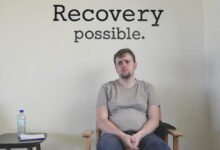
What researchers and clinicians increasingly agree on is that recovery is a process, not an event. The goal isn’t always perfect, permanent abstinence from day one. For many people, it’s a winding road with progress, setbacks, and eventual sustained wellness.
Why the Numbers Are Hard to Pin Down
Measuring cocaine treatment outcomes with precision is harder than it sounds. Medical records are confidential. The same person may enter multiple treatment programs in a single year, and each admission may be counted separately. Self-reported sobriety isn’t always verifiable. Dropout rates from research studies are high. And recovery often happens outside formal treatment altogether — through personal decision-making, faith communities, peer support, and life changes.
These limitations mean that any single statistic you read should be taken as one piece of a larger, more complex picture.
Cocaine Addiction Recovery Success Rate: The Numbers
Short-Term Treatment Completion Rates
One of the clearest data points we have comes from SAMHSA. <According to SAMHSA’s 2022 Treatment Episode Data Set (TEDS) report, approximately 55% of individuals discharged from treatment for cocaine use successfully completed their treatment program or were transferred to a higher level of care.>
That figure — 55% — is meaningful. It means that more than half of people who enter a cocaine treatment program follow through to completion or move on to continued care. It’s not perfect, but it’s a foundation.
When you look at broader substance use disorder recovery statistics, the picture gets even more encouraging. According to a landmark 2024 report from the Recovery Research Institute, an estimated 29.3 million U.S. adults — about 11.1% of the population — report having successfully resolved a significant substance use problem at some point in their lives. The 2023 National Survey on Drug Use and Health (NSDUH) found that nearly 46% of people with a past-year substance use disorder consider themselves to be in recovery or to have recovered.
Long-Term Cocaine Sobriety Rates
Long-term cocaine sobriety rates are more challenging to measure but are arguably more meaningful. Here’s what the research shows:
- Studies suggest that roughly 24–25% of people who go through cocaine addiction treatment maintain sobriety in the period following treatment
- Inpatient rehabilitation programs show higher short-term success rates, with estimates ranging from 35–50% at the 12-month mark
- Outpatient treatment programs show rates in the range of 25–30% at comparable follow-up intervals
- After 5 years of continuous recovery, relapse rates drop to approximately 15% — comparable to the general population’s rate of developing substance use problems
The lower success rates for outpatient programs don’t necessarily mean they are inferior. They often serve people with more complex life situations — including ongoing employment, family responsibilities, and less severe dependence — who are harder to track and more likely to drop out of research studies.
How Cocaine Compares to Other Substances
Cocaine use disorder recovery presents some unique challenges compared to alcohol or opioids, primarily because there is currently no FDA-approved medication specifically designed to treat cocaine dependence. With opioids, for instance, medications like methadone or buprenorphine can dramatically reduce cravings and withdrawal — no such equivalent exists for cocaine.
That said, the evidence suggests that cocaine dependence remission rates are actually comparable to or slightly better than those for nicotine and alcohol dependence. Research from the National Epidemiologic Survey on Alcohol and Related Conditions found that more than two-thirds of cocaine dependence remissions occurred within the first decade after the onset of dependence. By comparison, only about one-third of alcohol dependence remissions happened in the same timeframe.
Factors That Influence Cocaine Recovery Success
Understanding the cocaine addiction recovery success rate isn’t just about knowing the numbers. It’s about understanding what moves the needle. Several factors consistently show up in the research as predictors of better outcomes.
Type and Duration of Treatment
The type of treatment someone receives has a measurable impact on their outcomes. Longer programs generally produce more durable results, though the relationship isn’t perfectly linear. Key evidence:
- Contingency management (CM) — a behavioral therapy that rewards abstinence with tangible incentives — has produced some of the strongest short-term cocaine abstinence rates in clinical trials. Studies have shown CM can produce 8–12 weeks of continuous cocaine abstinence in approximately 40–50% of participants, far outperforming the typical 5–10% seen in therapy-alone conditions
- Cognitive behavioral therapy (CBT) shows more modest effects during treatment but produces more durable long-term reductions in cocaine use, even months after the treatment itself has ended
- Combined CBT and contingency management approaches appear to offer the best of both worlds — rapid initial reductions in use followed by sustained behavioral change over time
The National Institute on Drug Abuse consistently identifies CBT as one of the most effective evidence-based treatments for cocaine use disorder. Their research on cocaine treatment supports using behavioral therapies as the frontline approach.
Co-Occurring Mental Health Conditions
This is one of the most consequential factors in cocaine addiction treatment outcomes, and it is too often overlooked. Research consistently shows that approximately 80% of individuals with cocaine dependence have a lifetime diagnosis of at least one other psychiatric disorder. Depression, anxiety, PTSD, and bipolar disorder are particularly common.
When these conditions go untreated alongside the cocaine use disorder, recovery becomes significantly harder. The person is essentially managing two serious conditions with only one being addressed. Treatment programs that provide integrated dual-diagnosis care — addressing both addiction and mental health simultaneously — produce meaningfully better outcomes.
If you’re evaluating treatment programs, this is one of the most important questions to ask: does this program treat co-occurring mental health conditions?
Social Support and Environment
The research on social factors is striking. According to the evidence:
- Strong social networks (family, friends, recovery groups) are consistently linked to better long-term cocaine recovery outcomes
- Family involvement in the treatment process reduces relapse rates
- Participation in peer support networks — 12-step groups, SMART Recovery, sober living homes — significantly improves long-term abstinence
- Returning to environments where others are actively using cocaine is one of the strongest predictors of relapse
Social isolation isn’t just uncomfortable — it’s a genuine clinical risk factor. And social connection isn’t just a nice bonus — it’s arguably as therapeutically important as the formal treatment itself.
Personal Motivation and Readiness
People who enter treatment with genuine readiness to change have consistently better outcomes than those who enter under external pressure alone (legal mandates, family ultimatums). That doesn’t mean external pressure is useless — it can create the opening for change that eventually becomes internally motivated. But motivation at the time of treatment is a meaningful predictor of outcome.
Treatment Options and Their Effectiveness
Behavioral Therapies for Cocaine Addiction
Because no approved medications currently exist for cocaine use disorder, behavioral therapy carries most of the clinical weight. The most well-evidenced approaches include:
Cognitive Behavioral Therapy (CBT) CBT helps people identify the thoughts, feelings, and situations that precede cocaine use and build practical coping skills to interrupt those patterns. A meta-analysis of 34 randomized controlled trials involving more than 2,300 patients found a moderate overall effect size for CBT across substance use disorders, with cocaine-specific treatments showing notably strong results. One of CBT’s key advantages is that its effects often continue to develop after treatment ends — sometimes patients show their greatest improvement in the 6–12 months following discharge.
Contingency Management (CM) CM uses a structured voucher or prize system where patients earn tangible rewards for verified abstinence (confirmed by drug testing). The immediate feedback loop is powerful. The challenge is sustainability — effects can diminish once the incentive program ends. This is precisely why combining CM with CBT is considered such an effective strategy: CM creates the early momentum, CBT builds the long-term skills.
The Community Reinforcement Approach (CRA) CRA is a broader behavioral intervention that works to restructure a person’s environment so that sober activities become more rewarding than substance use. It incorporates social, recreational, familial, and vocational elements. When combined with vouchers for abstinence, CRA has demonstrated strong outcomes for primary cocaine dependence treatment.
Motivational Interviewing (MI) MI is often used as an entry-point intervention — helping people who are ambivalent about change move toward committing to treatment. It has proven effective at increasing the probability that someone enters and stays engaged in formal treatment programs.
Inpatient vs. Outpatient Treatment for Cocaine
Both have a place in the continuum of care. The best fit depends on the severity of the addiction, the presence of co-occurring conditions, and the person’s home environment.
Inpatient (Residential) Treatment:
- Removes the person from their using environment entirely
- Provides around-the-clock support and structured programming
- Better suited for severe addiction, unstable living situations, or previous failed outpatient attempts
- Success rates range from 35–50% at 12-month follow-up
Outpatient Treatment:
- Allows continued participation in work, family, and daily life
- Intensive outpatient programs (IOP) offer multiple sessions per week
- Less intensive but more accessible and affordable
- Success rates range from 25–30% at comparable follow-up points
For many people, the most effective path involves starting with inpatient treatment and transitioning to outpatient care and aftercare support as recovery stabilizes — sometimes called a step-down approach.
Medication-Assisted Approaches
While no FDA-approved medication exists specifically for cocaine use disorder, researchers are actively investigating several options. Some medications used for other conditions — including disulfiram (used for alcohol dependence) and certain antidepressants — have shown mixed results in clinical trials for cocaine. None have proven consistently effective enough for standard clinical adoption.
This remains one of the most significant gaps in cocaine addiction treatment, and ongoing research continues to pursue pharmacological solutions.
The Role of Relapse in Cocaine Recovery
Cocaine Relapse Rates: What the Data Shows
Let’s be honest about relapse. It is common. Research indicates that approximately 40–60% of people in addiction recovery will experience at least one relapse during their recovery journey. For cocaine specifically:
- Roughly 24% of people relapse back to weekly cocaine use within a year following treatment
- About 18% return to treatment following a relapse
- One study of more than 300 people who completed cocaine treatment found that 44% were readmitted to a treatment program within 2.6 years of completing their initial program
These numbers can feel discouraging at first glance. But context changes everything.
Why Relapse Doesn’t Mean Failure
The National Institute on Drug Abuse and most addiction medicine professionals frame relapse not as treatment failure but as a feature of a chronic disease. Cocaine use disorder, like diabetes, hypertension, or asthma, is a chronic condition. Relapse rates for addiction are actually similar to relapse rates for those medical conditions. According to NIDA’s research on treating addiction, relapse rates for drug use disorders (40–60%) are comparable to those for hypertension (50–70%) and asthma (50–70%).
The appropriate response to relapse isn’t despair or abandonment of treatment. It’s reassessment and re-engagement — the same response a cardiologist takes when a patient with heart disease has a setback.
This reframing isn’t just feel-good language. It has practical implications. Someone who has relapsed and returns to treatment is not starting over from zero. They bring experience, insight, and awareness that can meaningfully inform their next attempt.
What the Research Says About Long-Term Sobriety
The most encouraging research on long-term cocaine sobriety comes from studies following people over many years, not just months.
Here is what that data consistently shows:
- The probability of sustained remission increases over time. Someone who has maintained sobriety for 2 years is significantly more likely to maintain it than someone at 6 months. Someone at 5 years is more likely still.
- After 5 years of continuous recovery, relapse rates drop to approximately 15% — consistent with the general population baseline
- The majority of individuals with cocaine dependence do eventually achieve remission at some point in their lives, according to population-level survey data from the NESARC study
- People who achieve recovery report dramatically improved quality of life — the Recovery Research Institute’s “Life in Recovery” survey found that 88.4% of people in recovery rated their overall quality of life as good, very good, or excellent, and 92.6% reported their mental health similarly
The longer someone stays in recovery, the more normal life becomes. The brain heals. Relationships rebuild. Employment stabilizes. The statistics at 10 years look very different from the statistics at 1 year.
How to Improve Your Chances of Cocaine Recovery Success
If you or someone you care about is beginning or considering a recovery journey, research-backed strategies can meaningfully improve the odds. Here is what the evidence supports:
- Choose evidence-based treatment. Programs that use CBT, contingency management, or community reinforcement approaches have the strongest research support. Ask prospective treatment providers about their clinical approach.
- Address co-occurring mental health conditions. Look for programs that provide integrated dual-diagnosis treatment. Treating cocaine addiction in isolation when depression or PTSD is also present significantly reduces the probability of success.
- Prioritize aftercare. The transition out of formal treatment is one of the highest-risk periods for relapse. Continuing care — whether through outpatient therapy, peer support groups, or sober living — dramatically improves long-term outcomes.
- Build a recovery support network. Sober social connections are not optional extras. They are clinically meaningful. Regular participation in 12-step programs, SMART Recovery, or similar peer communities is consistently linked to better long-term outcomes.
- Create a relapse prevention plan before you need it. The best time to plan for a potential relapse is before it happens. Identify triggers, warning signs, and a clear action plan (who to call, what to do) before leaving treatment.
- Understand that longer treatment produces better results. Programs of 90 days or more consistently outperform shorter interventions in terms of long-term abstinence. Resist the urge to exit treatment early.
- Stay honest about the environment you return to. Returning to the same neighborhood, social group, or living situation where cocaine use was part of daily life significantly increases relapse risk. Changes to environment are often as important as changes made in treatment.
Finding Help and Taking the First Step
The single most powerful thing the data on cocaine addiction recovery success rate shows is that tens of millions of people have found lasting recovery. It is not a rare outcome reserved for the most motivated or most fortunate. It is the norm for people who receive the right support.
SAMHSA’s National Helpline — 1-800-662-4357 — offers free, confidential, 24/7 information and treatment referrals in English and Spanish. It is a good starting point for anyone trying to understand their options.
The fact that you’re reading this — whether for yourself or someone you love — is not a small thing. It means the question of recovery is already being taken seriously. That is not nothing. Research consistently shows that seeking information and help is itself a predictor of better outcomes.
Treatment works. The numbers back that up. The harder truth is that it requires commitment, the right program, and continued engagement even when it’s difficult. But the evidence — from population surveys, clinical trials, and the lived experience of millions of people — is clear: recovery from cocaine addiction is achievable, sustainable, and worth pursuing.
Conclusion
The cocaine addiction recovery success rate is real, measurable, and encouraging — even if it doesn’t fit neatly into a single percentage. Roughly 55% of people who enter formal cocaine treatment complete it successfully; inpatient programs show 12-month success rates of 35–50%; and after 5 years of sustained recovery, relapse rates fall to roughly 15%, comparable to the general population. Relapse, while common, is a feature of a chronic disease rather than a sign of failure — and it does not erase the progress made.
The most important predictors of long-term recovery are evidence-based treatment, dual-diagnosis care for co-occurring mental health conditions, strong social support, and sustained engagement with aftercare. The research is clear that while cocaine use disorder is serious and recovery is genuinely difficult, the majority of people with this condition do eventually reach sustained remission — and those who do report dramatically improved quality of life. Understanding these statistics is not just an academic exercise; it’s the first step toward making an informed, empowered decision about pursuing recovery.