How to Help a Cocaine Addict Who Doesn’t Want Help
Watching someone you love destroy their life is heartbreaking. Here are 9 proven strategies to help a cocaine addict who refuses help — without enabling or losing yourself.
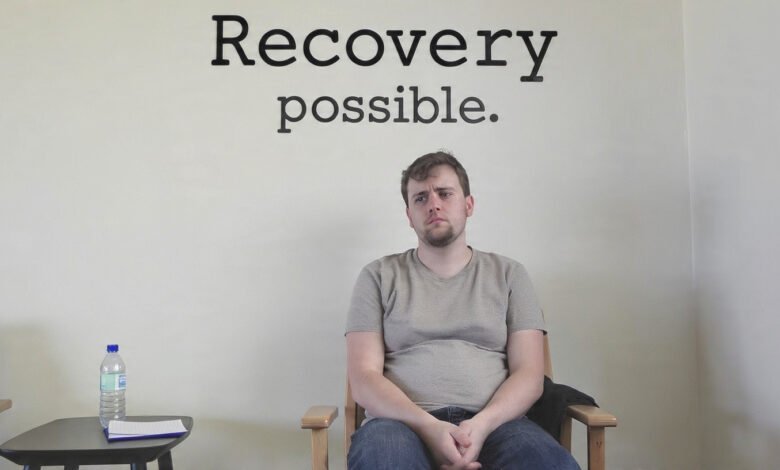
To Help a cocaine addict who doesn’t want help is one of the most exhausting, heartbreaking things a person can go through. You watch someone you love make choices that are slowly destroying them, and no matter what you say or do, the wall stays up. They deny there’s a problem. They get angry. They push you away. And you’re left standing there wondering whether to keep trying or finally step back for your own sanity.
Here’s what most people don’t realize: cocaine addiction physically rewires the brain. It’s not stubbornness or a lack of willpower. The drug hijacks the brain’s reward system so completely that the person using it genuinely struggles to see the problem clearly. That doesn’t mean you’re powerless, though. It means you need the right approach.
This article walks you through nine practical, evidence-based strategies for supporting a cocaine addict who refuses treatment. You’ll learn how to have conversations that actually land, when to draw firm boundaries, what enabling really looks like, and how to protect your own mental health in the process. Whether this is a spouse, a sibling, a parent, or a close friend, these strategies give you a real foundation to work from rather than just hoping things will change on their own.
One thing to keep in mind before diving in: recovery is possible. People do walk away from severe cocaine use disorder and build good lives. Your support, done thoughtfully, can be part of what makes that happen.
Understanding Why a Cocaine Addict Refuses Help
Before jumping to action, it helps to understand what’s actually happening inside the mind of someone addicted to cocaine who won’t seek help. This isn’t about excusing behavior. It’s about giving you the clearest possible picture so you can respond effectively rather than react out of frustration.
The Brain Science Behind Denial
Cocaine addiction disrupts the brain’s dopamine system in a profound way. When someone uses cocaine, the drug blocks the normal reabsorption of dopamine, flooding the brain with artificial pleasure signals. Over time, the brain adapts by reducing its natural dopamine production, which means the person feels flat, depressed, and unmotivated without the drug.
This neurological change does something else, too: it impairs judgment. The prefrontal cortex — the part of the brain responsible for reasoning, planning, and recognizing long-term consequences — is significantly affected by chronic cocaine use. This is why your loved one can look at their collapsing relationships, finances, and health and still insist everything is fine.

Denial, in this context, is not entirely a conscious choice. It’s partly a product of what the drug has done to the brain. Understanding this won’t make the behavior less frustrating, but it can help you stop taking it personally.
The Pre-Contemplation Stage
Clinicians who work in addiction treatment often refer to something called the stages of change model. The first stage is pre-contemplation, where the person genuinely does not believe they have a problem. They’re not ready to even consider change, let alone take action.
If your loved one is in this stage, confronting them head-on or issuing ultimatums usually makes things worse. The goal at this point isn’t to force a decision. It’s to plant seeds and stay connected until they’re ready to move to the next stage.
Fear of Treatment
Many people who resist cocaine addiction treatment aren’t just in denial. They’re scared. They might fear:
- Withdrawal symptoms and the physical discomfort of detox
- Judgment from family, coworkers, or their community
- Losing their sense of identity without the drug
- Failing at treatment and confirming their own worst fears about themselves
- The unknown of what sober life even looks like
Knowing this helps you frame conversations differently. Instead of pushing treatment as an obligation, you can address the fears directly and offer information that removes some of those barriers.
How to Help a Cocaine Addict Who Doesn’t Want Help: 9 Strategies
1. Educate Yourself About Cocaine Addiction Before Doing Anything Else
The first and most important step is to learn as much as you can about cocaine addiction before you approach your loved one. This does two things: it makes you a calmer, more credible voice in the room, and it keeps you from saying things that accidentally reinforce shame or resistance.
Understand the signs of cocaine abuse — dilated pupils, weight loss, paranoia, dramatic mood swings, financial problems, erratic behavior, and withdrawal from friends and family. Learn what cocaine withdrawal looks and feels like: fatigue, depression, intense cravings, irritability, and disrupted sleep. Know what treatment options exist, from medically supervised detox to inpatient cocaine rehab to outpatient programs and peer support groups like Narcotics Anonymous.
The more prepared you are, the more effective and confident you’ll be in every conversation you have.
2. Choose the Right Time and Setting for the Conversation
Timing matters more than most people think. Trying to talk to someone about their cocaine use disorder in the middle of a crisis, right after a blowup, or while they’re actively under the influence is almost always a mistake. The conversation will go nowhere, and it might create more distance.
Instead, aim for a quiet, private moment when both of you are calm and neither of you is rushed. Keep the setting neutral if possible — not in front of other family members, not in a place that feels confrontational. The goal is to reduce defenses before the conversation even starts.
Some practical tips for how to approach it:
- Lead with love and concern, not accusations or a list of failures
- Use “I” statements instead of “you” statements: “I’ve been scared watching you go through this” lands differently than “You’re ruining your life”
- Avoid ultimatums in the first conversation unless you’re fully prepared to follow through on them
- Listen more than you talk — ask open-ended questions and sit with the answers
This approach doesn’t guarantee the conversation goes well. But it significantly increases the chances of keeping the door open for the next one.
3. Stop Enabling Without Abandoning
This is one of the most difficult distinctions families face. Enabling means taking actions that make it easier for your loved one to continue using cocaine — paying bills they should be responsible for, covering for them at work, lying to protect them from consequences, or bailing them out financially.
Enabling is different from supporting. Support means being emotionally present, offering information, maintaining the relationship. Enabling actively removes the natural consequences of cocaine use that might otherwise motivate a person to change.
When you stop enabling, two things happen. First, your loved one starts to feel the real weight of their choices. Second, you stop depleting your own emotional and financial resources on a cycle that isn’t helping either of you.
Common enabling behaviors to stop:
- Giving money that will likely go toward drugs
- Making excuses for them to employers, family, or friends
- Cleaning up messes — physical or social — caused by their drug use
- Providing a place to live with no expectations or accountability
- Minimizing or dismissing your own concerns to keep the peace
Ending these behaviors doesn’t mean ending the relationship. It means changing your role in it.
4. Try the CRAFT Approach
If you’re serious about learning how to help a cocaine addict who doesn’t want help, Community Reinforcement and Family Training (CRAFT) is one of the most evidence-based approaches available to families. Research has shown it to be more effective at getting a loved one into treatment than traditional interventions or Al-Anon style approaches alone.
CRAFT involves working with a trained therapist who helps you:
- Recognize and reduce your own enabling behaviors
- Learn communication strategies that reduce conflict and build connection
- Understand how to strategically reinforce positive behaviors in your loved one
- Know when and how to suggest cocaine addiction treatment in a way that’s more likely to be heard
- Take care of your own mental health throughout the process
According to SAMHSA’s National Helpline, finding professional guidance when a loved one refuses help is one of the most effective things a family can do. CRAFT gives that guidance a clear, practical structure. You can find a CRAFT-trained therapist through the Psychology Today directory or by calling a treatment center near you.
5. Consider a Professional Intervention
A professional intervention is not the aggressive, ambush-style confrontation you might picture from reality television. Done properly, it’s a carefully planned, compassionate conversation where family members and close friends come together — guided by a trained interventionist — to express concern and offer a treatment path.
According to the Mayo Clinic, a well-planned intervention gives your loved one a structured opportunity to accept help before things get worse. The key components of a successful intervention include:
- Planning with a professional — a licensed interventionist, addiction counselor, or mental health professional
- Gathering facts — specific examples of how the cocaine addiction has impacted everyone involved
- Preparing a treatment plan — having a concrete option ready for immediate intake if they say yes
- Setting clear consequences — each person commits to a specific boundary if the person refuses help
- Following through — whatever you say you’ll do, you have to actually do it
A poorly planned intervention can push someone further into resistance. A well-planned one can be the turning point.
6. Set Clear, Firm Boundaries — and Keep Them
Setting boundaries is not a punishment. It’s a form of honest communication about what you will and won’t participate in. Boundaries protect your own wellbeing and create a clearer picture of reality for the person struggling with cocaine use disorder.
A boundary sounds like: “I won’t give you money anymore, but I’ll drive you to your first treatment appointment anytime you want to go.” It’s not: “If you do this again, I’m leaving” (when you have no intention of actually leaving).
Boundaries only work when they’re backed by action. Empty threats teach the person with addiction that there are no real consequences and that they can continue their behavior without losing your presence or support.
Strong, consistent boundaries communicate: I love you, but I won’t participate in your destruction. That message, delivered consistently over time, is often more powerful than any single conversation.
7. Protect Your Own Mental and Physical Health
This point often gets skipped, but it’s critical. Loving someone with a cocaine addiction takes a serious toll. Anxiety, depression, sleep problems, and physical stress symptoms are common among family members of people with substance use disorder.
You cannot pour from an empty cup. If you’re burned out, anxious, and reactive, you won’t be able to show up for the person you’re trying to help in any kind of consistent or effective way.
Here’s what actually helps:
- Nar-Anon or Al-Anon meetings — peer support groups specifically for family members of people with addiction. These provide community, perspective, and practical tools at no cost
- Individual therapy — working through your own emotions, setting realistic expectations, and processing grief
- Regular exercise and sleep — these sound basic, but chronic stress from dealing with a loved one’s addiction genuinely affects your physical health
- Time limits on conversations about addiction — you don’t need to make every interaction about the problem
- Reaching out to trusted people — isolation is common for families dealing with addiction, and it makes everything harder
Taking care of yourself is not selfish. It’s what makes sustained support possible.
8. Know When to Step Back — Without Giving Up
There’s a difference between stepping back and giving up. Sometimes the most loving thing you can do is clearly communicate that you’re no longer available in the ways you used to be, while leaving the door open for when they’re ready.
This is especially important if the relationship has become damaging to your own health or safety. Cocaine addiction can lead to unpredictable behavior, financial exploitation, and emotional abuse. You are not obligated to stay in a harmful situation in the name of love.
Stepping back might look like:
- Ending regular contact for a defined period
- Removing financial support entirely
- Declining to live with someone who is actively using
- Cutting down on conversations about their drug use if they consistently go nowhere
These decisions are painful. But they’re also often what forces a person to genuinely reckon with the impact of their addiction on the people around them.
9. Don’t Give Up on the Possibility of Recovery
The research on cocaine addiction recovery is clear: people do recover, even after years of severe use. Recovery is not a function of willpower, intelligence, or character. It’s a function of treatment access, support, and timing.
Many people need to hear the message multiple times before they’re ready to act. Each honest conversation you have, each boundary you hold, each moment of genuine connection without enabling, is a seed being planted. You may not see the result right away. But that doesn’t mean the work isn’t having an effect.
The wait is genuinely hard. But it’s worth staying engaged — wisely, with your own health protected — because you never know which conversation or which moment of consequence will finally tip the scales.
Recognizing the Signs of Cocaine Addiction in a Loved One
If you’re still trying to confirm whether what you’re seeing is actually a cocaine addiction, here are the most common signs of cocaine abuse to watch for:
- Behavioral changes: increased secrecy, erratic schedule, disappearing for hours at a time
- Financial problems: unexplained money troubles, borrowing frequently, selling belongings
- Physical signs: significant weight loss, nosebleeds, runny nose, dilated pupils, reduced appetite
- Mood and personality shifts: extreme highs followed by severe crashes, irritability, paranoia, bursts of energy followed by fatigue
- Social withdrawal: pulling away from people who don’t use, abandoning hobbies, neglecting responsibilities
- Psychiatric symptoms: anxiety, agitation, hallucinations, or aggression in more severe cases
Research indicates that between 68% and 84% of regular cocaine users experience paranoia at some level, while a significant portion display aggressive or violent behavior. These aren’t character flaws — they’re symptoms of what the drug does to the brain.
If you’re seeing these signs, trust your instincts. You’re probably right.
What Not to Do When Helping a Cocaine Addict Who Won’t Accept Help
Knowing what to avoid is just as important as knowing what to do. Some well-intentioned responses actually make it harder for someone to accept help:
- Don’t issue ultimatums you won’t follow through on. Hollow threats teach the addict that your words don’t carry weight.
- Don’t shame or lecture. Guilt and blame shut down conversation and deepen resistance.
- Don’t try to control the outcome. You can influence the situation, but ultimately only the person with the addiction can choose recovery.
- Don’t wait for “rock bottom.” The idea that someone has to completely fall apart before they can be helped is dangerous. Early, consistent support can make a difference long before things hit a crisis point.
- Don’t involve too many people at once without a plan. An impromptu group confrontation without professional guidance often feels like an attack and backfires.
- Don’t sacrifice yourself completely. You are not able to save someone from addiction at the cost of your own health, safety, or stability.
Cocaine Addiction Treatment Options Worth Knowing
When your loved one does become open to the idea of help — even slightly — having information ready is critical. That window of openness can be short, so knowing your options ahead of time means you can act quickly.
Cocaine addiction treatment typically involves some combination of the following:
- Medical detox: Supervised withdrawal management, especially important if cocaine use has been heavy and prolonged
- Inpatient residential rehab: 30–90 day programs that remove the person from their environment and provide structured, intensive care
- Outpatient treatment programs: Less intensive but effective for those with strong support systems or who can’t commit to residential programs
- Cognitive Behavioral Therapy (CBT): One of the most effective therapeutic approaches for cocaine use disorder, helping people identify and change thought patterns that drive drug use
- Contingency management: A behavioral approach that uses positive incentives to reinforce sobriety
- Dual diagnosis treatment: Critical when co-occurring mental health disorders like depression, anxiety, or PTSD are driving the cocaine use
- Peer support groups: Narcotics Anonymous (NA) and similar programs provide community and accountability at no cost
For immediate help finding treatment, SAMHSA’s National Helpline (1-800-662-4357) is free, confidential, and available 24 hours a day, 7 days a week.
Conclusion
Helping a cocaine addict who doesn’t want help is not a single conversation or a single decision. It’s a long-term process that requires patience, strategy, and a deep commitment to your own wellbeing alongside theirs. By educating yourself about cocaine addiction, communicating with compassion rather than confrontation, stopping enabling behaviors, exploring tools like CRAFT or professional intervention, setting real boundaries, and protecting your own mental health, you give both yourself and your loved one the best possible chance of reaching a turning point.
Recovery from cocaine addiction is genuinely possible, and the steady, informed support of someone who loves them — offered wisely rather than desperately — is one of the most powerful forces that can tip the scales in that direction.