Teen Cannabis Addiction: A Parent’s Guide
Teen cannabis addiction is rising fast. Learn 7 critical warning signs, how it affects the developing brain, and what parents can do right now to help
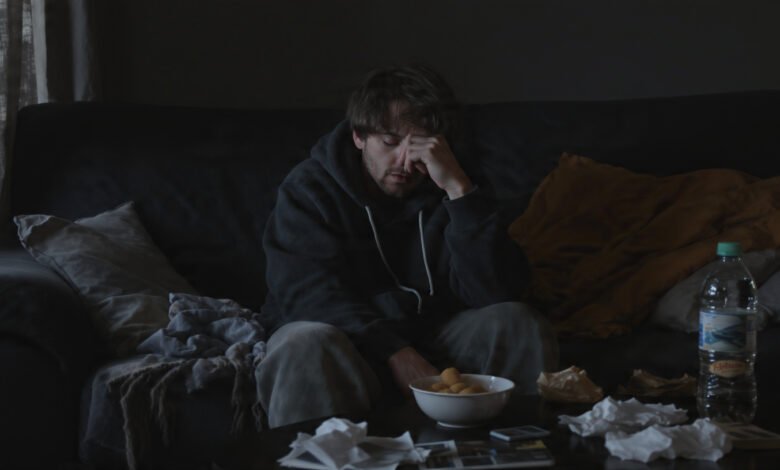
Teen cannabis addiction is one of the most misunderstood drug problems facing families today. Unlike harder substances that carry obvious stigma, marijuana gets a pass in a lot of conversations. Parents hear “it’s just weed” so often that the phrase starts to feel almost reasonable. It’s legal in many places. Celebrities talk about it openly. And your teenager, if they’re using, has probably done plenty of research to make it sound harmless.
But here’s what the research actually says: teenagers who use marijuana regularly are significantly more likely to develop cannabis use disorder (CUD) than adults who start using later in life. The adolescent brain is still under construction until roughly age 25, and cannabis — specifically the THC in modern high-potency products — can disrupt that development in ways that don’t fully reverse when use stops.
This guide is written for parents who are worried, confused, or just starting to notice something is off with their teenager. You don’t have to have a diagnosis or catch your kid red-handed to take this seriously. You just need enough information to know what you’re looking at and what your options are.
We’re going to cover what teen cannabis addiction actually is, how to recognize it, why teenagers are so vulnerable, what the science says about the developing brain, and how to get your child real help — without blowing up your relationship with them in the process.
What Is Teen Cannabis Addiction?
Teen cannabis addiction, also formally called cannabis use disorder (CUD), isn’t just “liking weed a lot.” It’s a clinically recognized condition in which a person loses meaningful control over their cannabis use, continues using despite negative consequences, and experiences cravings, tolerance, and withdrawal symptoms when they try to stop.
According to the DSM-5 (the diagnostic manual used by mental health professionals), a person must show at least two qualifying symptoms over a 12-month period to receive a diagnosis of cannabis use disorder. Mild CUD involves two to three symptoms, while severe CUD — which crosses into full addiction — involves six or more.
This is not a character flaw or a parenting failure. It is a medical condition with identifiable causes, measurable symptoms, and effective treatments.


What makes teen marijuana addiction particularly complicated is that adolescents often don’t recognize they have a problem. Regular use gradually becomes their baseline. They don’t feel high anymore; they feel normal. And when they stop, they feel irritable, anxious, and off — which they interpret as proof that they need cannabis to function.
Research shows that roughly 9% of people who use marijuana at any point in their lives will develop an addiction to it, but that number jumps to 17% for those who begin using during their teenage years. Starting young is one of the strongest risk factors for adolescent cannabis dependence.
Why Teenagers Are Especially Vulnerable to Cannabis Addiction
The Developing Adolescent Brain
You’ve probably heard that the teenage brain isn’t fully developed. That’s not just an excuse for bad decisions — it’s a structural and neurological reality. The prefrontal cortex, which governs impulse control, risk assessment, and long-term planning, isn’t fully wired until the mid-twenties.
Cannabis use can impair learning, short-term memory, attention, decision-making, problem-solving, and motivation, all of which affect school performance in adolescents.
THC — the active compound in marijuana that produces the high — binds to endocannabinoid receptors throughout the brain. In a developing adolescent, these receptors play an active role in brain wiring. When THC floods the system repeatedly, it can interfere with that natural process.
The result? Cognitive impairment that may persist long after the teenager stops using. Studies have found lasting effects on memory, attention, and executive function in adolescents who used cannabis heavily during their teenage years.
Potency Has Increased Dramatically
This is something many parents don’t realize. The cannabis available today is not the same product that circulated in previous decades.
Today’s marijuana plants are cultivated differently than in the past and can contain two to three times more THC than older strains. Meanwhile, CBD — the compound considered to have potential medical benefits — has not increased proportionally and remains at around 1%.
Higher THC means faster tolerance buildup, stronger psychological dependence, and more severe withdrawal. A teenager experimenting with today’s high-potency cannabis products is not having the same experience their parent did in the 1990s.
Social and Environmental Pressure
Teens are getting mixed signals about the risks of cannabis use. More states have legalized adult-use cannabis, and conflicting information from schools, social media, and popular culture makes it difficult for teenagers to accurately evaluate the real risks of underage use.
When a teen sees cannabis discussed casually on social media and hears adults using it recreationally, the message they receive is that it’s safe and normal. That perception gap is a serious problem for teen cannabis addiction prevention.
7 Critical Warning Signs of Teen Cannabis Addiction
Knowing what to look for is the most important first step. Here are the warning signs that deserve immediate attention.
1. Withdrawal from Family and Friends
One of the earliest and most reliable warning signs is a shift in social behavior. A teenager developing a marijuana use disorder will often pull away from the people and activities they previously loved — but it won’t always look dramatic. You might notice they spend more time alone in their room, less time with the friends you know, or that they seem disinterested in family events they used to participate in.
When individuals become psychologically addicted to marijuana, they will make the drug a main priority in their day-to-day lives, possibly to the exclusion of important work, family, school, and personal obligations.
2. Sudden Drop in Academic Performance
School grades are a sensitive indicator of what’s happening cognitively and motivationally. If your teenager goes from average or above-average performance to failing assignments, skipping class, or expressing complete indifference about grades, that shift deserves investigation.
Cannabis use disorder in teens directly disrupts the brain functions needed for academic success: memory, focus, sustained attention, and the ability to stay motivated over time.
3. Unexplained Mood Swings and Irritability
All teenagers have moods. But there’s a difference between normal adolescent moodiness and the kind of volatility that comes with teen substance abuse. A teenager who is dependent on cannabis will often seem fine when they’ve recently used and irritable, anxious, or short-tempered when they haven’t.
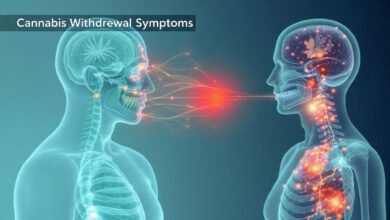
If someone with cannabis use disorder stops using suddenly, they may suffer from withdrawal symptoms that, while not medically dangerous, can cause irritability, anxiety, and changes in mood, sleep, and appetite.
If your teenager seems to cycle between calm or mellow and inexplicably edgy, pay attention to the pattern.
4. Increased Secrecy and Lying
Teens with a weed addiction tend to become secretive in specific, identifiable ways. They start hiding where they’re going, who they’re with, and what they’re doing with their money. They may lock their bedroom door, keep their phone unusually private, or give vague, shifting answers to simple questions.
This isn’t just normal teenage privacy. It’s behavioral concealment that has a function: protecting access to the drug.
5. Physical Signs
There are physical clues that can confirm what behavioral signs suggest. Parents who know what to look for have a real advantage.
Common physical signs of teen marijuana use include:
- Bloodshot or glassy red eyes (frequently using eye drops to mask it)
- A sweet or skunk-like smell on clothing, breath, or in their room
- Increased appetite, particularly for junk food (“the munchies”)
- Chronic cough or throat clearing
- Slower speech, slowed reactions, or appearing “foggy”
- Disrupted sleep patterns — sleeping very late or at unusual hours
The THC in marijuana targets the endocannabinoid system, which triggers feeding impulses in the brain. This is why regular users often experience significant increases in appetite, particularly for high-calorie snack foods.
6. Finding Paraphernalia
This one is direct and hard to explain away.
Smoking marijuana requires specific implements such as water pipes (bongs, bubblers), rolling papers, lighters, ashtrays, pipes made from various materials, roach clips, grinders, or vape pens. Parents might also find wrappers from cannabis edibles, gummies, tinctures, or receipts from dispensary purchases.
If you find any of these items, the question isn’t whether your teenager is using cannabis. It’s how much, how often, and whether they need help.
7. Inability to Stop Despite Wanting To
This is the clearest sign that use has crossed from habit into cannabis use disorder. Your teenager may tell you — or you may hear them tell a friend — that they want to cut back or quit, but they keep using anyway. They might go a day or two without cannabis and feel genuinely miserable, then return to using to relieve that discomfort.
Some signs and symptoms of cannabis use disorder include trying but failing to quit, and giving up important activities with friends and family in favor of using cannabis.
When someone can’t stop despite genuinely wanting to, that’s the biology of addiction at work — not weakness or stubbornness.
How Teen Cannabis Addiction Affects Mental Health
This is an area that often gets overlooked in conversations about teenage drug abuse. Cannabis doesn’t just affect the body — it significantly impacts mental health, and the relationship is complex.
The Connection to Depression and Anxiety
Research shows that 22% of adolescents aged 12 to 17 who experienced a major depressive episode were marijuana users. This doesn’t automatically prove that cannabis causes depression — the relationship runs in both directions. Some teenagers start using cannabis to self-medicate for anxiety or depression that already exists. Others develop mood disorders as a result of prolonged cannabis use disrupting their brain chemistry.
Either way, co-occurring disorders — meaning teen cannabis addiction alongside a mental health condition — are common. Any effective treatment plan needs to address both.
Risk of Psychosis
High-potency THC use during adolescence has been linked in multiple studies to an increased risk of psychotic symptoms, particularly in teenagers who may have a genetic predisposition to conditions like schizophrenia. This is one of the most serious long-term risks of teen marijuana addiction and one that rarely gets discussed in the context of recreational use.
Motivational Issues
Long-term cannabis users, especially those who started young, frequently describe what’s sometimes called “amotivational syndrome” — a persistent flat feeling, loss of drive, and inability to find pleasure in things that used to matter. While research on this specific syndrome is still evolving, the clinical picture is consistent: adolescent cannabis dependence is linked to lower educational attainment, reduced career ambition, and decreased engagement with life goals.
How to Talk to Your Teenager About Cannabis
Most parents dread this conversation. They’re afraid of being lied to, afraid of damaging trust, or not sure they have enough information to be credible. Here’s a realistic approach.
Start Before There’s a Problem
The most effective time to talk about teen substance abuse is before any use begins — ideally in late elementary or early middle school. You don’t need to give a lecture. You need to open a channel.
Research shows that parents can significantly influence a teen’s decision to use substances. Regular conversations with teens about cannabis use in middle and high school is one of the best ways to help prevent early experimentation.
If You Already Suspect Use
- Wait until they’re sober. A conversation with an intoxicated teenager will accomplish nothing useful.
- Avoid ultimatums in the opening conversation. Accusation closes doors. Curiosity opens them. Start with “I’ve noticed some things and I’m worried about you” rather than “I know what you’ve been doing.”
- Listen more than you talk. Find out what’s actually going on in your teenager’s life. Cannabis use is often a symptom of something else — stress, social anxiety, bullying, depression, or unmet needs.
- Be clear about your concerns without catastrophizing. You want to be honest about the risks of marijuana addiction in teenagers without coming across as hysterical. Teenagers are good at detecting exaggeration, and if they think you’re panicking, they’ll shut down.
- Make it clear you’re on their side. The goal of the conversation is not to win an argument. It’s to stay connected to your child while they’re going through something hard.
Treatment Options for Teen Cannabis Addiction
If your teenager has developed cannabis use disorder, professional help is available and effective. Here’s what the treatment landscape actually looks like.
Behavioral Therapies
The most well-supported treatments for teen marijuana addiction are behavioral in nature. No medication has been FDA-approved specifically for cannabis use disorder, but several therapy approaches show strong evidence.
Cognitive Behavioral Therapy (CBT) is particularly effective. It helps teenagers identify the thought patterns and emotional triggers that lead to cannabis use, then develop concrete strategies to interrupt those patterns.
CBT assists in changing harmful patterns of thinking and behavior, helping adolescents understand and manage their addiction.
Motivational Enhancement Therapy (MET) is often paired with CBT. It works by helping the teenager find their own internal reasons to change — rather than forcing change from the outside in. For adolescents, internal motivation is crucial.
Family-Based Therapy recognizes that the teenager doesn’t exist in isolation. Research on Brief Strategic Family Therapy (BSFT) has shown that 41% of participating teens were no longer using cannabis at the end of treatment, compared to just 13% in control groups. Getting the whole family involved in the process significantly improves outcomes.
Inpatient vs. Outpatient Treatment
The appropriate level of care depends on how severe the teen cannabis addiction is, whether co-occurring mental health issues are present, and what the home environment looks like.
Outpatient treatment allows teenagers to stay at home and attend therapy sessions several times a week. This is typically appropriate for moderate cannabis use disorder in teens in a stable home environment.
Inpatient or residential treatment provides 24-hour structured care. It’s typically recommended when the teenager’s home environment is chaotic, when co-occurring disorders are severe, or when outpatient attempts have already failed.
Early intervention and treatment can make a significant difference in the effectiveness of care and recovery outcomes. The earlier a teenager gets help, the more likely they are to achieve lasting recovery.
Support Groups
Groups like Marijuana Anonymous (MA) use a 12-step model adapted specifically for cannabis users. These groups provide community, accountability, and shared experience — all of which matter enormously for teenagers who feel isolated in their struggle.
What About Medication?
No medications have been FDA-approved to treat cannabis use disorder, though several are being studied. Behavioral therapies remain the primary and most evidence-based approach for adolescents with CUD.
Prevention: What Parents Can Do Starting Now
Even if your teenager isn’t currently using cannabis, building protective habits now can significantly reduce their risk of developing teen cannabis addiction later.
Here are evidence-supported protective factors:
- Strong, open communication at home. Teenagers who feel they can talk to their parents without judgment are less likely to hide substance use and more likely to ask for help when they need it.
- Regular monitoring and awareness. Know where your teenager is, who they’re with, and what they’re doing — not in a surveillance sense, but in an engaged, attentive parenting sense.
- Set clear expectations about drug use. Parents should ensure that the teens in their lives know they disapprove of underage cannabis use, and model healthy, safe behaviors themselves.
- Address mental health issues early. Depression, anxiety, ADHD, and social difficulties are all risk factors for teen substance abuse. Treating these conditions reduces the likelihood of teens self-medicating with cannabis.
- Stay connected to your teenager’s social life. Peer influence is one of the strongest predictors of adolescent drug use. Knowing your teenager’s friends matters.
When to Call a Professional
Some situations require immediate professional involvement. Contact a doctor, therapist, or addiction specialist if:
- Your teenager has tried to quit and been unable to
- You’ve found cannabis regularly in their possession
- Their grades have significantly dropped
- You’re seeing signs of cannabis withdrawal symptoms (irritability, sleep problems, anxiety when they don’t use)
- They’re showing signs of depression, paranoia, or other mental health symptoms
- They’re using cannabis in risky situations (before school, while driving)
- You suspect they’re using other substances alongside marijuana
You don’t need to wait until things hit rock bottom. In fact, earlier intervention consistently produces better outcomes. For authoritative guidance, the CDC’s cannabis and teen health resource is a solid starting point, and the American Academy of Child and Adolescent Psychiatry provides additional clinical guidance for parents navigating this issue.
Frequently Asked Questions
Is teen cannabis addiction real, or just a phase?
It’s real. Cannabis use disorder is a recognized medical condition, and adolescents are at significantly higher risk of developing it than adults due to the ongoing development of their brains. What starts as occasional experimentation can escalate quickly in teenagers.
Can my teenager quit cannabis on their own?
Some can, particularly if use is still relatively new and not heavily entrenched. But teenagers with marijuana use disorder typically need structured support — both because of the psychological nature of the addiction and because the underlying emotional or mental health issues driving use often need to be addressed simultaneously.
Does cannabis use in teens always lead to harder drug use?
Not always. Research shows that more than 20% of people who use marijuana don’t go on to use more powerful drugs or develop further addictions. However, early cannabis use is a risk factor for broader teen substance abuse, and the gateway effect is real in some cases — particularly when combined with other vulnerability factors like trauma, mental health issues, or high peer drug use.
How do I find treatment for my teenager?
Start with your teenager’s pediatrician or family doctor. They can refer you to adolescent addiction specialists, behavioral health programs, and therapists with experience treating teen marijuana addiction. SAMHSA’s National Helpline (1-800-662-4357) is a confidential, free resource that can connect you with local treatment options.
Conclusion
Teen cannabis addiction is a serious, growing problem that too many families are navigating without enough information or support. Today’s high-potency cannabis products pose real risks to the adolescent brain — risks that don’t disappear just because marijuana has become more socially accepted for adults. If you’re noticing warning signs in your teenager, whether it’s withdrawal from family, dropping grades, mood swings, or physical signs of regular use, trust what you’re observing.
Early action makes a measurable difference in outcomes. Talk to your teenager with honesty and without judgment, educate yourself on what cannabis use disorder in teens actually looks like, and don’t hesitate to bring in professional support when it’s needed. Your teenager’s brain, mental health, and future are worth the difficult conversation.