THC Addiction vs CBD: Understanding the Differences
THC addiction vs CBD: discover the 7 critical differences in addiction potential, brain effects, withdrawal, and safety before you use either compound.
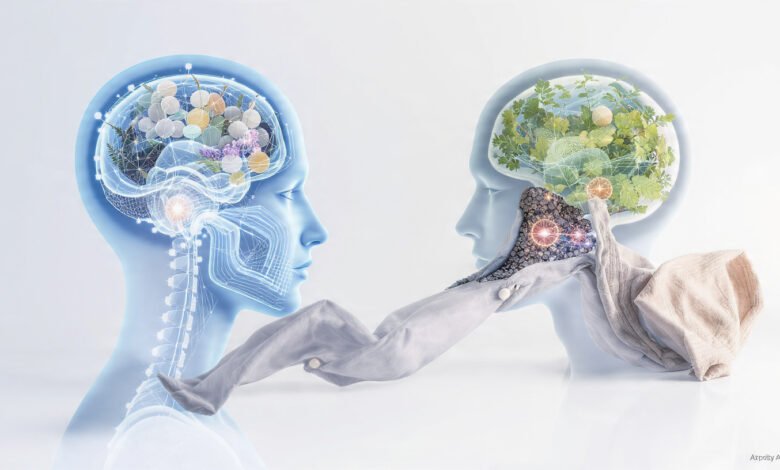
THC addiction vs CBD is one of the most misunderstood comparisons in modern health conversations. People hear “cannabis” and lump everything together — the compound that makes you high and the one that doesn’t, the one your brain can become dependent on and the one your body largely tolerates. That kind of confusion has real consequences, especially for people navigating recovery, chronic pain, or mental health challenges.
Both THC (tetrahydrocannabinol) and CBD (cannabidiol) come from the same cannabis plant. They share the same molecular formula. They both interact with your body’s endocannabinoid system. But from there, they diverge in ways that matter enormously — particularly when it comes to addiction, dependency, withdrawal, and long-term mental health.
This article cuts through the noise. You’ll get a clear, research-backed breakdown of how THC and CBD differ in their chemical behavior, psychoactive effects, addiction potential, withdrawal symptoms, medical uses, and legal standing. Whether you’re personally evaluating these compounds, supporting someone in recovery, or just trying to understand what’s actually in the products on store shelves, this guide gives you the full picture without the spin.
What Are THC and CBD? A Quick Foundation
Before digging into THC addiction vs CBD, you need to understand what each compound actually is at a basic level.
Cannabis sativa produces over 100 chemical compounds called cannabinoids. Of all of them, THC and CBD are the most studied and the most abundant. They have identical molecular formulas — 21 carbon atoms, 30 hydrogen atoms, and 2 oxygen atoms — but the arrangement of those atoms is different. That small structural difference is responsible for dramatically different effects on the human brain.
What Is THC?
Delta-9-tetrahydrocannabinol, or THC, is the primary psychoactive compound in cannabis. It’s the reason marijuana makes people feel “high.” THC binds directly to CB1 receptors in the brain — the same receptors that respond to anandamide, a naturally occurring feel-good chemical your brain produces on its own. Because THC mimics anandamide so closely, it can hijack that pathway, triggering euphoria, altered perception, and increased dopamine release.
The average strength of THC in marijuana has risen dramatically — from roughly 4% in the mid-1990s to around 15% today, meaning people are consuming a significantly more potent compound than previous generations did.


What Is CBD?
Cannabidiol, or CBD, is non-psychoactive. It doesn’t bind strongly to CB1 receptors and doesn’t produce a high. Experts aren’t entirely sure how CBD interacts with the brain’s receptors, but believe it binds differently from THC — potentially modulating the effects of other cannabinoids or interacting with receptors not yet fully identified.
CBD is the active ingredient in Epidiolex, the first FDA-approved cannabis-derived medication, used to treat certain forms of severe epilepsy. It’s also widely available in oils, gummies, topicals, and capsules.
The Core Difference — Psychoactive Effects
The single biggest distinction between these two compounds is whether they alter your mental state.
THC is psychoactive. CBD is not.
THC produces the characteristic “high” associated with marijuana use, while CBD does not induce this euphoric effect — a key difference that makes CBD a more attractive option for individuals seeking symptom relief without mind-altering effects.
This matters more than it might seem at first glance. The “high” from THC is not just a pleasant sensation for recreational users — it’s also the mechanism through which addiction can take hold. When THC triggers dopamine release in the brain’s reward system, it creates a feedback loop that the brain may begin to seek out repeatedly. CBD doesn’t activate this loop.
How Each Compound Works in the Brain
THC activates the brain’s reward circuitry similarly to other addictive substances. It floods the system with dopamine, creating euphoria, then leaves receptors expecting more. Over time, the brain adjusts by reducing its natural production of dopamine and downregulating CB1 receptors, which builds tolerance — meaning users need progressively higher doses to achieve the same effect.
CBD takes a different path. CBD influences the endocannabinoid system indirectly, helping maintain balance in functions such as mood, immune response, pain perception, and sleep cycles — without overstimulating the brain’s reward pathways. Research also shows that CBD can influence serotonin receptors and TRPV1 receptors, which play important roles in emotional regulation.
THC Addiction — How Real Is It?
There’s long been a cultural debate about whether marijuana is truly addictive. The answer, backed by current research, is: yes, it can be — and THC addiction is the mechanism behind it.
About 30% of marijuana users develop an addiction, with the risk significantly higher for those who begin using as teenagers. That’s not a fringe outcome. For context, around 9% of people who try cannabis at any point will develop a dependency — but that number climbs steeply with early exposure and frequent use.
Cannabis Use Disorder
Cannabis use disorder (CUD) is the clinical term for marijuana addiction. It’s a recognized diagnosis in the DSM-5 and involves continued use despite negative consequences, failed attempts to cut down, and psychological dependence.
Studies estimate that about 9% of cannabis users develop a dependency, with higher rates among those who start young or use frequently. Withdrawal symptoms can include irritability, sleep troubles, and cravings.
THC Withdrawal Symptoms
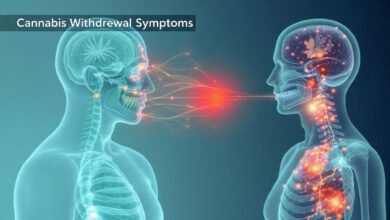
When a person with THC dependence stops using, the brain — which has adapted to regular dopamine surges — doesn’t snap back immediately. Common marijuana withdrawal symptoms include:
- Irritability and mood swings
- Sleep disturbances and vivid dreams
- Anxiety and restlessness
- Decreased appetite
- Intense cravings
- Headaches and sweating
These symptoms typically peak within the first week of stopping and can last two to three weeks. They’re real, uncomfortable, and enough to push many people back to use.
The Adolescent Risk Factor
The risk of THC addiction is not evenly distributed across age groups. Cannabinoid exposure during adolescence, particularly with high-THC and low-CBD products, is associated with a four times higher risk of developing cannabis dependence compared to adult exposure, and the risk increases with THC content.
This is because the adolescent brain is still developing, and the endocannabinoid system plays a central role in regulating reward and stress circuitry. THC exposure during these formative years can alter neurodevelopmental trajectories in ways that create lasting vulnerability to substance use disorder.
Is CBD Addictive?
The short answer is no — at least not in the same way THC is.
The World Health Organization confirms that CBD shows no evidence of dependence or abuse potential. Unlike THC, CBD does not activate dopamine pathways in a way that creates a reward loop, and it doesn’t build physical tolerance in the brain’s receptor system in the same manner.
Why CBD Doesn’t Cause Addiction the Way THC Does
The addiction risk from THC is tied directly to its psychoactive effects and its ability to bind tightly to CB1 receptors, flooding the brain with dopamine. CBD doesn’t do either of those things.
THC activates dopamine pathways similar to other addictive substances, while CBD actually normalizes those same circuits. For people in recovery from substance use disorder, this difference is clinically significant. Using THC can reignite the brain’s reward responses associated with dependency, while CBD may actually help dampen those triggers.
A Nuance Worth Knowing
Being “not addictive” doesn’t mean CBD is risk-free or that it’s appropriate for everyone, including those in recovery.
CBD use during active recovery could have an adverse impact on sobriety and may lead to a higher risk of relapse. Part of the reason is psychological: the act of taking any substance, even a non-addictive one, can reinforce habitual patterns tied to prior substance use. Recovery specialists often recommend complete abstinence as the safest approach for this reason.
Additionally, more than 25% of CBD products contain less CBD than listed on the label, and some also contain THC — which means unregulated products carry their own risk of accidental THC exposure and potential drug test results.
Medical Uses — Where THC and CBD Diverge
Both compounds have legitimate medical applications, but they’re used for different purposes and carry different risk profiles.
Medical Uses of CBD
CBD has gained the most traction in mainstream medicine for conditions where psychoactive effects would be harmful or undesirable.
Conditions commonly treated with CBD:
- Epilepsy — particularly drug-resistant forms (Epidiolex is FDA-approved for this)
- Anxiety disorders
- Chronic pain and inflammation
- Insomnia and sleep disorders
- Opioid addiction support — preclinical research suggests CBD may reduce cravings and withdrawal symptoms
CBD does not produce overt impairment as a single agent, and thus exhibits a broader therapeutic index than THC, even at relatively high doses.
Medical Uses of THC
THC’s psychoactive properties make it more complicated to use medically, but it also makes it effective for conditions where CBD alone falls short.
Conditions commonly treated with THC:
- Chronic and neuropathic pain
- Nausea and vomiting (particularly from chemotherapy)
- Appetite stimulation in patients with cancer or HIV/AIDS
- Muscle spasticity in multiple sclerosis
THC is more effective for acute and neuropathic pain due to its strong receptor binding, while CBD provides steady anti-inflammatory and neuromodulatory benefits for chronic pain.
The Entourage Effect
There’s a concept called the entourage effect — the idea that THC and CBD work better together than in isolation. CBD can enhance THC’s pain-relieving properties while simultaneously reducing anxiety and cognitive impairment associated with THC alone. Medical cannabis products with balanced 1:1 CBD-to-THC ratios are sometimes prescribed for patients who need potent relief but must remain cognitively stable.
That said, this combined approach is rarely recommended in addiction recovery, as even trace intoxication can trigger psychological cravings.
Side Effects — What Each Compound Can Do to Your Body
Side Effects of THC
THC can produce a range of side effects, particularly at high doses or with prolonged use:
- Paranoia and anxiety — especially in first-time users or those prone to anxiety
- Short-term memory impairment
- Increased heart rate
- Dry mouth and red eyes
- Coordination problems
- Psychotic symptoms — at very high doses, particularly in genetically predisposed individuals
- Cannabis hyperemesis syndrome — a cyclical vomiting condition associated with heavy, long-term use
THC’s effects on mental health can be complex, potentially leading to dependence or worsening mental health conditions in some users.
Side Effects of CBD
CBD’s side effect profile is considerably milder:
- Drowsiness
- Dry mouth
- Digestive discomfort
- Potential liver impact at very high doses (primarily seen in clinical studies using pharmaceutical-grade CBD)
- Drug interactions — CBD can interfere with how the liver metabolizes certain medications, including blood thinners
CBD is generally well-tolerated, with mild side effects such as dry mouth, drowsiness, or digestive discomfort, and no known addictive potential.
Legality — A Patchwork System
Legal status is where the THC addiction vs CBD conversation gets particularly tangled, because the laws differ significantly between the two compounds, across states, and internationally.
CBD Legality
Under the 2018 U.S. Farm Bill, hemp-derived CBD products containing less than 0.3% THC are federally legal. This means CBD oils, gummies, and topicals from hemp are broadly available in all 50 states and can be purchased without a prescription.
However, this doesn’t mean they’re fully regulated. The FDA has issued warnings to companies making unsubstantiated health claims about CBD products, and purity standards vary widely between manufacturers.
THC Legality
THC and marijuana-derived products remain Schedule I controlled substances under federal U.S. law, meaning they’re classified alongside heroin in terms of federal enforcement — regardless of state-level legalization.
As of 2026, recreational marijuana is legal in many U.S. states, and medical marijuana programs exist in dozens more. But the federal-state conflict creates ongoing complications for healthcare providers, employers, and especially people on federal probation or in federally regulated workplaces.
Drug Testing
THC appears on standard drug tests, as metabolites remain detectable in urine and blood. CBD typically does not trigger positive drug test results unless contaminated with trace THC from poorly regulated sources.
This is a practical risk that many CBD users overlook — purchasing a low-quality product that happens to contain more THC than the label suggests can result in a failed workplace drug test.
THC Addiction vs CBD in Recovery Settings
If you or someone close to you is navigating substance use disorder, understanding the difference between these two compounds is more than academic — it’s directly relevant to treatment decisions.
Why THC Is Risky in Recovery
Recovery from any substance use disorder involves retraining the brain’s reward circuitry. THC, because it activates dopamine pathways and mimics the brain chemistry of dependency, poses a real relapse risk. Using marijuana during recovery from alcohol or opioids doesn’t just risk cannabis addiction in its own right — it may reactivate the behavioral and neurological patterns associated with the person’s primary substance use.
CBD’s Emerging Role in Addiction Treatment
CBD might also help with alcohol addiction — preclinical data suggests it attenuates ethanol-induced place preference and reduces aggression in rodent models — and the growing body of evidence suggests CBD could potentially be added to standard detoxification regimens.
Research published by the National Institutes of Health indicates that CBD may help mitigate withdrawal-related symptoms across several drug categories, including opioids, psychostimulants, and alcohol. While these findings are still largely preclinical, they represent a growing area of interest.
According to WebMD’s overview of cannabinoids, CBD’s non-psychoactive properties and lack of abuse potential make it a safer candidate for symptom management in people with a history of addiction.
The Abstinence Argument
Even knowing that CBD isn’t addictive, many addiction specialists argue that complete abstinence from all cannabis-related compounds is the safest approach, particularly early in recovery. The psychological habits around substance use — rituals, triggers, social cues — can be reinforced even by non-psychoactive compounds when they become part of a daily routine.
Chemical Structure — How Two Similar Molecules Create Such Different Outcomes
It’s worth spending a moment on the chemistry, because it reveals why these compounds behave so differently despite being so similar on paper.
Both THC and CBD share the same molecular formula. The difference lies in a single cyclic ring present in THC that doesn’t exist in CBD. That ring allows THC to fit like a key into the CB1 receptor — the lock that, when turned, triggers psychoactive effects and dopamine release.
CBD’s slightly different shape means it doesn’t fit that lock cleanly. Instead of activating the receptor, it appears to modulate it — sometimes blocking THC from binding as effectively, which is part of why high-CBD strains of cannabis can reduce some of the anxiety and paranoia associated with high-THC products.
This is also why the ratio of CBD to THC in any given product matters a great deal, not just the presence of either compound individually.
Practical Guide — Choosing Safely Between THC and CBD
Here’s a straightforward summary to help inform your decision-making:
Choose CBD if you:
- Want therapeutic benefits without intoxication
- Are managing anxiety, inflammation, or epilepsy
- Are in recovery and have been advised it’s appropriate by your treatment team
- Need to pass workplace drug tests (use only lab-verified, reputable brands)
- Are looking for sleep support without cognitive impairment
Approach THC with caution if you:
- Have a personal or family history of psychosis or schizophrenia
- Are in recovery from any substance use disorder
- Are under 25 years old (the developing brain is more vulnerable)
- Use medication metabolized by liver enzymes (interactions are possible)
- Are pregnant or breastfeeding
Avoid THC if you:
- Are in an active addiction recovery program
- Are subject to federal employment drug testing
- Have a diagnosed anxiety disorder or history of paranoid reactions
Conclusion
THC addiction vs CBD ultimately comes down to one fundamental biological reality: THC activates the brain’s reward circuitry in ways that can lead to tolerance, dependence, and addiction, while CBD does not. Both compounds interact with the endocannabinoid system, but the psychoactive nature of THC — its ability to mimic anandamide, flood dopamine pathways, and bind tightly to CB1 receptors — is what gives it both its recreational appeal and its addiction risk, with roughly 30% of regular users developing dependence and withdrawal symptoms that include irritability, insomnia, and cravings upon quitting.
CBD, by contrast, is non-psychoactive, non-habit-forming, and recognized by the World Health Organization as having no abuse potential, though it still carries mild side effects, potential drug interactions, and specific concerns for people in active addiction recovery. Understanding these differences isn’t just useful trivia — it’s a practical tool for making safer, more informed decisions about cannabis products, treatment options, and long-term health.