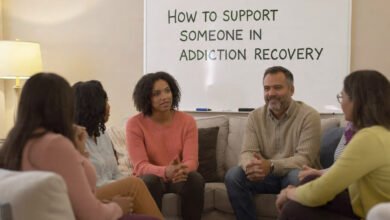
15 Addiction Recovery Tips That Actually Work
Addiction recovery tips that actually work — from building support systems to managing cravings. Discover 15 proven strategies to help you stay sober and rebuild your life.

Addiction recovery is one of the hardest things a person can do. Not because they lack willpower, but because addiction physically rewires the brain, making the pull toward substances feel like survival itself. If you’ve tried to quit before and relapsed, that doesn’t mean you failed. It means you’re human, and you’re up against something genuinely difficult.
The good news? Recovery is absolutely possible. Every day, millions of people around the world maintain long-term sobriety, rebuild relationships, and create lives they’re proud of. What separates those who make it from those who keep struggling isn’t luck. It’s strategy.
This article brings together 15 addiction recovery tips grounded in research, clinical guidance, and the lived experience of people who’ve been through it. Whether you’re on day one or year five of your recovery journey, these strategies are designed to give you something real and actionable. We’re not talking about vague inspiration here. We’re talking about specific things you can start doing today to protect your sobriety, manage cravings, and build a life worth staying sober for.
Some of these will feel familiar. Others might challenge the way you’ve been approaching recovery. Read through all of them. The one that clicks for you might be the one that changes everything.
What Is Addiction Recovery, Really?
Before diving into the tips, it helps to get clear on what substance use disorder recovery actually involves. Recovery isn’t just about not using drugs or alcohol. It’s about rebuilding the cognitive, emotional, and social parts of your life that addiction damaged or disrupted.
According to the Substance Abuse and Mental Health Services Administration (SAMHSA), recovery is defined as “a process of change through which individuals improve their health and wellness, live self-directed lives, and strive to reach their full potential.” That’s a much bigger picture than just abstinence.
Long-term sobriety requires attention to your mental health, your relationships, your daily routines, and your sense of purpose. The tips below address all of these dimensions.


15 Addiction Recovery Tips That Actually Work
Tip 1: Acknowledge You Have a Problem — Without Shame
The first step in any addiction recovery plan is honest self-recognition. This sounds obvious, but it’s harder than it looks. Denial is one of addiction’s most powerful defense mechanisms.
You don’t have to hit rock bottom to admit you need help. If substances are affecting your relationships, your work, your health, or your sense of self, that’s enough. Recognizing the problem isn’t weakness. It’s the most courageous move you can make.
Once you acknowledge what’s happening, write it down. Research shows that externalizing your thoughts through writing helps create psychological distance from denial and reinforces commitment to change.
Tip 2: Build a Strong Support System
This one shows up in virtually every piece of clinical literature on substance use disorder recovery for a reason. Humans are social creatures, and isolation is one of the fastest routes back to relapse.
Your support system doesn’t have to be perfect. It just needs to exist. Consider including:
- Family members or close friends who are genuinely supportive (not enabling)
- A sponsor or recovery mentor
- Peers in recovery who understand the journey firsthand
- A therapist, counselor, or psychiatrist
- A support group like Alcoholics Anonymous (AA), Narcotics Anonymous (NA), or SMART Recovery
If your existing social circle is full of people who use substances, this step is non-negotiable. You may need to build new connections. That’s hard, but it’s one of the most important investments you can make in your sobriety.
Tip 3: Work with a Professional — Don’t Try to White-Knuckle It Alone
This is where a lot of people go wrong. They think sheer willpower should be enough. It rarely is, and that’s not a moral failing. It’s biology.
Professional addiction treatment gives you access to tools that are genuinely hard to replicate on your own:
- Cognitive Behavioral Therapy (CBT): One of the most evidence-based approaches for addiction. It helps you identify thought patterns that trigger use and teaches you healthier responses.
- Medication-Assisted Treatment (MAT): For opioid and alcohol addiction especially, medications like buprenorphine, naltrexone, and methadone can dramatically reduce cravings and prevent relapse.
- Motivational Interviewing (MI): A counseling method that helps you work through ambivalence and build your own internal motivation to change.
Whether that’s an inpatient program, an intensive outpatient program (IOP), or regular sessions with a therapist, professional support significantly improves long-term recovery outcomes.
Tip 4: Know Your Triggers — Then Plan Around Them
Relapse prevention starts with understanding what sets you off. Triggers can be environmental (a specific location, a smell, a person), emotional (stress, loneliness, boredom, anger), or even positive (celebrations, success).
Keep a journal for a few weeks and note:
- When cravings hit
- What you were doing or thinking about beforehand
- Who you were with
- How you were feeling physically and emotionally
Over time, patterns emerge. Once you know your triggers, you can build concrete plans to address them. Not just “I’ll resist,” but “If X happens, I will do Y instead.” This kind of if-then planning is called implementation intention, and studies show it dramatically increases follow-through.
Tip 5: Develop a Daily Routine
Unstructured time is dangerous in early addiction recovery. When you don’t have a plan for your day, your brain defaults to old patterns. Structure changes that.
A solid daily routine doesn’t have to be rigid. It just needs to include:
- A consistent wake-up and sleep time
- Regular meals
- Physical activity
- A recovery-related activity (meeting, journaling, therapy session)
- Something you genuinely enjoy
Routine creates predictability, and predictability reduces stress. It also replaces the rituals that used to surround substance use with healthier habits.
Tip 6: Learn to Surf the Urge (Managing Cravings)
Cravings are one of the most misunderstood parts of addiction. Many people interpret a craving as proof that they’ll never be free. That’s not true.
Cravings are neurological events, not commands. They peak and pass — typically within 5 to 30 minutes. The clinical technique called “urge surfing” treats a craving like a wave: you acknowledge it, observe it without judgment, and ride it out rather than acting on it.
Practical ways to manage cravings in the moment:
- Deep breathing: Slow, controlled breaths activate your parasympathetic nervous system and reduce the intensity of the craving.
- Physical movement: Even a 10-minute walk disrupts the craving cycle.
- Call your support person: Connection interrupts the isolated thinking that cravings thrive on.
- Use the “HALT” check: Are you Hungry, Angry, Lonely, or Tired? Address the underlying state first.
Over time, cravings typically decrease in both frequency and intensity. Early recovery is the hardest. Keep going.
Tip 7: Address Co-Occurring Mental Health Issues
This is one of the most clinically important addiction recovery tips and one of the most overlooked. Research consistently shows that a significant percentage of people with substance use disorders also live with conditions like depression, anxiety, PTSD, bipolar disorder, or ADHD.
If you only treat the addiction without addressing the underlying mental health issue, you’re leaving a major relapse trigger unmanaged. This is what clinicians call a “dual diagnosis” or “co-occurring disorder.”
Getting a proper psychiatric evaluation early in your recovery can be genuinely life-changing. Treating depression or anxiety with appropriate therapy and, when needed, medication removes one of the primary reasons people turn back to substances to cope.
Tip 8: Take Care of Your Physical Health
Your body took a beating during active addiction. Physical recovery is a real part of the process and it directly affects your mental health and resilience.
Focus on:
- Sleep: Poor sleep dramatically increases relapse risk. Prioritize it.
- Nutrition: Substance use often depletes essential nutrients. Work toward balanced, regular meals.
- Exercise: Regular aerobic exercise has been shown to reduce cravings, improve mood, lower anxiety, and support brain health. This isn’t optional wellness advice. For people in recovery, it’s a clinical tool.
- Hydration: Basic, but often neglected.
The body and brain are deeply connected. When your physical health improves, your cognitive function, emotional regulation, and stress tolerance all improve with it — making long-term sobriety much more manageable.
Tip 9: Find Meaning and Purpose
Addiction often fills a void. When you remove the substance, you need something to replace it with. Not just activities, but genuine purpose.
This looks different for everyone. For some it’s family. For others, it’s career, creative work, faith, service, or building something new. The point is to give your recovery a reason bigger than just not using.
Ask yourself: “What would my life look like if I stayed sober for five years? What would I be able to do, build, or become?” Let the answer pull you forward.
People in recovery who report a strong sense of purpose in sobriety consistently show better outcomes. Purpose isn’t a luxury in recovery. It’s a protective factor.
Tip 10: Use Mindfulness to Stay Present
Mindfulness-based approaches to recovery have strong clinical backing. Mindfulness-Based Cognitive Therapy (MBCT) and Mindfulness-Based Relapse Prevention (MBRP) are now considered evidence-based approaches for substance use disorder recovery.
Mindfulness works by teaching you to observe your thoughts and cravings without immediately reacting to them. It creates a pause between stimulus and response — and that pause is where recovery lives.
You don’t need to meditate for an hour every day. Start with five to ten minutes of intentional breathing or a guided meditation app. The goal is to build the mental muscle of noticing without immediately acting.
Tip 11: Rebuild and Repair Relationships
Addiction strains relationships. It often breaks them. Part of a meaningful recovery journey involves doing the work to repair what can be repaired and accepting what can’t.
This doesn’t mean forcing reconciliation. Some relationships may need significant time and changed behavior before they can heal. But taking honest inventory of the harm caused — and making amends where appropriate — is both an ethical act and a psychological one. Carrying unresolved guilt is a well-documented relapse trigger.
Family therapy can be enormously valuable here. It gives everyone a structured, safe space to work through what happened and rebuild trust.
Tip 12: Build Relapse Prevention Skills — Not Just Abstinence Goals
There’s an important distinction between “trying not to use” and having an actual relapse prevention plan. The latter is far more effective.
A solid relapse prevention plan includes:
- A list of your personal triggers
- Specific coping strategies for each trigger
- A list of people to call when things get hard
- An honest look at warning signs (the thoughts and behaviors that typically come before a relapse)
- A plan for what to do if a relapse does happen, so it doesn’t become a complete derailment
Relapse doesn’t mean failure. For many people, it’s part of the process. But having a plan dramatically reduces the severity and duration of a relapse, and it makes getting back on track much faster.
Tip 13: Engage with a Recovery Community
There is something powerful about being around people who genuinely understand what you’ve been through. Peer support is a cornerstone of addiction recovery, and it works.
Support groups like AA, NA, SMART Recovery, or Refuge Recovery offer more than meetings. They offer community, accountability, shared wisdom, and belonging. For many people, their recovery community becomes one of their most important social circles.
If in-person meetings feel inaccessible or intimidating, online meetings are widely available and have expanded significantly since 2020. The format matters less than showing up consistently.
As noted by HelpGuide’s addiction recovery resources, maintaining regular participation in support groups is one of the most reliable predictors of long-term sobriety.
Tip 14: Celebrate Progress — All of It
Recovery culture sometimes focuses heavily on the finish line (total abstinence, a year sober, a decade clean) while undervaluing the daily wins. That’s a mistake.
Every day you choose your recovery is worth acknowledging. Every craving you rode out. Every hard conversation you had. Every morning you woke up sober when you didn’t think you could.
Celebrating progress — even quietly, even privately — reinforces the identity of someone who is capable of change. That identity becomes a powerful buffer against relapse.
Track your milestones. Tell someone about them. Let yourself feel proud.
Tip 15: Accept That Recovery Is a Lifelong Process — And That’s Okay
This might be the most important tip of all. Recovery isn’t a destination you arrive at and then stop working on. It’s an ongoing practice of choosing health, connection, and purpose over and over again.
That doesn’t mean it stays as hard as it is at the beginning. For most people, long-term sobriety gets genuinely easier. The cravings decrease. The new habits become natural. The life you’re building starts to feel real and worth protecting.
But staying connected to your recovery — through community, self-reflection, continued therapy, and honest self-assessment — protects everything you’ve built. Recovery is the most important project of your life. Treat it like one.
Practical Recovery Tools Worth Knowing
Evidence-Based Treatment Approaches
Cognitive Behavioral Therapy (CBT) remains the gold standard for treating many substance use disorders. It addresses the thinking patterns that fuel addictive behavior.
Dialectical Behavior Therapy (DBT) is particularly effective for people who struggle with emotional regulation and was originally developed for conditions that often co-occur with addiction.
Trauma-Informed Care recognizes that many people in recovery have experienced significant trauma, and that treating the trauma is often inseparable from treating the addiction.
Medication-Assisted Treatment (MAT)
For alcohol use disorder and opioid use disorder especially, MAT is one of the most effective tools available. Common medications include:
- Naltrexone (for both alcohol and opioids)
- Buprenorphine/Suboxone (for opioids)
- Methadone (for opioids, in supervised clinic settings)
- Acamprosate (for alcohol)
These medications don’t replace behavioral work — they work best in combination with counseling and support. But they significantly reduce cravings and the likelihood of relapse, particularly in early recovery.
Common Mistakes to Avoid in Addiction Recovery
Even with the best intentions, people in recovery sometimes undermine themselves. Watch out for:
- Isolation: Pulling away from support when things get hard instead of reaching out
- Overconfidence: Believing you’ve “beaten” addiction and no longer need to stay connected to your recovery
- Skipping aftercare: Leaving treatment without a plan for ongoing support
- Untreated mental health issues: Assuming that getting sober will automatically fix depression, anxiety, or trauma
- Romanticizing the past: Looking back on substance use with nostalgia rather than honesty about the harm it caused
When to Seek Immediate Help
If you or someone you love is in crisis, don’t wait. SAMHSA’s National Helpline is free, confidential, and available 24/7 at 1-800-662-4357. It’s a starting point for finding treatment options in your area.
Conclusion
Addiction recovery is not a straight line, and it’s not easy — but it is achievable, and these 15 tips give you a real foundation to build on. From acknowledging the problem without shame and building a support system, to managing cravings with clinical techniques like urge surfing, addressing co-occurring mental health issues, and finding genuine purpose in sobriety, the most effective recovery strategies work together as a whole. Professional treatment, relapse prevention planning, daily routine, physical health, mindfulness, peer community, and the willingness to repair relationships all play meaningful roles in long-term sobriety. The key is to stop waiting for perfect conditions and start using these tools now. Recovery is possible — and the life waiting for you on the other side is worth every hard day it takes to get there.