How Long Does Physical Recovery Take? Timeline by Injury Type
How Long Does Physical Recovery Take? Get realistic healing timelines for sprains, fractures, ACL tears, concussions, surgery, and more.
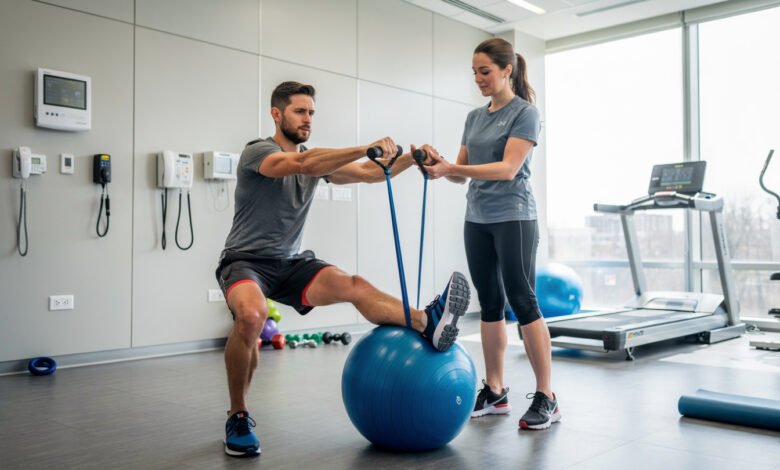
How Long Does Physical Recovery Take?. Getting hurt is the easy part. Healing from it tests your patience like almost nothing else. Whether you twisted an ankle on a trail run or you’re staring down a six-month rehab plan after surgery, the question that nags at almost everyone is the same: how much longer until I feel like myself again?
Physical recovery time depends on far more than the type of injury you have. Your age, your fitness level before the injury, your nutrition, your sleep, the quality of your rehab work, and even your stress levels all play a role. Two people with the exact same broken wrist can heal at very different speeds. Still, most injuries follow predictable healing patterns, and knowing those patterns helps you set realistic expectations and avoid the trap of pushing too hard too soon.
This guide walks you through the typical healing timelines for the most common injuries people deal with, from minor sprains that clear up in a couple of weeks to serious ligament tears and post-surgical recoveries that stretch beyond a year. You’ll also learn what slows healing down, what speeds it up, and the practical steps you can take to give your body its best shot at a strong, full recovery. None of this replaces personalized medical advice, but it gives you a clear map of what to expect at every stage.
What Determines Your Physical Recovery Time?
Before diving into specific injuries, it helps to understand why healing timelines vary so much between people. The same injury can take three weeks for one person and three months for another, and the difference usually comes down to a handful of factors.
Age is the big one. Children and teenagers heal remarkably fast because their cells divide quickly and their hormone profile favors tissue repair. By your forties and fifties, healing slows noticeably, and after sixty it slows again. Blood flow matters too. Areas with strong circulation, like muscle bellies, heal faster than areas with poor circulation, like cartilage and ligaments.
Other factors that influence physical recovery time:
- Nutrition status, especially protein, vitamin C, vitamin D, and zinc intake
- Sleep quality, since most tissue repair happens during deep sleep
- Smoking and alcohol use, both of which significantly slow healing
- Underlying conditions like diabetes, autoimmune disorders, or vascular disease
- Severity of the injury, including how much tissue was damaged
- Adherence to rehab, including following weight-bearing restrictions
- Stress levels, which affect cortisol and inflammation
You can’t change your age, but you can absolutely influence almost every other factor on this list. That’s why two people with the same diagnosis can have such different outcomes.
The Three Stages of Tissue Healing
Almost every soft tissue injury healing process moves through three overlapping stages. Knowing where you are in the process helps you understand what’s normal and what isn’t.
Stage 1: Inflammation (Days 1 to 7)
The first few days after an injury, your body floods the area with immune cells, fluid, and chemical signals. You’ll see swelling, redness, warmth, and pain. This stage is uncomfortable but absolutely necessary. Trying to suppress inflammation completely can actually delay healing, which is why doctors no longer recommend long stretches of ice or anti-inflammatory medication for most injuries.
Stage 2: Proliferation (Days 4 to 21)
Now the body starts rebuilding. New blood vessels form, collagen gets laid down, and the wound begins to close. The new tissue is fragile during this stage, which is why aggressive movement can re-injure the area. Gentle, controlled motion actually helps by guiding collagen fibers into the right alignment.
Stage 3: Remodeling (Weeks 3 to 12 months)
This is the long tail of healing. The new tissue strengthens and reorganizes itself based on the demands you place on it. This is where physical therapy and progressive loading really matter. Tissue that isn’t loaded properly during this stage stays weak, which is why so many people re-injure themselves months after they “felt fine.”
Physical Recovery Time for Sprains and Strains
Sprains (ligament injuries) and strains (muscle or tendon injuries) are the most common soft tissue injuries, and their recovery timelines depend heavily on grade.
- Grade 1 (mild): Microscopic tearing. Recovery in 1 to 3 weeks.
- Grade 2 (moderate): Partial tearing. Recovery in 3 to 6 weeks.
- Grade 3 (severe): Complete tearing. Recovery in 8 to 12 weeks, often longer with surgery.
A typical ankle sprain, the most common injury in sports and daily life, takes around 2 to 6 weeks to feel mostly normal, but full ligament strength can take up to 12 weeks to return. According to the Mayo Clinic’s overview of sprains, even mild sprains benefit from progressive movement once swelling is under control, since prolonged rest can actually weaken the joint.
Hamstring strains, which plague runners and field-sport athletes, follow a similar pattern. A grade 1 hamstring strain usually clears in 2 to 3 weeks, while a grade 2 can take 6 to 8 weeks. Grade 3 hamstring tears often require 3 to 6 months and sometimes surgery.
The trap with sprains and strains is that they feel better long before they’re actually healed. Most reinjuries happen between weeks 4 and 8 because people return to full activity once pain is gone, before the tissue has fully remodeled.
Physical Recovery Time for Bone Fractures
Bone healing is one of the most predictable processes in the body, but the timeline varies a lot by location.
Small Bones (Fingers, Toes, Ribs)
Smaller bones with good blood supply heal in roughly 4 to 6 weeks. A broken finger might be back to near-normal function in a month, though stiffness can linger longer.
Long Bones (Arms, Legs)
Larger bones take longer. A typical timeline:
- Wrist fracture (distal radius): 6 to 8 weeks in a cast, with full strength returning over 3 to 6 months
- Forearm fracture: 8 to 10 weeks for bone union, plus rehab
- Tibia or fibula fracture: 3 to 4 months for the bone, 6 to 12 months for full function
- Femur fracture: 4 to 6 months, sometimes longer
Hip Fractures
These deserve their own mention because they’re so common in older adults. Surgical repair is usually required, and full physical recovery time ranges from 4 months to a full year. Many older adults never return to their pre-fracture mobility, which is why fall prevention matters so much.
Stress Fractures
These overuse injuries from running, jumping, or repetitive loading need 6 to 8 weeks of reduced activity for the bone to remodel. Returning too early almost guarantees a complete fracture.
The American Academy of Orthopaedic Surgeons (OrthoInfo) maintains detailed patient guides for almost every fracture type, and it’s a solid reference if you want to dig into specifics for your injury.
Healing Timelines for Muscle Tears
Muscle tear recovery depends on grade and location, but muscles generally heal faster than ligaments or tendons because they have excellent blood supply.
- Grade 1 muscle strain: 1 to 2 weeks
- Grade 2 partial tear: 4 to 8 weeks
- Grade 3 complete tear (rupture): 3 to 6 months, often surgical
Common muscle tears and their typical healing times:
- Calf strain: 2 to 6 weeks for grade 1 and 2, longer for full ruptures
- Quad strain: 3 to 6 weeks
- Pec tear: 4 to 6 months if surgical
- Bicep tear (long head rupture): 6 to 12 weeks without surgery, 3 to 6 months with surgery
A key thing to remember with muscle injuries is that scar tissue forms quickly and is less elastic than original muscle fiber. Without proper stretching and loading during recovery, the area stays prone to reinjury for months.
Recovery from Ligament Injuries (ACL, MCL, and Beyond)
Ligament injuries heal slowly because ligaments have notoriously poor blood supply. Many ligament tears, especially in the knee, require surgical reconstruction.
ACL Tear Recovery
A complete ACL reconstruction recovery is one of the longest in sports medicine:
- Weeks 0 to 2: Pain control, swelling reduction, basic range of motion
- Weeks 2 to 6: Walking without crutches, strengthening
- Months 2 to 4: Light jogging, controlled agility
- Months 4 to 6: Sport-specific drills
- Months 6 to 9: Return to non-contact sport
- Months 9 to 12: Return to contact or pivoting sport
Returning before 9 months significantly increases the risk of re-tearing the new ligament. Many surgeons now recommend waiting a full 12 months for athletes in cutting sports.
MCL Tear
The MCL has better blood supply and usually heals without surgery:
- Grade 1: 1 to 3 weeks
- Grade 2: 3 to 6 weeks
- Grade 3: 6 to 12 weeks
Other Ligament Injuries
- High ankle sprain: 6 to 12 weeks (much longer than a regular ankle sprain)
- AC joint sprain (shoulder): 2 to 12 weeks depending on grade
- PCL tear: Often non-surgical, 6 to 12 weeks for return to activity
Tendon Injuries: Achilles, Rotator Cuff, and More
Tendon injuries are notoriously slow to heal, partly because of poor blood flow and partly because tendons keep getting loaded by daily activities. Tendon recovery time can stretch over many months.
Achilles Tendon
- Tendinopathy (tendinitis): 3 to 6 months of structured loading
- Partial tear: 6 to 12 weeks
- Complete rupture: 6 to 9 months for surgical repair, 9 to 12 months for non-surgical management
Rotator Cuff
- Tendinopathy: 3 to 6 months
- Partial tear: 3 to 6 months of conservative care, longer if surgical
- Full thickness tear (surgical repair): 6 to 12 months for full return to overhead activities
Patellar Tendinopathy (“Jumper’s Knee”)
This stubborn condition often takes 4 to 6 months of progressive loading exercises to resolve. There’s no quick fix, and rest alone usually doesn’t work. Eccentric and isometric loading protocols are the standard of care.
Tennis Elbow and Golfer’s Elbow
These overuse tendinopathies typically take 6 weeks to 6 months to fully resolve with proper management. Some chronic cases drag on for over a year.
Concussion Recovery: What to Expect
Concussion recovery time has been studied extensively in recent years, and the picture is more nuanced than “rest in a dark room for a week.”
For most adults, symptoms resolve within 7 to 14 days. About 10 to 20 percent of people experience post-concussion syndrome with symptoms lasting weeks to months. Children and teenagers tend to take longer to recover than adults.
The standard recovery progression looks like this:
- Days 1 to 2: Relative rest, avoiding screens and heavy cognitive load
- Days 3 to 7: Light activity that doesn’t worsen symptoms
- Week 2: Light aerobic exercise, gradual return to school or work
- Weeks 2 to 4: Sport-specific training without contact
- Week 3 onward: Return to contact sport once cleared by a doctor
Per the CDC’s HEADS UP concussion guidelines, an athlete should never return to play on the same day as a suspected concussion, and a stepwise return-to-play protocol should always be supervised by a healthcare provider. Repeated concussions before full healing dramatically increase the risk of long-term cognitive issues.
Back and Spinal Injury Recovery
Back injury recovery is one of the trickier categories because pain and tissue damage don’t always correlate well. Many people have severe back pain with minimal structural damage, while others have significant disc problems with little pain.
Acute Lower Back Strain
Most acute back strains improve significantly within 2 to 4 weeks, and 90 percent resolve within 6 weeks. Bed rest beyond a day or two actually slows recovery. Gentle movement is key.
Herniated Disc
About 60 to 90 percent of herniated discs improve without surgery within 6 to 12 weeks, though residual numbness or weakness can linger longer. Surgical recovery, when needed, takes 6 weeks to 6 months for return to normal activity.
Vertebral Fracture
Stable compression fractures usually heal in 8 to 12 weeks of bracing. Unstable fractures requiring surgery have variable recovery from 3 months to a year or more.
Whiplash
Most whiplash injuries resolve within 3 months, but about 20 to 30 percent develop chronic symptoms. Early gentle movement and avoiding prolonged immobilization in a soft collar lead to better outcomes.
Post-Surgical Recovery Timelines
Post-surgical recovery time varies enormously depending on the procedure, but here are some common benchmarks for orthopedic and general surgeries.
Orthopedic Surgery Recovery
- Knee arthroscopy (meniscus repair): 4 to 6 weeks for daily activities, 3 to 6 months for sport
- Total knee replacement: 6 weeks for basic mobility, 6 to 12 months for full strength
- Total hip replacement: 4 to 6 weeks for walking unassisted, 3 to 6 months for full recovery
- Shoulder replacement: 3 to 6 months
- Spinal fusion: 3 to 6 months for healing, up to a year for full recovery
- Carpal tunnel release: 2 to 6 weeks
General Surgery Recovery
- Laparoscopic appendectomy: 1 to 3 weeks
- Open abdominal surgery: 4 to 6 weeks for basic recovery, 3 months for full healing
- C-section: 6 to 8 weeks
- Open heart surgery: 6 to 12 weeks for healing, 3 to 6 months for full recovery
- Hernia repair (laparoscopic): 1 to 2 weeks; open repair takes 4 to 6 weeks
The big mistake people make after surgery is mistaking the absence of pain for full healing. Internal tissues continue remodeling for months after the surface incision looks fine. Lifting restrictions exist for good reason.
Burn Recovery Timelines
Burn healing times depend entirely on degree.
- First-degree burn (superficial): 3 to 6 days, no scarring
- Second-degree burn (partial thickness): 2 to 3 weeks for superficial, up to 6 weeks for deep partial thickness
- Third-degree burn (full thickness): Months to over a year, often requires skin grafting and ongoing rehab
- Fourth-degree burn: Extensive recovery measured in many months, often with permanent functional changes
Burn recovery is uniquely complicated because healed skin is more fragile than original skin and can develop tight scar tissue (contractures) that limit movement. Physical therapy is critical for any burn beyond first-degree to prevent loss of range of motion.
Factors That Slow Down Physical Recovery
Even with the best care, some factors will lengthen your injury recovery time. Knowing what hurts your healing helps you control what you can.
Lifestyle Factors That Delay Healing
- Smoking can double or triple healing time for fractures and surgical wounds
- Heavy alcohol use suppresses the immune system and disrupts sleep
- Poor sleep (less than 6 hours per night) reduces growth hormone and tissue repair
- High stress raises cortisol, which interferes with inflammation and repair
- Sedentary behavior reduces blood flow and weakens tissue
- Inadequate protein intake starves the body of building blocks for repair
Medical Factors
- Diabetes impairs wound healing and increases infection risk
- Autoimmune conditions can prolong inflammation
- Vascular disease reduces blood flow to injured tissue
- Certain medications, including long-term steroids and some chemotherapy drugs
- Nutritional deficiencies, especially vitamin D, vitamin C, zinc, and protein
- Older age, simply because cellular repair slows down
Behavioral Factors
- Doing too much too soon and re-injuring tissue
- Doing too little and letting muscles atrophy
- Skipping physical therapy appointments or home exercises
- Ignoring warning signs like increased swelling or sharp new pain
How to Support Faster Physical Recovery
You can’t rush biology, but you can make sure your body has everything it needs to heal at its natural maximum speed. Here’s what actually works, according to the research.
Nutrition for Healing
Aim for adequate protein (around 1.2 to 1.6 grams per kilogram of body weight per day for an injured adult), plenty of colorful vegetables for antioxidants, and adequate calories. Undereating during recovery is a common mistake. Your body needs fuel to rebuild tissue.
Specific nutrients that support tissue repair:
- Protein: Provides amino acids for collagen and muscle synthesis
- Vitamin C: Required for collagen formation
- Vitamin D: Supports bone healing and immune function
- Zinc: Critical for wound healing
- Omega-3 fatty acids: Help regulate inflammation
- Calcium: Essential for bone repair
Sleep and Stress Management
Most growth hormone release and tissue repair happens during deep sleep. Aim for 7 to 9 hours per night. If pain disrupts your sleep, talk to your doctor about positioning, pillows, or short-term sleep aids. Chronic stress elevates cortisol and slows healing, so stress management techniques like breathing exercises or short walks can genuinely help.
Movement and Loading
This is where most people get it wrong. Healing tissue needs progressive loading to remodel correctly. Total rest beyond the first few days actually weakens tissue and slows recovery. The goal is the right amount of movement at the right time, which is exactly what a good physical therapist provides.
Other Evidence-Based Strategies
- Show up to physical therapy and do your home exercises consistently
- Manage swelling early with elevation and gentle compression
- Stay hydrated, since tissues need water to repair
- Avoid smoking entirely during recovery
- Limit alcohol to occasional moderate amounts
- Communicate with your medical team about any setbacks
When to See a Doctor
Most minor injuries heal on their own with time and basic care, but some warning signs mean you should get professional evaluation rather than waiting it out.
See a doctor promptly if you experience:
- Inability to bear weight on an injured leg or use an injured arm
- Visible deformity or a joint that looks out of place
- Numbness or tingling that doesn’t resolve quickly
- Severe swelling that doesn’t improve in 48 hours
- Pain that worsens rather than improves over several days
- Fever, which can suggest infection
- A pop or snap at the moment of injury, especially in a joint
- Any head injury with confusion, vomiting, or memory problems
- Back or neck pain with weakness, numbness, or loss of bladder control
- Wound that won’t stop bleeding or shows signs of infection
For ongoing recovery, check in with your doctor or physical therapist if your healing timeline seems to be stalling, if you develop new symptoms, or if you’re not making the progress you’d expect for your injury.
Frequently Asked Questions About Physical Recovery Time
How long does soft tissue take to heal completely?
Most soft tissue injuries reach a functional level of healing in 6 to 12 weeks, but full tissue remodeling can continue for up to a year. The tissue may feel normal long before it actually regains full strength and resilience.
Does ice or heat speed up recovery?
Current evidence suggests neither dramatically speeds healing on its own. Ice can help with pain and swelling in the first 48 hours, while heat can ease muscle tension and stiffness later in recovery. Movement and progressive loading do far more for physical recovery time than either temperature treatment.
Why does my injury still hurt after months?
Persistent pain after expected healing timelines can have several causes: incomplete tissue healing, scar tissue restrictions, weakness in surrounding muscles, nerve sensitization, or psychological factors. A physical therapist or pain specialist can help identify what’s going on.
Can I exercise during recovery?
Almost always, yes, but the exercise has to be appropriate for your stage of healing. You can usually train other body parts even when one area is injured. Cardiovascular exercise (in forms that don’t stress the injury) helps maintain fitness and supports healing through better circulation.
Why do older people heal more slowly?
Cellular division slows with age, hormone levels drop, blood flow decreases, and underlying conditions become more common. None of this means older adults can’t recover well. They just need more time and consistent rehab effort to get there.
Does my mental state affect physical healing?
Yes, more than most people realize. Chronic stress, depression, and poor sleep all slow healing through hormonal and immune system effects. Optimism and a sense of agency in your recovery have been linked to better outcomes in research on post-surgical patients.
Conclusion
Physical recovery time is rarely as fast as we want it to be, and it’s almost never linear. The pattern that holds across nearly every injury is this: tissue heals through predictable stages, you can support the process through smart nutrition, sleep, and progressive loading, and you can sabotage it through smoking, poor sleep, inadequate rehab, or returning to full activity too soon. Your age, fitness, and overall health set the baseline, but your daily choices during recovery determine whether you heal toward your potential or fall short of it.
Sprains and minor strains can clear up in a couple of weeks, while serious ligament reconstructions, fractures, and post-surgical recoveries can take a year or more to feel truly complete. Be patient with the process, follow your medical team’s guidance, and trust that consistent small efforts add up to a strong, durable recovery.