ACL Recovery Timeline: Month-by-Month Physical Therapy Guide
Your complete ACL recovery timeline with month-by-month physical therapy guidance, milestones, exercises, and safe return-to-sport tips inside.
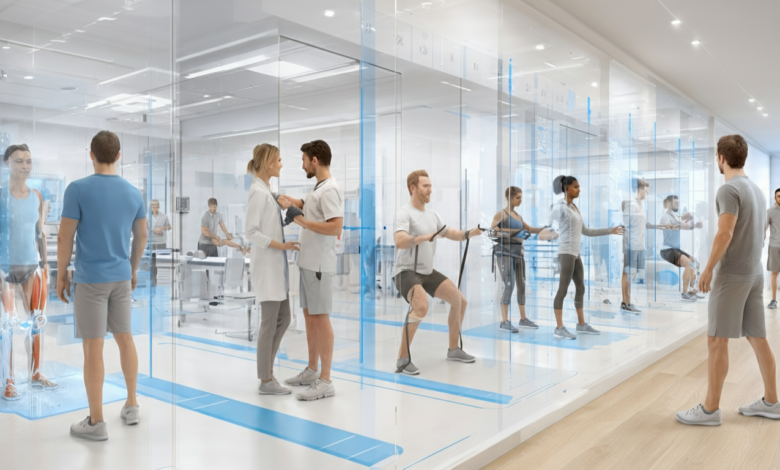
Tearing your ACL feels like the floor dropping out from under you, especially if you’re an athlete or just someone who loves staying active. The good news is that ACL reconstruction has a well-mapped recovery path, and modern physical therapy can get most people back to full activity within 9 to 12 months. The bad news is that there are no real shortcuts. Your body needs time to heal, your graft needs time to integrate, and your muscles need to relearn how to protect your knee.
This ACL recovery timeline breaks down what to expect each month, from the day after surgery through your return to sport. I’ve organized it the way a good physical therapist would, focusing on what your knee should be doing at each stage, which exercises tend to help, and the warning signs that mean you should slow down.
Whether you had a patellar tendon graft, hamstring graft, quadriceps tendon graft, or allograft, the broad ACL surgery recovery timeline looks fairly similar. Your surgeon and physical therapist will personalize the details based on your specific procedure, any meniscus repair, and how your knee responds along the way. Use this guide as a roadmap, not a strict prescription, and always defer to your medical team.
What Is the ACL and Why Recovery Takes So Long
The anterior cruciate ligament (ACL) is one of the four main ligaments that hold your knee together. It runs diagonally through the middle of the joint and stops your shin bone from sliding too far forward, while keeping your knee from twisting under load. When it tears, the knee loses that rotational stability, which is why pivoting sports become almost impossible without surgery.
ACL reconstruction doesn’t actually repair the torn ligament. Surgeons replace it with a graft, usually taken from your own patellar tendon, hamstring, or quadriceps tendon, or from a donor (allograft). That new ligament has to go through a process called ligamentization, where your body slowly transforms the graft tissue into something that behaves like a real ACL. This biological remodeling takes roughly 9 to 12 months, and during much of that time the graft is actually weaker than it was right after surgery.
That’s the part most people don’t realize. Just because your knee feels great at month four doesn’t mean it’s structurally ready for cutting and pivoting. The ACL recovery timeline isn’t about pain levels or how strong you feel. It’s about giving the graft enough time to mature while rebuilding the muscles, balance, and movement patterns that keep your knee safe.
Phase 1: Prehab (Before Surgery)
If you have a few weeks between your injury and your surgery date, use them. Patients who go into surgery with a calm knee and strong quadriceps tend to recover faster.
Goals of Prehab
- Reduce swelling and inflammation
- Restore full range of motion, especially extension
- Strengthen the quadriceps, hamstrings, and glutes
- Practice using crutches and a normal walking gait
Common Prehab Exercises
- Quad sets and straight leg raises
- Heel slides for knee flexion
- Stationary biking with low resistance
- Glute bridges and clamshells
- Calf raises
Surgeons sometimes delay surgery if the knee is too swollen or stiff, because operating on an angry knee leads to slower recovery and a higher chance of arthrofibrosis (scar tissue stiffness). Two to four weeks of focused prehab can make a real difference in your ACL surgery recovery.
Month 1: Weeks 0 to 4 (Acute Recovery)
The first month after ACL surgery is mostly about damage control. Your knee will be swollen, bruised, and sore, and your quad will basically refuse to fire. This is normal and expected. Quadriceps shutdown after surgery happens to nearly everyone, and waking that muscle back up is the single most important task of early rehab.
Week 1: Survival Mode
- Use crutches for walking and a brace if prescribed
- Ice the knee for 15 to 20 minutes every couple of hours
- Elevate the leg above heart level whenever possible
- Begin gentle ankle pumps and quad sets
- Start passive knee extension by propping the heel on a rolled towel
The big goal in week one is full extension. Losing extension early on is much harder to fix later, so even though it’s uncomfortable, you need to get that knee straight.
Weeks 2 to 4: Foundations
- Wean off crutches as your gait normalizes
- Aim for 90 to 120 degrees of knee flexion by week four
- Begin closed-chain exercises like mini squats and step-ups
- Add stationary biking once you have enough flexion (around 110 degrees)
- Work on patellar mobility (gentle kneecap glides)
By the end of month one, you should be walking without crutches, have nearly full extension, and be able to do a straight leg raise without your knee dropping. If you’re behind on any of these, talk to your physical therapist before pushing forward.
Month 2: Early Strengthening
Month two is where things start to feel more like real rehab. The acute swelling has gone down, your incisions are healing, and you can finally sleep through the night again. Now the focus of physical therapy after ACL surgery shifts to rebuilding strength and getting your gait back to normal.
Key Goals for Month 2
- Full knee extension matching the other leg
- Knee flexion of at least 125 to 130 degrees
- Normal walking pattern without a limp
- Single-leg balance on the surgical side
Effective Exercises for Month Two
- Mini squats (0 to 60 degrees only)
- Leg press with light weight, avoiding deep knee bend
- Step-ups onto a 4-inch box
- Stationary cycling for 20 to 30 minutes
- Hamstring curls (be cautious if you had a hamstring graft)
- Hip abduction and adduction exercises
- Calf raises and toe raises
- Pool walking if available
This is also when most people get cleared to drive, assuming the surgery was on the right knee and you can perform an emergency stop without pain. Always confirm with your surgeon before getting behind the wheel.
A common pitfall in month two is doing too much too soon. The knee feels better, you start adding weight to the leg press, and suddenly the swelling is back. Swelling is your knee telling you to back off. Listen to it.
Month 3: Building Strength and Stability
By month three, you should look pretty normal walking around. Friends might assume you’re fully healed. You’re not, but progress feels real. ACL rehabilitation during this phase shifts toward more challenging strength work and the introduction of basic agility patterns.
Month 3 Milestones
- Quadriceps strength at 70 to 80 percent of the non-surgical leg
- Comfortable squatting to 90 degrees
- Able to perform a single-leg bridge with good control
- No swelling after exercise sessions
Recommended Exercises
- Bulgarian split squats (light weight)
- Lateral step-downs from a low box
- Romanian deadlifts with proper form
- Single-leg leg press
- Bosu ball balance training
- Forward and lateral lunges
- Elliptical trainer
- Light rowing machine
Your physical therapist may also start basic plyometric prep work, things like double-leg jumps onto a low box and quick squats. These prepare the tendons and nervous system for the more dynamic work coming up. Don’t skip this if your PT introduces it. Plyometric loading is what teaches the muscles around the knee to absorb force again.
Months 4 and 5: Strength, Power, and Early Agility
This is the meat of the rehab process. Most ACL graft remodeling research shows the graft is at its weakest around 6 to 12 weeks post-op and starts gaining strength again from month four onward. That’s why we save the harder work for now. According to guidelines from the American Academy of Orthopaedic Surgeons, structured progression through these stages is critical for safe return to function.
Goals for Months 4 to 5
- Quadriceps strength at 85 percent of the other leg
- Ability to single-leg squat to 60 degrees with control
- Comfortable jogging in place or on a treadmill
- Begin bilateral plyometrics
Exercise Progressions
- Box jumps (low to moderate height)
- Tuck jumps and broad jumps
- Skater hops
- Heavier strength work like back squats and deadlifts
- Sled pushes and pulls
- Single-leg landings from a low box
- Cutting and shuffling drills (slow speed)
A lot of people are eager to start running at month four. Some surgeons green-light this; others want you to wait until month five. The standard test is whether you can hop on the surgical leg ten times without pain and pass certain strength benchmarks. If you can’t, keep building. Running too soon on a knee that isn’t ready is a fast track to setbacks like patellar tendinitis or anterior knee pain.
Month 6: The Running Phase and Sport Re-Introduction
Six months is a big psychological milestone. Many people get cleared to run, jump, and even start light sport-specific training during this month. That said, the ACL recovery timeline at six months still puts you below 80 percent of your old performance for most pivoting and cutting tasks.
Common Tests at Month 6
- Single-leg hop test (compared to other leg)
- Triple hop for distance
- Crossover hop
- Y-balance test
- Isokinetic strength testing if available
Most physical therapists want to see at least 90 percent symmetry on these tests before clearing return to sport. Symmetry under 85 percent has been linked to higher reinjury rates in published research.
Six-Month Training Focus
- Running progression (start with intervals, build to 20 to 30 minutes)
- Lateral cutting drills at 50 to 75 percent speed
- Sport-specific footwork patterns
- Heavy compound lifting (squats, deadlifts, lunges)
- Continued plyometrics with focus on landing mechanics
- Reactive agility work
This is also when many athletes start practicing sport-specific drills without contact. A soccer player might do passing drills and light dribbling. A basketball player might do shooting and footwork. Contact sports remain off-limits until the knee passes more advanced testing.
Months 7 to 9: Sport-Specific Training
The seventh through ninth month of ACL rehabilitation is where you bridge the gap between rehab and full athletic performance. Your knee feels strong, your strength tests are mostly even, and you’re itching to get back. This is also the period where many reinjuries happen because confidence outpaces actual readiness.
What to Work On
- Full-speed running and sprinting
- Cutting at 80 to 100 percent speed
- Jump training with deceleration emphasis
- Sport-specific scrimmage situations without contact
- Reaction-based drills
- Endurance work matching your sport’s demands
Strength Benchmarks by Month 9
- Quadriceps strength at 95 to 100 percent of the other leg
- Hamstring strength at 100 percent
- Hop test symmetry above 90 percent
- Confident landing mechanics under fatigue
The hardest part of this phase is patience. You feel ready, but the graft is still maturing. Research from the American Physical Therapy Association and other sports medicine bodies consistently shows that returning before nine months roughly doubles the risk of a second ACL injury. Waiting that extra month or two is genuinely worth it.
This is also when many programs introduce the idea of contact training. A football player might start non-contact practice. A wrestler might do positioning drills. Full live contact usually waits until formal return-to-sport clearance.
Months 10 to 12: Return to Sport and Beyond
The final stretch of the ACL recovery timeline is about making sure the knee can handle the chaos of real competition. Drills are predictable. Games are not. Players have to react to opponents, change direction without thinking, and absorb hits or awkward landings. Your knee needs to be ready for all of it.
Return-to-Sport Criteria
Most evidence-based programs use a battery of tests before clearing full return:
- Quadriceps and hamstring strength symmetry above 90 percent
- Hop test symmetry above 90 percent across multiple hop types
- Demonstrated good landing mechanics on video analysis
- Psychological readiness (often tested with the ACL-RSI questionnaire)
- Successful completion of full-speed sport-specific drills
- No swelling or pain after high-intensity sessions
What Year One and Beyond Looks Like
- Continue strength training two to three times per week indefinitely
- Maintain neuromuscular and balance work
- Wear a brace if recommended (mostly psychological for many athletes)
- Keep up cardiovascular fitness to support knee health
- Schedule check-ins with your physical therapist or surgeon
Even after you return, the knee isn’t a finished project. The graft continues to mature for up to two years. Your reinjury risk stays elevated for the first one to two years post-return. Smart athletes keep doing prevention work, like single-leg balance exercises, plyometric drills, and hamstring strengthening, for the rest of their careers. The athletes who get a second ACL injury are usually the ones who stop doing what got them back the first time.
Common Mistakes That Slow ACL Recovery
Working with patients through their ACL surgery recovery, certain mistakes show up over and over. Avoiding them can shave weeks off your timeline.
Skipping Physical Therapy Sessions
The biggest predictor of a smooth recovery is consistency. People who go to PT twice a week for six months tend to do better than people who do it for three months and try to finish on their own. Even if you feel great, those later sessions catch the small movement compensations that lead to long-term problems.
Neglecting the Other Leg
Your non-surgical leg starts losing strength too once you stop using it normally. Train both legs throughout your recovery so you have an accurate baseline for comparison.
Returning to Sport on Time Instead of on Readiness
The calendar doesn’t decide when you’re ready. Strength tests, hop tests, and movement quality decide. A knee that’s six months out but only at 70 percent strength is not ready, no matter what the timeline says.
Ignoring Mental Recovery
Fear of reinjury is real and normal. Athletes who don’t address it sometimes hold back unconsciously, which actually increases injury risk because they move stiffly. Working with a sports psychologist or just being honest with your PT about how you feel can make a huge difference.
Doing Too Much Outside of PT
Some people add their own running and lifting on top of their PT plan. This sometimes works, but more often it causes swelling, sets you back, and frustrates everyone. Trust the plan.
Nutrition and Sleep During ACL Recovery
Recovery isn’t just exercise. Your body is rebuilding tissue, and it needs the right inputs.
Nutrition Basics
- Adequate protein (around 1.6 to 2.2 grams per kilogram of body weight)
- Plenty of vitamin C and zinc for collagen synthesis
- Omega-3 fatty acids to help manage inflammation
- Hydration, especially around exercise sessions
- Limited alcohol, which slows healing
Sleep
- Aim for 8 to 9 hours per night during the first three months
- Most tissue repair happens during deep sleep
- Use pillows to keep the leg elevated during early recovery
These aren’t glamorous topics, but they matter. Two patients with identical surgeries and PT programs can have very different recoveries based on whether they’re sleeping seven hours a night or four.
When to Worry: Warning Signs During Recovery
Most ACL recoveries are uneventful in terms of complications, but a few signs deserve a same-day call to your surgeon.
- Sudden, severe knee swelling
- Fever above 101°F (38.3°C) or chills
- Calf pain or unusual swelling, which can indicate a blood clot
- Numbness or color changes in the foot
- A specific pop or shift followed by buckling
- Wound drainage, redness, or warmth
- Loss of motion that was previously gained
Setbacks happen. A flare-up after pushing too hard isn’t usually an emergency, but a sudden, sharp change in the knee’s behavior usually deserves attention.
How Different ACL Grafts Affect the Recovery Timeline
The type of graft you have can change some of the details of your ACL recovery timeline.
Patellar Tendon (BTB) Graft
- Often considered the gold standard for athletes
- More anterior knee pain in early months
- Quad strength returns faster than with hamstring grafts
Hamstring Graft
- Less anterior knee pain
- Hamstring strength may take longer to return
- Often preferred for non-pivoting athletes
Quadriceps Tendon Graft
- Growing in popularity
- Less harvest site pain than patellar tendon
- Some quadriceps weakness early on
Allograft (Donor Tissue)
- No harvest site pain at all
- Slower graft incorporation
- Higher reinjury risk in young, active athletes
- More common in older or less active patients
Your surgeon picks the graft based on your age, sport, and previous knee history. Whichever you have, the broad recovery timeline is similar, but talk to your physical therapist about specific exercises to avoid early on.
Tips for a Faster, Smoother ACL Recovery
After all this, here are the things that genuinely make the biggest difference.
- Show up to physical therapy consistently for the full duration
- Hit your home exercise program as if it were a job
- Manage your weight and nutrition through the slow early months
- Don’t compare your recovery to anyone else’s online
- Be patient about running and sport return
- Track your progress with measurable benchmarks, not feelings
- Keep training the rest of your body throughout
- Get enough sleep
- Communicate openly with your medical team
- Remember that this is a year-long project
The patients who do well aren’t the ones with the cleanest surgeries or the youngest knees. They’re the ones who treat the whole process seriously from day one to month twelve.
Conclusion
A successful ACL recovery timeline comes down to respecting the biology of healing while working hard at every stage of physical therapy. The first month is about reducing swelling and waking up the quadriceps, months two and three rebuild basic strength and gait, months four through six bring back power and the ability to run, and months seven through twelve are about returning to sport with a knee that’s actually ready, not just one that feels ready.
Skipping steps almost always leads to setbacks, and the difference between a strong long-term outcome and a second injury usually comes down to patience, consistency, and trusting your physical therapist. Use this guide as a roadmap, talk to your medical team often, and give your knee the year it needs to come back stronger than before.