The Science Behind Addiction Recovery: What Research Shows
Discover the proven science behind addiction recovery. Explore 9 powerful research findings on brain healing, treatment, and what drives lasting sobriety.
The science behind addiction recovery has come a long way from the days when substance use was dismissed as a moral failing or a simple lack of willpower. Today, decades of neuroscience, psychology, and clinical research have fundamentally changed how we understand what addiction is, what happens in the brain during recovery, and which treatments actually work.
And yet, the gap between what science knows and what the public believes remains surprisingly wide.
Addiction is now recognized as a chronic brain disorder, not a character flaw. The National Institute on Drug Abuse (NIDA) defines it as a complex condition involving compulsive substance use despite harmful consequences, driven by lasting changes in brain structure and function. This shift in understanding is not just academic. It has real, life-saving implications for how we treat people and how we build recovery programs.
This article explores what current research tells us about the neuroscience of addiction, the biology of recovery, the most effective evidence-based treatments, and the exciting new frontiers that could transform how millions of people heal. Whether you’re personally navigating substance use disorder, supporting a loved one, or simply trying to understand the science, this guide is built on the latest and most credible research available.
What follows is not a list of platitudes. It is an honest, research-driven look at how the brain breaks down under addiction, how it heals, and what gives people the best shot at lasting recovery.
The Science Behind Addiction Recovery Starts in the Brain
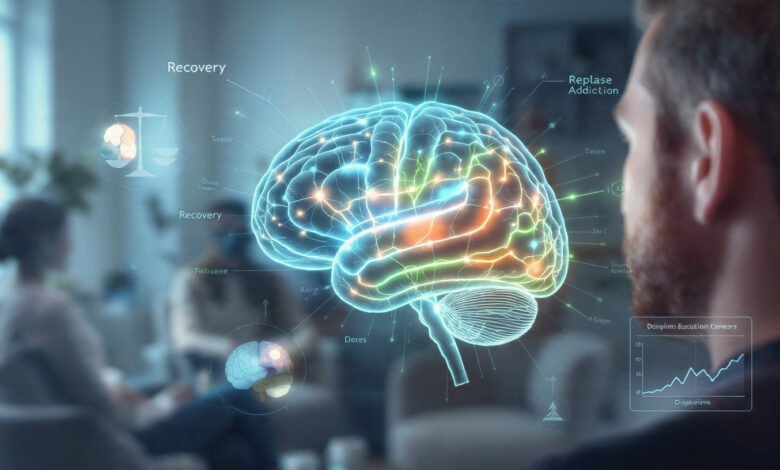
Before you can understand recovery, you have to understand what addiction actually does to the brain. The two are inseparable. Addiction recovery is, at its core, a neurological process, and the research reflects that clearly.
How Dopamine Hijacks the Brain’s Reward System
For a long time, dopamine was called the “pleasure molecule.” The story went like this: drugs flood the brain with dopamine, which feels good, and people keep chasing that feeling. Simple enough.
Except that’s not quite right.
Recent research from Vanderbilt University’s Center for Addiction Research, led by neuroscientist Erin Calipari, has challenged that simplified view. Calipari’s work shows that dopamine doesn’t just respond to pleasure. It responds to anything important in the environment and helps the brain learn. When you put your hand on a hot stove, dopamine spikes too. The molecule is less about pleasure and more about significance and reinforcement.
This matters enormously for recovery. When someone uses drugs repeatedly, the brain’s dopamine system learns to associate drug-taking with survival-level importance. The prefrontal cortex, the part of the brain responsible for decision-making, impulse control, and long-term thinking, gets overridden by the deeper, more primitive reward circuits. This is why people struggling with addiction often know intellectually that the drug is destroying their life and still cannot stop.
When drugs are removed, dopamine levels drop dramatically. That plunge makes it incredibly hard to feel pleasure from normal activities, making the early stages of recovery some of the most psychologically brutal. The brain has, in essence, lost its ability to generate normal reward signals, and relearning how to do that takes time and the right support.
Neuroplasticity Is the Scientific Basis of Hope
Here is the genuinely hopeful part of the neuroscience: the brain is far more adaptable than we once thought. Neuroplasticity, the brain’s ability to reorganize, build new connections, and heal itself, is the biological foundation of recovery.
Brain imaging studies published by NIDA have shown that the density of dopamine transporters, essentially a marker of how well the brain’s reward system is functioning, can recover significantly after extended periods of abstinence. In one now-famous imaging study on methamphetamine users, the brain showed remarkable restoration of dopamine transporter density after 14 months of sobriety. It is not a complete fix, and the timeline varies, but the brain does repair.
This is why time matters in recovery. It is also why early relapse, while not a treatment failure, can feel so devastating: the brain hasn’t had enough time to rebuild its normal chemistry.
The Stages of Recovery: A Biological and Psychological Timeline
Addiction recovery does not happen in a straight line. Research has helped identify distinct phases, each with its own neurological and psychological challenges.
The Critical Early Window: Withdrawal and the First Days of Abstinence
The first days and weeks of stopping a substance are often the hardest. During this period, the body goes through withdrawal, a physical and psychological response to the sudden absence of a drug the brain has adapted to.
Symptoms vary wildly depending on the substance. Opioid withdrawal involves intense anxiety, muscle pain, nausea, and insomnia. Alcohol withdrawal can be medically dangerous, causing seizures in severe cases. Stimulant withdrawal tends to cause profound fatigue and depression.
Research from Vanderbilt University found something particularly important about this window: if anxiety and depression-like symptoms develop in the first few days of abstinence, early intervention during this period can prevent these symptoms from becoming entrenched. That makes the first few days a critical and medically significant window, not just a “tough stretch” to push through alone.
Post-Acute Withdrawal and the Long Road to Neural Recovery
After the acute phase, many people experience what’s often called post-acute withdrawal syndrome (PAWS), a prolonged period of mood swings, sleep disruption, cognitive fog, and reduced ability to feel pleasure. This phase can last months and is one of the leading drivers of relapse that most people don’t see coming.
Understanding PAWS as a neurological phenomenon, not a psychological weakness, helps people stay in recovery when they hit those low points. It also underscores the importance of long-term support structures rather than short, intensive treatment followed by nothing.
Evidence-Based Treatments That Research Supports
Not all treatments are created equal. The science of addiction recovery has produced a clear picture of what works, and it is more nuanced than most people realize.
Medication-Assisted Treatment (MAT): The Most Underused Tool in Recovery
Medication-assisted treatment (MAT) combines FDA-approved medications with counseling and behavioral therapies. For opioid use disorder, three medications have the strongest evidence base:
- Buprenorphine (Suboxone) reduces cravings and withdrawal symptoms without producing a full opioid high, allowing people to function normally
- Methadone is a longer-acting opioid used in supervised clinical settings and has decades of research behind it
- Naltrexone (Vivitrol) blocks the euphoric effects of opioids entirely, making relapse less rewarding
A major comparative study reviewed by NIDA found that methadone was superior in keeping patients engaged in treatment longer, while buprenorphine offered better access and flexibility. Both are dramatically more effective than abstinence-only approaches for opioid use disorder.
For alcohol use disorder (AUD), three FDA-approved medications exist: disulfiram (Antabuse), naltrexone, and acamprosate. Acamprosate in particular helps reduce the brain hyperexcitability that comes with alcohol withdrawal, easing the neurological burden of early sobriety.
Despite the strong evidence, MAT remains dramatically underused, largely due to stigma and the persistent belief that using medication in recovery is “not real recovery.” Research simply does not support that view.
Cognitive Behavioral Therapy: Rewiring Thought Patterns
Cognitive behavioral therapy (CBT) is one of the best-researched psychological treatments for substance use disorder. It works by helping people identify and change the thought patterns and behaviors that lead to drug or alcohol use.
The core idea is straightforward: situations and emotions trigger automatic thoughts, which drive behaviors. CBT teaches people to recognize those triggers, challenge distorted thinking, and build healthier responses. It is structured, skills-based, and measurable, which is part of why the research on it is so strong.
NIDA has identified CBT as an evidence-based treatment for a wide range of substance use disorders, including cocaine, marijuana, alcohol, and opioids. Multiple randomized controlled trials have shown that patients who receive CBT show better long-term outcomes than those who don’t, including lower relapse rates and better overall mental health.
Mindfulness-Oriented Recovery Enhancement (MORE): A Promising Newer Approach
One of the more exciting developments in addiction treatment over the past decade is Mindfulness-Oriented Recovery Enhancement (MORE), a structured program that combines mindfulness training, cognitive-behavioral therapy, and positive psychology.
Research published by ScienceDaily in 2025 found that MORE can help rewire the brain’s response to natural, healthy pleasure. This is significant because one of the hardest parts of recovery is the anhedonia, the inability to feel real joy, that comes with early sobriety. MORE appears to help people gradually reconnect with genuine sources of meaning and pleasure, making sobriety feel less like deprivation and more like a foundation for a better life.
The approach also builds emotional regulation and stress tolerance, two skills that are critically weak in people with addiction histories and that serve as major relapse triggers when they’re absent.
Genetics, Environment, and the Science of Who Gets Addicted (and Who Recovers)
Recovery does not happen in a vacuum. Research increasingly shows that genetics, early life experiences, and environmental factors all play major roles in both vulnerability to addiction and the ability to recover from it.
What Genetics Actually Tell Us About Addiction Risk
Studies estimate that genetic factors account for roughly 40 to 60 percent of a person’s risk for developing substance use disorder. A major collaborative study between UC San Diego and 23andMe, published in 2025, identified specific genes, including CADM2 and GRM3, linked to cannabis use behaviors and connected them to more than 100 traits across mental and physical health.
This does not mean people with a family history of addiction are destined to struggle. It means their risk is elevated and that personalized treatment approaches are particularly important. It also means that self-blame is not only unhelpful, it is scientifically unfounded.
Genetics also influence how people respond to treatment. Some individuals metabolize medications differently. Some have genetic variants that affect dopamine signaling in ways that make certain therapies more effective than others. The emerging field of pharmacogenomics, using genetic information to guide treatment decisions, holds real promise for personalizing addiction care.
The Role of Childhood Trauma in Addiction and Recovery
The connection between early trauma and substance use disorder is one of the most replicated findings in addiction research. A study published in 2025 found that childhood trauma significantly increases the likelihood of engaging in harmful alcohol consumption, smoking, and illicit drug use by adolescence.
Trauma changes the developing brain, particularly the stress response systems. People who experience early abuse, neglect, or chaotic environments often develop hyperactive stress circuitry, which means ordinary stressors feel amplified and overwhelming. Substances can become a way of managing this chronic internal dysregulation.
Effective addiction recovery for people with trauma histories often requires addressing both simultaneously. Trauma-informed care is not a luxury add-on. For many people, it is essential infrastructure.
The Science of Relapse: It Is Not What Most People Think
Relapse is one of the most misunderstood aspects of addiction recovery. Popular culture tends to treat it as a failure, a sign that someone didn’t want it badly enough. The science tells a very different story.
Relapse Rates and What They Actually Mean
Relapse rates for substance use disorder range from 40 to 60 percent, according to NIDA, which is similar to relapse rates for other chronic conditions like hypertension and asthma. When someone’s blood pressure spikes again after months of management, we don’t say the treatment failed or the patient didn’t try hard enough. We adjust the treatment plan.
The same logic applies to addiction relapse. It signals that the current approach needs to be modified, not that recovery is impossible.
Identifying the Most Common Relapse Triggers
Research has consistently identified the most powerful relapse triggers:
- Stress – Both acute stressors and chronic life pressure activate the same neural circuits that drove drug-seeking
- Environmental cues – People, places, and objects associated with past use can trigger powerful cravings through conditioned learning
- Negative emotional states – Anxiety, depression, loneliness, and boredom are among the most frequently cited precursors to relapse
- Positive emotional states – Celebration and overconfidence can also lower inhibitions in ways that increase risk
- Physical discomfort – Chronic pain, poor sleep, and fatigue weaken the prefrontal control that helps people resist cravings
Understanding these triggers is not just academic. Building concrete plans for managing each one is an active part of evidence-based relapse prevention programs.
Emerging Research That Could Reshape Addiction Recovery
The science of addiction recovery is not standing still. Several developments from the past few years are worth paying close attention to.
GLP-1 Medications: An Unexpected Breakthrough
One of the most surprising recent developments involves GLP-1 receptor agonists, a class of medications originally developed to treat type 2 diabetes and obesity. Drugs like semaglutide (the active ingredient in Ozempic and Wegovy) have shown promising early results in reducing cravings for alcohol, opioids, nicotine, and even cocaine.
The likely mechanism involves these drugs’ influence on dopaminergic pathways in the brain, the same circuits central to addiction. A 2024 study published in Nature Metabolism found that rats treated with semaglutide showed significantly reduced alcohol-seeking behavior. Human trials are still in early stages, but results have been encouraging.
As reported in recent addiction medicine news, GLP-1 drugs have shown reductions in alcohol intake, opioid seeking, and nicotine use in early trials. This could represent a genuinely new class of addiction treatment, one that works through a different biological mechanism than anything currently available.
Transcranial Magnetic Stimulation (TMS) for Addiction
Transcranial magnetic stimulation (TMS) uses magnetic fields to stimulate specific areas of the brain from outside the skull. Originally developed for treatment-resistant depression, TMS is now being studied as a tool for addiction recovery, particularly for people who also have co-occurring depression and anxiety, a very common clinical picture.
TMS targets the prefrontal cortex, which is one of the areas most impaired by long-term substance use. Early research suggests it may help restore executive function, reduce cravings, and improve mood simultaneously. It remains experimental in addiction care, but the rationale is scientifically sound and the preliminary data is promising.
The Social Science of Recovery: Why Connection Is Not Optional
Neuroscience tells part of the recovery story. Social science tells another crucial part.
Social Support Is a Proven Recovery Factor
Research published in Scientific Reports found that perceived social support was one of the strongest predictors of reduced relapse frequency in people enrolled in substance use disorder recovery programs. The same study found that experiencing closeness with others was directly associated with positive emotional states, which in turn predicted better recovery outcomes.
This is not just a warm and fuzzy finding. It reflects real neurobiological mechanisms. Social connection activates reward circuits, produces oxytocin, and helps regulate the stress response. In other words, relationships literally heal the same brain systems that addiction damages.
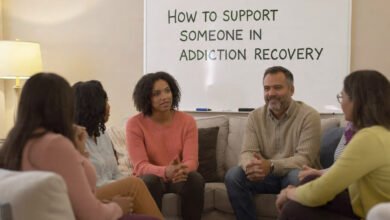
This is why peer support programs, 12-step communities, SMART Recovery, and similar social frameworks have real evidence behind them. They work not because of any particular spiritual principle but because human connection is neurologically therapeutic.
The Importance of Meaningful Activity and Purpose
Research on long-term recovery consistently highlights the role of meaningful activity, work, creative pursuits, caregiving, spirituality, community involvement, in sustaining sobriety. These activities provide the natural dopamine and serotonin hits that replace the artificial stimulation of substances.
They also build what addiction researchers call recovery capital: the sum of internal and external resources a person has to initiate and sustain recovery. Higher recovery capital consistently predicts better outcomes, and it is something that can be actively built.
What Integrated, Whole-Person Treatment Looks Like
The clearest message from decades of addiction science is that no single intervention works for everyone. The most effective substance use disorder treatment programs combine multiple approaches and treat the whole person.
According to NIDA’s treatment and recovery guidelines, effective treatment should:
- Address co-occurring mental health conditions, which are present in the majority of people with substance use disorders
- Combine medication with behavioral therapies rather than relying on either alone
- Be long enough to create lasting change, typically at minimum 90 days for residential or intensive programs
- Be tailored to the individual, accounting for their substance use history, mental health, trauma background, social support, and cultural context
- Include relapse prevention planning as a core component, not an afterthought
For further reading, SAMHSA’s Evidence-Based Practices Resource Center is one of the most comprehensive databases of research-supported addiction treatments available, covering everything from early intervention to long-term recovery support.
Frequently Asked Questions About the Science of Addiction Recovery
Is Addiction Really a Brain Disease?
Yes, and the evidence for this is extensive. Brain imaging studies have clearly documented structural and functional changes in the brains of people with substance use disorder, particularly in the reward system, prefrontal cortex, and stress response circuits. These changes drive compulsive use and make quitting genuinely difficult at a neurological level.
Can the Brain Fully Recover from Addiction?
Research shows the brain can recover substantially, though the timeline and degree of recovery vary by substance, duration of use, and individual factors. Neuroplasticity means the brain is always capable of forming new patterns. Extended abstinence, combined with the right behavioral and sometimes pharmaceutical support, allows significant healing.
What Is the Most Effective Treatment for Addiction?
There is no single “most effective” treatment because addiction is not a single condition. However, medication-assisted treatment combined with cognitive behavioral therapy and sustained social support shows consistently strong outcomes across multiple substances and populations. Treatment should always be individualized.
Does Relapse Mean Treatment Failed?
No. Relapse is common and is recognized by medical researchers as a characteristic feature of chronic disease, not a sign that treatment was ineffective. It is a signal to reassess and adjust the treatment approach.
Conclusion
The science behind addiction recovery is clear: addiction is a complex, chronic brain disorder shaped by genetics, environment, trauma, and neurological change, and recovery is a real, evidence-supported biological and psychological process that millions of people successfully navigate every year.
From the role of dopamine and neuroplasticity to the power of medication-assisted treatment, cognitive behavioral therapy, emerging tools like GLP-1 medications and TMS, and the proven healing power of social connection, research gives us a robust and growing toolkit. The most important takeaway is not any single study or treatment, but the overarching truth that addiction is treatable, recovery is achievable, and the more treatment is guided by science rather than stigma, the better the outcomes for everyone involved.