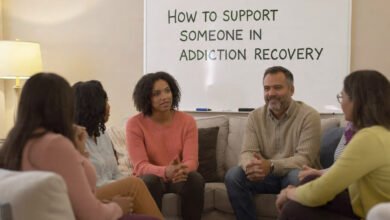
What is Addiction Recovery? A Beginner’s Guide
Addiction recovery is possible for everyone. This beginner's guide explains what it means, how it works, the key stages, and how to take your first step today. Introduction

Addiction recovery is one of the most misunderstood topics in healthcare — and one of the most important. If you or someone you love is struggling with substance use disorder, it can feel like there’s no way out. The cravings feel permanent. The cycle feels unbreakable. And the idea of getting help can feel more terrifying than the addiction itself.
But here’s what the research actually shows: recovery is not only possible, it happens every single day for millions of people around the world.
Addiction recovery is not about willpower, moral failure, or simply “deciding to stop.” It is a real, structured, medically recognized process of physical, psychological, and behavioral change. It involves treatment, support, self-awareness, and time. And it looks different for every person who goes through it.
This guide was written for beginners — people who are just starting to ask questions, whether for themselves or for someone they care about. We’ll break down what addiction recovery actually means, how the brain is involved, what the stages look like, what treatment options exist, and how to take that first step without feeling overwhelmed.
You don’t need to have everything figured out right now. You just need a starting point. This is yours.
What is Addiction Recovery?
Addiction recovery is the ongoing process through which a person with a substance use disorder improves their physical health, mental well-being, and social functioning after experiencing the damaging effects of addiction. According to the Substance Abuse and Mental Health Services Administration (SAMHSA), recovery is defined as “a process of change through which individuals improve their health and wellness, live self-directed lives, and strive to reach their full potential.”
That definition matters because it frames addiction recovery not as a single event — like checking into a rehab center and coming out cured — but as a lifelong process of growth and adaptation.

Recovery can look many different ways:
- Abstinence-based recovery — Complete cessation of all substances
- Medication-assisted recovery — Using FDA-approved medications like buprenorphine or methadone to manage cravings while reducing or eliminating substance use
- Harm reduction recovery — Reducing the negative impact of substance use as a first step toward broader healing
- Spiritual recovery — Frameworks like 12-step programs that combine peer support with personal transformation
What all of these approaches share is this: they move a person toward better health, more stability, and a life that isn’t controlled by substance abuse.
Why Addiction is a Brain Disease, Not a Choice
One of the biggest barriers to seeking help is the stigma that addiction is a character flaw. It is not. Understanding the neuroscience of addiction is one of the most important parts of understanding addiction recovery.
How Substances Change the Brain
When a person uses drugs or alcohol, the brain releases dopamine — the “feel good” chemical — in amounts far larger than any natural reward can produce. Over time, the brain adapts to this flood of dopamine by reducing its natural production and becoming less sensitive to it. This is called tolerance.
The result is that a person begins to need more of the substance just to feel normal. And when they stop using, they don’t just feel neutral — they feel the opposite of high: anxious, sick, depressed, and unable to function. This is withdrawal, and it is one of the key physical mechanisms that makes addiction treatment so necessary.
The part of the brain most affected by substance use disorder is the prefrontal cortex — the region responsible for decision-making, impulse control, and long-term thinking. This is why people in active addiction often make choices that seem completely irrational to observers. The brain has literally been rewired.
What This Means for Recovery
Because addiction is a brain disease, recovery requires the same kind of consistent, evidence-based care that any chronic illness requires. Just as a person with diabetes manages their condition daily, a person in addiction recovery manages theirs — with medical support, behavioral strategies, and a strong support system.
This is not weakness. This is biology.
The 5 Proven Stages of Addiction Recovery
One of the most widely used frameworks in addiction recovery is the Transtheoretical Model, also called the Stages of Change, developed by Prochaska, DiClemente, and Norcross. It identifies five distinct stages that people move through on their way to lasting sobriety. Understanding these stages helps people and their loved ones set realistic expectations and respond to challenges with compassion rather than frustration.
Stage 1: Precontemplation — “I Don’t Have a Problem”
In this stage, a person is not yet considering change. They may be in denial about the severity of their substance use, or they may acknowledge it but see no reason to stop. This stage is often marked by defensiveness and minimization.
What you can do at this stage:
- Avoid confrontational approaches, which often backfire
- Express concern without ultimatums
- Share factual information about the health effects of substance abuse
- Plant seeds of awareness by asking gentle, open-ended questions
People can stay in this stage for months or years. Patience is not optional here — it is necessary.
Stage 2: Contemplation — “Maybe I Should Change”
Something shifts. A health scare, a relationship ending, a moment of clarity — whatever the catalyst, the person begins to recognize that their substance use disorder is causing real harm. They start weighing the pros and cons of change.
This stage is characterized by ambivalence. The person can see both the costs and the perceived “benefits” of using. This is normal. Recovery is not a straight line, and it rarely begins with total certainty.
What helps here:
- Motivational interviewing with a therapist or counselor
- Honest conversations with trusted friends or family
- Journaling about how substance use is affecting health, relationships, and goals
Stage 3: Preparation — “I’m Getting Ready to Change”
The person has made a decision and is taking small steps: researching addiction treatment options, calling a hotline, booking an appointment with a doctor. This is a critical stage because the window of motivation is open, and that window can close.
Key actions in this stage:
- Research inpatient and outpatient treatment programs
- Talk to a primary care physician or addiction specialist
- Tell a trusted person about the plan to get help
- Remove substances from the home where possible
- Verify insurance coverage for addiction treatment
Stage 4: Action — “I’m Doing the Work”
This is the most visible stage of addiction recovery — the one most people picture when they think about getting sober. It includes medical detox, entering a rehabilitation program, attending therapy, and building new habits and coping mechanisms.
This stage is often the hardest. It involves:
- Experiencing and managing withdrawal symptoms
- Learning to identify relapse triggers
- Building a sober support network
- Attending behavioral therapy sessions
- Possibly using medication-assisted treatment (MAT)
The action stage requires significant support. This is not the time to white-knuckle it alone.
Stage 5: Maintenance — “I’m Protecting What I’ve Built”
Long-term recovery is about maintenance. Once the initial hard work is done, the focus shifts to protecting and sustaining the gains made. This means staying connected to support systems, recognizing early warning signs of relapse, and continuing to grow personally.
Many people in long-term addiction recovery describe this stage as the most rewarding. Daily life opens up in ways that felt impossible during active addiction: career goals, repaired relationships, genuine joy.
Maintenance strategies include:
- Ongoing outpatient therapy or counseling
- Regular attendance at support groups (12-step, SMART Recovery, etc.)
- Physical wellness practices like exercise, nutrition, and sleep
- Developing meaningful hobbies and community connections
- Having a clear relapse prevention plan
Types of Addiction Treatment Programs
There is no single “best” approach to addiction treatment. The right program depends on the type and severity of the substance use disorder, the person’s living situation, co-occurring mental health conditions, and their personal preferences. Here is an overview of the main options.
Medical Detox
Detoxification is the process of clearing substances from the body under medical supervision. For many people, it is the first step in formal addiction treatment. Detox addresses the physical aspect of withdrawal — which can range from uncomfortable to life-threatening depending on the substance and the level of physical dependence.
Detox alone is not treatment. It is the starting line, not the finish line. Without follow-up care, relapse rates after detox alone are extremely high.
Inpatient Residential Treatment
Inpatient treatment (also called residential rehab) involves living at a treatment facility for a structured period — typically 30, 60, or 90 days. Patients receive around-the-clock care, participate in daily therapy sessions, and are removed from the environments and triggers associated with their substance use.
Best for:
- Severe substance use disorders
- Unstable home environments
- Co-occurring mental health disorders (dual diagnosis)
- Previous failed attempts at outpatient recovery
Outpatient Treatment Programs
Outpatient treatment allows a person to live at home while attending scheduled treatment sessions. It ranges from Intensive Outpatient Programs (IOP) — typically three to five days per week — to standard outpatient care, which might be one or two sessions per week.
Best for:
- Mild to moderate substance use disorder
- People with strong support systems at home
- Those transitioning out of inpatient treatment
- People who cannot leave work or family responsibilities
Medication-Assisted Treatment (MAT)
Medication-assisted treatment combines FDA-approved medications with counseling to treat substance use disorders, particularly opioid addiction and alcohol use disorder. Medications like buprenorphine, naltrexone, and methadone reduce cravings, manage withdrawal symptoms, and lower the risk of overdose.
According to SAMHSA, MAT has been shown to improve patient survival, increase retention in treatment, and reduce illicit substance use. Despite this strong evidence base, MAT remains stigmatized. Many people in recovery — and many treatment providers — still mistakenly view it as “substituting one addiction for another.” This belief is not supported by science.
Behavioral Therapies
Behavioral therapy is the psychological core of addiction recovery. The most commonly used approaches include:
- Cognitive Behavioral Therapy (CBT): Identifies and changes the thought patterns and behaviors that drive substance use
- Dialectical Behavior Therapy (DBT): Builds emotional regulation and distress tolerance skills
- Motivational Enhancement Therapy (MET): Strengthens a person’s internal motivation to change
- Contingency Management: Uses positive reinforcement (rewards) to encourage abstinence and treatment compliance
Support Groups and Peer Recovery
Support groups are a cornerstone of long-term addiction recovery. They provide community, accountability, and the lived experience of people who truly understand what recovery involves.
- 12-Step Programs (Alcoholics Anonymous, Narcotics Anonymous): Spiritually-oriented peer support using a structured 12-step framework
- SMART Recovery: Science-based, secular alternative to 12-step programs
- Refuge Recovery: Mindfulness-based recovery support
- SMART Recovery Family & Friends: Support for loved ones of people with substance use disorders
Understanding Relapse: What It Means and What It Doesn’t
One of the most important things to understand about addiction recovery is that relapse is common. Research suggests that between 40 and 60 percent of people with substance use disorders experience at least one relapse during the recovery process. For some disorders, like opioid addiction, rates can be higher.
This does not mean treatment has failed. It means addiction is a chronic condition — similar to hypertension or diabetes — that sometimes requires adjustments to the treatment plan.
What Causes Relapse?
Relapse triggers vary widely from person to person, but common ones include:
- Stress: One of the most powerful drivers of substance use
- Environmental cues: Places, people, or objects associated with past use
- Emotional states: Loneliness, boredom, anger, or anxiety
- Overconfidence: Believing the recovery process is complete and letting go of protective habits
- Untreated mental health conditions: Co-occurring disorders like depression or PTSD that were never properly addressed
How to Respond to Relapse
A relapse is a signal — not a verdict. The healthy response is to treat it as critical information: something about the current recovery plan needs adjustment. This might mean returning to a higher level of care, addressing an underlying mental health issue, changing the support network, or simply reinforcing the basics of the relapse prevention plan.
The Role of Family and Support Systems in Recovery
Addiction does not affect just one person. It affects entire families and communities. And addiction recovery is significantly more successful when a person has a strong support system around them.
How Family Members Can Help
- Educate yourself about substance use disorder as a medical condition
- Attend family therapy or Al-Anon/Nar-Anon meetings for your own support
- Set healthy boundaries without issuing threats or ultimatums in anger
- Celebrate progress without placing unrealistic expectations on speed or perfection
- Avoid enabling behaviors that protect the person from the natural consequences of their substance use
Supporting someone in addiction recovery is genuinely hard work. Family members need support too — not just the person in recovery.
Dual Diagnosis: When Mental Health and Addiction Overlap
A significant percentage of people with substance use disorder also have a co-occurring mental health condition — this is called dual diagnosis or co-occurring disorders. The most common co-occurring conditions include depression, anxiety, PTSD, bipolar disorder, and ADHD.
The relationship is bidirectional: substance use can worsen mental health symptoms, and mental health struggles often drive people toward substance use as a form of self-medication. When both conditions are not treated simultaneously, long-term recovery is much harder to maintain.
Effective dual diagnosis treatment addresses both conditions at the same time, using an integrated approach that combines psychiatric care with addiction treatment. If you or someone you love has both a mental health condition and a substance use disorder, look specifically for treatment programs that specialize in dual diagnosis.
How to Take the First Step Toward Addiction Recovery
For many people, the hardest part of addiction recovery is simply beginning. Here is a practical roadmap for getting started.
Step 1: Have an Honest Conversation With Yourself or a Trusted Person
Acknowledge what is happening. You do not need a diagnosis to recognize that substance use is causing problems in your life. Talking to a doctor, therapist, or trusted friend is a powerful first move.
Step 2: Contact SAMHSA’s National Helpline
SAMHSA’s National Helpline — 1-800-662-4357 — is free, confidential, and available 24/7. They can connect you with local treatment programs, support groups, and community resources. This is a no-cost starting point that requires no insurance and no commitment.
Step 3: Talk to Your Doctor
Your primary care physician can assess your substance use, discuss medication-assisted treatment options, and refer you to an addiction specialist or treatment program. Be honest — doctors are not there to judge you.
Step 4: Research Treatment Options
Use the SAMHSA treatment locator at findtreatment.gov to search for accredited addiction treatment programs by location, insurance, and level of care. Look for programs that offer evidence-based treatment, not just detox.
Step 5: Tell Someone Your Plan
Recovery does not happen in isolation. Telling someone — a friend, a family member, a sponsor — that you are seeking help creates accountability and connection. It also opens the door to the support you will need throughout the process.
What Long-Term Addiction Recovery Actually Looks Like
People often have an inaccurate picture of what long-term recovery looks like. It is not a return to who you were before substance use began. It is the construction of something new: a healthier identity, stronger coping skills, deeper relationships, and a sense of purpose that does not depend on any substance.
People in stable addiction recovery describe:
- Better physical health — clearer thinking, more energy, improved sleep
- Repaired or rebuilt relationships
- Career and financial stability
- Genuine enjoyment of daily life
- A sense of identity and purpose that feels real
It is not a perfect life. Challenges still happen. But people in long-term recovery have tools to handle those challenges without turning to substances.
Conclusion
Addiction recovery is a real, proven, life-changing process that begins the moment a person decides to ask for help. From understanding the brain science behind substance use disorder to moving through the five stages of change, from choosing the right treatment program to building a relapse prevention plan and a sober support network — every part of this journey matters. Recovery is not about perfection. It is about consistent progress, honest self-reflection, and leaning on the support that exists for exactly this purpose. No matter how long substance abuse has been part of your story, addiction recovery is possible, and the first step is closer than you think.