Is Marijuana Addictive? The Science-Backed Answer
Is marijuana addictive? Science says yes — for some users. Learn the real facts about cannabis use disorder, withdrawal symptoms, and addiction risk.
Is marijuana addictive? It’s one of the most argued questions in modern health conversations, and the answer is more layered than most people expect. Walk into any room and mention weed addiction, and you’ll get two camps almost immediately. Half the room will laugh it off as a myth. The other half will share a personal story that suggests otherwise.
Here’s the thing: both sides are partially right, which is exactly what makes this topic so slippery.
The science is clear that marijuana can be addictive, but it’s not addictive in the same way for everyone. Not everyone who smokes cannabis develops a dependency. But a significant number of people do, and that number is climbing as marijuana becomes more widely available, more socially accepted, and significantly more potent than it was even a decade ago.
This article cuts through the noise. We’re going to look at what the latest research actually says about cannabis addiction, how it develops, who is most at risk, what withdrawal looks like, and when use crosses the line into a diagnosable disorder. Whether you’re curious about your own habits, concerned about someone you love, or just want the facts without the politics, you’ll find them here.
No scare tactics. No dismissiveness. Just a straightforward, science-backed look at one of the most commonly debated health questions of our time.
Is Marijuana Addictive? What the Science Actually Says
Let’s start with the most direct answer possible: yes, marijuana is addictive for a subset of users.
About 10% of people who begin using cannabis will become addicted, and approximately 30% of current users meet the clinical criteria for addiction. That’s not a fringe statistic from a prohibitionist pamphlet. That’s data from Yale Medicine researchers studying cannabis use disorder directly.


Cannabis use disorder (CUD) is defined in the DSM-5 as the continued use of cannabis despite clinically significant impairment, and according to the National Survey on Drug Use and Health, in 2024, nearly 7% of U.S. teens and adults met the criteria for it.
So why does the myth that “weed isn’t addictive” persist? Part of it comes down to how we define addiction. Many people conflate physical dependence with addiction and assume that because marijuana doesn’t cause the same dramatic withdrawal symptoms as heroin or alcohol, it must not be addictive. That thinking is outdated. Modern addiction science recognizes psychological dependence as just as real and just as clinically relevant.
How Cannabis Addiction Develops in the Brain
Understanding marijuana addiction starts with understanding what THC does to your brain.
The Role of THC and Dopamine
THC, the primary psychoactive ingredient in marijuana, stimulates neurons in the brain’s reward system to release dopamine at levels higher than typically observed in response to natural rewarding stimuli. Alterations in dopamine signaling are generally associated with other drugs of addiction.
In plain terms: weed triggers a dopamine flood. That feels good. Your brain notices this. Over time, with repeated use, the brain starts to down-regulate its own natural dopamine production, essentially outsourcing that job to THC. When you take cannabis away, the brain struggles to produce normal amounts of dopamine on its own, which creates cravings, low mood, and discomfort — the hallmarks of psychological dependence.
The Endocannabinoid System and Tolerance
Your brain has its own built-in cannabinoid system — the endocannabinoid system — which regulates mood, appetite, memory, and pain. THC essentially hijacks this system by mimicking the natural chemicals your body produces.
Prolonged cannabis use produces both pharmacokinetic and pharmacodynamic changes in the body. These changes require the user to consume higher doses to achieve the same effect — a process known as building tolerance — reinforcing the brain’s systems for eliminating the drug more efficiently while further down-regulating cannabinoid receptors in the brain.
This tolerance build-up is one of the key markers of developing addiction. Users end up needing more cannabis to feel the same high, spending more time thinking about using, and finding less pleasure in activities that don’t involve it.
The Three-Stage Addiction Framework
Researchers have evaluated cannabis use through the neurobiological model of addiction, which proposes that repeated substance use drives neurobiological changes in the brain across three distinct stages, each of which perpetuates the cycle of addiction. When applied to cannabis use disorder, the three-stage framework works in a manner similar to other drugs of abuse.
The three stages are:
- Binge and intoxication — the acute high and reinforcement
- Withdrawal and negative affect — discomfort when use stops
- Preoccupation and craving — persistent urges and anticipatory use
This isn’t just academic theory. It’s the same cycle observed with alcohol, nicotine, and opioids.
What Is Cannabis Use Disorder?
Cannabis use disorder (CUD) is the clinical term for marijuana addiction. It’s a real, diagnosable condition that exists in both the DSM-5 and the ICD-11.
For someone to be considered addicted under the American Psychiatric Association’s criteria, they must meet at least two of 11 criteria, which include an inability to reduce consumption, constant cravings, and relationship and social problems.
The 11 diagnostic criteria for CUD include:
- Using more cannabis than intended
- Persistent unsuccessful attempts to cut down or control use
- Spending a lot of time obtaining, using, or recovering from cannabis
- Strong cravings or urges to use cannabis
- Failing to fulfill major obligations at work, school, or home
- Continuing to use despite recurring social or interpersonal problems
- Giving up important activities because of cannabis use
- Using cannabis in physically hazardous situations
- Continued use despite knowledge of a physical or psychological problem it’s causing
- Tolerance (needing more to achieve the same effect)
- Withdrawal symptoms when stopping
The severity is classified based on how many criteria are met: mild (2–3), moderate (4–5), or severe (6 or more). The severe end of the spectrum is what most people associate with the word “addiction.”
Marijuana Withdrawal: The Symptom Nobody Talks About
One of the strongest arguments against the myth that cannabis isn’t addictive is the existence of a documented withdrawal syndrome.
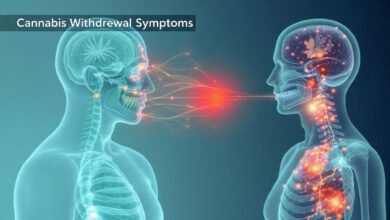
Withdrawal symptoms can occur when an individual who has used cannabis frequently — such as daily or almost daily — abruptly stops or significantly reduces use. This discomfort may lead the person to return to marijuana use to avoid experiencing withdrawal symptoms, which is a core mechanism of addiction.
Common Marijuana Withdrawal Symptoms
For people trying to quit cannabis, withdrawal symptoms may include irritability, restlessness, difficulty sleeping, and hot flashes. Other well-documented symptoms include:
- Anxiety and agitation
- Decreased appetite and weight loss
- Depressed mood
- Headaches
- Sweating and chills
- Intense cravings for cannabis
- Difficulty concentrating
These symptoms typically begin within 24–72 hours of stopping use, peak around days 2–6, and gradually subside over 1–2 weeks. For heavy daily users, some symptoms — especially sleep disturbances and mood changes — can persist for weeks.
This is not imaginary. It’s a well-characterized withdrawal syndrome that researchers and clinicians document consistently in people who stop using cannabis after prolonged, heavy use.
Who Is Most at Risk for Marijuana Addiction?
Not everyone who uses cannabis will develop cannabis use disorder. The risk is shaped by a combination of biological, environmental, and behavioral factors.
Age of First Use
Age at first use is one of the strongest predictors of addiction risk. People who begin using marijuana in their teens are 4 to 7 times more likely to develop a marijuana use disorder than those who begin as adults.
This makes biological sense. The adolescent brain is still actively developing — especially the prefrontal cortex, which governs judgment and impulse control. THC exposure during this window can permanently alter the way reward circuits develop, creating a neurological vulnerability to addiction.
An estimated 45.2% of marijuana users between ages 12 and 17 meet the criteria for a substance use disorder. That number is difficult to ignore.
Frequency of Use
Approximately 17% of weekly and 19% of daily cannabis smokers can be classified as cannabis dependent. The more frequently a person uses cannabis — especially in large amounts — the faster tolerance builds, and the greater the risk of developing a clinically significant dependency.
Potency of Cannabis
This is a factor that has changed dramatically in recent years.
The average delta-9 THC concentration in cannabis research samples nearly doubled, from 9% in 2008 to 17% in 2017. Products from dispensaries often offer much higher concentrations than seen in these research samples.
Higher THC potency means stronger and faster dopamine spikes, a quicker onset of tolerance, and a sharper withdrawal when the drug is stopped. People using today’s high-potency concentrates, oils, and edibles are not dealing with the same substance that older research was built around.
Genetics
Some genetic studies suggest that developing cannabis addiction is hereditary, and a Yale Medicine-led study identified several gene variants that increase the risk of cannabis dependence.
People with a family history of substance use disorders, depression, or anxiety are at elevated risk. The same genetic and neurological predispositions that make someone vulnerable to alcoholism can make them more susceptible to cannabis addiction.
Mental Health Conditions
Cannabis use is linked to a range of mental health issues, including mood and anxiety disorders, and in some individuals, it may act as a form of self-medication for psychiatric disorders.
This creates a complicated loop. People with anxiety or depression often turn to cannabis to cope, but regular use then worsens the underlying condition over time, which drives more use, which deepens the disorder. Breaking this cycle is one of the central challenges in treating CUD.
How Addictive Is Marijuana Compared to Other Drugs?
This is a fair question and worth answering honestly.
Marijuana is less addictive than most other drugs, including alcohol, nicotine, cocaine, and heroin. Roughly 9% of those who try marijuana develop dependence, compared to 15% of people who try cocaine and 24% of those who try heroin.
But here’s the important caveat: because so many people use cannabis, the raw number of people with cannabis use disorder is enormous. Cannabis dependence is twice as prevalent as dependence on any other illicit psychoactive substance, including cocaine and heroin.
So while the percentage of users who get hooked is lower than with harder drugs, the total number of people affected is staggeringly large — which gives cannabis addiction a meaningful public health footprint that shouldn’t be minimized.
The Myth That “Weed Is Just Psychological”
A common dismissal of marijuana addiction goes something like this: “It’s just psychological, not a real physical addiction.”
This framing fundamentally misunderstands how addiction works. Psychological dependence is not “just” anything — it involves real neurological changes, measurable alterations in brain chemistry, and genuine behavioral impairment.
Cannabis users have shown decreased reactivity to dopamine, suggesting a dampening of the brain’s reward system and an increase in negative emotion and addiction severity. These are measurable, physical changes in the brain — not imaginary symptoms.
The idea that something is only “real” addiction if it causes seizures during withdrawal is a cultural artifact, not a medical standard. Plenty of substances cause no dramatic physical withdrawal but are intensely addictive. Gambling and social media use can hijack dopamine circuits without any chemical at all. The brain-based nature of cannabis dependence is the same.
According to NIDA (National Institute on Drug Abuse), cannabis addiction is a real and clinically recognized condition with measurable neurological, psychological, and behavioral consequences.
Signs That Marijuana Use Has Become a Problem
How do you tell the difference between recreational use and a developing addiction? Watch for these patterns:
Behavioral signs:
- Using cannabis first thing in the morning
- Using cannabis to manage emotions, stress, or anxiety routinely
- Continuing to use despite negative consequences at work, school, or in relationships
- Failed attempts to cut back
- Feeling like you need cannabis to feel normal
Physical and psychological signs:
- Tolerance — needing more to get the same effect
- Feeling anxious, irritable, or unable to sleep without it
- Low motivation or emotional flatness when not using
- Memory and concentration problems
Adults seeking treatment for marijuana dependence average more than 10 years of near-daily use and more than six serious attempts at quitting, continuing to use despite social, psychological, and physical impairments including relationship problems, financial difficulties, low energy, sleep problems, and memory issues.
That’s not someone who has a casual habit. That’s someone caught in an addiction cycle.
Can You Get Treatment for Marijuana Addiction?
Yes, and it works. The biggest barrier to treatment is the widespread belief that cannabis addiction isn’t real enough to warrant professional help.
The increased recognition that marijuana can cause addiction has prompted the development of marijuana-specific interventions and treatment materials paralleling those for other substance use disorders.
Behavioral Therapies
Behavioral therapies may help treat cannabis addiction. One approach, motivational interviewing, helps to turn ambivalence about quitting into energy to quit. Contingency management gives patients tangible rewards for positive behaviors. Cognitive behavioral therapy (CBT), which helps identify and modify damaging thinking and behavior, can also help people overcome addiction.
CBT is particularly useful because it teaches people to recognize the triggers that drive their use and develop healthier coping strategies. It’s one of the most evidence-supported approaches for CUD.
Medications
There are currently no FDA-approved medications for the treatment of cannabis use disorder or for medically assisted withdrawal, but research is ongoing.
Researchers are actively studying medications that target the endocannabinoid system, as well as repurposing existing drugs for symptom management during withdrawal. This is an evolving area.
Support Programs
For many people, structured outpatient programs, group therapy, and peer support networks provide the accountability and community needed to maintain sobriety. The CDC’s cannabis health resources offer a practical starting point for understanding options.
Marijuana Addiction and Mental Health: A Two-Way Street
The relationship between cannabis use disorder and mental health is complex and bidirectional.
Cannabis can worsen:
- Anxiety — despite often being used to relieve it
- Depression and low mood
- Psychosis risk, especially with high-THC products and adolescent use
- Motivation and energy levels
Mental health conditions that increase CUD risk:
- ADHD
- PTSD
- Generalized anxiety disorder
- Major depressive disorder
Adolescents between ages 13 and 18 who have used cannabis are more than twice as likely to suffer from mild or moderate depression and over three times as likely to develop major depressive disorder than those who have never used marijuana.
This doesn’t mean cannabis causes depression in every user. But for people with underlying vulnerability, the relationship is real and clinically significant.
The Impact of Legalization on Cannabis Addiction Rates
As marijuana becomes legal in more places, understanding its addiction potential becomes more — not less — important.
Marijuana use has surged over the past decade, rising an estimated 65.2% between 2015 and 2024. Rates of substance use disorder involving marijuana were 3.7 times higher in 2024 than in 2015.
Legalization increases access, reduces stigma, and normalizes use — all of which can lead more people to use more frequently, which is the pattern most associated with developing CUD. The higher potency products now available at legal dispensaries compound this risk further.
This doesn’t mean legalization is wrong. It does mean that public health messaging needs to be honest about the addiction potential of cannabis, rather than overcorrecting against decades of exaggerated anti-drug narratives by swinging to “weed is totally harmless.”
Marijuana Addiction in Teens: A Special Concern
No discussion of cannabis addiction is complete without addressing adolescent use, because the risk profile is dramatically different for young people.
Key facts about teen marijuana use and addiction:
- Teens who begin using are 4 to 7 times more likely to develop marijuana use disorder than adult-onset users.
- Regular marijuana use beginning during adolescence has been associated with adverse effects on cognitive function, including potential drops in IQ of up to 8 points.
- More frequent marijuana use in adolescents ages 13–18 is linked to increased odds of suicide attempts and greater severity of major depressive episodes.
- Adolescent cannabis use is associated with increased cannabis misuse in adulthood, issues with memory and concentration, and poor psychiatric outcomes including social anxiety and addiction.
The developing brain is uniquely vulnerable to the effects of THC. The risks that are manageable for many adults become substantially more serious when use begins in the teenage years.
Frequently Asked Questions About Marijuana Addiction
Is weed physically addictive or just mentally addictive?
Both. Prolonged use of marijuana or repeated administration of THC can lead to physical dependence in humans and laboratory animals, and cannabis-dependent individuals who stop using the drug experience withdrawal symptoms severe enough to contribute to continued drug use. The psychological component is also real and neurologically grounded.
Can you overdose on marijuana?
A fatal overdose from cannabis alone is not documented. However, very high doses — especially from edibles or concentrates — can cause severe psychological distress, panic, and cannabis hyperemesis syndrome, and may require emergency medical attention.
Does everyone who uses marijuana become addicted?
No. It is estimated that people who use cannabis have about a 30% likelihood of developing cannabis use disorder, with the risk being greater for those who start during youth or who use more frequently. The majority of occasional or moderate users do not develop a clinical addiction.
Is medical marijuana less addictive than recreational marijuana?
The addictive potential relates primarily to THC content and frequency of use, not the reason it’s being used. Medical cannabis can carry the same addiction risk if used frequently and in high-THC formulations.
Conclusion
Is marijuana addictive? The science gives us a clear, if nuanced, answer: yes, for a meaningful portion of users, cannabis is genuinely addictive — producing real neurological changes, documented withdrawal symptoms, and clinically diagnosable cannabis use disorder. While marijuana is less addictive than alcohol, nicotine, or opioids in percentage terms, the enormous number of people who use it makes cannabis addiction one of the most prevalent substance use disorders in the world. Adolescents, daily users, people with mental health conditions, and those using high-THC products carry the highest risk. Understanding this is not about returning to fearmongering — it’s about making honest, informed decisions, recognizing when use has become problematic, and knowing that effective help exists for those who need it.