Marijuana Addiction Treatment: What Works in 2026
Discover the most effective marijuana addiction treatment options in 2026 — from proven behavioral therapies to emerging medications and telehealth recovery.
Marijuana addiction treatment is no longer a fringe conversation. As cannabis becomes legal in more states and countries, the number of people quietly struggling with cannabis use disorder (CUD) is rising at a pace most people don’t expect. According to SAMHSA, an estimated 14–18 million Americans have met the clinical criteria for CUD, and yet the topic rarely gets the same urgent attention as the opioid crisis or alcohol use disorder.
Here’s the uncomfortable truth: just because marijuana is widely available and broadly accepted doesn’t mean it can’t be addictive. Research consistently shows that around 9–10% of people who use marijuana will develop a dependence, and for those who start in their teen years, that number climbs closer to 1 in 6. People with marijuana addiction often spend years trying to quit on their own before seeking help. When they do finally look for answers, they’re met with a landscape that’s genuinely improved in recent years.
The good news heading into 2026 is that evidence-based treatments for marijuana addiction are more accessible, more personalized, and more effective than ever before. Behavioral therapies have a strong track record. Telehealth has opened the door for millions who couldn’t access in-person care. And new medications are showing early promise after years of little progress on the pharmacological front.
This article breaks down what actually works, what’s still developing, and how to find the right path for yourself or someone you care about.
Understanding Marijuana Addiction and Cannabis Use Disorder
Before diving into treatment, it helps to understand what you’re actually dealing with. Cannabis use disorder is not just “smoking too much weed.” It’s a clinically recognized condition defined by the DSM-5 as a problematic pattern of cannabis use that leads to significant impairment or distress. To meet the criteria, a person must experience at least 2 of 11 symptoms within a 12-month period.
Those symptoms include:
- Using more marijuana than intended
- Repeatedly trying and failing to cut back
- Spending a lot of time obtaining, using, or recovering from marijuana
- Strong cravings for cannabis
- Continued use despite relationship problems or work issues caused by it
- Giving up activities you used to enjoy
- Using in situations where it’s physically hazardous
- Tolerance — needing more to get the same effect
- Marijuana withdrawal symptoms when stopping
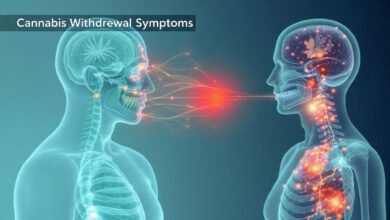
That last point trips people up. Most people believe marijuana doesn’t cause real withdrawal. It does. Cannabis withdrawal typically begins within 1–3 days of stopping and can include irritability, anxiety, sleep problems, loss of appetite, restlessness, and intense cravings. These symptoms usually peak around day 3–7 and resolve within 2–3 weeks, but they’re real enough to drive many people back to using before they can break the cycle.


Who Is Most at Risk for Marijuana Addiction?
Cannabis addiction risk factors include:
- Starting use before age 18
- Daily or near-daily use patterns
- A family history of substance use disorders
- Co-occurring mental health conditions like anxiety, depression, or PTSD
- Using high-potency THC products (today’s cannabis products are significantly stronger than those from 20+ years ago)
- Social environments where heavy use is normalized
Understanding these risk factors matters because effective marijuana addiction treatment in 2026 increasingly looks at the whole person — not just the substance use itself.
Why Marijuana Addiction Has Been Historically Undertreated
There’s a real stigma gap when it comes to cannabis use disorder treatment. Many people — including some clinicians — still don’t take weed addiction seriously. There are several reasons for this:
- The “harmless drug” myth. Marijuana’s cultural reputation as a soft, non-addictive substance has made it hard for people to recognize or admit they have a problem.
- No FDA-approved medication. Unlike opioid addiction or alcohol use disorder, there is currently no FDA-approved drug specifically for cannabis addiction treatment, which has historically limited the medical community’s toolkit.
- Legalization confusion. As more states legalize marijuana, people conflate legal with safe or non-addictive, which is not the same thing.
- Underreporting. Many people with CUD don’t identify themselves as addicts and never seek help.
The result is a massive treatment gap. But the field has been catching up. Evidence for behavioral treatments for marijuana addiction is now strong and consistent, and the rise of telehealth means geographic and financial barriers are shrinking fast.
The Most Effective Marijuana Addiction Treatment Options in 2026
1. Cognitive Behavioral Therapy (CBT) for Cannabis Use Disorder
Cognitive behavioral therapy is widely considered the gold standard for treating marijuana addiction. It works by helping people identify the thoughts, situations, and emotions that trigger their cannabis use, then building practical skills to interrupt those patterns.
In a CBT program for CUD, you’ll typically work on:
- Identifying personal use triggers — stress, boredom, social settings, negative emotions
- Cognitive restructuring — challenging distorted thinking like “I can’t function without it”
- Coping skills training — building new responses to cravings and stress
- Relapse prevention planning — preparing for high-risk situations before they happen
Research published by the National Institutes of Health consistently places CBT among the most effective treatments for cannabis use disorder, particularly for adults. Studies show that people who complete structured CBT programs achieve meaningfully better abstinence rates compared to minimal-contact control conditions.
CBT is typically delivered in 6–16 individual or group sessions over 8–12 weeks, though longer programs show better long-term outcomes. It’s available in outpatient settings, residential programs, and increasingly via telehealth platforms.
2. Motivational Enhancement Therapy (MET)
Not everyone who shows up for marijuana addiction treatment actually wants to quit. Motivational ambivalence — part of you wants to stop, part of you isn’t convinced you need to — is one of the biggest barriers to successful recovery.
Motivational Enhancement Therapy directly addresses this. It’s a client-centered, directive approach that helps people explore and resolve ambivalence about changing their cannabis use. Rather than confronting the person or using high-pressure techniques, a MET therapist helps you build your own reasons to change by:
- Clarifying your personal values and how marijuana use conflicts with them
- Exploring the gap between where you are and where you want to be
- Building self-confidence in your ability to change
- Developing a personal change plan
MET is usually a brief intervention — typically 2–4 sessions — and it’s often used as a first step before more intensive therapy, or in combination with CBT. The combination of MET and CBT has become a benchmark treatment for cannabis use disorder in adults and is described in research as one of the best-evaluated approaches available.
3. Contingency Management (CM)
Contingency management is one of the most evidence-based approaches in all of addiction treatment, and it works particularly well for marijuana addiction. The concept is straightforward: people receive tangible rewards (vouchers, prizes, or privileges) for verified abstinence or engagement in treatment goals.
This isn’t just handing out prizes. CM works because it directly engages the brain’s reward system — the same system that cannabis has been hijacking. By providing an alternative positive reinforcement for not using, it competes with the reward of getting high.
Studies show CM significantly improves:
- Treatment retention rates — people stay in programs longer
- Verified abstinence during treatment — more drug-negative urine tests
- Long-term sobriety outcomes when combined with CBT or MET
The main limitation historically has been cost — who pays for the prizes? But digital versions and adaptations are expanding access. Several telehealth platforms now incorporate incentive-based features into their marijuana addiction treatment programs.
4. Motivational Interviewing (MI)
Closely related to MET, Motivational Interviewing is a clinical communication style that helps people talk themselves into change rather than being lectured into it. The core principle is that ambivalence about quitting is normal, and a skilled MI practitioner guides you toward your own motivation rather than telling you what to do.
MI is supported by strong evidence as a standalone tool and as a component of broader cannabis use disorder treatment. It’s especially useful in:
- Brief interventions (primary care visits, school counseling)
- When someone is not yet ready for formal rehab
- As a bridge to longer-term therapy
- Adolescent and young adult populations who resist being told what to do
The approach works partly because it reduces defensiveness. When someone feels heard rather than judged, they’re more likely to be honest about their use and more open to change.
5. Inpatient vs. Outpatient Rehab for Marijuana Addiction
One of the most common questions people ask is whether they need to go to an inpatient facility or whether outpatient care is enough for marijuana addiction recovery.
The honest answer is: it depends on the individual.
Inpatient (residential) treatment is typically recommended when:
- The person has severe or long-standing addiction
- There are co-occurring mental health disorders (dual diagnosis)
- The home environment is full of triggers or unsupportive
- Previous outpatient attempts have failed
- Medical detox is needed
Outpatient treatment is often sufficient and appropriate when:
- The CUD is moderate in severity
- The person has a stable living situation
- Work, school, or family responsibilities make residential care impractical
- The person has strong social support
Most outpatient marijuana addiction programs run in 3 tiers:
- Standard outpatient — 1–2 sessions per week
- Intensive outpatient programs (IOP) — 3+ days per week, 3 hours per day
- Partial hospitalization programs (PHP) — nearly full-day structured programming without overnight stays
For most people with CUD, intensive outpatient treatment for marijuana addiction combined with individual therapy offers an effective and practical path to recovery.
6. Telehealth and Digital Treatments for Cannabis Use Disorder
One of the most significant shifts in marijuana addiction treatment over the past few years is the explosion of telehealth and digital health options. The COVID-19 pandemic accelerated virtual care by years, and that momentum has continued.
Research from PMC (published in Frontiers in Psychiatry) confirms that web-based programs like Therapeutic Education System (TES) and CBT4CBT have demonstrated meaningful improvements in clinical outcomes for people with cannabis use disorder. Prescription digital therapeutics — software-based treatments cleared for clinical use — are also entering the space.
Key benefits of telehealth treatment for marijuana addiction include:
- Accessibility — people in rural areas or with limited mobility can get treatment
- Privacy — sessions at home reduce stigma concerns
- Flexibility — evening and weekend appointments are easier to schedule
- Continuity — patients can maintain the same care team when they travel or relocate
Platforms like Pelago, which launched a dedicated CUD program in 2024, now provide evidence-based online marijuana addiction treatment including CBT, MET, and peer coaching directly through employer-sponsored benefits. These are not replacement-level substitutes for intensive care, but for mild-to-moderate CUD or as step-down support after residential treatment, they’re proving genuinely effective.
A 2024 pilot study found that 85.7% of participants with cannabis use disorder said telehealth delivery made it at least “slightly easier” to access substance use care. Satisfaction rates across studies are consistently high.
For anyone wondering where to start finding help, SAMHSA’s National Helpline (1-800-662-HELP) connects callers to free, confidential treatment referrals around the clock — they also have an online treatment locator at findtreatment.gov.
7. Support Groups and 12-Step Programs for Marijuana Addiction
Peer support remains one of the most underrated components of marijuana addiction recovery. No therapy or medication fully replicates the sustained accountability and community connection that support groups provide.
Marijuana Anonymous (MA) is the most widely used peer support group specifically for cannabis use disorder. It follows a 12-step model similar to Alcoholics Anonymous and offers in-person meetings in most major cities as well as a growing number of online meetings. Members work through structured steps focused on acceptance, accountability, and building a life not centered around marijuana use.
Other peer support options include:
- SMART Recovery — a science-based alternative to 12-step programs, focused on self-empowerment and cognitive tools
- Narcotics Anonymous (NA) — open to all substance use disorders, including cannabis
- Refuge Recovery — a mindfulness-based recovery program
Research consistently shows that people who combine professional treatment with peer support have better long-term outcomes. Support groups also fill the gap between therapy sessions, providing connection and accountability during the days and weeks when cravings are strongest.
Medications for Marijuana Addiction — Where Things Stand in 2026
This is an area where expectations need to be calibrated carefully. As of 2026, there are still no FDA-approved medications specifically for cannabis use disorder. However, the research landscape is more active than it’s ever been.
What’s Being Explored
- Nabiximols (Sativex) — a cannabis-derived oromucosal spray containing both THC and CBD — has shown effectiveness at reducing marijuana withdrawal symptoms in inpatient settings, though it hasn’t demonstrated lasting abstinence benefits in follow-up studies.
- Gabapentin — originally an anticonvulsant, it has shown some early-stage promise in reducing withdrawal symptoms and improving sleep during cannabis detox.
- N-acetylcysteine (NAC) — this antioxidant has shown modest effectiveness in adolescents with CUD in clinical trials. It works by restoring glutamate transmission in the brain’s reward pathway and reducing cravings.
- Partial CB1 receptor agonists/antagonists — A 2023 study highlighted by NBC News researchers showed an experimental compound that blocks the euphoric effects of cannabis without causing the severe psychiatric side effects seen in earlier cannabis antagonists like rimonabant. The approach targets specific receptor actions, potentially blocking the high without making people feel terrible. Larger trials are underway.
The overall picture for marijuana addiction medication in 2026 is: promising but not yet definitive. Most clinicians continue to rely on behavioral therapies as the cornerstone of treatment, with medications used off-label to manage specific symptoms like anxiety, sleep disruption, or depression that complicate the recovery process.
According to the National Institute on Drug Abuse (NIDA), ongoing research continues to prioritize pharmacological solutions for CUD, recognizing the urgent unmet need in this space.
Special Populations — Teen and Young Adult Marijuana Addiction Treatment
The stakes for adolescent marijuana addiction treatment are particularly high. Cannabis affects the developing brain differently than the adult brain, and young people who use heavily are at greater risk for lasting cognitive impacts, academic underperformance, and escalation to other substances.
Multidimensional Family Therapy (MDFT)
For younger adolescents — particularly those with comorbid psychiatric conditions — Multidimensional Family Therapy has strong evidence behind it. MDFT involves the individual teen, family members, and school or community systems in the treatment process. Unlike adult-focused CBT/MET approaches, it doesn’t require the teen to have an existing desire to abstain, which makes it better suited for involuntary treatment situations.
Research indicates that older adolescents and young adults (roughly 16–25) tend to respond better to CBT and MET combinations, while MDFT is particularly effective for younger teens with heavy use and co-occurring disorders.
For college students and young adults, telehealth-delivered motivational enhancement therapy combined with smartphone-based ecological momentary interventions (real-time check-ins via app) has shown genuinely impressive early results in clinical trials, with participants reporting reduced cannabis use and higher motivation to change at 2-month follow-up.
What Does Marijuana Addiction Recovery Actually Look Like?
This is where the conversation needs to be honest. Quitting marijuana — especially after years of daily use — is genuinely hard. Recovery is rarely a straight line.
Studies that track treatment outcomes typically find that even with the best available behavioral treatments:
- Long-term abstinence rates in research trials hover around 19–25% at 12+ months
- Many people experience multiple quit attempts before achieving sustained recovery
- Relapse is common, but relapse is not failure — it’s a normal part of recovery from any chronic condition
What makes the difference between people who eventually sustain recovery and those who don’t often comes down to:
- Treatment duration — longer engagement consistently predicts better outcomes
- Addressing co-occurring disorders — untreated anxiety, depression, or PTSD are major relapse drivers
- Social environment — peer group changes are often necessary
- Self-efficacy — building genuine confidence in your ability to cope without marijuana
- Aftercare and ongoing support — what happens after the formal program ends matters enormously
Personalized marijuana addiction treatment — individualized plans that account for mental health history, use patterns, social context, and personal goals — consistently outperforms cookie-cutter approaches. In 2026, the trend toward personalized care in all of medicine is reaching substance use treatment as well.
How to Find Marijuana Addiction Treatment in 2026
If you or someone you know is ready to get help, here’s a practical starting point:
- Call SAMHSA’s National Helpline at 1-800-662-4357 — free, confidential, available 24/7 in English and Spanish, connects you to local treatment options
- Visit findtreatment.gov — the federal treatment locator with filters for substance type, insurance, and location
- Talk to your primary care doctor — they can screen for CUD, provide referrals, and in many cases initiate brief motivational counseling
- Search for an intensive outpatient program — most major cities have IOP programs that accept insurance
- Explore telehealth options — platforms like Pelago, Quit Genius, and others now offer dedicated CUD treatment programs through employer benefits or direct-pay
- Find a Marijuana Anonymous meeting at marijuana-anonymous.org — in-person or online meetings are free and available globally
Conclusion
Marijuana addiction treatment in 2026 looks fundamentally different — and better — than it did even five years ago. The evidence is clear: cannabis use disorder is a real, treatable condition, not a character flaw or a lack of willpower. Behavioral therapies like Cognitive Behavioral Therapy, Motivational Enhancement Therapy, and Contingency Management form the backbone of the most effective treatment approaches, consistently supported by decades of research.
Telehealth and digital therapeutics have dramatically expanded who can access quality care, while the push for FDA-approved medications for cannabis use disorder is closer to breakthrough than at any point in history. Whether someone needs a brief motivational intervention, an intensive outpatient program, residential rehab, or peer support through Marijuana Anonymous, the options are there — and the evidence supports using them. Recovery is rarely a straight line, but with the right combination of professional treatment, social support, and personalized care, it is absolutely achievable.