Medical Marijuana vs Recreational: Addiction Risk Factors
Medical marijuana vs recreational: discover 7 critical addiction risk factors, what the science says, and why your reason for using cannabis may not protect you.
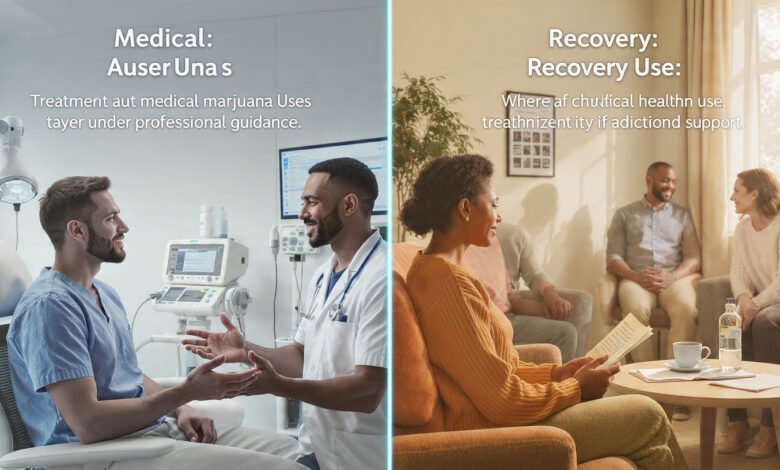
Medical marijuana vs recreational use is one of the most misunderstood debates in modern healthcare. Most people assume that if a doctor recommends cannabis, it must be safer — and that recreational users are the ones taking the real risks. That assumption is wrong, and recent research backs that up pretty clearly.
A January 2025 study published in JAMA Psychiatry, led by Dr. Nora Volkow of the National Institute on Drug Abuse, found that medical marijuana users are just as likely — and in some cases more likely — to develop cannabis use disorder (CUD) compared to people who use cannabis purely for fun. Medical users also tend to use cannabis 40% to 70% more days per year than recreational users, which directly raises their dependency risk.
This article breaks down the real differences between medical and recreational cannabis use, the key addiction risk factors that apply to both groups, and the biological, behavioral, and environmental variables that make some people far more vulnerable than others. Whether you use cannabis for pain, anxiety, sleep, or simply on weekends, understanding these risks isn’t alarmist — it’s smart. The goal here isn’t to demonize cannabis or dismiss its legitimate medical applications. It’s to give you an honest, research-backed picture of what the science actually says about marijuana addiction and who needs to pay attention.
Medical Marijuana vs Recreational: What’s Actually the Difference?
Before diving into addiction risk factors, it helps to understand what separates medical use from recreational use — because the line is blurrier than most people think.
Definition and Legal Context
Medical marijuana refers to cannabis that has been recommended or prescribed by a licensed physician to treat a specific medical condition. Common qualifying conditions include chronic pain, multiple sclerosis, epilepsy, nausea from chemotherapy, PTSD, and glaucoma. In the United States, medical cannabis programs exist in the majority of states, though cannabis remains federally illegal under Schedule I classification.
Recreational cannabis, on the other hand, is used for its psychoactive effects — relaxation, euphoria, altered sensory perception — without any clinical recommendation. As of 2025, recreational marijuana is legal in over 20 U.S. states for adults over 21.
The Chemical Overlap
Here’s where the “medical = safer” assumption starts to fall apart. Both medical and recreational cannabis contain tetrahydrocannabinol (THC), the primary psychoactive compound responsible for the high — and for driving cannabis dependency. The THC in medical cannabis products works on the same brain receptors as recreational cannabis. It triggers the same dopamine pathways. It creates the same potential for tolerance, withdrawal, and cannabis use disorder.


The key chemical distinction is cannabidiol (CBD). Medical formulations are sometimes designed with higher CBD concentrations and lower THC levels to reduce psychoactive effects while preserving therapeutic benefits. CBD is non-intoxicating and actually partially blocks some of THC’s euphoric effects. However, this is not always the case — plenty of medical cannabis products, particularly those prescribed for pain, contain substantial amounts of THC.
Recreational cannabis, in contrast, typically skews heavily toward high-THC content to maximize the psychoactive experience.
The 7 Critical Addiction Risk Factors in Medical and Recreational Cannabis Use
1. THC Potency: The Biggest Variable Nobody Talks About Enough
THC concentration is arguably the single most important addiction risk factor regardless of whether use is medical or recreational. According to the CDC, the average delta-9 THC concentration in cannabis nearly doubled from 9% in 2008 to 17% in 2017. In dispensaries today, products regularly test at 22% or higher, with some concentrates reaching up to 45%.
The higher the THC potency, the more intense the effect on the brain’s reward circuitry, and the faster tolerance builds. This is a direct pathway to cannabis dependency. When someone uses high-THC products regularly — medical need or not — the brain adjusts its cannabinoid receptor sensitivity, requiring more of the substance to produce the same effect.
For medical patients using cannabis for chronic pain, this is a serious concern. Pain management often requires frequent, consistent dosing, which means regular exposure to THC. Over time, what started as a therapeutic dose can evolve into a compulsive use pattern that’s difficult to distinguish from recreational addiction.
Key THC-related risk points:
- Dabbing and vaping concentrates deliver extremely high THC levels in a single exposure
- High-potency products increase the risk of cannabis-induced psychosis
- Adolescents are disproportionately vulnerable to potency-related brain effects
- Medical patients may not be fully counseled on the potency of what they’re consuming
2. Frequency of Use: Daily Users Face the Highest Risk
One of the most consistent findings across research is that frequency of use is a powerful predictor of cannabis use disorder. A study cited by Cleveland Clinic found that 17% of weekly users and 18.8% of daily users met the criteria for cannabis dependence.
This is where medical users face a structural disadvantage. Managing a chronic condition like pain, insomnia, or anxiety often requires daily or near-daily cannabis use. Individuals who used medical cannabis were much more likely to use cannabis on a daily basis compared to recreational users, with an adjusted odds ratio of 4.29. That’s a significant gap.
Recreational users, by contrast, are more likely to use cannabis intermittently — on weekends, at social events, or sporadically. Less frequent use = lower cumulative THC exposure = lower risk of developing a substance use disorder.
The math is simple but important:
- Occasional use (1-2 times per month): low risk
- Weekly use: moderate risk, ~17% dependency rate
- Daily use: high risk, nearly 1 in 5 daily users develop dependence
- Medical users using daily for chronic conditions: often at sustained high risk with less ability to stop without symptom return
3. Age of First Use: Young Brains Are Far More Vulnerable
Research shows that 1 in 6 people who start using cannabis before the age of 18 can become addicted, compared to 1 in 10 adults who begin using as adults. That’s a dramatic difference — and it’s directly tied to brain development.
The prefrontal cortex, which governs impulse control, decision-making, and the ability to assess long-term consequences, isn’t fully developed until the mid-20s. THC directly interferes with this developmental process. Early cannabis use can permanently alter the brain’s reward systems, making it harder to feel pleasure without cannabis and significantly increasing the lifetime risk of marijuana addiction.
This risk factor applies equally to medical and recreational contexts. Adolescents who are prescribed cannabis for conditions like seizure disorders, anxiety, or ADHD face real neurodevelopmental risks that are often underweighted in clinical conversations.
Cannabis can cause permanent IQ loss of as much as 8 points when people start using it at a young age, and these IQ points do not come back even after quitting.
4. Genetic Predisposition: Your DNA Has a Say
Not everyone who uses cannabis regularly will develop cannabis use disorder. Some people use it for years without any signs of dependency. Genetics explains a significant portion of that variance. Research suggests that 50% to 60% of variance in cannabis use disorders is linked to an addictive genetic effect.
A meta-analysis identified a cluster of SNPs (single nucleotide polymorphisms) on chromosome 10 associated with vulnerability to cannabis dependence in people of European ancestry. While the genetic science is still developing, it points to a clear message: some people are neurobiologically more susceptible to addiction than others, regardless of whether their cannabis use is medically supervised.
People with a family history of substance use disorders — whether that’s alcohol, opioids, or other drugs — carry a higher baseline risk of developing marijuana addiction. This is true for medical patients and recreational users alike. A responsible physician recommending cannabis should be asking about family history. Many don’t.
5. Co-occurring Mental Health Conditions
Cannabis use and mental health disorders have a complicated, bidirectional relationship. Cannabis can help manage symptoms of anxiety, PTSD, and depression in some users — which is a primary driver of medical use. But it can also worsen these conditions over time, and people with pre-existing mental health disorders are more vulnerable to developing cannabis dependency.
Researchers have found evidence suggesting cannabis use likely increases the risk of developing schizophrenia and other psychoses, social anxiety disorders, and depression.
This creates a frustrating cycle for many medical marijuana patients. Someone using cannabis to manage anxiety may find short-term relief, but chronic, high-THC use can dysregulate the brain’s stress response systems, making anxiety worse in the long run. That worsening drives more cannabis use, which accelerates the pathway to dependency.
Known mental health risk factors for cannabis use disorder include:
- Pre-existing anxiety disorders
- Depression
- PTSD
- ADHD
- History of trauma or childhood abuse
- Schizophrenia spectrum vulnerability (especially with high-THC products)
For recreational users, mental health conditions are also a major driver of problematic use. People who use cannabis to self-medicate emotional pain or mental illness symptoms — without medical oversight — are at particularly high risk.
6. Concurrent Use of Other Substances
Using multiple substances at the same time significantly raises addiction risk. Using or misusing other substances such as alcohol, nicotine, or hallucinogens may increase your risk of cannabis use disorder.
Interestingly, the research on this point shows a slight difference between medical and recreational users. Medical marijuana users had significantly lower drug problem severity and lower alcohol problem severity compared to recreational users. This aligns with the idea that many medical patients are replacing other substances, particularly alcohol or opioids, with cannabis as part of a harm-reduction approach.
However, this doesn’t mean medical users are off the hook. The risk of polydrug use remains real, and cannabis is frequently used alongside tobacco — which compounds respiratory risks and reinforces the habit loop that drives dependency.
Recreational users tend to use cannabis in social contexts where other substances are present. This environmental factor raises their risk of multi-substance dependency patterns and makes it harder to break individual habits.
7. Environmental and Social Factors
Biology isn’t destiny. Where you live, who you spend time with, and how accessible cannabis is in your community all shape your addiction risk significantly. Environmental risk factors include having a cannabis user in your household, peer use of cannabis, and having a medical marijuana certificate in states where it’s legal.
For recreational users, social normalization is a growing concern. As legalization spreads and cultural stigma around cannabis fades, use rates rise — particularly among young adults who now perceive cannabis as low-risk. This perception gap is dangerous. Many young recreational users genuinely don’t know that roughly 3 in 10 people who use cannabis regularly will develop some form of cannabis use disorder.
For medical users, the social dynamic is different but equally risky in its own way. Having a doctor’s recommendation can create a false sense of protection — the belief that because use is “approved,” dependency isn’t possible or doesn’t count as a real problem. This cognitive framing can delay help-seeking behavior even when dependency has clearly developed.
Is Medical Marijuana Addiction Different from Recreational Addiction?
This is a fair question, and the honest answer is: the addiction itself looks the same, but the path to it and the reasons for continuing can differ.
A 2025 study led by Dr. Nora Volkow concluded that “medically recommended cannabis is not associated with reduced addiction risk compared with nonmedical use,” and recommended that clinicians consider addiction risk before recommending medical cannabis and monitor for cannabis use disorder emergence.
When a medical patient becomes dependent on cannabis, they face a unique challenge: stopping use may mean their underlying condition returns — pain, nausea, insomnia, or muscle spasms. This therapeutic entanglement makes the dependency harder to address because there’s a legitimate reason to continue using. The brain doesn’t distinguish between “I need this to feel normal” driven by pain management versus “I need this to feel normal” driven by pleasure-seeking. Both are dependency.
For recreational users, the dependency is more straightforward in one sense — there’s no underlying medical condition complicating the picture. But the psychological drivers (stress relief, social belonging, habit, boredom) can be just as entrenched and just as hard to change.
What Cannabis Use Disorder Actually Looks Like
Cannabis use disorder (CUD) is a clinically recognized condition in the DSM-5. It involves a pattern of cannabis use that causes significant impairment or distress. Symptoms include:
- Using more cannabis than intended
- Persistent desire to cut down but inability to do so
- Spending large amounts of time obtaining, using, or recovering from cannabis
- Continued use despite knowing it’s causing or worsening physical or psychological problems
- Withdrawal symptoms when stopping (irritability, anxiety, insomnia, decreased appetite, restlessness)
- Tolerance — needing more to achieve the same effect
- Giving up important activities because of cannabis use
About 3 in 10 people who use cannabis regularly develop cannabis use disorder, in which they can’t stop using even though it’s causing health and social problems.
These symptoms show up regardless of whether the person uses cannabis medically or recreationally. A patient who started using cannabis to manage chronic back pain and now can’t stop despite worsening mood and cognitive problems is experiencing CUD — even though their doctor wrote a recommendation.
The Role of CBD in Reducing Addiction Risk
CBD (cannabidiol) deserves its own section because it genuinely does change the risk profile of cannabis use, and it’s one area where medical formulations can have a real advantage.
Unlike THC, CBD doesn’t bind to CB1 receptors in a way that creates intoxication or drives the reward pathway. In fact, CBD partially blocks the euphoric effects of marijuana caused by THC, and may be useful in controlling epileptic seizures, reducing pain and inflammation, and potentially treating mental illness or addiction according to the National Institute on Drug Abuse.
Medical formulations that are properly balanced with CBD — particularly for conditions where psychoactivity isn’t the goal — carry meaningfully lower dependency risk than high-THC recreational products. The problem is that not all medical cannabis is CBD-forward. Many patients using cannabis for pain management are using THC-dominant products because those are the ones that work best for their symptoms.
Recreational cannabis is almost exclusively THC-dominant, which is why its addiction risk profile tends to be higher on a per-product basis — though frequency of use ultimately matters more than any single variable.
How the Brain Develops Cannabis Dependency
Understanding the neuroscience helps explain why cannabis addiction isn’t simply a matter of willpower.
The endocannabinoid system plays a central role in regulating mood, memory, appetite, pain, and reward. THC mimics the body’s natural endocannabinoids, particularly anandamide, but with much greater potency and duration. When THC floods the CB1 receptors in the brain’s reward circuit — particularly in the nucleus accumbens and prefrontal cortex — it triggers a dopamine surge that feels significantly better than natural rewards like food, exercise, or social connection.
With repeated exposure, the brain adapts. It downregulates CB1 receptor density and sensitivity. The dopamine system recalibrates. Now, normal activities feel flat, and cannabis is needed just to feel baseline normal. This is physical dependency — not a character flaw.
The switch from ventral to dorsal striatal coupling with the prefrontal cortex may underlie the transition from voluntary to habitual or dependent drug intake, reflecting decreased inhibitory processing. In plain terms: as dependency develops, the decision to use cannabis shifts from conscious choice to automatic habit, driven by brain regions that operate below conscious control.
This neurological reality is identical whether someone is using cannabis for a prescription or for fun. The brain doesn’t check the reason.
Warning Signs That Use Is Becoming Problematic
Whether medical or recreational, here are clear warning signs that cannabis use may be moving into cannabis use disorder territory:
Behavioral signs:
- Using more frequently or in larger amounts than you planned
- Using cannabis to cope with every difficult emotion rather than just for specific symptoms
- Missing work, school, or important obligations because of use
- Continuing to use despite relationship conflict caused by it
Physical signs:
- Withdrawal when you skip a day — anxiety, irritability, sweating, insomnia
- Building tolerance and needing more to get the same effect
- Using earlier in the day than you previously did
- Physical health symptoms like chronic cough, bronchitis, or appetite changes
Psychological signs:
- Feeling unable to relax, sleep, or function without cannabis
- Preoccupation with having enough supply
- Minimizing or denying how much you actually use
- Sense of anxiety or dread when supply runs low
For medical patients, an important self-check is this: are you using cannabis to manage your documented condition on the schedule your doctor outlined — or have you started using it more frequently, for additional reasons, or in ways that have drifted from the original treatment plan? That drift is where cannabis dependency quietly begins.
Prevention and Harm Reduction Strategies
For both medical and recreational users, there are practical, evidence-backed strategies that reduce addiction risk:
For everyone:
- Delay starting cannabis use as long as possible, especially for people under 25
- Choose lower-THC products when possible, particularly for medical use
- Avoid daily use if intermittent use can achieve the same result
- Screen for family history of substance use disorders before starting use
- Avoid mixing cannabis with alcohol or other substances
For medical patients specifically:
- Ask your doctor about CBD-dominant formulations before defaulting to high-THC options
- Set clear treatment goals and timelines — open-ended cannabis prescriptions increase dependency risk
- Schedule regular check-ins to assess whether use is still therapeutic or has become habitual
- Be honest with your prescribing doctor about changes in frequency or quantity
For recreational users:
- Be honest about how often you’re using and why
- Don’t use cannabis as a primary coping mechanism for stress, anxiety, or sleep
- Know your personal risk factors — family history, mental health history, age of first use
- If you’re finding it hard to have days off, that’s worth paying attention to
For more information on cannabis use disorder and treatment options, the CDC’s cannabis and public health resource page provides updated, evidence-based guidance. SAMHSA’s National Helpline is available 24/7 at 1-800-662-HELP for anyone concerned about their cannabis use.
Treatment Options for Cannabis Use Disorder
Cannabis use disorder is treatable, though there are currently no FDA-approved medications specifically for it. Treatment is typically behavioral.
Cognitive behavioral therapy (CBT) is the most well-supported approach. It helps patients identify the thoughts, emotions, and situations that trigger cannabis use, and develop healthier responses. For medical patients, CBT also addresses the challenge of managing the underlying condition without cannabis, which often requires a comprehensive pain management or psychiatric plan.
Motivational enhancement therapy (MET) helps people who are ambivalent about quitting explore their own reasons for change. Contingency management, which uses positive reinforcement for cannabis-free urine tests, has shown effectiveness in some studies.
For patients struggling with both a medical condition and cannabis dependency, integrated care — where addiction treatment and medical management happen in coordination — produces significantly better outcomes than treating them separately.
According to Yale Medicine’s addiction research team, there is an urgent need for pharmacological treatments for CUD, and research into combined behavioral and pharmaceutical approaches is ongoing.
Conclusion
Medical marijuana vs recreational use is a nuanced topic that resists simple answers, but the research on addiction risk is increasingly clear: the therapeutic intent behind medical use does not meaningfully protect against cannabis use disorder. The same variables — THC potency, frequency of use, age of first exposure, genetic vulnerability, mental health status, concurrent substance use, and social environment — drive addiction risk in both groups.
Medical users actually face some heightened risks due to higher daily use rates and the therapeutic dependency loop where stopping means pain or symptoms return. The most responsible approach, whether you are a patient, a recreational user, a clinician, or a policymaker, is to treat cannabis as a pharmacologically active substance with real addiction potential, understand your personal risk factors, use the lowest effective dose at the lowest effective frequency, and seek professional support if use starts to feel less like a choice and more like a necessity.