Crack vs Powder Cocaine Addiction: What’s the Difference?
Crack vs powder cocaine addiction: discover 7 critical differences in effects, addiction risk, health dangers, and treatment options backed by science.
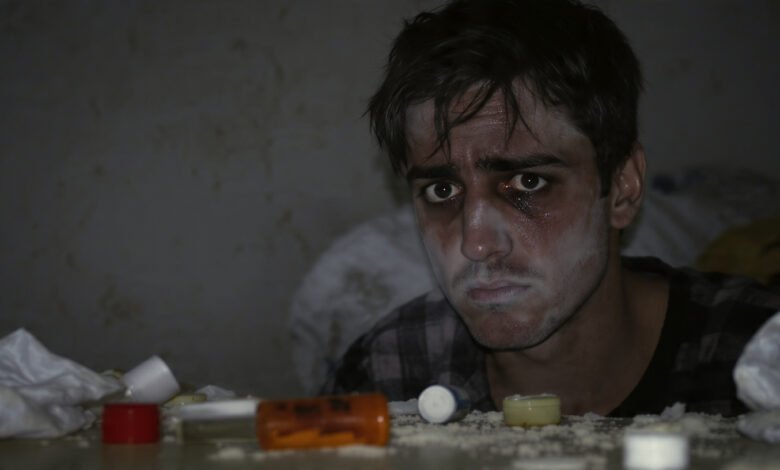
Crack vs powder cocaine addiction is one of the most misunderstood topics in the world of substance use. Most people assume crack and powder cocaine are fundamentally different drugs. They are not. They share the same active ingredient, come from the same plant, and hijack the same brain pathways. But the way each form is made, used, and processed by the body creates real differences in addiction risk, health consequences, and the experience of withdrawal.
Those differences matter. A lot.
Since the crack epidemic of the 1980s, the two forms of cocaine have been treated very differently — by the legal system, by society, and even by some corners of the medical community. Some of that separation was rooted in fact. A lot of it was rooted in stigma and policy that had nothing to do with pharmacology.
This article cuts through the noise. Whether you are trying to understand what a loved one is going through, make sense of your own use, or just get the facts straight, you will walk away with a clear picture of how crack and powder cocaine compare across seven dimensions: chemical makeup, method of use, speed of the high, addiction potential, health risks, withdrawal, and treatment. Every section is grounded in current research and the realities of clinical addiction care.
Let’s start from the beginning.
What Is Powder Cocaine?
Powder cocaine, scientifically known as cocaine hydrochloride, is a white crystalline substance derived from the leaves of the coca plant (Erythroxylum coca), which grows predominantly in South America. The coca leaves are first processed into a paste, then refined into the fine white powder that most people recognize.
In its powder form, cocaine is water-soluble. That means it can be:


- Snorted through the nose (nasal insufflation)
- Dissolved in water and injected into a vein
- Rubbed directly onto the gums
Snorting is by far the most common method. The drug is absorbed through the mucous membranes of the nasal passages and enters the bloodstream gradually. This results in a high that typically builds over several minutes and lasts anywhere from 15 to 30 minutes.
Powder cocaine is sometimes called coke, blow, snow, or white. On the street, it is rarely pure. Dealers commonly cut it with substances like cornstarch, baking soda, levamisole (a veterinary medication), or even fentanyl — which has made accidental overdose increasingly common.
Powder cocaine works by blocking dopamine reuptake in the brain’s reward system. Dopamine floods the synapses, producing intense feelings of euphoria, confidence, energy, and heightened alertness. But because what goes up must come down, the crash that follows is often marked by fatigue, irritability, and low mood.
What Is Crack Cocaine?
Crack cocaine is powder cocaine that has been chemically converted into a smokable solid form. The process involves mixing cocaine hydrochloride with water and a base — usually baking soda, though sometimes ammonia — and then heating the mixture. This removes the hydrochloride component and “frees the base,” producing hard, off-white or yellowish rocks.
Those rocks are what we call crack. The name comes from the crackling sound the drug makes when it is heated and smoked.
Crack is typically smoked using a small glass pipe. The rock is placed in the pipe, heated with a lighter, and the vapor is inhaled directly into the lungs. From there, the drug crosses into the bloodstream almost instantly and reaches the brain within 8 to 10 seconds.
That speed is everything. It is what makes crack behave so differently from powder cocaine despite being essentially the same chemical.
Crack cocaine goes by several street names including rock, base, freebase, or simply “the rock.” It is generally cheaper per dose than powder cocaine, which has historically made it more accessible in lower-income communities.
Crack vs Powder Cocaine Addiction — 7 Critical Differences
1. Chemical Composition
Here is the thing most people get wrong: crack and powder cocaine are pharmacologically identical. Both contain the same active molecule — cocaine. The only chemical difference is that crack has had the hydrochloride salt removed, making it heat-stable and smokable rather than water-soluble.
This is not a minor technical detail. It is the foundation of the entire debate. As researchers at American Addiction Centers have noted, the perceived differences in danger and addictiveness between the two forms stem primarily from the method of administration, not from any fundamental chemical divergence.
What this means practically: if you were to dissolve powder cocaine in water and inject it, you would get an experience very similar to smoking crack. The drug is the same. The delivery system is what changes the game.
Key takeaway: Both forms are cocaine. The chemical differences are minor. The delivery differences are major.
2. Method of Use
The method of use is where crack and powder cocaine genuinely diverge.
Powder cocaine is most commonly snorted. The drug is absorbed through nasal membranes over several minutes. Some users dissolve and inject it for a faster, more intense effect — but this carries additional risks related to intravenous drug use, including infection, vein damage, and blood-borne disease transmission.
Crack cocaine is almost exclusively smoked. Smoking delivers drugs to the brain far more efficiently than snorting because:
- The lungs have an enormous surface area for absorption
- There is no filtering through mucous membranes
- The path from lungs to brain is direct and nearly instantaneous
This difference in route of administration is the single biggest driver of everything else that follows — including the addiction potential and health consequences of each form.
3. Speed and Duration of the High
This is where the real danger of crack cocaine becomes clear.
| Crack Cocaine | Powder Cocaine | |
|---|---|---|
| Onset | 8–10 seconds | 3–5 minutes |
| Peak | Almost immediate | 15–20 minutes |
| Duration | 5–10 minutes | 15–30 minutes |
| Crash | Rapid and severe | Gradual |
Crack cocaine produces an almost instantaneous and extremely intense rush of euphoria. But that rush fades within 5 to 10 minutes. The speed of the onset combined with the brevity of the effect is what makes crack so uniquely dangerous. Users are almost immediately chasing the next hit before the first one has fully worn off.
Powder cocaine has a slower onset and a longer duration. The high builds gradually and tapers off more gently. This does not make it safe — but the slightly more extended experience means users have more time between doses, which gives them at least some window to reconsider.
The neuroscience here is important. Research consistently shows that the faster a drug reaches the brain, the higher its addiction potential. This principle is exactly why crack cocaine is considered more addictive than powder cocaine despite being the same chemical compound.
4. Addiction Potential
Both forms of cocaine are highly addictive. That is not in dispute. The American Psychiatric Association (APA) classifies dependence on either form under the same diagnostic category: stimulant use disorder, as defined in the DSM-5.
But the addiction potential is not equal.
Crack cocaine addiction tends to develop faster and be harder to break for several reasons:
- The near-instant euphoria creates an extremely powerful reward signal
- The brief high triggers immediate cravings for another dose
- The dopamine crash after crack is sharper and more severe, creating strong negative reinforcement
- Binge patterns — using repeatedly over hours or even days — are far more common with crack
Powder cocaine addiction develops more gradually. The slower onset allows some users to engage in recreational or episodic use for longer periods before crossing into compulsive use. That said, many people who snort cocaine still develop severe dependence, and the perception that powder cocaine is “safer” or “less addictive” frequently delays people from recognizing they have a problem and seeking help.
According to the National Institute on Drug Abuse (NIDA), approximately 15% of people who use cocaine will develop dependence — and that number is higher for those who smoke it.
5. Short-Term and Long-Term Health Risks
The health risks of both forms of cocaine addiction are serious. Some overlap. Others are specific to the method of use.
Short-term risks for both:
- Elevated heart rate and blood pressure
- Constricted blood vessels
- Dilated pupils
- Reduced appetite
- Elevated body temperature
- Risk of heart attack and stroke even in young, otherwise healthy users
- Paranoia, anxiety, and agitation
Specific risks of crack cocaine:
- Respiratory damage from smoking, including chronic cough, lung infections, and a condition sometimes called “crack lung” — a severe acute injury to lung tissue
- Increased risk of cardiovascular events due to the intensity of the high
- Higher rates of severe psychiatric symptoms including psychosis, extreme paranoia, and aggression
- Greater risk of burns and injury from pipe use
Specific risks of powder cocaine:
- Nasal damage from snorting, including perforation of the nasal septum, chronic nosebleeds, and loss of smell
- If injected: risk of HIV, hepatitis C, endocarditis, and collapsed veins
- Contaminant-related risks from adulterants including fentanyl, which has dramatically increased cocaine-related overdose deaths in recent years
Long-term use of either form can cause lasting neurological damage, including reduced gray matter in prefrontal areas responsible for decision-making and impulse control. Both forms are associated with an elevated lifetime risk of stroke, heart disease, and severe mental health disorders including depression, anxiety, and cocaine-induced psychosis.
6. Withdrawal Symptoms
Cocaine withdrawal is not life-threatening in the way that alcohol or opioid withdrawal can be. But that does not mean it is easy or insignificant.
Common cocaine withdrawal symptoms include:
- Intense fatigue and hypersomnia (excessive sleeping)
- Powerful cocaine cravings
- Depression and anhedonia (inability to feel pleasure)
- Irritability and agitation
- Increased appetite
- Slowed thinking and movement
- Vivid, disturbing dreams
The severity of cocaine withdrawal symptoms is generally more pronounced with crack use than powder cocaine, for the same reason the high is more intense. The brain has adapted to very rapid, very large dopamine floods. When the drug is removed, the crash is proportionally deeper.
Crack cocaine withdrawal often produces more severe depression and more intense cravings, which is one reason relapse rates are high in the early recovery period without appropriate support.
The acute phase of cocaine withdrawal typically lasts 1 to 2 weeks. However, what clinicians call protracted withdrawal — a longer period of low mood, flat affect, and persistent cravings — can last weeks to months, particularly for long-term users.
7. Legal Status and Sentencing Disparities
This section might seem out of place in a health article, but the legal framework around crack vs powder cocaine has had real consequences for who gets treatment and who gets incarcerated.
For decades, the United States federal government imposed radically different penalties for crack and powder cocaine offenses. The Anti-Drug Abuse Act of 1986 created a 100:1 sentencing disparity: someone caught with just 5 grams of crack received the same mandatory minimum sentence as someone caught with 500 grams of powder cocaine.
This disparity was not scientifically justified. As research has shown, the pharmacological difference between the two forms is minimal. The disparity disproportionately impacted Black communities, where crack was more prevalent, while powder cocaine — more common in wealthier, predominantly white communities — carried far lighter penalties.
The Fair Sentencing Act of 2010 reduced the disparity from 100:1 to 18:1. The First Step Act of 2018 went further, eliminating mandatory minimum sentences for simple crack cocaine possession and applying the Fair Sentencing Act retroactively.
Reform is ongoing, but the gap still exists. Many advocates and medical professionals argue for full sentencing parity and a shift toward treating cocaine addiction as a health issue rather than a criminal one.
Common Myths About Crack vs Powder Cocaine Addiction
A lot of what people think they know about these two drugs is wrong. Here are some of the most common myths:
Myth 1: Crack is chemically stronger than powder cocaine. False. They are the same chemical. The perceived strength difference comes entirely from how quickly the drug reaches the brain.
Myth 2: Powder cocaine is not really addictive. Completely false. Powder cocaine is highly addictive. The slower onset may delay the development of dependency in some users, but millions of people have developed severe cocaine use disorder from snorting powder cocaine.
Myth 3: Crack addiction is a “street” problem and powder cocaine is a “professional” problem. This is a harmful social stereotype. Cocaine addiction affects people across every demographic, income level, profession, and background. The association of crack with poverty and powder cocaine with affluence has more to do with price point and distribution patterns than with who actually struggles with addiction.
Myth 4: “Crack babies” are permanently and severely damaged. The research does not support the severity of this claim. While prenatal cocaine exposure does carry risks, studies have found that early childhood environment and socioeconomic factors are far more predictive of developmental outcomes than cocaine exposure alone.
Signs of Cocaine Addiction — Crack and Powder
The DSM-5 criteria for stimulant use disorder apply equally to both crack and powder cocaine. Signs that someone may have developed a cocaine addiction include:
- Using cocaine in larger amounts or for longer periods than originally intended
- Repeated failed attempts to cut down or stop
- Spending significant time obtaining, using, or recovering from cocaine
- Strong cocaine cravings
- Continuing to use despite it causing relationship, work, or health problems
- Giving up important activities because of cocaine use
- Using in situations where it is physically dangerous
- Developing tolerance — needing more of the drug to get the same effect
- Experiencing cocaine withdrawal symptoms when stopping
If several of these apply, it is a strong indicator that professional help is warranted.
Treatment Options for Crack and Powder Cocaine Addiction
The good news is that cocaine addiction treatment works. The challenge is that there is currently no FDA-approved medication specifically for cocaine dependence the way there is for opioid or alcohol use disorder. Treatment relies primarily on behavioral approaches — but those approaches are effective.
Medical Detox
While cocaine withdrawal is not typically life-threatening, supervised detox is often the safest and most comfortable starting point, particularly for heavy crack users. Medical staff can monitor for complications, manage depression and sleep disturbances, and address any co-occurring conditions.
Cognitive Behavioral Therapy (CBT)
CBT is the gold standard for cocaine addiction treatment. It helps users identify the triggers, thoughts, and behaviors that drive cocaine use and develop practical strategies to respond differently. Research consistently shows it reduces relapse rates when delivered by a trained therapist.
Contingency Management
This approach uses structured positive reinforcement — often vouchers or small prizes — to reward cocaine-negative drug tests and treatment attendance. It has strong evidence behind it, particularly for crack cocaine addiction.
Motivational Interviewing (MI)
MI is a conversational technique that helps people resolve ambivalence about quitting and build internal motivation for change. It works well as a standalone intervention and as part of a broader treatment program.
Inpatient vs Outpatient Programs
The right level of care depends on the severity of the addiction, the person’s living environment, and any co-occurring mental health conditions.
- Inpatient (residential) treatment provides 24-hour support and removes the person from environments where they would typically use. This is often recommended for severe crack cocaine addiction or when previous outpatient attempts have not worked.
- Outpatient programs allow people to receive treatment while continuing to live at home and maintain work or family obligations. Intensive outpatient programs (IOPs) offer a middle ground with several hours of programming per week.
Dual Diagnosis Treatment
A significant portion of people with cocaine use disorder also have co-occurring mental health conditions — depression, anxiety, PTSD, bipolar disorder. Treating both simultaneously, known as dual diagnosis treatment, is critical for long-term recovery. Untreated mental health issues are one of the leading drivers of relapse.
The Role of the Brain’s Reward System
Understanding why crack and powder cocaine addiction is so hard to shake requires a basic understanding of brain chemistry.
Both forms of cocaine block the dopamine transporter — the protein responsible for clearing dopamine from the synapse after it has been released. This blockade causes dopamine to accumulate in the reward pathway, producing the characteristic euphoric effects.
Over time, repeated cocaine use causes the brain to adapt. It reduces the number of dopamine receptors, produces less natural dopamine, and becomes dependent on cocaine to achieve any sense of pleasure or wellbeing. This is why long-term cocaine users often describe feeling flat, joyless, or unable to feel pleasure from things they used to enjoy. The clinical term for this is anhedonia, and it can persist for months after stopping cocaine.
Crack cocaine’s near-instant and intense dopamine flooding appears to accelerate these neurological changes. The brain adapts faster to very rapid, very large dopamine surges — which is the primary neurological explanation for crack cocaine’s higher addiction potential.
Seeking Help for Cocaine Addiction
If you or someone you care about is struggling with crack or powder cocaine addiction, reaching out is the most important first step. Addiction is not a moral failure — it is a chronic brain condition with well-established treatments.
Here are some practical starting points:
- Talk to a doctor or addiction specialist. They can assess the situation without judgment and help connect you with appropriate care.
- Call SAMHSA’s National Helpline (1-800-662-4357). It is free, confidential, and available 24/7. They can refer you to local treatment programs.
- Research inpatient and outpatient treatment centers in your area. Look for programs that offer evidence-based treatment including CBT and dual diagnosis support.
- Consider a support group. Organizations like Cocaine Anonymous offer peer support from people who understand what cocaine addiction feels like from the inside.
- Involve supportive family members. Family involvement in the treatment process is associated with better long-term outcomes.
Recovery from cocaine addiction is genuinely possible. With the right support, most people can and do get their lives back.
Conclusion
Crack vs powder cocaine addiction comes down to this: same drug, different delivery system — and that difference in delivery changes everything. Crack’s near-instant onset, intense but brief euphoria, and rapid dopamine crash create a cycle of compulsive use that can build into serious addiction faster than snorted powder cocaine. Both forms carry devastating health risks, both disrupt the brain’s reward system in lasting ways, and both require professional treatment to overcome. Neither is “safer” in any meaningful sense.
The stigma that has surrounded crack cocaine — while mostly rooted in social and economic factors rather than pharmacology — has delayed treatment for millions of people. Understanding the real science behind both forms of cocaine is the first step toward cutting through that stigma and connecting people who are struggling with the help they need.