Drug Addiction Warning Signs: How to Spot Them Early
Drug addiction warning signs often go unnoticed until it's too late. Learn to spot the 15 critical physical, behavioral, and emotional red flags early and take action.

Drug addiction warning signs do not always show up the way most people expect. There is no dramatic moment where someone suddenly transforms into a completely different person overnight. It tends to happen gradually, quietly, in the small shifts that are easy to explain away. A missed family dinner. A change in friend groups. A few too many pills from a prescription that should have run out weeks ago.
The trouble is, by the time most families recognize something is wrong, the substance use disorder has already taken a firm hold. That is precisely why spotting the early warning signs of drug addiction matters so much. Early recognition is not about judgment. It is about giving someone the best possible chance at recovery before the damage deepens.
This article breaks down the most important signs of drug abuse across physical, behavioral, emotional, and social categories. Whether you are worried about a teenager, a spouse, a coworker, or even yourself, this guide will walk you through exactly what to look for, what it means, and what steps to take. Understanding these warning signs could be the difference between early intervention and a life-altering crisis.
What Is Drug Addiction and Why Early Detection Matters
Drug addiction, clinically referred to as substance use disorder, is a chronic brain disease. It affects your brain and behavior to the point where you cannot control your use of legal or illegal drugs, even when you know they cause harm.
This is a critical distinction. Addiction is not a weakness of character or a moral failure. It is a medical condition that changes the brain’s reward system at a neurological level. One of the immediate effects caused by drug use is increased activity of the brain chemical dopamine, which is involved in feelings of motivation and reward. This action leads someone to want to repeat the behavior, which reinforces the desire to use a drug again and again.
The reason early detection is so important is straightforward. The longer substance abuse continues unchecked, the deeper the physical dependency becomes, and the harder recovery gets. The longer one uses a substance, the harder it is to stop without experiencing cravings and withdrawal symptoms.
Recognizing the warning signs of drug addiction early gives families, friends, and healthcare providers the window they need to intervene before the consequences become irreversible.


Physical Drug Addiction Warning Signs
The body tends to tell the truth even when the person using drugs does not. Physical signs of drug use are often the most visible and the most ignored, because there is always a convenient explanation available. But a pattern of these symptoms together is a serious red flag.
1. Sudden and Unexplained Changes in Weight
One of the earliest physical drug abuse symptoms is a noticeable shift in body weight with no logical explanation. Changes in appetite and unexplained weight loss or gain are common physical signs of drug addiction. Stimulants like methamphetamine and cocaine tend to suppress appetite dramatically, leading to rapid weight loss. Opioids and marijuana, on the other hand, can cause weight gain through increased appetite or metabolic disruption.
If someone in your life has lost or gained a significant amount of weight in a short time and cannot explain why, it warrants attention.
2. Bloodshot or Glassy Eyes
The eyes are one of the most reliable indicators of drug use. Bloodshot or watery eyes, pupils larger or smaller than usual, and a blank stare are common physical warning signs. Opioids and heroin, for instance, cause pupils to shrink to tiny pinpoints. Stimulants like cocaine cause them to dilate widely. Marijuana typically causes red, glassy eyes. These changes are hard to fake and hard to hide consistently.
3. Unusual Sleep Patterns
Drug dependency frequently disrupts sleep cycles in dramatic ways. Inability to sleep, being awake at unusual times, and unusual laziness are physical signs associated with drug addiction. A person might be awake and intensely energetic at 3 AM and completely incapacitated the following afternoon. This irregular pattern of crashing and surging energy is a hallmark of stimulant or depressant misuse.
4. Deterioration of Personal Hygiene and Appearance
When someone becomes consumed by drug dependency, basic self-care falls away. Deterioration of physical appearance and personal grooming habits is a recognized warning sign of addiction. This goes beyond skipping a shower. It includes neglecting dental hygiene, wearing the same dirty clothes for days, and a general indifference to how they look or smell. For someone who was previously well-groomed, this shift is particularly noticeable.
5. Physical Symptoms of Withdrawal
One of the clearest signs that a substance use disorder has taken hold is the presence of withdrawal symptoms when the drug is not available. When the drug wears off, a person may feel shaky, depressed, sick to their stomach, sweat, or have headaches. They may also be tired or not hungry. In severe cases, they could be confused, have seizures, or run a fever.
These symptoms are the body physically protesting the absence of a substance it has come to depend on. This is one of the most medically serious warning signs of drug addiction and should prompt immediate professional attention.
6. Track Marks, Rashes, or Unusual Skin Changes
For those using intravenous drugs, needle marks on the lower arm, leg, or feet are a telling physical sign. Beyond injection sites, some drugs cause specific dermatological effects. Meth users often develop sores from compulsive picking. Cocaine users may have a consistently runny nose or damage to the nasal septum. Wearing long sleeves to hide arms is also a notable physical warning sign, especially in warm weather.
Behavioral Drug Addiction Warning Signs
Behavioral changes are often where drug addiction warning signs first become visible to the people around the person struggling. These shifts in how someone acts, spends their time, and treats other people can be subtle at first, but they tend to escalate over time.
7. Secrecy and Suspicious Behavior
Secretive or suspicious behavior and paranoia are behavioral warning signs of drug addiction. Someone who used to be open and relaxed may start locking their phone, becoming defensive when asked simple questions about their whereabouts, disappearing for long unexplained stretches, and reacting with hostility to any curiosity about their life. This need for secrecy is driven by the reality that maintaining a substance abuse habit requires hiding a great deal.
8. New Social Circles and Abandonment of Old Ones
Hanging out with different friends than usual and losing interest in favorite activities are important signs of addiction in younger people. This applies to adults too. When someone begins abandoning long-standing relationships and hobbies in favor of new, unknown connections, it often signals a lifestyle shift centered around drug use. The new social circle frequently includes others who use, making the behavior feel normalized and providing access to substances.
9. Declining Performance at Work or School
A drop in grades at school or performance at work is one of the behavioral warning signs of drug addiction. Concentration, memory, and motivation are all affected by substance use. A previously high-achieving student who starts failing classes, or a reliable employee who starts missing deadlines and making careless mistakes, may be dealing with more than stress or burnout.
10. Unexplained Financial Problems
Drug habits are expensive, and the financial strain becomes impossible to hide over time. Illicit substances are expensive, so you may notice the user has unexplained financial issues. They may steal or borrow excessively from friends and family. The need to fund their addiction often leads to increased debt and strained relationships.
Watch for requests to borrow money with vague explanations, missing cash or valuables from the home, or a pattern of financial instability that does not match the person’s income or lifestyle.
11. Compulsive Lying
Compulsive lying is a recognized behavioral warning sign of drug addiction. It is rarely about being a dishonest person by nature. It is about the reality that maintaining drug use while keeping the people in your life from finding out requires a constant web of deception. The lies may start small and become increasingly elaborate and implausible over time.
12. Continued Use Despite Clear Consequences
This is one of the most defining behavioral markers of substance use disorder. Continuing to use a substance after it has caused problems and consequences in one or more important areas of life is the hallmark warning sign of addiction. When someone loses a job, damages a relationship, faces legal trouble, or experiences serious health issues and still cannot stop using, the grip of drug dependency has become clinical in nature.
Emotional and Psychological Drug Addiction Warning Signs
The psychological warning signs of drug addiction are sometimes the most painful to watch, and the most difficult to separate from other mental health conditions. Many people with substance use disorder also struggle with underlying anxiety, depression, or trauma, which complicates the picture.
13. Dramatic Mood Swings and Emotional Instability
The user has mood swings and becomes secretive, irritable, or withdrawn. They lack energy and distance themselves from friends and family. These emotional shifts often follow the cycle of the drug itself. When the substance is in their system, the person may be euphoric, overly energetic, or unusually relaxed. When it wears off, they may become irritable, aggressive, or deeply depressed. This emotional rollercoaster is one of the clearest signs of drug abuse to people who live with or around the individual.
14. Increasing Tolerance
Over time, a user needs more substances, more frequently, to achieve the same feelings. Mixed drinks become hard alcohol only; two shots quickly become 20. The same is true for other substances. As a user builds up a tolerance, their brain chemistry changes.
This escalation is a biological signal that the brain has adapted to the presence of the drug. It is also one of the diagnostic criteria for substance use disorder as defined by the DSM-5, the clinical manual used by healthcare professionals. Needing more and more of a substance to get the same effects, known as tolerance, is a core sign of addiction.
15. Obsessive Preoccupation with the Drug
Spending a lot of time thinking about the drug, including how to get more, when to take it, how good it feels, or how bad you feel afterward, is a key sign of addiction.
When drug use begins to dominate someone’s thinking, it crowds out everything else. Hobbies, relationships, career goals, and personal values all start to shrink in comparison to the singular focus of using. This mental preoccupation is one of the most telling internal signs, though it is also one that only the person themselves can fully recognize.
Drug-Specific Warning Signs Worth Knowing
While many signs of drug addiction are universal, different substances produce distinct patterns. Knowing the specifics can help narrow down what you are looking at.
Opioids (Heroin, Prescription Painkillers):
- Pinpoint pupils
- Nodding off or extreme drowsiness
- Slowed breathing
- Possessing paraphernalia like needles, tubing, used spoons, and lighters
- Running out of prescriptions early or doctor shopping to get multiple prescriptions
Stimulants (Cocaine, Methamphetamine):
- Extreme weight loss
- Paranoia and agitation
- Dilated pupils
- Bursts of frenetic energy followed by crashes
- Dental problems, particularly with meth use
Cannabis:
- Red eyes
- Slowed reaction time
- Increased appetite
- Short-term memory issues
- Motivational changes over long-term use
Club Drugs (MDMA, Ketamine, GHB):
- Increased body temperature, poor coordination, dizziness, excessive sweating, clenched teeth, and slurred speech are signs associated with club drug use.
How Drug Addiction Warning Signs Differ in Teenagers
Teenagers present a particular challenge when it comes to identifying drug abuse symptoms, because many of the behavioral signs overlap with normal adolescent development. Mood swings, a new friend group, and declining grades can all be explained by the pressures of growing up.
That said, there are specific patterns worth paying attention to:
- Sudden and dramatic personality changes that feel out of character
- Unexplained money or valuables going missing from the home
- Finding drug paraphernalia in their room or backpack
- Extreme, persistent secrecy about their phone and whereabouts
- A complete withdrawal from family and long-term friendships
- Significant academic decline without any plausible reason
Addiction can happen at any age, but it usually starts when a person is young. It is the result of changes in the brain that can come from drug use. Young people in their teens and 20s are particularly vulnerable to substance use disorder.
The key is the pattern. One or two behavioral shifts might not mean much. A consistent cluster of changes across multiple areas of life is when attention should turn serious.
When Warning Signs Overlap with Mental Health Conditions
One of the reasons drug addiction warning signs are so frequently missed or misinterpreted is that substance use disorder often co-occurs with mental health conditions like depression, anxiety disorders, PTSD, and bipolar disorder. This is known as a dual diagnosis or co-occurring disorder.
The relationship goes both ways. Some people begin using drugs to self-medicate the symptoms of an undiagnosed mental health condition. Others develop mental health symptoms as a direct result of prolonged drug abuse. Either way, the symptoms tend to amplify each other.
Signs that suggest a dual diagnosis may be in play include:
- A history of trauma or childhood adversity
- Previously diagnosed mental health conditions with worsening symptoms
- Drug use that began as an attempt to manage anxiety, sleep, or emotional pain
- Periods of extreme depression or mania that do not correspond to drug use cycles
Drug or alcohol dependency often develops out of curiosity, social pressures, or as a way to cope with anxiety, stress, or trauma. Regardless of what drives the behavior, using these substances can alter brain chemistry and cause significant impairments.
If you suspect a dual diagnosis, it is especially important to connect with a professional who specializes in both mental health and addiction treatment. According to the National Institute on Drug Abuse (NIDA), integrated treatment that addresses both conditions simultaneously produces significantly better outcomes than treating each in isolation.
What to Do If You Recognize These Warning Signs
Recognizing drug addiction warning signs in someone you love is painful. The instinct might be to confront them immediately or, alternatively, to wait and hope things improve on their own. Neither extreme tends to work well.
Here are practical steps you can take:
Start with a calm, private conversation. Choose a time when the person is sober and in a relatively stable emotional state. Use “I” statements that focus on your concern rather than accusations. “I’ve noticed you seem really exhausted lately and I’m worried” lands very differently than “You’re clearly on something.”
Avoid enabling behaviors. Lending money without accountability, making excuses for their behavior to others, or covering up consequences they should face are all forms of enabling that allow the substance abuse to continue longer.
Research treatment options before the conversation. Having specific, actionable information ready, including the names of local treatment centers or the number for SAMHSA’s National Helpline (1-800-662-4357), makes it easier to move quickly when the person is ready to accept help.
Consider professional intervention. In cases where the drug dependency is severe and direct conversation has failed, a structured intervention with a licensed professional can be highly effective. A professional interventionist can guide both the planning process and the execution of the event for best results.
Take care of yourself too. The stress of loving someone with substance use disorder takes a serious toll. Support groups like Al-Anon and Nar-Anon exist specifically to help families navigate this.
For anyone seeking more detailed guidance on recognizing addiction and finding treatment pathways, the Substance Abuse and Mental Health Services Administration (SAMHSA) provides a 24/7 confidential helpline and a comprehensive treatment locator.
The Role of Early Intervention in Recovery
Early intervention is not a guarantee of recovery, but it meaningfully improves the odds. Recognizing there is a problem is the first step on the road to recovery, which often takes tremendous courage and strength.
The research on addiction recovery consistently shows that the earlier treatment begins, the less entrenched the physical dependency becomes, and the more intact the person’s support systems, relationships, and health tend to be. Someone who enters treatment after one year of substance abuse faces a very different prognosis than someone who has been using heavily for a decade.
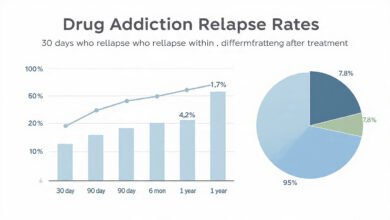
It is also worth understanding that recovery rarely follows a straight line. Relapse rates range between 40% and 60% and are a common part of the recovery process. Relapse is not failure. It is a signal that treatment needs to be adjusted, not abandoned. The goal is long-term recovery, and that is absolutely achievable with the right support.
Conclusion
Drug addiction warning signs rarely announce themselves with clarity. They tend to creep in quietly through physical changes, behavioral shifts, emotional instability, and social withdrawal, building slowly until they become impossible to ignore. This article has outlined 15 critical red flags across physical, behavioral, emotional, and substance-specific categories, along with practical guidance on how to respond when you recognize them.
The most important takeaway is this: the earlier these signs are caught, the better the outcome. Whether the concern is about yourself or someone you love, knowledge is the first step toward getting help. Do not wait for a crisis to act, because the warning signs that show up long before rock bottom are precisely the ones that offer the greatest opportunity for intervention, recovery, and a genuinely better life.