Alternative Therapies for Drug Addiction Recovery
Alternative therapies for drug addiction recovery offer powerful holistic tools — from acupuncture to mindfulness — that support lasting sobriety alongside conventional treatment.

Alternative therapies for drug addiction recovery are no longer fringe ideas discussed quietly in wellness circles. They are now being integrated into serious, evidence-informed treatment programs across the country — and for good reason.
Addiction is not just a physical dependency. It rewires the brain, strains relationships, disrupts emotional balance, and often leaves deep psychological wounds that standard medication and counseling alone cannot fully address. This is where complementary and alternative medicine (CAM) comes in.
Millions of people struggle with substance use disorders (SUDs) each year. According to the Substance Abuse and Mental Health Services Administration (SAMHSA), effective treatment often requires a multidimensional approach that targets the body, mind, and spirit simultaneously. CAM therapies do exactly that.
This article is not arguing that yoga replaces detox, or that acupuncture cures opioid addiction overnight. The honest truth is that no single treatment works for everyone. But the research is increasingly clear: when holistic addiction treatment methods are layered on top of conventional approaches, people tend to stay in recovery longer, manage cravings better, and build a more sustainable life. Whether you are personally navigating recovery or supporting someone who is, understanding these options gives you a wider toolkit — and that matters more than most people realize.
What Are Alternative Therapies for Drug Addiction Recovery?
Before diving into specific approaches, it helps to understand what we mean by “alternative” in this context.
The term complementary and alternative medicine (CAM) covers a broad range of practices that fall outside conventional Western medicine. When someone uses CAM alongside standard treatments like medication-assisted treatment (MAT) or cognitive behavioral therapy, it is called complementary. When someone uses it instead of conventional treatment, it is called alternative. A third and increasingly popular model, integrative addiction treatment, blends both worlds in a coordinated, intentional way.
The distinction matters because context shapes outcomes. A person combining mindfulness-based relapse prevention with therapy and medication support is in a very different position than someone relying solely on herbal remedies and refusing medical supervision. The goal of this article is to explore what works, what shows promise, and what requires caution.

Why Conventional Treatment Alone Often Falls Short
Addiction treatment has come a long way. Medications like buprenorphine, methadone, and naltrexone have saved lives. Behavioral therapies like cognitive behavioral therapy (CBT) and motivational interviewing are backed by decades of research. These tools matter enormously.
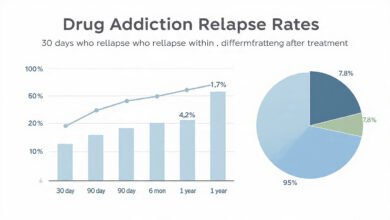
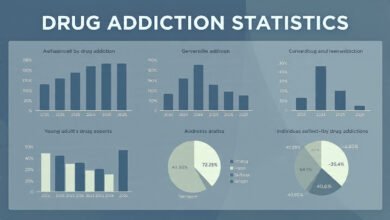
But the relapse rate for substance use disorders remains stubbornly high — hovering between 40% and 60% for many substances, according to the National Institute on Drug Abuse (NIDA). That number is not a failure of treatment so much as a reflection of how chronic and complex addiction is. Like diabetes or hypertension, it often requires ongoing management rather than a one-time cure.
Many people in recovery describe feeling emotionally numb, cut off from meaning, or unable to manage stress without their substance of choice. These gaps are precisely where alternative therapies for addiction tend to provide the most value. They address the emotional, spiritual, and neurological layers of recovery that medication and talk therapy do not always reach.
10 Powerful Alternative Therapies for Drug Addiction Recovery
1. Acupuncture for Addiction
Acupuncture is one of the most studied alternative therapies for substance use disorders. Rooted in Traditional Chinese Medicine (TCM), it involves inserting thin needles into specific points on the body to restore energy flow and promote healing.
In the context of addiction recovery, acupuncture has shown measurable benefits in:
- Reducing withdrawal symptoms such as anxiety, insomnia, and nausea
- Decreasing drug cravings, particularly for opioids and cocaine
- Lowering stress hormones and promoting relaxation
- Stimulating the release of endorphins, the brain’s natural pain-relieving chemicals
A specific protocol called the NADA protocol (National Acupuncture Detoxification Association) uses five points in the ear and has been widely adopted in detox facilities across the United States. While study results vary, electroacupuncture in particular has shown consistent results in reducing drug-seeking behaviors in clinical settings.
Who it may help most: People dealing with high anxiety during early withdrawal, those with opioid or cocaine use disorders, and individuals who respond poorly to pharmaceutical interventions.
2. Mindfulness Meditation and Mindfulness-Based Relapse Prevention (MBRP)
Mindfulness meditation is arguably the best-researched holistic therapy for addiction recovery available today. It trains the mind to observe thoughts and cravings without automatically reacting to them — a skill that turns out to be remarkably useful when a craving hits.
Mindfulness-Based Relapse Prevention (MBRP) is a structured program that combines mindfulness practices with traditional relapse prevention techniques. Research has consistently shown that MBRP:
- Reduces the frequency and intensity of substance cravings
- Improves emotional regulation
- Decreases the likelihood of relapse following treatment completion
- Helps people recognize triggers before they escalate
A landmark 2011 review found that mindfulness training significantly increases self-regulation and reduces emotional reactivity — two factors directly tied to relapse risk. For someone who used substances as a way to numb or escape difficult emotions, learning to be with discomfort rather than flee from it is genuinely life-changing.
How to Get Started with Mindfulness in Recovery
You do not need a fancy retreat or expensive app. Starting with 10 minutes of guided breath awareness daily and gradually building up is sufficient. Programs like MBRP are typically offered as eight-week group courses and are increasingly available through addiction treatment centers and outpatient programs.
3. Yoga for Substance Abuse Recovery
Yoga sits at the intersection of physical movement, breath control, and mental focus — and it turns out that combination is powerful for people in recovery. Research has found that yoga for addiction recovery can:
- Reduce anxiety and depression symptoms common in early sobriety
- Ease physical discomfort and tension associated with withdrawal
- Rebuild the mind-body connection that substance use tends to sever
- Decrease cravings, with particularly strong results for nicotine addiction in women
Beyond the physical benefits, yoga gives people in recovery a structured, non-pharmaceutical way to manage stress. Many people who used drugs or alcohol to relax have never developed healthy stress-reduction habits. Yoga fills that gap.
Several addiction treatment centers now offer yoga as part of their standard programming, and trauma-sensitive yoga has emerged as a specialized approach for people whose substance use is linked to past trauma.
4. Biofeedback and Neurofeedback Therapy
Biofeedback therapy uses sensors attached to the body to monitor physiological responses — heart rate, blood pressure, muscle tension, and brainwave activity — and feeds that information back to the patient in real time. The idea is simple: when you can see how your nervous system is responding, you can learn to influence it.
In addiction treatment, biofeedback helps by:
- Teaching the body to regulate its stress response
- Reducing anxiety and emotional volatility
- Building self-awareness about physical reactions to triggers
Neurofeedback, a subset of biofeedback focused specifically on brainwave activity, has attracted growing interest in addiction medicine. It targets the dysregulated reward pathways in the brain that addiction disrupts. Some studies suggest it can reduce drug cravings and improve impulse control, though more large-scale research is still needed.
Is Neurofeedback Worth Considering?
For people who have not responded well to standard approaches, neurofeedback may be worth exploring as part of an integrative treatment program. It is non-invasive, drug-free, and carries minimal side effects. That said, sessions can be expensive and are not always covered by insurance, so cost is a real consideration.
5. Art Therapy and Music Therapy for Addiction
Expressive arts therapies like art therapy and music therapy provide a non-verbal outlet for emotions that are often too raw or complex to articulate in a traditional therapy session.
Art therapy in addiction recovery allows people to externalize and examine feelings related to their substance use — shame, grief, anger, trauma — through drawing, painting, or sculpture. A trained art therapist then works with the individual to explore what the work reveals.
Music therapy similarly uses rhythm, melody, and lyric writing to support emotional processing and social connection. In group settings, it can be particularly effective at breaking down the isolation that addiction often creates.
Research supports both approaches as effective complementary therapies for SUDs, particularly for populations who struggle with verbal expression or who have co-occurring trauma.
6. Equine-Assisted Therapy (Equine Therapy)
Equine-assisted therapy might sound unusual, but its effectiveness has genuine scientific backing. Sessions involve working with horses under the guidance of a licensed therapist and a trained horse handler. Participants groom, lead, and observe horses — learning to build trust, read nonverbal cues, and regulate their own emotions in the process.
Why does this work? Horses are highly sensitive to emotional states. They respond to anxiety, aggression, and calm in ways that create immediate, honest feedback for the participant. People in recovery who may have spent years managing relationships through manipulation or avoidance find that horses do not respond to those tactics — and that revelation can be profoundly therapeutic.
Equine therapy is particularly effective for:
- Trauma-related addiction (where standard talk therapy feels unsafe)
- Adolescents and young adults in recovery
- People with co-occurring mental health disorders
7. Hypnotherapy for Drug and Alcohol Addiction
Hypnotherapy involves guiding a person into a deeply relaxed, focused state where the subconscious mind becomes more open to therapeutic suggestion. In addiction treatment, it is used to:
- Reduce the psychological appeal of substances
- Address underlying emotional triggers for use
- Strengthen motivation and commitment to sobriety
- Help manage anxiety and insomnia during early recovery
One well-cited study found that hypnotherapy combined with nicotine replacement therapy (NRT) produced better long-term cessation rates than NRT alone combined with standard behavioral therapy. While the evidence base for hypnotherapy in broader addiction contexts is still developing, many practitioners report meaningful results, particularly for people with strong anxiety components to their use.
It is worth noting that hypnotherapy works best with a trained, licensed practitioner. The popular image of swinging pocket watches and instantaneous behavioral change is a far cry from what actually happens in a clinical session.
8. Nutritional Therapy and Vitamin Supplementation
This one is often overlooked, but it is genuinely important. Chronic substance use depletes the body of essential nutrients. Alcohol destroys B vitamins, particularly thiamine (B1). Opioid use disrupts gut health. Stimulant abuse can lead to severe nutritional deficiencies across the board.
Nutritional therapy in addiction recovery addresses these deficiencies directly by:
- Restoring vitamins and minerals necessary for neurological function
- Supporting the production of neurotransmitters like serotonin and dopamine
- Reducing physical discomfort during detox and withdrawal
- Improving mood stability, energy levels, and sleep quality
Vitamin B1 supplementation is standard in alcohol detox protocols. Amino acid therapy, which provides the building blocks for neurotransmitter production, has gained traction as a way to help restore brain chemistry disrupted by long-term drug use.
A solid nutritional foundation will not by itself produce sobriety, but it creates a biochemical environment in which recovery becomes more physiologically possible.
9. Emotional Freedom Techniques (EFT Tapping)
Emotional Freedom Techniques (EFT), often called “tapping,” combine elements of cognitive therapy and acupressure. The technique involves tapping on specific meridian points on the face and body while verbally acknowledging the emotional issue being addressed and repeating affirmations of self-acceptance.
In addiction recovery, EFT has been used to:
- Reduce the intensity of substance cravings in the moment
- Decrease anxiety and emotional reactivity
- Address unresolved trauma that fuels addictive behavior
- Build self-compassion, which research links to better recovery outcomes
Studies on EFT are still relatively limited compared to more established therapies, but the existing evidence is encouraging. One pilot study found that EFT significantly reduced cravings for food and other substances. Its appeal in recovery settings is also practical: once learned, people can use it independently whenever a craving or emotional wave hits.
10. Adventure Therapy and Nature-Based Approaches
Adventure therapy uses outdoor activities — hiking, rock climbing, ropes courses, kayaking, camping — as the medium through which therapeutic work happens. It is an experiential addiction treatment approach, meaning the insight emerges from doing rather than talking.
The parallel between how someone approaches a challenge on a ropes course and how they approach challenges in their life is often striking. Adventure therapy reveals patterns — avoidance, risk-taking, trust issues, leadership instincts — in a concrete, real-time way that a therapy office rarely can.
Benefits include:
- Building resilience and confidence through managed challenges
- Developing teamwork and social connection skills
- Reducing depression symptoms through physical activity and nature exposure
- Creating positive experiences that compete with the memory of substance use
The research on adventure therapy in addiction is still growing, but the outcomes in residential programs have been consistently positive, particularly for younger adults.
How to Choose the Right Alternative Therapy for Your Recovery
Not every approach will suit every person. The right holistic addiction treatment for you depends on:
- Your specific substance use history — Some therapies show stronger results for particular substances (e.g., acupuncture for opioids, yoga for nicotine)
- Co-occurring conditions — Trauma, depression, and anxiety often respond well to specific CAM approaches
- Personal preferences and values — Therapy you are genuinely interested in is therapy you will actually show up for
- Practical accessibility — Cost, location, and insurance coverage are real constraints
- The qualifications of the provider — Always look for licensed, trained practitioners, especially for hypnotherapy, neurofeedback, and equine therapy
Using the ECHO framework — evaluating Efficacy, Cost, Harm, and Opinions from trusted healthcare providers — is a practical way to approach any new therapy systematically.
Important Cautions to Keep in Mind
A few things are worth saying directly:
- Alternative therapies are not replacements for evidence-based treatment. If a program offers only yoga and herbs with no licensed clinical support, that is a red flag.
- FDA oversight is limited for many CAM products. Herbal supplements in particular can interact dangerously with medications used in medication-assisted treatment (MAT).
- Research quality varies widely across therapies. Some have strong clinical trial support; others rely on anecdotal evidence. Be a discerning consumer.
- Always consult your healthcare provider before adding any new therapy, especially if you are on medications for withdrawal management or co-occurring mental health conditions.
The Future of Integrative Addiction Treatment
The field is moving steadily toward integrative models that treat addiction as the complex, whole-person condition it is. Major treatment organizations and academic researchers are increasingly calling for approaches that combine the best of conventional medicine with evidence-supported complementary therapies.
A 2021 study published in PMC found that CAM therapies, particularly mindfulness meditation and acupuncture, are gaining research attention globally and represent some of the most promising areas for improving long-term abstinence rates in people with substance use disorders. That is not a claim to minimize — it is a genuine signal that the field is evolving.
Recovery is not one-size-fits-all. It never has been. The expanding menu of alternative therapies for drug addiction recovery gives people more ways to find what actually works for them — and that is ultimately what the goal has always been.
Conclusion
Alternative therapies for drug addiction recovery offer a meaningful and growing complement to conventional treatment approaches. From acupuncture and mindfulness meditation to equine therapy, art therapy, and nutritional support, these approaches address the physical, emotional, and psychological dimensions of addiction that medication and standard counseling alone often miss.
While no single therapy is a silver bullet, the growing body of research confirms that integrating complementary and alternative medicine (CAM) into a comprehensive treatment plan can improve cravings management, emotional regulation, relapse prevention, and overall quality of life in recovery. The key is working with qualified providers, staying informed about the evidence, and building a personalized recovery plan that treats not just the addiction but the whole person behind it.