Flakka Treatment Centers: Finding Help in the USA
Flakka treatment centers across the USA offer proven recovery programs. Learn how to find the right help, what to expect, and how to pay for it.
Flakka treatment centers are saving lives across the United States, and the need for them has never been more urgent. Flakka — a synthetic cathinone also known as alpha-PVP — is one of the most dangerous designer drugs to hit American streets in recent memory. It is reportedly ten times more potent than cocaine, and in some cases, users have become severely addicted after a single use.
What makes flakka especially terrifying is what it does to a person’s mind and body. People have been found running naked through traffic, attacking strangers, or barricading themselves inside homes convinced they were being chased. These are not exaggerations. These are documented cases from Florida, Texas, and Ohio — states that saw some of the heaviest flakka abuse during its peak years.
If you or someone you care about is caught in the grip of flakka addiction, you are not out of options. In fact, the USA has a growing network of licensed flakka rehab facilities equipped to handle every stage of recovery — from medically supervised detox all the way through long-term aftercare. The path is not easy, but it is real, and thousands of people have walked it successfully.
This guide covers everything you need to know: what flakka does to the brain, what flakka addiction treatment actually involves, how to find the right facility, how to pay for it, and what long-term recovery looks like. Let’s get into it.
What Is Flakka and Why Is It So Addictive?
Before you can understand why flakka treatment centers approach this drug the way they do, it helps to understand the drug itself.
Flakka is the street name for alpha-pyrrolidinopentiophenone (alpha-PVP), a synthetic stimulant derived from cathinone — a compound found naturally in the African khat plant. Unlike the plant itself, which produces a mild high when its leaves are chewed, flakka is engineered in a lab and delivers a dramatically more intense and unpredictable effect.
The drug floods the brain with dopamine and norepinephrine while simultaneously blocking the reuptake of those chemicals. This means the brain gets hit with an overwhelming surge of stimulation and then gets stuck there. The result is an extreme high — but also extreme paranoia, hallucinations, aggression, and a terrifying psychological state sometimes called “excited delirium.”


How People Use Flakka
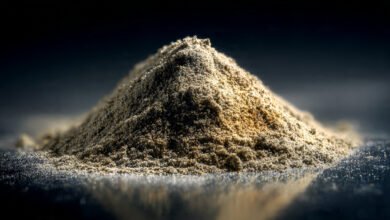
Flakka typically comes as pink or white crystals that look a lot like gravel or rock salt. People use it in several ways:
- Snorting — one of the most common routes
- Vaping or smoking — often through e-cigarettes, which makes it harder to detect
- Swallowing — usually in pill or crystal form
- Injecting — less common but far more dangerous
When vaped or injected, the drug hits the bloodstream almost instantly, making it harder to control the dose and increasing the risk of overdose dramatically.
Why Flakka Is So Hard to Quit
The addiction potential of flakka (alpha-PVP) is extraordinarily high. Many users report an almost compulsive need to use again within hours of their first experience. The crash that follows a flakka high — marked by severe depression, exhaustion, and intense cravings — pushes users right back to the drug just to feel normal again.
This rapid cycle of euphoria and withdrawal is what makes professional flakka addiction treatment so critical. Trying to quit without help is not just difficult — it can be physically dangerous.
Signs That Someone Needs a Flakka Treatment Center
Recognizing addiction early can make a huge difference in outcomes. Here are the key signs that someone may need to be evaluated by a flakka rehab center:
Physical signs:
- Rapid or irregular heartbeat
- Extreme overheating (hyperthermia)
- Muscle spasms or tremors
- Extreme weight loss
- Dilated pupils
Behavioral and psychological signs:
- Paranoia or extreme suspicion of others
- Visual or auditory hallucinations
- Aggressive or erratic behavior
- Inability to control drug use despite wanting to stop
- Withdrawing from family, friends, and responsibilities
- Neglecting work, school, or household obligations
Signs specific to flakka withdrawal:
- Intense depression when not using
- Fatigue and inability to feel pleasure (anhedonia)
- Strong cravings that override rational thinking
- Anxiety and agitation
If you are seeing multiple items from these lists in someone close to you, the situation calls for professional evaluation. Flakka addiction does not get better on its own, and the longer it goes untreated, the more damage it does to the brain, body, and relationships.
What Happens at a Flakka Treatment Center?
The Full Continuum of Flakka Addiction Treatment
Flakka treatment centers do not use a one-size-fits-all approach. The best facilities offer what’s called a “continuum of care” — a progression of treatment settings that matches the intensity of care to the severity of the addiction. Here’s how that typically breaks down:
Step 1 — Medical Detox
The first and most critical stage is medically supervised detox. This is where the body clears itself of flakka under the watchful eye of physicians and nurses.
Flakka withdrawal can be intense and, in some cases, dangerous. Common withdrawal symptoms include:
- Severe depression and emotional instability
- Agitation and restlessness
- Insomnia
- Paranoia that can persist for days
- Risk of seizures in heavy users
Because there are currently no FDA-approved medications specifically for flakka withdrawal, treatment focuses on managing symptoms. Medical teams may administer benzodiazepines to control agitation and prevent seizures, antipsychotics to address paranoia and hallucinations, and IV fluids to manage overheating and dehydration.
Attempting to detox from flakka at home is genuinely dangerous. The psychological symptoms alone — including suicidal ideation and extreme paranoia — require clinical supervision. Do not skip this step.
Step 2 — Inpatient / Residential Rehab
After detox, most patients with a significant flakka addiction enter inpatient or residential treatment. This level of care provides 24/7 support in a structured environment away from the triggers and access to drugs that exist in everyday life.
Inpatient programs at flakka rehab facilities typically last 30 to 90 days, though some cases require longer stays. During this time, patients participate in a structured daily schedule that includes:
- Individual therapy — typically cognitive behavioral therapy (CBT), which helps patients identify the thought patterns and emotional triggers that drive drug use
- Group therapy — provides peer support and teaches social coping skills
- Dialectical behavior therapy (DBT) — especially useful for patients with emotional dysregulation
- Family therapy — helps repair relationships damaged by addiction and educates loved ones on how to provide support
- Psychoeducation — teaches patients about addiction, how flakka affects the brain, and what recovery looks like
- Relapse prevention planning — identifying high-risk situations and building concrete strategies to avoid them
Many residential programs also incorporate holistic therapies like yoga, meditation, art therapy, and fitness programs. These are not just nice extras — they play a genuine role in restoring the body’s natural dopamine production, which flakka had hijacked.
Step 3 — Partial Hospitalization Program (PHP)
A Partial Hospitalization Program is a step down from residential care. Patients attend the treatment center for six to eight hours per day, five days a week, then return home or to a sober living facility in the evenings.
PHP is a good fit for people who:
- Have completed residential treatment and need continued structure
- Have a stable and supportive home environment
- Do not have a history of severe relapse
Step 4 — Intensive Outpatient Program (IOP)
An Intensive Outpatient Program requires less time on-site — typically nine to twelve hours per week spread across three to four days. It is still therapy-heavy and structured, but it allows patients to maintain work, school, or family responsibilities while continuing treatment.
IOP is often the right choice for patients with milder flakka substance use disorders, or as a bridge between PHP and standard outpatient care.
Step 5 — Standard Outpatient and Aftercare
Standard outpatient treatment involves attending therapy sessions once or twice a week. This is maintenance-level care focused on preventing relapse and addressing ongoing mental health needs.
Aftercare can also include:
- 12-step programs such as Narcotics Anonymous (NA)
- SMART Recovery — a science-based alternative to 12-step programs
- Sober living homes — structured housing that provides accountability during early recovery
- Alumni programs offered by many licensed flakka rehabilitation centers
Dual Diagnosis: Treating Mental Health Alongside Flakka Addiction
One of the most important things to understand about flakka addiction treatment is that most people who abuse flakka are also dealing with underlying co-occurring mental health disorders. These can include:
- Depression or bipolar disorder
- Anxiety disorders
- Post-traumatic stress disorder (PTSD)
- Schizophrenia or psychosis
Flakka itself can trigger or worsen psychosis, even in people with no prior psychiatric history. Some effects can persist for weeks or months after the last use.
This is why the best flakka treatment centers in the USA offer dual diagnosis treatment — meaning they address addiction and mental health simultaneously rather than treating them as separate issues. Research consistently shows that treating only the addiction without addressing the underlying mental health condition leads to higher relapse rates.
When choosing a flakka rehab program, ask specifically whether they offer integrated dual diagnosis care and whether they have licensed psychiatrists on staff.
How to Find the Right Flakka Treatment Center in the USA
Not every rehab facility has experience with synthetic cathinone addiction, so knowing how to evaluate your options matters. Here is what to look for:
Check Accreditation and Licensing
Every legitimate flakka addiction rehab center in the United States should be licensed by its state’s Department of Health or Behavioral Health Services. Look for additional accreditation from organizations like:
- The Joint Commission (JCAHO)
- Commission on Accreditation of Rehabilitation Facilities (CARF)
These accreditations signal that the facility meets rigorous standards for care quality, staff qualifications, and patient safety.
Ask About Their Experience with Synthetic Drug Addiction
Flakka is not the same as heroin or alcohol. Its psychological effects are unique, and the treatment approach needs to reflect that. When you call a facility, ask directly:
- Have you treated patients with flakka or other synthetic cathinone addiction?
- Do you have psychiatrists on staff to manage psychotic symptoms?
- What specific therapies do you use for stimulant use disorders?
A facility that can answer these questions with specificity is in a much better position to help.
Use SAMHSA’s National Helpline and Treatment Locator
The Substance Abuse and Mental Health Services Administration (SAMHSA) operates a free, confidential helpline that runs 24 hours a day, 365 days a year. The number is 1-800-662-4357. They can connect you to local treatment options, answer questions about insurance, and help you navigate the system.
You can also use SAMHSA’s online Behavioral Health Treatment Services Locator to search for certified treatment facilities by zip code.
Consider Location Carefully
Distance from home has pros and cons in flakka addiction recovery. Some patients benefit from going out of state — away from the people, places, and triggers associated with drug use. Others do better staying close to family support systems.
States with historically high flakka activity — Florida, Texas, Ohio, and Tennessee — also happen to have some of the most experienced and well-resourced flakka rehab facilities in the country. If you live in one of these states, you have strong local options. If you don’t, traveling for treatment is worth considering if the right program is not available nearby.
How to Pay for Flakka Treatment
Cost is one of the biggest barriers to seeking help, but there are more options than most people realize.
Health Insurance Coverage
The Affordable Care Act (ACA) requires that most health insurance plans cover substance use disorder treatment at the same level as other medical conditions. This includes Medicaid and Medicare. Before ruling out a treatment center based on cost, call your insurance provider and ask:
- Is flakka addiction treatment covered under my plan?
- What types of programs are covered (detox, inpatient, IOP, outpatient)?
- What is my deductible, copay, and out-of-pocket maximum?
Most reputable flakka rehab centers have admissions staff who can verify your insurance benefits for you at no charge.
Medicaid and State-Funded Programs
If you do not have private insurance, Medicaid covers addiction treatment in most states, and eligibility has expanded significantly in recent years. State-funded programs and sliding-scale fee options are also available through many nonprofit treatment organizations. SAMHSA’s locator tool can filter results by payment type, making it easier to find affordable options.
Financing and Payment Plans
Many private flakka treatment facilities offer payment plans that spread the cost over time. Some work with third-party healthcare financing companies like CareCredit to make residential treatment accessible to people without insurance or with high deductibles.
What Long-Term Recovery from Flakka Looks Like
Recovery is not a destination — it is an ongoing process. But understanding what long-term recovery actually involves can help manage expectations and reduce the fear of starting.
Most people who complete treatment at a flakka rehab center and engage seriously with aftercare can expect:
- Early recovery (0–6 months): This is the most vulnerable period. Cravings are still present, emotional regulation is still developing, and the brain is still healing from the neurological damage flakka causes. Regular therapy, support group participation, and sometimes sober living are critical during this phase.
- Middle recovery (6 months–2 years): Stability improves, but underlying mental health issues may still surface. Continued therapy and a strong support network remain essential.
- Long-term recovery (2+ years): Most people who make it to this stage describe a quality of life that is genuinely better than what they had before — not just the absence of drug use, but rebuilt relationships, career progress, and emotional wellbeing.
Relapse is a real possibility at any stage, and it does not mean failure. According to the National Institute on Drug Abuse (NIDA), relapse rates for substance use disorders are comparable to those of other chronic illnesses like diabetes and hypertension — in the range of 40% to 60%. What matters is getting back into treatment quickly rather than giving up on recovery.
You can read more about evidence-based addiction recovery approaches through the National Institute on Drug Abuse, which publishes detailed research on synthetic cathinone addiction and behavioral treatment outcomes.
Flakka Treatment Centers by Region: Where to Find Help in the USA
Flakka treatment centers are found in every region of the country, though concentration is highest in states with the most documented flakka use. Here is a regional overview:
Northeast
States like New Hampshire, Massachusetts, and Pennsylvania have strong behavioral health infrastructure. Greater Boston Addiction Centers, Bold Steps Behavioral Health (Pennsylvania), and Sobriety Centers of New Hampshire all offer specialized programs for synthetic drug addiction.
Southeast
Florida remains the state with the most experience treating flakka addiction, given that the drug first surged in Broward County. Spring Gardens Recovery in Spring Hill, FL, and Ambrosia Treatment Center in South Florida are among the established options. Tennessee’s Mirror Lake Recovery also has a strong reputation in this region.
Midwest
Ohio saw a significant flakka problem, and its network of addiction treatment centers has experience handling synthetic cathinone cases. Look for CARF-accredited facilities in Columbus, Cleveland, and Cincinnati.
West
California has some of the largest and most well-resourced inpatient rehab programs in the country. Facilities like Michael’s House in Palm Springs, CA, offer comprehensive synthetic drug treatment programs.
When evaluating any facility, use the criteria covered earlier — licensing, dual diagnosis capability, and experience with stimulant addiction — regardless of where it is located.
Common Questions About Flakka Addiction Treatment
Can flakka psychosis be permanent? In some cases, heavy or prolonged flakka use has caused lasting neurological changes that result in persistent psychotic symptoms. This is more likely in people with pre-existing psychiatric conditions. However, many people see significant improvement once they stop using and receive proper psychiatric care. Early treatment significantly improves outcomes.
How long does flakka detox take? The acute phase of flakka withdrawal typically lasts three to seven days, though psychological symptoms like depression, anxiety, and cravings can persist for weeks. This is why detox alone is never sufficient — it is just the beginning of treatment.
Is there a medication that treats flakka addiction? There is currently no FDA-approved medication specifically for flakka addiction. Treatment is primarily behavioral. However, medications may be used to manage specific withdrawal symptoms (benzodiazepines for agitation), co-occurring depression or anxiety (antidepressants), or psychotic symptoms (antipsychotics).
What if someone refuses treatment? This is one of the hardest situations families face. A trained intervention specialist can help families have a structured conversation that encourages a loved one to accept help. SAMHSA’s helpline can provide referrals to interventionists. In some states, involuntary commitment laws (sometimes called Marchman Act in Florida) allow families to petition a court to order an evaluation or short-term treatment.
Conclusion
Flakka treatment centers across the USA offer a real path out of one of the most destructive addictions a person can face. From medically supervised detox and inpatient rehab to intensive outpatient programs, dual diagnosis care, and long-term aftercare, the treatment system has the tools to help — but the first step is always the hardest: reaching out. Whether you start by calling SAMHSA’s helpline at 1-800-662-4357, talking to your doctor, or simply researching licensed facilities in your area, every action you take moves you or your loved one closer to recovery. Flakka is powerful, but so is the human ability to heal — and no one has to face this fight alone.