Prescription Opioid Addiction: How It Starts and How to Stop
Prescription opioid addiction destroys lives fast. Learn exactly how it starts, the warning signs to watch, and the proven steps to stop it and reclaim your life.

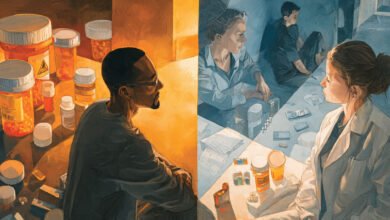
Prescription opioid addiction does not begin in a dark alley. It often begins with a doctor’s visit, a back injury, a surgery, or a dental procedure. A physician hands you a prescription for oxycodone or hydrocodone, you follow the instructions, and within days your brain starts changing in ways you never saw coming.
This is what makes prescription opioid addiction so uniquely dangerous. Unlike illicit drug use, it arrives through a door most people trust completely: medical care. And by the time a person realizes something has gone wrong, the physical and psychological grip of opioids can be incredibly hard to break.
The opioid crisis in the United States has claimed hundreds of thousands of lives over the past two decades. According to the CDC, more than 80,000 people died from opioid-related overdoses in a single recent year, and a significant portion of those deaths trace back to prescription opioid misuse that quietly escalated over months or years.
But here is the part that gets overlooked in the statistics: opioid use disorder is treatable. Recovery is not just possible for some people — it is possible for most people who get the right help. This article walks you through exactly how prescription opioid addiction starts, what it does to the brain and body, the warning signs you should never ignore, and the most effective, evidence-based paths to stop it.
What Are Prescription Opioids? Understanding the Basics
Before we get into how prescription opioid addiction develops, it helps to understand what opioids actually are.
Prescription opioids are a class of drugs derived from or chemically similar to the opium poppy plant. They work by binding to opioid receptors in the brain, spinal cord, and other parts of the body to block pain signals and produce feelings of relief, calm, and in many cases, euphoria.
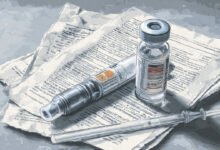
Common prescription opioids include:

- Oxycodone (OxyContin, Percocet)
- Hydrocodone (Vicodin, Norco)
- Morphine (MS Contin)
- Codeine
- Fentanyl (Duragesic patches, Actiq)
- Tramadol (Ultram)
- Hydromorphone (Dilaudid)
These medications are genuinely useful for managing acute pain after surgery, cancer-related pain, and certain chronic conditions. The problem is that opioids are also highly addictive, and that risk does not disappear just because the drug came from a pharmacy.
How Prescription Opioid Addiction Starts: 7 Pathways You Need to Know
This is where most articles stop short. They say “opioids are addictive” without explaining the actual mechanisms. Here is a detailed breakdown of the seven most common ways prescription opioid addiction develops.
1. The Brain’s Reward System Gets Hijacked
When you take an opioid, it floods the brain with dopamine, a neurotransmitter associated with pleasure and reward. This creates an intense sense of well-being that the brain wants to repeat. Over time, the brain begins to associate opioids with survival-level rewards, placing them in the same priority category as food, water, and human connection.
This is not a character flaw. This is biology. The opioid receptors in the brain are being chemically overridden, and the brain rewires itself to accommodate the new normal. Once that rewiring starts, stopping becomes physically and psychologically painful, not just uncomfortable.
2. Tolerance Builds Faster Than Most People Expect
Within a few days to weeks of regular opioid use, the brain adapts by reducing the number and sensitivity of opioid receptors. The same dose no longer produces the same effect. This is opioid tolerance, and it creates a dangerous cycle: you need more of the drug to get the same relief, so you take more, and tolerance increases further.
Many people who develop prescription opioid addiction describe this moment clearly. The medication stopped working the way it did at first, so they began taking doses more frequently or in larger amounts than prescribed, without even fully realizing it was happening.
3. Physical Dependence Develops Without the Person Knowing
Physical dependence is not the same as addiction, but it is a critical step on that path. Once the body becomes accustomed to opioids, stopping or significantly reducing the dose triggers opioid withdrawal symptoms.
These withdrawal symptoms can include:
- Intense muscle aches and cramps
- Severe anxiety and restlessness
- Nausea, vomiting, and diarrhea
- Sweating and chills
- Insomnia
- Strong drug cravings
Because these symptoms are so physically distressing, many people continue taking opioids not to get high, but simply to avoid feeling sick. At this point, opioid dependence has set in even if the person never intended to misuse their medication.
4. Long-Term Chronic Pain Treatment Increases Risk
People prescribed prescription opioids for long-term chronic pain management — back pain, fibromyalgia, arthritis, nerve damage — face a particularly high risk of developing opioid use disorder (OUD). Extended exposure gives tolerance and dependence more time to develop, and the underlying pain condition can make it extremely difficult to distinguish between pain returning and withdrawal symptoms.
Research published in peer-reviewed journals has consistently found that the longer opioids are prescribed, the higher the risk of opioid misuse. A prescription that stretches beyond 90 days significantly increases the statistical likelihood of long-term dependence.
5. Mental Health Conditions Amplify the Risk
Prescription opioid addiction develops at much higher rates in people living with untreated or undertreated mental health disorders, including depression, anxiety, PTSD, and bipolar disorder. Opioids temporarily blunt emotional pain as well as physical pain, making them particularly appealing to people who are already struggling.
This is sometimes called self-medication. The person is not chasing a high; they are looking for relief from emotional suffering. But the relief is temporary, and the cost is increasingly steep. Over time, the underlying mental health condition worsens while opioid dependence tightens its grip.
6. Genetic and Family History Factors
Genetics play a significant role in opioid addiction risk. Studies have shown that people with a family history of substance use disorder are at substantially higher risk of developing prescription opioid addiction themselves. Certain genetic variations affect how the brain processes dopamine and how opioids bind to receptors, making some people more vulnerable than others from the very first dose.
This does not mean addiction is inevitable for anyone. But it does mean that if you have a strong family history of addiction, you and your doctor need to have an honest conversation before any opioid prescription is written.
7. Recreational or High-Dose Use
Some people begin misusing prescription opioids recreationally, either their own prescriptions or pills obtained from friends, family members, or illegal sources. High-dose or non-prescribed use dramatically accelerates the development of opioid addiction because it bypasses the gradual dose titration a doctor would oversee and delivers a much stronger, faster dopamine signal.
According to the National Institute on Drug Abuse (NIDA), about 80% of people who use heroin first misused prescription opioids, illustrating just how quickly prescription opioid misuse can escalate to harder substances when access is cut off.
Warning Signs of Prescription Opioid Addiction
Recognizing prescription opioid addiction early is one of the most important things a person or family member can do. The warning signs include both behavioral and physical changes:
Behavioral signs:
- Taking opioids in higher doses or more frequently than prescribed
- Visiting multiple doctors to obtain additional prescriptions (doctor shopping)
- Spending significant time obtaining, using, or recovering from opioids
- Withdrawing from family, friends, and activities previously enjoyed
- Continuing to use despite negative consequences at work, home, or in relationships
- Lying about medication use or hiding pills
- Losing interest in responsibilities, hygiene, or personal goals
Physical signs:
- Opioid withdrawal symptoms when the drug is not available
- Drowsiness, slurred speech, or slowed breathing
- Constricted pupils
- Noticeable weight loss
- Frequent complaints of needing more medication for the same pain level
- Experiencing opioid tolerance — needing more to feel normal
If you recognize several of these signs in yourself or someone you care about, it is not a reason for shame. It is a reason to act. Opioid use disorder is a medical condition, not a moral failure.
The Physical Effects of Prescription Opioid Addiction on the Body and Brain
Understanding what prescription opioid addiction actually does internally helps explain why quitting without support is so difficult.
Brain Changes
Long-term opioid use physically changes the structure and chemistry of the brain. The prefrontal cortex — the part responsible for decision-making, impulse control, and judgment — becomes less active. The brain’s reward circuitry becomes hypersensitive to opioids while becoming less responsive to natural rewards like food, sex, connection, or accomplishment.
This is why people deep in prescription opioid addiction sometimes seem to lack motivation for anything else. It is not laziness. The brain’s reward system has been chemically rebalanced around the drug.
Body and Organ Impact
Beyond the brain, chronic opioid use affects:
- Hormonal systems: Opioids suppress testosterone and estrogen production, leading to sexual dysfunction, reduced libido, and mood disturbances.
- Immune function: Regular opioid use weakens the immune system, making users more susceptible to infections.
- Gastrointestinal health: Opioid-induced constipation is one of the most common and persistent side effects, and in severe cases it can lead to serious complications.
- Respiratory system: High doses of opioids suppress breathing. Opioid overdose is most often fatal because breathing slows to a stop.
How to Stop Prescription Opioid Addiction: Evidence-Based Treatment Options
This is the part that matters most. Prescription opioid addiction is treatable. The science is clear, the tools exist, and millions of people have recovered. Here is what effective treatment actually looks like.
Medical Detox: The First Step
Attempting to stop opioids cold turkey is dangerous and rarely successful without medical support. Opioid withdrawal, while not typically life-threatening on its own, is physically brutal and leads to high relapse rates when managed alone.
Medical detox involves supervised withdrawal in a hospital, detox center, or clinic setting, where clinicians can manage symptoms safely and keep the person comfortable enough to get through the acute phase. This is the necessary foundation before any longer-term treatment begins.
Medication-Assisted Treatment (MAT): The Gold Standard
Medication-assisted treatment (MAT), now often called medications for opioid use disorder (MOUD), is the most evidence-supported approach to treating opioid addiction. It combines FDA-approved medications with counseling and behavioral therapy.
The three primary medications used are:
Buprenorphine (Suboxone, Subutex)
Buprenorphine is a partial opioid agonist. It activates the same receptors as other opioids but with a ceiling effect that significantly reduces the risk of overdose. It manages cravings and withdrawal symptoms without producing the intense high of drugs like oxycodone. It can be prescribed by certified physicians from an office setting, making it far more accessible than older treatment models. According to the CDC, treatment plans that include medication significantly increase the chance of successful recovery.
Methadone
Methadone is a long-acting full opioid agonist that must be dispensed from licensed opioid treatment programs (OTPs) or methadone clinics. It is highly effective for severe opioid use disorder and has decades of clinical evidence behind it. Because it requires daily clinic visits (at least initially), it provides both the medication and structured oversight.
Naltrexone (Vivitrol)
Naltrexone is an opioid antagonist, meaning it blocks opioid receptors entirely. It produces no high, relieves no cravings neurologically, but prevents opioids from working if a person relapses. It is available as a daily pill or monthly injection. It works best for people who are already fully detoxed from opioids and highly motivated to maintain abstinence.
Behavioral Therapy and Counseling
Medication is most effective when combined with therapy. The most commonly used and evidence-backed approaches include:
- Cognitive Behavioral Therapy (CBT): Helps individuals identify and change the thoughts and behaviors that drive opioid misuse
- Motivational Interviewing (MI): Builds internal motivation for change by exploring ambivalence honestly
- Contingency Management: Uses positive reinforcement (rewards) to encourage abstinence and treatment participation
- Group therapy and peer support: Programs like Narcotics Anonymous (NA) and other peer-led support groups provide community, accountability, and lived experience
Residential and Inpatient Treatment Programs
For people with severe prescription opioid addiction, a structured inpatient or residential treatment program offers a full-time therapeutic environment away from triggers, stress, and drug access. These programs typically last 30 to 90 days and combine MAT, individual therapy, group therapy, and relapse prevention planning.
Outpatient Treatment Programs
Intensive outpatient programs (IOP) allow people to receive several hours of treatment per day while continuing to live at home and, in many cases, maintain work and family responsibilities. For those with moderate opioid use disorder and a stable home environment, IOPs can be highly effective.
Preventing Relapse: The Long Game in Recovery
Recovery from prescription opioid addiction is not a single event. It is an ongoing process. Relapse rates for opioid addiction are comparable to those for other chronic conditions like diabetes and hypertension, which is exactly why addiction specialists increasingly treat it within a chronic care framework.
Effective relapse prevention includes:
- Continuing medication for as long as clinically recommended, even if you feel well
- Regular therapy or counseling check-ins, even after the acute phase ends
- Building a strong sober support network of people who understand recovery
- Identifying and managing triggers — specific people, places, emotions, or situations that increase cravings
- Treating co-occurring mental health conditions alongside the addiction itself
- Developing healthy coping strategies for pain, stress, and emotional discomfort that do not involve substances
- Having naloxone (Narcan) available, as an overdose-reversal medication, in case of emergency
One point worth emphasizing: relapse does not mean failure. It means the treatment plan needs adjustment. The response to relapse should be medical, not punitive.
How to Talk to a Doctor About Prescription Opioid Addiction
Many people delay getting help because they are afraid of what their doctor will think. Let’s address that directly.
Physicians are trained to treat opioid use disorder. Most are not there to judge you. And since the passage of legislation expanding access to buprenorphine treatment, many primary care doctors, family physicians, and nurse practitioners can prescribe MAT in their offices.
When you sit down with your doctor, be straightforward:
- Tell them the drug, the dose, and how long you have been taking it
- Describe what happens when you try to reduce or stop
- Be honest about whether you have been taking more than prescribed
- Ask about your options for medically supervised detox and medication-assisted treatment
If your current doctor is not comfortable treating opioid addiction, ask for a referral, or contact SAMHSA’s National Helpline at 1-800-662-HELP (4357) for free, confidential referrals to treatment programs near you. The service is available 24 hours a day, 365 days a year.
The Role of Family and Community in Prescription Opioid Recovery
Recovery is significantly stronger when a person is not doing it alone. Family members and close friends can play a meaningful role, but it requires education, boundaries, and patience.
Helpful things loved ones can do:
- Learn about opioid use disorder as a medical condition, not a choice
- Avoid enabling behaviors like providing money that may go toward drugs or covering up consequences
- Encourage treatment rather than ultimatums (unless safety is at immediate risk)
- Attend family therapy sessions when offered
- Take care of their own mental health through support groups like Nar-Anon or counseling
What does not help, even when it comes from love: shaming, threatening, hiding medications, or trying to manage a loved one’s recovery unilaterally. Prescription opioid addiction requires professional treatment, not just willpower and family pressure.
Addressing Chronic Pain After Opioid Addiction
One of the most complicated aspects of prescription opioid addiction recovery is figuring out how to manage ongoing pain. Many people started opioids for legitimate pain and fear that quitting will leave them suffering without relief.
The good news is that there are real, effective non-opioid pain management alternatives:
- NSAIDs and acetaminophen for mild to moderate pain
- Anticonvulsants like gabapentin or pregabalin for nerve pain
- Antidepressants that help modulate pain signals
- Physical therapy and exercise for musculoskeletal conditions
- Cognitive behavioral therapy for chronic pain (CBT-CP)
- Acupuncture and mindfulness-based stress reduction (MBSR)
- Nerve blocks or interventional pain procedures for specific conditions
Working with a pain specialist and an addiction medicine specialist together is often the most effective approach for people navigating both chronic pain and opioid use disorder simultaneously.
Prescription Opioid Addiction in Specific Populations
Prescription opioid addiction does not affect everyone the same way. Some groups face unique challenges.
Adolescents and Young Adults
Younger people whose brains are still developing are especially vulnerable to the neurological effects of opioids. Teen access to prescription opioids often begins in the home medicine cabinet, and early exposure significantly increases the likelihood of long-term substance use disorder.
Older Adults
Prescription opioids are widely prescribed to older adults for conditions like arthritis, post-surgical pain, and cancer. Age-related changes in metabolism mean opioids stay in the body longer and at higher concentrations, increasing the risk of opioid overdose and dependence even at doses that might be reasonable for younger adults.
Pregnant Women
Prescription opioid use during pregnancy is a serious concern. Opioid use disorder in pregnancy requires careful medical management. Stopping abruptly can be dangerous for both mother and fetus. Buprenorphine is generally the preferred MAT option during pregnancy, and it significantly reduces the risk of neonatal opioid withdrawal syndrome (NOWS) compared to continued illicit opioid use.
Conclusion
Prescription opioid addiction is one of the most serious and misunderstood public health challenges of our time. It starts quietly — through trusted medical care, genetic vulnerability, unmanaged pain, or mental health struggles — and it escalates through biology, not weakness. The brain’s chemistry changes, tolerance builds, physical dependence sets in, and what began as a prescription becomes a daily necessity.
But the science is equally clear on the other side: opioid use disorder is a treatable medical condition, and effective tools exist right now. From medication-assisted treatment with buprenorphine, methadone, or naltrexone, to behavioral therapies, peer support, and chronic pain alternatives, there are proven pathways out. Recognizing the warning signs early, talking honestly with a healthcare provider, and understanding that recovery is a long-term process rather than a single decision — these are the foundations of getting free from prescription opioid addiction and staying free.