Naloxone (Narcan): How It Saves Lives from Opioid Overdose
Naloxone (Narcan) reverses opioid overdose in minutes. Learn how it works, how to use it, where to get it, and why it saves thousands of lives every year.
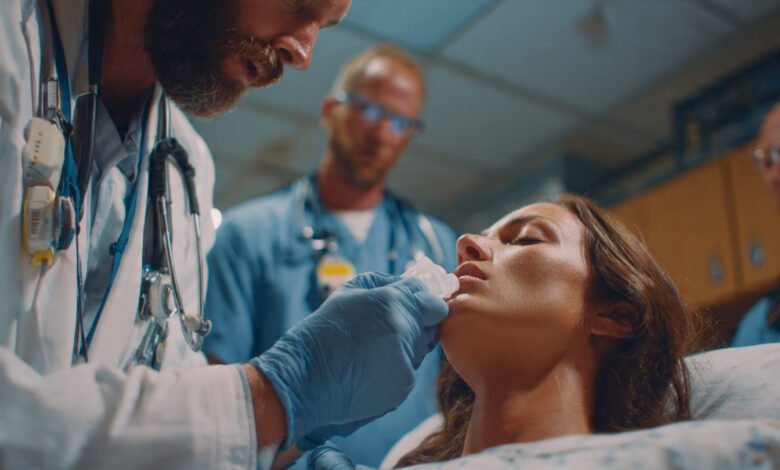
Naloxone (Narcan) is one of the most important emergency medicines ever developed — and most people still don’t know how it works, where to get it, or what to do when they need it.
Every day in the United States, more than 130 people die from an opioid overdose. Behind each of those numbers is a family that lost someone. In many cases, the difference between life and death comes down to one thing: whether someone nearby had naloxone and knew how to use it.
This article explains exactly what Naloxone (Narcan) is, how it reverses a potentially fatal opioid overdose, who should carry it, how to administer it, and where you can get it — with or without a prescription. Whether you’re a concerned family member, a healthcare provider, a first responder, or someone who uses opioids yourself, understanding naloxone could save a life. Possibly your own.
The opioid crisis has touched virtually every community in America and across the globe. Fentanyl, heroin, oxycodone, morphine, and other powerful opioids are responsible for hundreds of thousands of deaths in the last two decades. But naloxone offers a real, proven counterattack — a medication so safe and effective that it’s now available over the counter at most pharmacies. Let’s break it all down.
What Is Naloxone (Narcan)? Understanding the Basics
Naloxone (Narcan) is an opioid antagonist — a medication specifically designed to rapidly reverse the effects of opioid drugs in the body. It was first approved by the U.S. Food and Drug Administration (FDA) in 1971 and has been a staple of emergency medicine ever since.
The brand name most people recognize is Narcan, but naloxone is also sold under other brand names like Kloxxado and Zimhi, as well as generic formulations. The name “Narcan” has become so widely used that many people call all naloxone products by that name, regardless of the specific brand.
Naloxone (Narcan) works exclusively on opioid receptors in the brain and body. This is important to understand from the start: it only works against opioids. It has no effect on overdoses caused by alcohol, cocaine, benzodiazepines, or other non-opioid substances.

What Makes Naloxone (Narcan) Different from Other Antidotes?
Most overdose antidotes work by suppressing symptoms or counteracting a drug’s effects indirectly. Naloxone works differently. It physically displaces opioid molecules from their receptor binding sites and blocks those receptors from being reactivated — at least temporarily. Think of it as changing the lock so the key no longer fits.
Because naloxone has a stronger binding affinity for mu-opioid receptors than opioids themselves do, it can “kick out” drugs like fentanyl, heroin, oxycodone, and morphine that are already attached to those receptors. The result is rapid — often dramatic — reversal of overdose symptoms.
Key characteristics that make Naloxone (Narcan) uniquely valuable:
- Non-addictive: It has no potential for abuse and produces no high or euphoric effect
- Non-scheduled: It is not a controlled substance
- Fast-acting: It begins working within 2 to 5 minutes of administration
- Temporary: Its effects last between 30 and 90 minutes
- Safe: It has minimal side effects in people who have not taken opioids
How Naloxone (Narcan) Works to Reverse an Opioid Overdose
To understand how Naloxone (Narcan) saves lives, you need to understand what happens during an opioid overdose in the first place.
When someone takes opioids — whether that’s fentanyl, heroin, oxycodone, or even prescription pain pills like morphine — those drugs bind to mu-opioid receptors throughout the body. The brain, spinal cord, and brainstem all have these receptors. When opioids attach to receptors in the brainstem, they suppress the body’s automatic drive to breathe.
In a normal scenario, a moderate amount of opioid creates pain relief and sedation. But when someone takes too much — or takes fentanyl, which is 50 to 100 times more potent than morphine — the respiratory system slows to a dangerous crawl and can stop altogether. Without oxygen, the brain begins to suffer damage within minutes. Death can follow.
Naloxone enters the picture by:
- Binding to opioid receptors with a higher affinity than the opioid drugs themselves
- Displacing opioid molecules from those receptor sites
- Blocking the receptors so opioids cannot reattach — at least temporarily
- Restoring normal breathing by removing the chemical “brake” on the brainstem’s respiratory center
According to NIDA (National Institute on Drug Abuse), naloxone can quickly restore normal breathing to a person experiencing an opioid overdose, making it one of the most effective emergency interventions available for this type of crisis.
Why Timing Matters So Much in Opioid Overdose Reversal
One of the most critical facts about Naloxone (Narcan) is that time is everything. Every minute without oxygen increases the risk of permanent brain damage or death. The sooner naloxone is administered after an opioid overdose begins, the better the outcome.
This is exactly why bystander access to naloxone matters so much. Emergency responders may take 10 to 15 minutes to arrive. A person sitting next to someone who is overdosing can act in seconds. Community naloxone programs and take-home naloxone initiatives exist specifically to put this life-saving medication in the hands of people who are most likely to be present when an overdose happens.
Recognizing the Signs of an Opioid Overdose
You cannot use Naloxone (Narcan) effectively if you don’t know what an opioid overdose looks like. The signs can appear quickly — sometimes within minutes of a person taking opioids, especially fentanyl.
Key Warning Signs to Watch For
Classic opioid overdose symptoms include:
- Unresponsive or unconscious: The person cannot be woken up, even with a sternal rub or loud noise
- Slow, shallow, or stopped breathing: Fewer than one breath every five seconds, or no breathing at all
- Pinpoint pupils: Very small, constricted pupils regardless of lighting conditions
- Blue or grayish lips and fingertips (cyanosis): A sign that oxygen levels have dropped dangerously low
- Gurgling or “death rattle” sound: A deep, slow, irregular breathing sound
- Limp body: No muscle tone; the person cannot hold themselves upright
- Pale or clammy skin
It is also important to note what an overdose is not. Someone who is sleeping deeply and can be woken up easily is likely not overdosing. But when in doubt, treat it as an emergency.
The “Sternal Rub” Test
A quick field test is the sternal rub — applying firm pressure with your knuckles along the breastbone. Someone who is just sleeping will react or wake up. Someone in an opioid overdose typically will not respond at all. If they don’t respond, treat it as an overdose and act immediately.
The 7 Powerful Ways Naloxone (Narcan) Saves Lives
This is the core of what makes Naloxone (Narcan) such a transformative medication in the fight against the opioid crisis.
1. It Reverses Respiratory Depression Within Minutes
The single most deadly consequence of an opioid overdose is respiratory depression — when the brain stops sending signals to breathe. Naloxone directly counters this by clearing opioids from the brainstem receptors that regulate breathing. Most people begin breathing normally within 2 to 5 minutes of receiving naloxone.
2. It Is Safe for Anyone to Administer
Unlike many emergency medications, Naloxone (Narcan) does not require a healthcare license to administer. The naloxone nasal spray (Narcan) and auto-injector formats are specifically designed for use by bystanders, family members, and friends without formal medical training. The instructions are simple enough to follow in an emergency situation.
3. It Has No Effect on People Without Opioids in Their System
Naloxone is remarkably safe to give even if you’re not 100% certain the person has taken opioids. If no opioids are present, the medication simply has no effect. It will not harm a person, cause sedation, or create any dangerous reaction. This means there’s virtually no downside to administering it when an opioid overdose is suspected.
4. It Empowers Communities to Fight the Opioid Crisis
Take-home naloxone programs have fundamentally changed overdose response in communities across the country. According to the National Harm Reduction Coalition, naloxone can be administered by minimally trained laypeople, making it ideal for use in community settings — not just hospitals.
Between 1996 and 2014, laypeople using naloxone reversed at least 26,500 opioid overdoses in the United States alone.
5. It Is Now Available Without a Prescription
In 2023, the FDA approved Narcan nasal spray as the first over-the-counter (OTC) naloxone product. This was a landmark decision that removed a massive barrier to access. You no longer need a prescription to pick up naloxone at a pharmacy. This single change has made it dramatically easier for families, workplaces, schools, and community organizations to keep the medication on hand.
6. It Can Handle Multiple Repeat Doses for Stronger Opioids
The rise of fentanyl — and even more powerful synthetic opioids like carfentanil — has complicated overdose response because a single dose of naloxone is often not enough. Naloxone only works in the body for 30 to 90 minutes, while fentanyl and similar opioids can remain active much longer. This means an overdose can return once the naloxone wears off.
The solution is to administer additional doses if breathing does not return, and to always call 911 regardless of whether naloxone appears to work. Multiple doses are safe, and Narcan nasal spray kits typically contain two doses for this reason.
7. It Buys Critical Time Until Emergency Services Arrive
Even when naloxone successfully reverses an opioid overdose, it is not a substitute for emergency medical care. It is a bridge. The medication buys precious time — 30 to 90 minutes of restored breathing — during which emergency responders can arrive, assess the patient, provide additional treatment, and monitor for relapse into overdose. This makes it one of the most effective harm reduction tools available.
How to Use Naloxone (Narcan) — Step-by-Step
Knowing how to use Naloxone (Narcan) could mean the difference between saving a life and watching someone die. The process is not complicated, but you should familiarize yourself with it before an emergency happens.
Using the Naloxone Nasal Spray (Narcan)
The naloxone nasal spray is the most common form for bystander use. Here is how to use it:
- Call 911 immediately — do this first, every time, without exception
- Lay the person on their back and tilt their head back slightly to open the airway
- Remove the Narcan nasal spray from its packaging
- Place the nozzle in one nostril and press the plunger firmly to release the full dose
- Wait 2 to 3 minutes and watch for signs of breathing returning to normal
- If no response, administer the second dose in the other nostril
- Continue rescue breathing if trained to do so
- Place the person in the recovery position (on their side) once breathing is restored, to prevent choking if they vomit
- Stay with the person until emergency services arrive — never leave them alone
Using the Naloxone Auto-Injector (EVZIO)
The auto-injector is another bystander-friendly option. It features audio instructions that guide you through the process:
- Pull off the red safety guard
- Press the yellow tip firmly against the outer thigh (through clothing is fine)
- Hold it in place for 5 seconds
- Follow any audio instructions for repeat dosing if needed
What Happens After Naloxone Is Given
When Naloxone (Narcan) works, you may notice the person becoming agitated, confused, or even combative. This is a sign of opioid withdrawal being triggered suddenly, which is uncomfortable but not dangerous. The person may experience:
- Nausea or vomiting
- Irritability and restlessness
- Sweating and trembling
- Anxiety or confusion
This is not a cause for alarm — it means the medication is working. Keep the person calm and safe, and do not allow them to take more opioids.
Where to Get Naloxone (Narcan)
Access to Naloxone (Narcan) has never been easier than it is today, though availability can still vary by location.
Over-the-Counter at Pharmacies
Since 2023, Narcan nasal spray has been available without a prescription at most major pharmacy chains in the United States, including CVS, Walgreens, Walmart, and Rite Aid. You can simply walk in and purchase it. The cost typically ranges from $20 to $150 depending on the formulation and whether you have insurance coverage.
Community Health and Harm Reduction Organizations
Many harm reduction organizations, community health centers, and needle exchange programs distribute naloxone for free or at very low cost, often with training included. If you’re looking for free naloxone in your area, NEXT Distro and local health departments are good starting points.
Through a Doctor or Pharmacist
If you or someone in your household uses prescription opioids for pain management, talk to your prescribing doctor or pharmacist about also receiving a naloxone prescription. Many states now have standing orders allowing pharmacists to dispense naloxone without an individual prescription.
Who Should Carry Naloxone (Narcan)?
Everyone should consider keeping Naloxone (Narcan) on hand, but it is especially important for:
- People who use opioids, whether prescribed or not
- Family members or close friends of anyone who uses opioids
- People in recovery from opioid use disorder
- Healthcare workers and first responders
- Teachers, coaches, and school staff
- Employers in industries with higher rates of opioid use
- Anyone who carries a first aid kit
Naloxone (Narcan) and Fentanyl — A Special Challenge
The opioid crisis has shifted dramatically over the last decade, with fentanyl now accounting for the majority of opioid overdose deaths in the United States. This creates a specific challenge for naloxone use.
Fentanyl is 50 to 100 times more potent than morphine and can cause respiratory arrest within seconds of exposure. Because it is so potent, a single dose of Naloxone (Narcan) may not be sufficient to reverse an overdose. It may also wear off faster than the fentanyl itself remains active in the body.
Multiple Doses for Fentanyl Overdose
For a suspected fentanyl overdose, the current guidance recommends being prepared to administer multiple doses of naloxone. If the person does not respond to the first dose within 2 to 3 minutes, administer a second dose immediately. Some fentanyl overdoses have required 3 or more doses of naloxone before breathing was restored.
This is not a sign that naloxone is failing — it’s a reflection of how powerful synthetic opioids have become. The Narcan 4 mg nasal spray (the most common OTC formulation) is specifically dosed with fentanyl overdoses in mind. Kloxxado, another naloxone nasal spray, delivers 8 mg per dose, which may be more effective for high-potency synthetic opioids.
Naloxone (Narcan) Myths and Misconceptions
Despite being around for decades, Naloxone (Narcan) is still surrounded by misinformation. Let’s address the most common misconceptions directly.
Myth 1 — “Giving Naloxone Enables Drug Use”
This is one of the most persistent and harmful myths about naloxone. Research consistently shows that access to naloxone does not increase drug use. It simply prevents people from dying. Someone who survives an overdose has the opportunity to seek treatment, access support, and recover. Someone who dies does not.
Myth 2 — “Naloxone Is Hard to Use Without Training”
The modern naloxone nasal spray and auto-injector formats were designed specifically for untrained bystanders. The instructions are printed on the packaging, and the process involves a small number of simple steps. While training is always beneficial, lack of training should not prevent someone from using naloxone in an emergency.
Myth 3 — “If Someone Gets Naloxone, They’re Fine”
This is dangerous thinking. Naloxone is temporary. The opioid overdose can return once the medication wears off. You must always call 911, even if the person appears to recover. Medical monitoring and follow-up care are still necessary.
Myth 4 — “Narcan Hurts People Who Are Not Overdosing”
Naloxone has no effect on people who do not have opioids in their system. It will not cause any harm, sedation, or adverse reaction if given to someone who hasn’t taken opioids. This makes it one of the safest medications to administer in an uncertain emergency situation.
Legal Protections and Good Samaritan Laws
One reason people hesitate to use Naloxone (Narcan) or call 911 during an opioid overdose is fear of legal consequences — for themselves or the person overdosing. This is an understandable concern, and it’s one that lawmakers have worked to address.
Most U.S. states now have Good Samaritan laws that provide some level of legal protection for people who call for help during an overdose. These laws vary by state but generally protect the caller — and sometimes the overdose victim — from prosecution for drug possession.
Before an emergency happens, it’s worth looking up your state’s specific Good Samaritan protections. Most states also allow pharmacists and harm reduction organizations to distribute naloxone under standing orders, without requiring individual prescriptions.
The Broader Role of Naloxone (Narcan) in the Opioid Crisis
Naloxone (Narcan) is not a solution to the opioid crisis — it’s a lifeline. It keeps people alive long enough to access treatment, rebuild their lives, and find recovery. That’s an enormous role, but it’s not the whole answer.
Effective strategies for addressing opioid use disorder include:
- Medication-assisted treatment (MAT) with buprenorphine or methadone
- Behavioral counseling and therapy
- Community-based harm reduction programs
- Improved prescribing practices to reduce overprescription of opioid pain medications
- Better access to mental health support
- Naloxone distribution as a cornerstone of harm reduction
Naloxone fits into this ecosystem as the emergency fail-safe. It prevents death. And keeping people alive is, without question, step one.
The numbers support its value. From 1996 to 2014, layperson use of naloxone reversed more than 26,500 confirmed opioid overdoses in the U.S. Since then, the scale of distribution and use has grown enormously — and so has the number of lives saved.
Naloxone (Narcan) for Pets — An Unexpected Use
It may surprise you to learn that naloxone can also be used on pets. Dogs, in particular, can accidentally ingest opioid medications left within their reach. Veterinarians may administer naloxone to reverse opioid effects in animals using the same general principles as in humans.
If you suspect your pet has ingested opioids, contact a veterinarian or animal poison control immediately. Do not administer human Narcan to pets without veterinary guidance, as dosing differs significantly by species and body weight.
Storage and Expiration of Naloxone (Narcan)
Like all medications, Naloxone (Narcan) has a shelf life. Here’s what you need to know about keeping your supply effective:
- Store naloxone at room temperature, between 59°F and 77°F (15°C–25°C)
- Keep it away from direct sunlight, moisture, and extreme heat or cold
- Do not store it in a vehicle glove compartment during summer — heat can degrade the medication
- Check the expiration date regularly and replace it when it expires
- Expired naloxone may still have some effect in an emergency, but effectiveness cannot be guaranteed
If you’re unsure whether your Narcan is still good, replace it. Many pharmacies and community programs accept expired naloxone for disposal.
Conclusion
Naloxone (Narcan) is a proven, safe, and powerful tool in the fight against the opioid crisis — and it’s now more accessible than ever. It works by binding to opioid receptors in the brain and reversing the respiratory depression that makes an opioid overdose fatal, typically within 2 to 5 minutes.
Whether delivered as a naloxone nasal spray or an auto-injector, it can be used by anyone, anywhere, without formal medical training. With fentanyl driving overdose deaths to record highs, knowing how to recognize an opioid overdose, how to administer Naloxone (Narcan), and where to get it isn’t just useful knowledge — it’s potentially life-saving. If you or someone you love has any connection to opioid use, keep naloxone on hand, learn to use it, and don’t hesitate to act. The window to save a life can be very short, and this one medication can keep that window open long enough for help to arrive.