The Ultimate Guide to Addiction Recovery in 2026: What You Need to Know
Discover the complete 2026 guide to addiction recovery. Learn evidence-based treatments, personalized care options, and proven strategies for lasting sobriety.

Addiction recovery has reached a turning point in 2026. If you’re reading this, chances are you or someone you care about is facing the challenge of substance use disorder, and you’re looking for real answers. The good news is that recovery has never been more accessible or effective than it is right now. According to recent government data, 48.4 million Americans struggle with addiction, but the landscape of treatment has transformed dramatically in just the past few years.
Gone are the days when drug addiction treatment meant rigid, one-size-fits-all programs that treated addiction as a moral failing. Today’s approach recognizes addiction as a treatable chronic brain disease, similar to diabetes or heart disease. This shift has sparked innovations in personalized care, technology integration, and evidence-based therapies that are producing better outcomes than ever before. Whether you’re just starting to explore treatment programs or you’ve tried recovery before without success, this guide will walk you through everything you need to know about getting help in 2026. From understanding the science behind addiction to navigating modern treatment options like telehealth and medication-assisted treatment, you’ll discover practical strategies and hope for building a life in recovery.
Understanding Addiction in 2026: The Science Behind Recovery
Addiction isn’t about willpower or character. It’s a chronic disease that affects brain areas responsible for reward, stress, and self-control. In 2026, medical professionals universally recognize substance use disorder as a treatable condition, which has fundamentally changed how we approach recovery.
The brain changes that occur with addiction are significant but reversible. When someone uses drugs or alcohol repeatedly, their brain chemistry adapts in ways that make it difficult to experience pleasure from normal activities. The good news is that with proper addiction treatment, the brain can heal over time. Research from the National Institute on Drug Abuse shows that the brain demonstrates remarkable recovery capacity, especially with sustained abstinence and comprehensive care.
Understanding addiction as a chronic condition helps explain why relapse can be part of the recovery process. Like other chronic diseases, addiction requires ongoing management, not just a single intervention. This perspective has led to more compassionate, effective treatment approaches that focus on long-term support rather than quick fixes.
Key Characteristics of Addiction as a Brain Disease
Substance abuse affects three main areas of brain function. First, it hijacks the reward system, making drugs or alcohol seem more important than food, relationships, or safety. Second, it impairs decision-making abilities, making it harder to recognize consequences or make healthy choices. Third, it creates powerful associations between certain people, places, or situations and drug use, which become triggers for cravings.
The chronic nature of addiction means that treatment needs to address underlying causes, not just symptoms. This includes trauma, mental health conditions, environmental factors, and genetic predispositions. Modern recovery programs in 2026 take all these factors into account when creating personalized treatment plans.

Revolutionary Treatment Approaches in 2026
The addiction recovery landscape has evolved dramatically, with new technologies and methods that were unimaginable just five years ago. Let’s explore the cutting-edge approaches that are transforming outcomes for people seeking recovery.
Technology-Driven Care
Artificial intelligence and digital health tools have revolutionized how people access and engage with treatment programs. AI-powered platforms can now monitor recovery progress in real-time through digital biomarkers, tracking sleep patterns, movement, mood stability, and other indicators that predict potential relapse risks.
Telehealth has become a mainstream option for addiction treatment, breaking down geographical barriers and making care accessible to people in rural or underserved areas. Virtual therapy sessions, online support groups, and remote medication management have proven just as effective as in-person care for many individuals. Mobile apps provide 24/7 support, helping people manage cravings, track their progress, and connect with their care team whenever they need help.
Digital platforms also enable continuous care between formal therapy sessions. Instead of leaving people to manage on their own between appointments, modern programs provide daily check-ins, interactive exercises, and immediate crisis support through smartphone applications.
Medication-Assisted Treatment: The Gold Standard
Medication-assisted treatment (MAT) has emerged as the most effective approach for treating opioid use disorder and alcohol addiction. MAT combines FDA-approved medications with counseling and behavioral therapies to provide a comprehensive treatment approach.
For opioid addiction, medications like buprenorphine, methadone, and naltrexone work by normalizing brain chemistry, blocking the euphoric effects of opioids, and relieving cravings without producing a high. These medications allow people to regain stability in their lives while they work on the psychological and behavioral aspects of recovery through therapy.
In 2026, access to MAT has expanded significantly. New regulations allow primary care physicians to prescribe buprenorphine, and long-acting formulations like monthly injections provide consistent medication levels without the need for daily dosing. This increased accessibility has saved countless lives by preventing overdoses and keeping people engaged in treatment.
Personalized Medicine and Genetic Testing
One of the most exciting developments in addiction recovery is the move toward truly personalized care. Genetic testing can now identify how an individual’s body metabolizes different medications, helping doctors select the most effective treatments with fewer side effects. This precision medicine approach means people are more likely to find a treatment that works for them on the first try, rather than going through trial and error with multiple medications.
Personalized treatment plans also consider co-occurring mental health conditions, trauma history, social support systems, and individual goals. Rather than forcing everyone into the same program, modern rehabilitation centers create customized recovery pathways that address each person’s unique needs and circumstances.
Types of Addiction Treatment Programs
Understanding your options is crucial when choosing a treatment program. In 2026, there’s a full spectrum of care available, from intensive residential programs to flexible outpatient services. Here’s what you need to know about each level of care.
Inpatient and Residential Treatment
Inpatient treatment programs provide 24-hour care in a structured, substance-free environment. These programs are ideal for people with severe substance use disorder, those who have co-occurring mental health conditions, or individuals who need medical supervision during detoxification.
Residential programs typically last 30, 60, or 90 days, though length can be customized based on individual needs. Participants live at the treatment facility and engage in intensive therapy, including individual counseling, group therapy, family sessions, and educational workshops. The immersive environment removes people from triggering situations and allows them to focus entirely on recovery.
Modern residential facilities offer evidence-based therapies like cognitive behavioral therapy (CBT), dialectical behavior therapy (DBT), and trauma-focused interventions. Many programs also incorporate holistic approaches such as yoga, meditation, art therapy, and fitness programs to support overall wellness.
Outpatient Treatment Options
Outpatient treatment allows people to receive care while continuing to live at home and maintain work or school responsibilities. There are several levels of outpatient care:
Intensive Outpatient Programs (IOP) typically require 9-12 hours of treatment per week, usually spread across three or four days. This level of care provides structured support while allowing people to practice recovery skills in their daily environment.
Partial Hospitalization Programs (PHP) offer more intensive care than IOP, with treatment sessions 5-6 days per week for several hours each day. PHP provides a step-down from residential care or an alternative for people who need more support than standard outpatient services.
Standard outpatient therapy involves weekly or bi-weekly individual or group sessions. This works well for people with mild to moderate addiction, strong support systems, and stable living situations. It’s also commonly used as continuing care after completing higher levels of treatment.
Medical Detoxification
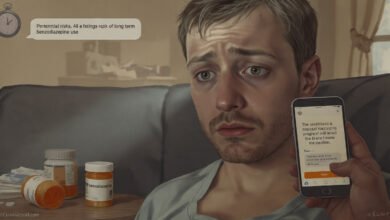
Detox is often the first step in addiction treatment, but it’s important to understand that detox alone isn’t treatment. Medical detoxification provides safe management of withdrawal symptoms as drugs or alcohol leave the body. For some substances, particularly alcohol and benzodiazepines, withdrawal can be life-threatening without medical supervision.
In 2026, detox protocols focus on comfort and safety. Medications help ease withdrawal symptoms, medical staff monitor vital signs, and emotional support is available 24/7. Modern detox programs typically last 3-7 days and seamlessly transition people into ongoing treatment rather than sending them home after withdrawal management.
Specialized Treatment Programs
Recognizing that different populations have unique needs, many facilities now offer specialized tracks for specific groups. These include:
- Adolescent programs designed for teenagers, addressing developmental issues and family dynamics
- Women’s programs that address trauma, pregnancy concerns, and childcare needs
- LGBTQ+ programs providing affirming care in safe environments
- Veterans programs focusing on service-related trauma and military culture
- Dual diagnosis programs for people with co-occurring mental health and substance abuse issues
- Culturally specific programs honoring diverse backgrounds and traditions
According to the Substance Abuse and Mental Health Services Administration, specialized treatment matching leads to better engagement and outcomes because people feel understood and supported in environments designed for their specific needs.
Building Your Recovery Support System
Recovery isn’t something you do alone. The strength of your support system often determines your long-term success in addiction recovery. Here’s how to build a network that will help you thrive.
Mutual Support Groups
12-step programs like Alcoholics Anonymous (AA) and Narcotics Anonymous (NA) have helped millions of people achieve and maintain sobriety. These free, peer-led groups provide community, accountability, and a structured approach to recovery through working the twelve steps. Meetings are available virtually and in-person across every community.
For people who prefer non-spiritual approaches, SMART Recovery offers evidence-based mutual support using cognitive behavioral techniques. Other alternatives include Refuge Recovery (Buddhist-based), LifeRing (secular), and Women for Sobriety.
The beauty of mutual support groups is their accessibility. Meetings happen multiple times daily in most areas, providing immediate support whenever you need it. The fellowship developed in these groups often becomes a lifeline, especially during difficult times.
Professional Therapy and Counseling
Individual therapy addresses the underlying issues that contribute to addiction. Licensed therapists help people work through trauma, develop healthy coping skills, manage stress, and identify triggers. Evidence-based approaches like CBT and DBT teach practical skills for managing cravings, regulating emotions, and making better decisions.
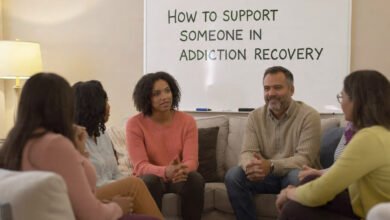
Family therapy involves loved ones in the recovery process, healing damaged relationships and teaching families how to provide effective support. Many people don’t realize how family dynamics can either support or undermine recovery, making family involvement crucial for long-term success.
Group therapy provides opportunities to learn from others facing similar challenges, practice social skills in a safe environment, and realize you’re not alone in your struggles.
Digital Support Tools
Recovery apps provide on-demand support, allowing you to access coping tools, track your progress, and connect with your support network anytime, anywhere. Features might include:
- Craving management tools with distraction techniques
- Progress tracking and milestone celebrations
- Direct messaging with sponsors or counselors
- Virtual meeting access
- Educational resources about addiction recovery
- Meditation and stress management exercises
These tools complement traditional treatment, filling the gaps between therapy sessions and providing immediate support during challenging moments.
Preventing and Managing Relapse
Relapse doesn’t mean failure. It’s often part of the recovery process, just as symptom recurrence can happen with other chronic diseases. What matters is having a plan to recognize warning signs and respond quickly.
Understanding Relapse Triggers
Common triggers include:
- Stress from work, relationships, or life changes
- Exposure to people, places, or situations associated with past drug use
- Negative emotions like anger, sadness, loneliness, or boredom
- Positive emotions and celebrations where substances are present
- Physical pain or illness
- Overconfidence in recovery
Identifying your personal triggers is essential for developing effective prevention strategies. Most treatment programs help people create detailed relapse prevention plans that map out specific triggers and corresponding coping strategies.
Early Warning Signs
Relapse typically happens in stages, starting with emotional and mental warning signs before actual substance use occurs. Watch for:
- Increased irritability or mood swings
- Isolating from support systems
- Neglecting self-care routines
- Romanticizing past drug use
- Minimizing the severity of your addiction
- Stopping participation in support groups or therapy
- Making poor decisions in other areas of life
Recognizing these signs early allows you to reach out for help before progressing to actual substance use.
Responding to Relapse
If relapse occurs, immediate action is critical. Contact your therapist, sponsor, or support group right away. Many people feel ashamed after relapse and try to hide it, but reaching out quickly can prevent a brief slip from becoming a full-blown return to active addiction.
View relapse as valuable information about what needs adjustment in your recovery plan. Perhaps you need more intensive treatment, different medications, additional support, or new coping strategies. Modern addiction treatment providers see relapse as an opportunity to refine and strengthen your recovery approach, not as evidence that you can’t recover.
Creating a Meaningful Life in Recovery
Addiction recovery isn’t just about stopping substance use. It’s about building a life that’s fulfilling enough that you don’t want to use drugs or alcohol. Here’s how to create that life.
Developing Healthy Routines
Structure provides stability in early recovery. Establishing consistent routines around sleep, meals, exercise, and daily activities helps regulate your body’s systems and reduces decision fatigue. When you have healthy habits in place, you’re less likely to fall back on old patterns.
Physical health supports mental health and recovery. Regular exercise releases endorphins naturally, improves mood, reduces stress, and helps repair some of the physical damage caused by substance abuse. Proper nutrition and adequate sleep are equally important for brain healing and emotional regulation.
Finding Purpose and Connection
Many people use substances to fill a void or escape from feelings of meaninglessness. Recovery requires finding purpose through work, education, volunteering, creative pursuits, or relationships. Connecting with activities that bring joy and meaning makes sobriety feel rewarding rather than restrictive.
Building healthy relationships takes time, especially if addiction damaged connections with family and friends. Focus on spending time with people who support your recovery. Join clubs, take classes, or engage in hobbies that introduce you to others with similar interests. Authentic connection is one of the most powerful protections against relapse.
Setting and Achieving Goals
Recovery provides an opportunity to pursue dreams that addiction made impossible. Start with small, achievable goals and gradually work toward larger ambitions. Celebrate milestones along the way, recognizing that progress isn’t always linear but every step forward matters.
The Role of Policy and Healthcare in 2026
Government initiatives like the Great American Recovery Initiative have brought unprecedented attention and resources to addiction treatment. Insurance coverage for substance use disorder treatment has expanded significantly, making care more affordable and accessible than ever before.
Treatment providers now track measurable outcomes, proving their effectiveness with data rather than promises. This accountability has improved the quality of care across the industry, ensuring that people receive evidence-based treatments that actually work.
The reduction in stigma surrounding addiction has encouraged more people to seek help earlier, before their disease progresses to life-threatening stages. Public education campaigns emphasize that addiction is a health condition deserving of compassion and medical treatment, not judgment or punishment.
Conclusion
Addiction recovery in 2026 offers more hope, more options, and better outcomes than at any previous point in history. Whether you’re seeking help for yourself or a loved one, understanding that addiction is a treatable chronic brain disease is the first step toward healing. Modern treatment programs combine medication, therapy, technology, and peer support to create personalized recovery pathways that work. The journey won’t always be easy, but with the right support and evidence-based care, lasting recovery is absolutely achievable. Don’t wait for the perfect moment to seek help. The tools, treatments, and support systems are available right now to help you or your loved one start the journey toward a healthier, substance-free life. Recovery is possible, and it starts with taking that first step today.