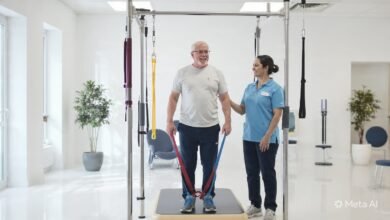
Physical Therapy After Surgery: What to Expect in Week 1
Physical therapy after surgery Week 1 guide: Learn what to expect, essential exercises, pain management tips, and recovery milestones for successful rehabilitation.
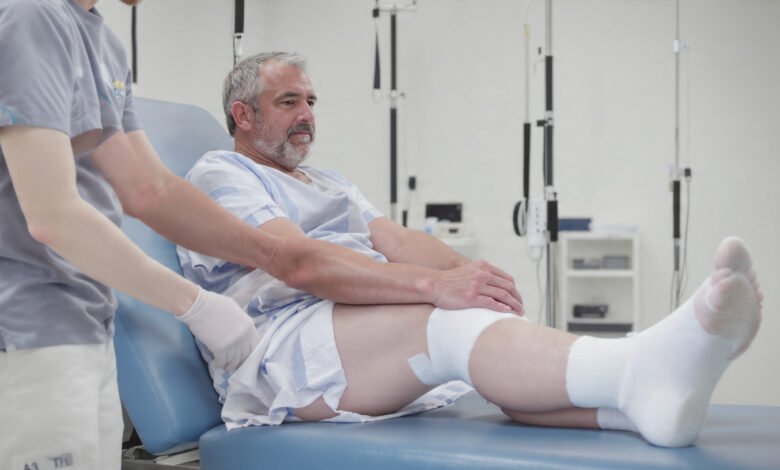
You’ve just had surgery, and now the real work begins. The first week of physical therapy after surgery can feel overwhelming, especially when you’re dealing with pain, swelling, and limited mobility. But here’s the truth: what you do during this initial recovery period can make or break your long-term outcomes.
Post-operative physical therapy isn’t just about moving around when you feel like it. It’s a structured, science-backed approach to getting your body functioning again. During week 1, you’re not trying to run a marathon or lift heavy weights. Instead, you’re focused on gentle movements, preventing complications like blood clots and stiffness, and setting the foundation for months of recovery ahead.
Most people don’t realize that early mobilization—getting up and moving within hours or days of surgery—actually speeds up healing. It improves blood circulation, reduces swelling, and helps prevent scar tissue from forming in ways that could limit your movement later. This guide will walk you through exactly what happens during your first week of post-surgical rehabilitation, from your initial assessment to the specific exercises you’ll perform. Whether you’ve had knee surgery, shoulder repair, back surgery, or any other procedure, understanding what to expect helps you feel more confident and prepared for the journey ahead.
Understanding Post-Operative Physical Therapy in Week 1
The Immediate Post-Surgery Phase
The first week after surgery is called the acute phase, and it’s all about managing your body’s initial response to trauma. Your surgical site needs time to heal, but that doesn’t mean staying in bed all day. Modern research shows that early physical therapy after surgery reduces complications and improves outcomes significantly.
During this phase, your body is dealing with inflammation, swelling, and pain. Your muscles have been cut or disturbed, and your nervous system is on high alert. The goal isn’t to push through pain or achieve dramatic improvements. Instead, you’re working to maintain what function you have and prevent problems that could derail your recovery.
Post-operative rehabilitation starts much sooner than most people expect. In many cases, your physical therapist will visit you in the hospital within 24 to 48 hours after surgery. They’re not there to make you do hard exercises—they’re there to teach you safe movement patterns, assess your baseline function, and get you moving in ways that won’t damage your healing tissues.
Why Early Mobilization Matters
Staying immobile for extended periods after surgery causes serious problems. Your muscles weaken rapidly—you can lose up to 3% of muscle strength per day when you’re completely inactive. Your joints become stiff, scar tissue forms in problematic ways, and your risk of blood clots increases dramatically.
Early mobilization through gentle range of motion exercises counteracts these issues. When you move, even in small ways, you improve blood flow to healing tissues. Better circulation means more oxygen and nutrients reach the surgical area, which speeds healing. Movement also helps drain excess fluid that causes swelling and prevents the formation of deep vein thrombosis (blood clots in your legs).
The research on this is clear: patients who begin post-surgical physical therapy within the first few days after surgery have better long-term outcomes. They experience less chronic pain, regain function faster, and report higher satisfaction with their results. According to the American Physical Therapy Association, early intervention in post-operative care reduces complications and shortens overall recovery time.
Your First Physical Therapy Session: What Happens
Initial Assessment and Evaluation
Your first official physical therapy session typically happens within the first week post-surgery, either in the hospital or at an outpatient clinic. This appointment is crucial because it establishes your baseline and creates your personalized treatment plan.
Your physical therapist will start with a comprehensive evaluation that includes:
- Pain assessment: Rating your pain levels at rest and with movement using a scale of 1-10
- Mobility evaluation: Testing how well you can move the affected area and identifying limitations
- Strength testing: Measuring muscle function in and around the surgical site
- Functional capacity: Assessing your ability to perform basic tasks like walking, standing, or reaching
- Swelling and inflammation: Checking for excessive swelling that might indicate complications
- Surgical precautions review: Going over specific restrictions your surgeon has ordered
This isn’t just data collection—your therapist is learning how your body responds to movement, which helps them design exercises that challenge you without causing harm. They’re also watching for warning signs of complications like excessive redness, heat, or abnormal swelling that might require medical attention.
Setting Realistic Goals for Week 1
During your first session, your therapist will work with you to establish short-term goals. These are specific, measurable targets for your first week that guide your daily activities. Realistic week 1 goals might include:
- Walking 50 feet with assistance and appropriate mobility aids
- Performing prescribed exercises 3-4 times daily without increasing pain
- Managing pain levels to stay below 5/10 on the pain scale
- Maintaining or slightly improving your range of motion in the affected joint
- Sleeping through the night with minimal disruption from surgical pain
- Completing basic self-care tasks like bathing and dressing with modifications
These goals might seem modest, but they’re designed to keep you progressing safely. Pushing too hard during week 1 can cause setbacks that delay your overall recovery by weeks or even months. Your therapist knows the difference between productive discomfort and harmful pain.
Common Week 1 Physical Therapy Exercises
Gentle Range of Motion Movements
Range of motion exercises are the foundation of week 1 therapy. These movements prevent stiffness and maintain joint mobility without stressing healing tissues. The exercises vary depending on your surgery type, but the principles remain consistent.
For knee surgery, you might practice:
- Ankle pumps: Moving your foot up and down to promote circulation
- Heel slides: Gently bending and straightening your knee while lying down
- Quad sets: Tightening your thigh muscle without moving your knee joint
- Straight leg raises: Lifting your leg while keeping the knee straight
For shoulder surgery, common exercises include:
- Pendulum exercises: Leaning forward and letting your arm swing gently
- Passive range of motion: Using your other arm to move the surgical arm
- Table slides: Sliding your hand along a table surface to improve forward reach
- Wall walks: Using your fingers to “walk” up a wall, gradually increasing height
For back surgery, you’ll focus on:
- Pelvic tilts: Gently rocking your pelvis to engage core muscles
- Ankle pumps: Same as knee surgery—circulation is critical
- Log rolling: Proper technique for getting in and out of bed safely
- Diaphragmatic breathing: Deep breathing exercises to prevent lung complications
These exercises should feel gentle. You might experience mild discomfort, but sharp pain means you’re pushing too hard. Your therapist will teach you the difference between productive discomfort (a stretching sensation) and warning pain (sharp, stabbing, or burning sensations).
Pain Management During Exercise
Managing pain during physical therapy after surgery requires a balanced approach. You need to move to heal, but you also need to respect your body’s limits during this vulnerable time.
Effective pain management strategies include:
- Timing medications wisely: Take prescribed pain medication 30-45 minutes before therapy sessions
- Ice therapy: Apply ice packs for 15-20 minutes after exercises to reduce inflammation
- Proper positioning: Use pillows to support and elevate the surgical area during rest
- Modified movements: Adjust exercise range or repetitions based on pain response
- Breathing techniques: Deep, controlled breathing reduces tension and pain perception
Your therapist will also use hands-on techniques to manage pain. Manual therapy, gentle mobilization, and specific positioning can provide significant relief while promoting healing. Never skip exercises because of pain without discussing it with your therapist first—they can modify the approach to keep you moving safely.
Managing Expectations and Common Challenges
Normal vs. Concerning Symptoms
During week 1 of post-operative physical therapy, you’ll experience various sensations, and it’s important to know what’s normal versus what requires immediate attention.
Normal symptoms in week 1:
- Moderate pain and soreness at the surgical site (improving gradually day by day)
- Swelling around the incision that’s manageable with ice and elevation
- Fatigue and tiredness from the surgery and your body’s healing process
- Mild discomfort during rehabilitation exercises that subsides afterward
- Some difficulty sleeping due to positioning restrictions
- Emotional ups and downs as you adjust to temporary limitations
Concerning symptoms requiring immediate contact with your surgeon:
- Severe, increasing pain that doesn’t respond to prescribed medication
- Excessive swelling, redness, or warmth around the surgical site
- Fever above 101°F (38.3°C)
- Drainage from the incision that’s thick, colored, or foul-smelling
- Sudden inability to move or bear weight on a previously functional limb
- Signs of blood clots: calf pain, swelling in one leg, chest pain, or difficulty breathing
Understanding this difference prevents unnecessary anxiety while ensuring you don’t ignore genuine warning signs. The Johns Hopkins Medicine recovery guidelines emphasize that effective communication between patients, therapists, and surgeons is essential during this critical first week.
Dealing with Pain and Discomfort
Pain management isn’t just about taking pills—it’s a comprehensive approach that includes multiple strategies working together. During your first week of post-surgical rehabilitation, expect pain to be present but manageable with the right techniques.
Your pain management toolkit should include:
- Medication management: Follow your prescribed schedule exactly. Don’t wait until pain becomes severe before taking medication, as severe pain is harder to control than moderate discomfort. Keep a pain diary noting when pain increases, what activities trigger it, and how well your medications work.
- Ice and heat application: Ice reduces inflammation and numbs pain during the first week. Apply ice packs wrapped in a towel for 15-20 minutes every 2-3 hours. Most surgeons don’t recommend heat during week 1, as it can increase swelling, but always confirm with your medical team.
- Elevation and compression: Keep the surgical area elevated above heart level when possible. Compression garments or wraps (if recommended) can help manage swelling, which directly impacts pain levels.
- Gentle movement: Counterintuitively, appropriate movement often reduces pain better than complete rest. Early mobilization prevents stiffness that causes additional discomfort. Your scheduled exercises, performed correctly, should help rather than hurt.
Emotional and Mental Aspects
The psychological component of post-operative recovery is often underestimated. Week 1 can be emotionally challenging as you confront limitations, deal with pain, and worry about your recovery timeline.
Common emotional experiences include:
- Frustration at being dependent on others for basic tasks
- Anxiety about whether you’re healing properly or doing exercises correctly
- Depression or sadness related to temporary loss of independence
- Impatience with the slow pace of early recovery
- Fear about returning to work, sports, or normal activities
These feelings are normal and don’t mean you’re weak or failing at recovery. Acknowledge them and use strategies like:
- Focusing on small daily victories rather than the long road ahead
- Connecting with others who’ve had similar surgeries for support and perspective
- Maintaining social connections even when you can’t be physically active
- Setting realistic expectations based on your therapist’s guidance, not social media recovery stories
- Practicing stress-reduction techniques like meditation or gentle breathing exercises
Daily Routine and Self-Care During Week 1
Creating a Recovery Schedule
Structure helps during the chaotic first week of post-surgical physical therapy. Your day should include scheduled times for exercises, rest, medication, and basic self-care activities.
A typical day 3-5 post-surgery might look like:
Morning (6:00-10:00 AM):
- Take pain medication with breakfast
- Perform prescribed range of motion exercises (10-15 minutes)
- Ice the surgical site (15 minutes)
- Short walk around the house or down the hallway (5-10 minutes)
Midday (10:00 AM-2:00 PM):
- Rest period with leg elevated
- Light activities like reading or watching TV
- Afternoon medication dose
- Second exercise session before lunch
- Ice application after exercises
Afternoon (2:00-6:00 PM):
- Outpatient physical therapy appointment (if scheduled)
- Proper nutrition and hydration
- Third exercise session
- Another short walking session
- Ice and elevation
Evening (6:00 PM-bedtime):
- Evening medication
- Final exercise session of the day
- Prepare for bed with proper positioning
- Ice before sleep if needed
This schedule isn’t rigid—adjust it based on your energy levels and pain patterns. Some people feel better in mornings, others in afternoons. Track your patterns and plan challenging activities for when you typically feel strongest.
Importance of Rest and Sleep
While early mobilization is crucial, so is adequate rest. Your body does most of its healing during sleep, when it can redirect energy and resources to tissue repair.
Sleep challenges in week 1 are common due to:
- Pain that disrupts sleep cycles
- Positioning restrictions that prevent comfortable rest
- Medication effects (some cause insomnia, others cause drowsiness)
- Anxiety about rolling onto the surgical site
- Frequent bathroom trips from medications or hydration needs
Improve your sleep quality by:
- Creating a pillow fortress that supports and protects your surgical area
- Maintaining a cool, dark bedroom environment
- Taking pain medication 30 minutes before bed
- Avoiding screens and stimulating activities in the evening
- Using relaxation techniques like progressive muscle relaxation or guided imagery
- Elevating the affected limb properly to reduce nighttime swelling
Most patients find that sleep improves significantly by day 5-7 as acute surgical pain decreases and they adapt to new sleeping positions.
Nutrition and Hydration
What you eat and drink directly impacts your healing speed. Post-operative rehabilitation requires proper fuel for your body to rebuild damaged tissues and fight off potential infections.
Nutritional priorities during week 1:
Protein intake: Aim for 75-100 grams daily to support tissue repair. Good sources include lean meats, fish, eggs, Greek yogurt, and protein shakes if appetite is poor.
Hydration: Drink 8-10 glasses of water daily unless restricted by your surgeon. Proper hydration prevents constipation (a common problem with pain medications), supports circulation, and helps your body eliminate metabolic waste products from surgery.
Anti-inflammatory foods: Include foods rich in omega-3 fatty acids (salmon, walnuts), antioxidants (berries, leafy greens), and vitamin C (citrus, bell peppers) to reduce inflammation naturally.
Avoid: Excessive alcohol (interferes with healing and medications), too much sodium (increases swelling), and processed foods high in sugar (promotes inflammation).
Some patients experience poor appetite after surgery due to pain medications or anesthesia effects. If eating full meals is difficult, try smaller, more frequent meals throughout the day.
Working with Your Physical Therapist
Communication is Key
Your relationship with your physical therapist is a partnership. They have the expertise, but you have the inside information about how your body feels and responds. Effective communication makes your therapy more productive and prevents problems.
Be honest about:
- Pain levels—don’t minimize or exaggerate
- Which exercises feel right versus which cause concerning pain
- Activities you’ve done at home between sessions
- Medications you’re taking and how well they work
- Sleep quality and daily functioning
- Your emotional state and stress levels
- Any symptoms that worry you
Your therapist can’t read your mind. If something hurts in a wrong way, speak up immediately. If an exercise seems impossible, say so—they can modify it or explain why pushing through is important in that specific case.
Also ask questions. Good questions to ask include:
- What exactly is this exercise accomplishing?
- How will I know if I’m doing it correctly?
- What sensations are normal versus concerning?
- When should I expect to progress to harder exercises?
- What can I do if pain increases between sessions?
Physical therapists appreciate engaged patients who take ownership of their recovery. Don’t hesitate to advocate for yourself.
Following Home Exercise Programs
Your formal therapy sessions might only be 2-3 times per week, but rehabilitation exercises happen every day at home. Your therapist will send you home with a written exercise program—following it consistently is non-negotiable if you want good outcomes.
Tips for sticking with your home program:
- Set specific times: Don’t wait until you “feel like it.” Schedule exercise sessions at specific times and treat them like important appointments.
- Create a dedicated space: Set up an area with everything you need—exercise mat, resistance bands, pillows, ice packs—so you’re not hunting for equipment when it’s time to exercise.
- Use reminders: Set phone alarms for each exercise session. Visual cues like notes on the fridge also help.
- Track your progress: Keep a simple log noting what exercises you did, how many repetitions, and how you felt. This information helps your therapist adjust your program appropriately.
- Don’t modify without permission: If an exercise seems too easy or too hard, tell your therapist—don’t just change it yourself. Exercise progression follows specific principles, and skipping steps can cause problems.
- Involve family members: Have someone watch you perform exercises to check your form and provide encouragement. Recovery is lonely when you’re doing it solo.
Red Flags and When to Contact Your Healthcare Provider
Symptoms Requiring Immediate Attention
Certain symptoms during week 1 of physical therapy after surgery require immediate medical attention—not a phone call tomorrow or a mention at your next appointment, but action right now.
Call 911 or go to the emergency room for:
- Chest pain, pressure, or difficulty breathing (possible blood clot in lungs)
- Sudden severe pain that feels different from post-surgical pain
- Numbness, tingling, or coldness in the limb beyond the surgical site
- Inability to move fingers or toes that you could move previously
- Signs of severe allergic reaction (facial swelling, difficulty breathing, widespread rash)
Contact your surgeon immediately (same day) for:
- Fever above 101°F (38.3°C)
- Increasing redness spreading from the incision site
- Pus or thick drainage from the surgical wound
- Wound edges separating or opening up
- Severe swelling in the leg or arm with warmth and tenderness (possible deep vein thrombosis)
- Uncontrolled pain despite taking prescribed medication as directed
- Nausea and vomiting preventing you from keeping down food, water, or medications
Contact your physical therapist or surgeon during business hours for:
- Moderate increase in pain that started during or after therapy
- New clicking, popping, or grinding sensations in the surgical joint
- Unexpected difficulty performing exercises that were manageable before
- Questions about whether your recovery progress is normal
- Concerns about exercise technique or home program instructions
This hierarchy matters because different problems require different responses. Not everything is an emergency, but knowing what constitutes one protects you from serious complications.
Special Considerations for Different Surgery Types
Orthopedic Surgery Recovery
Physical therapy after surgery for orthopedic procedures (joint replacements, ligament repairs, fracture repairs) follows specific protocols based on what was done to your bones, joints, or connective tissues.
Joint replacement (knee, hip, shoulder): Week 1 focuses heavily on preventing infection and blood clots while beginning gentle range of motion exercises. You’ll work on walking with assistive devices, managing stairs safely, and performing basic strengthening exercises for surrounding muscles. Weight-bearing restrictions are common—some procedures allow full weight immediately, others require weeks of limited weight.
ACL reconstruction: Early goals include reducing swelling, regaining full knee extension (straightening), and activating your quadriceps muscle. You’ll likely use a brace and crutches during week 1, with exercises focusing on gentle heel slides, ankle pumps, and quad sets. Ice and elevation are critical as knee swelling can be substantial.
Rotator cuff repair: Your arm will be immobilized in a sling, but you’ll perform pendulum exercises where your arm hangs and swings gently. Passive range of motion (where the therapist or your other arm moves the surgical arm) begins early to prevent the dreaded “frozen shoulder” complication. Active movement comes later.
Spinal surgery: Depending on the type and level of surgery, week 1 activities range from complete bed rest with log-rolling techniques to walking short distances. Core stability exercises often begin immediately but in very modified forms. Spine precautions (restrictions on bending, lifting, twisting) are strict and must be followed exactly.
Abdominal and Thoracic Surgery
Surgeries involving your abdomen or chest require special attention to breathing exercises and core protection during post-operative physical therapy.
Week 1 priorities include:
Respiratory exercises: Incentive spirometry, deep breathing exercises, and supported coughing prevent pneumonia and atelectasis (collapsed lung segments). These aren’t optional—lung complications are serious and preventable with proper breathing exercises.
Core protection: Learning proper techniques to protect your incision during daily activities. This includes using a pillow to splint your abdomen when coughing, proper bed mobility techniques, and modified ways to get up from chairs.
Early walking: Even more critical after abdominal surgery, as walking promotes bowel function and prevents post-operative ileus (bowel paralysis). You’ll start with short distances and gradually increase as tolerated.
Lifting restrictions: Typically nothing over 5-10 pounds for the first 2-4 weeks. Your therapist will teach you how to modify daily activities to respect these limits while maintaining independence.
Preparing for Weeks 2-4 and Beyond
Progress Indicators to Watch For
By the end of week 1 of post-surgical rehabilitation, you should see certain signs that indicate normal healing and proper response to therapy. These include:
- Gradual reduction in acute pain (even if still significant)
- Swelling that’s stable or slightly decreasing
- Ability to perform prescribed exercises with better control than day 1
- Improved sleep quality compared to the first 2-3 nights
- Increased independence with mobility and self-care tasks
- Better understanding of your body’s limits and capabilities
- Wounds that are closed, dry, and showing no signs of infection
You won’t feel “healed” by day 7—that’s not the goal. But you should feel like you’re moving in the right direction. If your pain is worse on day 7 than day 3, something needs addressing.
Building on Week 1 Foundations
The work you do during week 1 sets you up for accelerated progress in weeks 2-4. Once acute inflammation settles, your therapist will advance your program to include:
- More challenging strengthening exercises targeting specific muscle groups
- Increased repetitions and resistance for exercises you’ve mastered
- Balance and proprioception training (if relevant to your surgery)
- Functional training that mimics real-life activities
- Sport-specific exercises (for athletes planning to return to sports)
- Manual therapy techniques addressing scar tissue and mobility restrictions
This progression isn’t random—it follows established protocols based on tissue healing timelines. Connective tissues heal in predictable phases, and your exercise program respects those biological processes while pushing you to improve.
Conclusion
The first week of physical therapy after surgery is challenging, uncomfortable, and critically important. You’re laying the groundwork for months of recovery, and what you do now affects your long-term outcomes. Week 1 isn’t about dramatic improvements or pushing through severe pain—it’s about protecting your surgical repair while preventing complications through appropriate early mobilization. Focus on performing your rehabilitation exercises consistently, communicating honestly with your therapist, managing pain effectively, and respecting your body’s healing timeline. By understanding what to expect during this first week, you can approach post-operative physical therapy with realistic expectations and clear goals, setting yourself up for a successful recovery journey that gets you back to the activities you love.