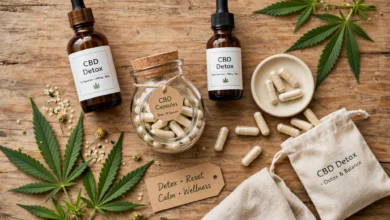
What is CBD Detox? Separating Fact from Fiction
CBD detox explained in plain terms: what it actually does, what it doesn't, and how to tell real advice from marketing hype.

CBD detox has become one of those phrases that gets thrown around a lot without much explanation. You’ve probably seen it on product labels, in wellness blogs, or in ads promising to “flush your system” in a matter of days. But what does a CBD detox actually involve, and does your body even need one? This article breaks down what’s real, what’s marketing, and what you should actually know before spending money on a detox kit or changing your routine because of something you read online.
The short version: CBD itself is generally not something your body needs to be “detoxed” from in the way people talk about drug or alcohol detox. CBD is non-intoxicating, and most people who use it don’t build up the kind of dependence that requires a structured withdrawal process. That said, there are legitimate reasons people look into CBD detox, whether it’s because they’re switching products, dealing with unwanted side effects, or need to clear THC (which is often present in small amounts in full-spectrum CBD products) out of their system for a drug test.
In the sections below, we’ll walk through the science, the myths, and the practical steps that actually make a difference if you’re trying to reset your relationship with CBD or clear cannabinoids from your body.
What Is CBD Detox?
CBD detox generally refers to the process of stopping CBD use and letting your body clear the compound naturally, sometimes with lifestyle changes meant to support that process. It’s worth separating this from THC detox, because the two get confused constantly.
CBD (cannabidiol) is one of over 100 cannabinoids found in the cannabis plant. Unlike THC (tetrahydrocannabinol), CBD doesn’t produce a high. Most CBD products fall into three categories:
- Full-spectrum CBD – contains all naturally occurring cannabinoids, including trace amounts of THC (legally capped at 0.3% in the US)
- Broad-spectrum CBD – contains multiple cannabinoids but with THC removed
- CBD isolate – pure CBD with no other cannabinoids present
This distinction matters a lot when people talk about detoxing from CBD, because the actual concern in most cases isn’t CBD at all. It’s the trace THC that can show up in full-spectrum products, which is what triggers a positive result on a standard drug screen.
How CBD Detox Differs From THC Detox
This is where a lot of confusion starts. A true CBD detox and a THC detox are not the same process, even though the products marketed for both often look identical.


- THC is fat-soluble and stores in body fat, meaning it can take weeks to fully clear depending on usage frequency, metabolism, and body composition.
- CBD is also fat-soluble but doesn’t build up in the same problematic way for most users, since it isn’t screened for on standard drug tests and doesn’t carry the same regulatory concern.
- People who need a “detox” for a drug test are almost always dealing with THC, not CBD.
If you’ve used full-spectrum products regularly and are facing a drug test, understanding this difference is the first step to making an informed decision rather than relying on a detox kit’s marketing copy.
Common Myths About CBD Detox (Fiction)
Before getting into what actually helps, it’s worth clearing up a few claims that circulate widely but don’t hold up.
Myth 1: CBD Builds Up Toxins That Need Flushing
CBD is metabolized primarily by the liver and doesn’t accumulate as a “toxin” in the way detox marketing implies. The idea that you need a special formula to flush it out isn’t supported by how cannabinoids are actually processed in the body.
Myth 2: Detox Kits Work Instantly
Most detox drinks and kits promise same-day results. In reality, they typically work (if at all) by temporarily diluting urine and adding compounds like creatine or B vitamins to mask that dilution, not by actually accelerating how fast your body clears cannabinoids.
Myth 3: You’ll Experience Severe Withdrawal
Because CBD is non-intoxicating and non-addictive in the clinical sense, most people who stop using it don’t experience the kind of withdrawal associated with substances like nicotine, alcohol, or opioids. Some report mild changes in sleep or mood if they were using CBD specifically for those issues, but this is more of a return to baseline than a withdrawal syndrome.
Myth 4: Detox Means the Same Thing for Everyone
Detox protocols marketed online are often generic. Body weight, frequency of use, metabolism, hydration levels, and the specific product used all affect how someone’s body processes cannabinoids. A one-size-fits-all timeline is rarely accurate.
What Actually Happens During CBD Detox (Fact)
Now for what’s actually happening physiologically when someone stops using CBD or works to clear cannabinoids from their system.
How Long Does CBD Stay in Your System
This varies significantly based on individual factors, but general research and clinical observations suggest:
- Single use: CBD may clear from the bloodstream within a few days.
- Regular use: Because CBD is fat-soluble, it can take one to two weeks or longer to fully clear with consistent use.
- THC in full-spectrum products: Trace THC can take considerably longer to clear, especially with frequent, high-dose use, sometimes several weeks.
Factors that influence this timeline include body fat percentage, metabolism, dosage, frequency of use, and hydration.
Withdrawal Symptoms: Real or Exaggerated?
CBD is not classified as an addictive substance by major health authorities. The World Health Organization has reviewed CBD’s safety profile and did not find evidence of abuse potential. That said, some people who used CBD to manage sleep, anxiety, or pain may notice those underlying issues resurface once they stop, which can feel like withdrawal but is more accurately described as the original symptoms returning without the support CBD was providing.
Do CBD Detox Kits and Products Actually Work?
This is probably the most commercially loaded question in the entire topic, and it deserves an honest answer.
Most detox kits, drinks, and pills sold online fall into one of these categories:
- Dilution products – these increase urination and dilute the sample, sometimes triggering a “dilute” flag on lab results rather than a clean pass
- Masking agents – added vitamins or creatine to disguise dilution, with mixed and inconsistent effectiveness
- Fiber and supplement blends – marketed to “bind toxins” in the digestive tract, though there’s limited independent evidence supporting these claims for cannabinoid clearance specifically
There’s no strong clinical evidence that any over-the-counter detox product meaningfully speeds up how the liver metabolizes cannabinoids. The safest and most reliable approach is simply time combined with basic healthy habits, which is a lot less exciting than what’s printed on a detox kit box, but it’s what the evidence actually supports.
Natural Ways to Support Your Body During CBD Detox
While nothing will instantly clear cannabinoids from your system, there are legitimate ways to support your body’s natural processes.
Hydration and Diet
- Drink water consistently, but avoid extreme overhydration, which can be dangerous and doesn’t meaningfully speed up cannabinoid clearance
- Eat a balanced diet with adequate fiber to support normal digestive elimination
- Support liver function with a diet rich in vegetables, lean protein, and whole foods, since the liver is the primary organ responsible for metabolizing cannabinoids
Exercise and Sweating
Since cannabinoids store in fat tissue, moderate exercise can support the body’s natural metabolic processes over time. It’s worth noting that intense exercise immediately before a drug test isn’t recommended, since it can temporarily release stored THC into the bloodstream and potentially affect test results in the short term.
Sleep and Rest
Quality sleep supports liver function and overall metabolic health, both of which play a role in how efficiently your body processes any compound, including cannabinoids. If sleep issues show up after stopping CBD, this is a sign to address sleep directly rather than assuming it will resolve on its own within a few days.
Who Should Consider a CBD Detox?
A CBD detox isn’t necessary for everyone, but it makes sense in a few specific situations:
- You’re switching from full-spectrum to broad-spectrum or isolate products and want a clean baseline
- You have an upcoming drug test and have been using full-spectrum CBD products
- You’ve noticed side effects like digestive discomfort, drowsiness, or changes in appetite and want to reset before reintroducing CBD at a lower dose
- You’re pregnant, breastfeeding, or have a medical condition where a healthcare provider has recommended stopping CBD use
If none of these apply to you, there’s generally no medical reason to pursue a formal detox process just for the sake of it.
Risks and Considerations
A few things worth keeping in mind before starting any kind of detox process:
- Don’t rely on unregulated detox products as a substitute for medical advice, especially if you’re detoxing for a health reason rather than a drug test
- Talk to a doctor before stopping CBD if you were using it to manage a diagnosed condition, since discontinuing treatment abruptly isn’t always the right approach
- Be skeptical of guaranteed same-day results from any detox product, since biology doesn’t work on marketing timelines
- Check the actual THC content of your CBD products if a drug test is a concern, since even legal, low-THC products can occasionally trigger a positive result with frequent use
For a broader look at how cannabinoids are regulated and studied, the FDA’s consumer guidance on cannabis-derived products is a useful starting point, and the National Center for Complementary and Integrative Health offers a solid overview of what current research does and doesn’t support.
Frequently Asked Questions
Does CBD detox actually remove THC from your system faster? No product has strong clinical evidence showing it accelerates cannabinoid metabolism. Time, hydration, and normal liver function are what actually clear it.
How long should a CBD detox take? For CBD alone, one to two weeks with regular use. For THC in full-spectrum products, it can take several weeks depending on frequency and dosage.
Is CBD withdrawal dangerous? No. CBD is not associated with the kind of physical withdrawal seen with addictive substances. Any symptoms after stopping are usually the return of whatever CBD was helping manage.
Can I fail a drug test from CBD alone? CBD itself isn’t typically screened for, but trace THC in full-spectrum products can occasionally cause a positive result with regular, high-dose use.
Conclusion
A CBD detox is rarely the dramatic process it’s made out to be in online marketing. For most people, CBD leaves the body naturally within one to two weeks, and the bigger concern is usually trace THC in full-spectrum products rather than CBD itself. Detox kits and drinks aren’t backed by strong evidence, and the most reliable path forward is simple: stay hydrated, eat well, get consistent sleep, and give your body the time it needs.
If you’re detoxing for a specific reason, whether that’s a drug test, a product switch, or a doctor’s recommendation, understanding the actual science behind cannabinoid clearance will serve you better than any product promising instant results.