10 Ways To Support CBD Addiction Recovery
CBD addiction recovery support may ease cravings, anxiety, and sleep issues. See ten ways CBD could help people navigating recovery.
CBD addiction recovery is a topic more people are researching as they look for tools to complement traditional treatment programs. Cannabidiol, or CBD, is a non-intoxicating compound found in the cannabis plant, and it has drawn attention from researchers, therapists, and people in recovery who are searching for ways to manage cravings, stress, and the physical discomfort that often comes with quitting drugs or alcohol. Unlike THC, CBD doesn’t produce a high, which makes it appealing to people who want relief without the risk of triggering old patterns of substance use.
It’s worth being upfront here: CBD is not a cure for addiction, and it should never replace medical treatment, counseling, or a structured recovery program. But a growing body of early research suggests it may play a supportive role in a broader recovery plan, particularly around anxiety, sleep, and craving management.
This article walks through ten ways CBD may support people working through addiction recovery, what the current science says, and what to keep in mind before adding it to a recovery routine. If you or someone you know is struggling with substance use, please talk to a doctor or addiction specialist before trying any new supplement, including CBD.
1. CBD May Help Reduce Cravings
One of the most talked-about benefits in CBD addiction recovery research is its potential effect on cravings. Cravings are one of the biggest reasons people relapse, especially in the early weeks and months after quitting a substance. Researchers at places like Mount Sinai have studied CBD’s effect on cue-induced cravings, meaning the intense urges that show up when someone sees or is reminded of the substance they used to use.
Some findings suggest CBD may help lower the intensity of these cravings by acting on the brain’s stress and reward systems. This doesn’t mean cravings disappear entirely, but a reduction in intensity can make a real difference for someone trying to get through a difficult moment without giving in.
- May reduce cue-triggered urges
- Could make high-risk moments more manageable
- Doesn’t produce the euphoric effects associated with relapse triggers
2. CBD and Anxiety Management During Recovery
Anxiety is one of the most common struggles during addiction recovery, especially in the first few weeks after detox. Many people used substances in the first place to cope with anxiety or stress, so when that coping tool is removed, anxiety can spike.
CBD interacts with the body’s endocannabinoid system, which plays a role in regulating mood and stress response. Several studies, including ones referenced by the National Center for Complementary and Integrative Health, have looked at CBD’s calming effects, though researchers note that more large-scale human trials are still needed. For people in recovery, having a non-addictive option to help take the edge off anxiety can be a meaningful part of an overall treatment plan.
3. Better Sleep Support
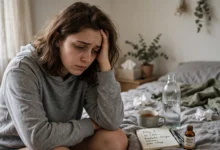
Sleep problems are extremely common during recovery. Withdrawal can disrupt normal sleep cycles, and insomnia is often listed as one of the harder symptoms to manage without medication. Poor sleep also tends to make cravings and irritability worse, which can create a difficult cycle.
CBD is frequently discussed as a sleep aid because of its calming properties. While it isn’t a sedative in the traditional sense, some people report that it helps them relax enough to fall asleep more easily. Better sleep, in turn, supports:
- Improved mood regulation
- Reduced irritability and stress
- Better decision-making during high-risk moments
4. Managing Withdrawal Symptoms
Withdrawal is one of the toughest parts of early recovery, and it looks different depending on the substance. Common symptoms include nausea, muscle tension, restlessness, and mood swings. Some early research, including animal and preliminary human studies, has explored whether CBD may help ease certain withdrawal symptoms, particularly those tied to anxiety and physical tension.
It’s important to be clear that CBD is not an approved medical treatment for withdrawal, and medically supervised detox is still the safest way to go through this process, especially for alcohol, opioids, or benzodiazepines, where withdrawal can be dangerous or even life-threatening without medical oversight.
5. Supporting Emotional Regulation
Recovery isn’t just physical, it’s emotional. Many people in recovery deal with mood swings, irritability, and heightened emotional reactivity as their brain chemistry adjusts to functioning without the substance. This is sometimes referred to as post-acute withdrawal syndrome, and it can last for weeks or months.
CBD’s interaction with serotonin receptors in the brain has led researchers to study its potential role in mood stabilization. While it’s not a replacement for therapy or psychiatric care, some people find that it helps take the edge off emotional highs and lows, making it easier to stay engaged with treatment and daily responsibilities.
6. A Non-Addictive Alternative for Pain Management
Chronic pain is a common reason people turn to opioids or other substances in the first place, and it remains a real challenge during recovery. Someone recovering from opioid use disorder, for example, may still be dealing with the same underlying pain condition that started them on that path, without the option of using opioids to manage it.
This is where CBD gets a lot of attention. It’s being studied for its potential anti-inflammatory and pain-relieving properties, without the addictive potential that comes with opioids or even some over-the-counter medications when used long-term. For people in recovery who need a pain management strategy, having a non-habit-forming option on the table matters.
7. Reducing Inflammation Linked to Substance Use
Long-term substance use can take a toll on the body, contributing to inflammation that affects everything from the liver to the nervous system. Some researchers believe CBD’s anti-inflammatory properties may help support the body’s healing process during recovery, though this area of research is still developing.
While CBD shouldn’t be viewed as a treatment for organ damage or chronic disease caused by substance use, reducing overall inflammation may contribute to a person feeling physically better, which can make it easier to stay focused on recovery goals rather than being distracted by ongoing physical discomfort.
8. Supporting Neuroplasticity and Brain Recovery
Substance use disorder changes the brain, particularly in areas related to reward, decision-making, and impulse control. Recovery involves the brain slowly rebuilding healthier patterns, a process known as neuroplasticity.
Some preclinical research, including studies referenced by the National Institute on Drug Abuse, has explored whether CBD may support neuroprotective processes and help the brain adapt during recovery. This is still an emerging area of study, and it’s too early to make strong claims, but it’s part of why CBD continues to draw research interest in the addiction treatment space.
9. Lowering Stress Response and Cortisol Levels
Chronic stress is a major relapse trigger. When cortisol, the body’s primary stress hormone, stays elevated for long periods, it can wear down a person’s resilience and make cravings harder to resist. Managing stress effectively is one of the core goals of most recovery programs.
CBD has been studied for its potential to influence the body’s stress response system. Some research suggests it may help lower cortisol reactivity, which could translate into a calmer baseline state for someone navigating the daily pressures of early recovery, from rebuilding relationships to managing work and finances.
10. Complementing Therapy and Holistic Recovery Approaches
Recovery works best as a combination of approaches, including therapy, support groups, medical care, and lifestyle changes. CBD is increasingly being discussed as one piece of a holistic recovery toolkit rather than a standalone treatment.
Many treatment centers now take an integrative approach, combining evidence-based therapies like cognitive behavioral therapy with complementary options such as:
- Mindfulness and meditation practices
- Exercise and nutrition support
- Sleep hygiene routines
- CBD or other supplements, when approved by a treating physician
Used this way, CBD for addiction recovery becomes one supportive element among many, rather than a substitute for professional treatment.
Important Considerations Before Using CBD in Recovery
Before adding CBD to a recovery plan, there are a few things worth keeping in mind:
- Talk to a doctor first. CBD can interact with certain medications, including some used in addiction treatment like Suboxone or methadone.
- Quality matters. The CBD market is not tightly regulated, so look for third-party lab-tested products.
- It’s not a replacement for treatment. CBD may offer support, but it doesn’t address the root causes of addiction the way therapy and structured programs can.
- Legal status varies. CBD laws differ by state and country, so it’s worth checking local regulations.
- Individual results vary. What works for one person in recovery may not work the same way for another.
Conclusion
CBD addiction recovery support is still an emerging area of research, but the early findings are promising enough that many people in recovery, along with some treatment providers, are paying closer attention. From easing cravings and anxiety to supporting better sleep and emotional regulation, CBD may offer a helpful, non-addictive addition to a broader recovery plan.
That said, it’s not a substitute for medical care, therapy, or structured treatment programs, and anyone considering it should talk with a healthcare provider first, especially if they’re taking other medications. As research continues, CBD may become a more established part of addiction treatment conversations, but for now it’s best viewed as one supportive tool among many on the path to lasting recovery.