Best CBD Products for Withdrawal Symptoms
Discover the 7 best CBD products for withdrawal symptoms naturally, including oils, gummies, and capsules for real relief.
Withdrawal is one of the hardest things a body and mind can go through. Whether someone is stepping away from nicotine, alcohol, caffeine, or a prescribed medication under a doctor’s guidance, the days that follow can bring irritability, restlessness, nausea, muscle aches, and sleep that just won’t come. It makes sense that people are looking for something natural to take the edge off, and CBD products for withdrawal symptoms have become one of the most searched wellness topics of the year.
CBD, short for cannabidiol, is a non-intoxicating compound extracted from the hemp plant. Unlike THC, it won’t get you high, and a growing body of early research suggests it may interact with the body’s endocannabinoid system in ways that support calm, better sleep, and a steadier mood. That’s exactly the kind of support many people crave during withdrawal, when the nervous system is working overtime to find balance again.
This guide walks through the best CBD products for withdrawal symptoms currently available, what makes each one worth considering, and how to pick a product that fits your situation. We’ll also cover what the research actually says, what to look for on a label, and when it’s time to call a doctor instead of relying on any supplement. This is general wellness information, not medical advice, and CBD should never replace supervised medical detox or treatment when that level of care is needed.
Understanding Withdrawal Symptoms and Why People Turn to CBD
Withdrawal happens when the body has adapted to a substance and then has to relearn how to function without it. The symptoms vary depending on what someone is withdrawing from, but common ones include:
- Anxiety and irritability
- Trouble falling or staying asleep
- Muscle tension and body aches
- Nausea or upset stomach
- Restlessness and racing thoughts
- Low mood or mental fog
For substances like alcohol, benzodiazepines, or opioids, withdrawal can also carry real medical risk, including seizures in severe cases. That’s why medical supervision matters for anything beyond mild, non-dependent substance use like caffeine or nicotine. CBD is best thought of as a supportive tool for the milder, everyday side of withdrawal discomfort, not a substitute for a detox program.
According to the National Institute on Drug Abuse, withdrawal symptoms are the body’s physiological response to the absence of a substance it has adapted to, and management often requires a combination of medical support, behavioral strategies, and time. CBD fits into the “supportive strategy” category rather than the medical treatment category, which is an important distinction to keep in mind while reading the rest of this guide.
How CBD May Help With Withdrawal Symptoms
CBD interacts with receptors in the endocannabinoid system, a network involved in regulating mood, sleep, pain perception, and stress response. Several small studies and reviews have looked at CBD’s potential role in withdrawal management, particularly around anxiety relief, sleep quality, and reducing cue-triggered cravings.

The Food and Drug Administration notes that while one CBD-based medication has been approved for specific seizure disorders, most CBD wellness products sold over the counter haven’t been formally evaluated by the agency for other uses, including withdrawal support. That doesn’t mean people aren’t finding it helpful, it just means the evidence is still developing and products vary widely in quality.
Here’s what CBD is generally thought to support during withdrawal:
- Calming the nervous system so anxiety and irritability feel less overwhelming
- Supporting better sleep, which is often one of the first things withdrawal disrupts
- Easing physical tension like muscle aches and restlessness
- Reducing nausea in some users, though evidence here is still limited
- Helping with mood stabilization during the emotional ups and downs of early recovery
What to Look for in the Best CBD Products for Withdrawal Symptoms
Not every CBD product on the shelf is created equal. Before choosing one, check for these things:
Third-Party Lab Testing
A reputable brand will post a Certificate of Analysis (COA) from an independent lab. This confirms the actual CBD content matches the label and checks for contaminants like heavy metals, pesticides, and mold.
Full-Spectrum vs. Broad-Spectrum vs. Isolate
- Full-spectrum CBD contains all the natural compounds found in hemp, including trace THC (under 0.3%), which some people believe creates an “entourage effect” for stronger relief.
- Broad-spectrum CBD offers the same range of compounds minus the THC, a good middle ground for those who want to avoid THC entirely.
- CBD isolate is pure cannabidiol with nothing else, a solid choice for people who are drug-tested or sensitive to other plant compounds.
Extraction Method
CO2 extraction is considered the gold standard because it preserves the purity of the plant compounds without leaving behind solvent residue.
Dosage Transparency
Look for a clear milligram count per serving so you can start low and adjust gradually based on how your body responds, rather than guessing.
The Best CBD Products for Withdrawal Symptoms
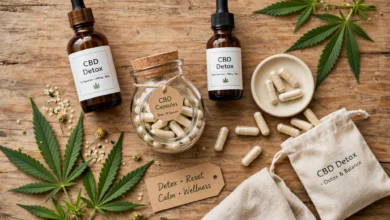
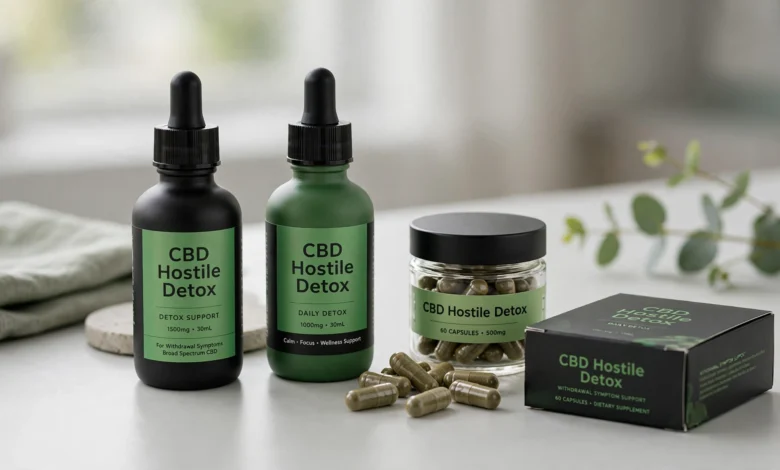
1. CBD Oil Tinctures
Tinctures remain one of the most popular CBD products for withdrawal symptoms because they’re fast-acting and easy to adjust. A few drops held under the tongue absorb through the mucous membranes, often bringing a sense of calm within 20 to 40 minutes.
Best for: People who want flexible dosing and faster onset than capsules or gummies.
What to check: Look for third-party tested oils with a clearly labeled milligram-per-drop breakdown, so you can control your intake precisely.
2. CBD Gummies
Gummies are a favorite for people who don’t love the earthy taste of oil. They’re pre-measured, discreet, and easy to bring along during a busy day. Because they pass through the digestive system, effects take longer to kick in, usually 45 minutes to an hour, but they also tend to last longer.
Best for: Consistent, all-day support for mild anxiety and restlessness.
What to check: Watch the sugar content and confirm the brand lists both CBD content and any other active ingredients like melatonin or L-theanine, which are sometimes blended in for sleep support.
3. CBD Capsules and Softgels
For people who want a no-fuss, no-taste option with a locked-in dose every time, capsules are hard to beat. They’re ideal for building a routine, like taking one in the morning and one before bed.
Best for: People who prefer supplement-style consistency over droppers or gummies.
What to check: Confirm the capsule uses broad-spectrum or full-spectrum extract rather than heavily diluted hemp seed oil, which contains little to no actual CBD.
4. CBD Topicals (Creams and Balms)
Muscle aches and body tension are common during withdrawal, and CBD-infused creams or balms applied directly to sore areas can offer localized relief without any systemic effects. These won’t help with anxiety or sleep, but they’re a nice complement to an oral CBD routine.
Best for: Targeted relief from muscle tension, joint discomfort, and general body aches.
What to check: Look for added ingredients like menthol or arnica, which can enhance the soothing effect.
5. CBD Sleep Formulas
Since disrupted sleep is one of the most reported withdrawal symptoms, several brands now make CBD products specifically formulated for rest, often combining CBD with melatonin, chamomile, or CBN (cannabinol), another hemp compound associated with drowsiness.
Best for: People whose main struggle is falling asleep or staying asleep during withdrawal.
What to check: Take these about 30 to 60 minutes before bed and give it a few nights to gauge how your body responds before adjusting.
6. CBD Vape Products
Vaping delivers CBD into the bloodstream faster than almost any other method, sometimes within minutes. This can be appealing for acute anxiety spikes, but it’s worth noting that vaping carries its own respiratory considerations and isn’t the right choice for everyone, especially anyone quitting nicotine who is trying to move away from inhalation habits altogether.
Best for: Fast, short-term relief during a sudden wave of anxiety, for people who are already comfortable with vaping.
What to check: Choose products free of artificial thickening agents like vitamin E acetate, which has been linked to lung injury.
7. CBD Drink Mixes and Beverages
A newer category, CBD-infused drink powders or ready-to-drink beverages offer a low-key way to work CBD into a daily hydration routine. They’re gentle, easy to dose, and pair well with the general advice to stay well-hydrated during withdrawal.
Best for: People who want a light, casual way to incorporate CBD without committing to oils or capsules.
What to check: Verify the CBD content per serving, since beverage products sometimes contain lower doses than tinctures or capsules.
How to Choose the Right CBD Product for Your Withdrawal Symptoms
Everyone’s withdrawal experience looks different, so the right product often comes down to which symptom is bothering you most.
- If anxiety and racing thoughts are the biggest issue, a fast-acting tincture or vape may offer quicker relief.
- If sleep is the main struggle, a CBD sleep formula with added CBN or melatonin is worth trying first.
- If muscle tension and body aches are prominent, pair an oral product with a topical cream for targeted relief.
- If you want steady, background support throughout the day, capsules or gummies taken on a consistent schedule tend to work best.
Starting with a low dose and increasing gradually over several days is a sensible approach with any new CBD product, since everyone’s body responds differently and higher doses don’t necessarily mean better results.
Safety Considerations and When to See a Doctor
CBD is generally considered well-tolerated, but it isn’t risk-free. It can interact with certain medications, particularly those metabolized by the liver, so it’s worth talking to a pharmacist or doctor before combining CBD with prescription drugs. Mild side effects can include drowsiness, dry mouth, or digestive upset.
More importantly, if withdrawal symptoms include any of the following, it’s time to seek medical care rather than relying on supplements:
- Seizures or tremors
- Hallucinations or severe confusion
- Rapid heart rate or chest pain
- Severe vomiting or dehydration
- Thoughts of self-harm
Withdrawal from alcohol, benzodiazepines, and opioids in particular can become medically dangerous, and a licensed provider or a medical detox program is the appropriate path in those situations. CBD can be a helpful piece of a broader wellness routine, but it is not a treatment for substance use disorder and shouldn’t be used as a way to avoid professional care.
Frequently Asked Questions
Is CBD legal to use for withdrawal support? Hemp-derived CBD with less than 0.3% THC is federally legal in the United States, though state laws vary. Always check your local regulations before purchasing.
How long does it take CBD to work for withdrawal symptoms? Tinctures and vapes tend to act within 15 to 40 minutes, while gummies and capsules can take 45 minutes to an hour since they pass through digestion first.
Can CBD replace medication during withdrawal? No. CBD should be viewed as a complementary wellness tool, not a replacement for prescribed medication or a supervised detox program.
What’s the best CBD product for anxiety during withdrawal? Fast-acting tinctures are often preferred for acute anxiety, while gummies or capsules work well for steady, all-day support.
Conclusion
Withdrawal is a genuinely difficult stretch, and it makes sense to want relief that feels natural and manageable. The best CBD products for withdrawal symptoms, including tinctures, gummies, capsules, topicals, sleep formulas, vapes, and beverages, each offer a different way to support the body through anxiety, poor sleep, and physical discomfort.
The right choice depends on which symptoms are hitting hardest and how quickly you need relief. That said, CBD works best as one part of a bigger picture that includes rest, hydration, support from people around you, and professional medical care whenever withdrawal symptoms are severe or connected to substances like alcohol, opioids, or benzodiazepines. Choosing a lab-tested, transparently labeled product and starting with a low dose is the safest way to find out whether CBD fits into your recovery routine.