Walking for Recovery: How Simple Steps Transform Health
Walking for recovery helps heal the body after surgery, illness, injury, and stress. See how daily steps improve heart health, mood, and your strength.
Walking for recovery is one of the most underrated tools in modern health care. It costs nothing, needs no gym membership, and works for almost everyone, whether you are getting back on your feet after surgery, rebuilding strength after an illness, or trying to shake off a stressful season of life. Doctors now ask many patients to get up and walk within hours of an operation, and that advice is backed by decades of research.
The reason is simple. Your body is built to move. When you stay still for too long, blood flow slows, muscles weaken, joints stiffen, and your mood often drops along with your energy. A short, gentle walk reverses much of that. It gets your heart pumping, keeps your lungs clear, and tells your nervous system that things are getting back to normal.
In this guide, you will see how walking for recovery supports healing after surgery, heart problems, injuries, hard workouts, and mental health struggles. You will also get a practical, week-by-week recovery walking plan, tips for staying safe, and advice on how to know when you are ready to do more. Whether your goal is to heal faster, feel calmer, or simply rebuild confidence in your body, the steps below will help you start small and keep going. You do not need to be fit to begin. You just need to take the first step.
Why Walking for Recovery Works So Well
Before getting into specific situations, it helps to understand why walking is so effective. Walking is a low-impact exercise, which means it puts far less stress on your joints than running or jumping. At the same time, it uses large muscle groups in your legs, hips, and core, which makes your heart and lungs work a little harder than they do at rest.
That combination is what makes walking for recovery so useful. It is gentle enough to start early but active enough to create real change in the body.
What Happens in Your Body When You Walk
Here is a quick look at what a steady walk does behind the scenes:
- Improves circulation. Your calf muscles act like a second heart, pushing blood back up from your legs. This lowers the risk of blood clots, especially after surgery or long periods in bed.
- Supports lung function. Walking makes you breathe more deeply, which helps clear fluid and mucus from your lungs and lowers the chance of pneumonia.
- Maintains muscle mass. Even a few days of bed rest can cause noticeable muscle loss. Walking keeps your leg and core muscles working.
- Helps digestion. Gentle movement helps your gut get back to normal, which matters a lot after abdominal surgery or anesthesia.
- Releases mood-boosting chemicals. Walking triggers endorphins and helps regulate stress hormones like cortisol.
Why Rest Alone Is Not Enough
For a long time, people believed that rest was the best medicine. Rest still matters, but too much of it can slow healing. Long periods of inactivity are linked to stiffness, weakness, poor sleep, low mood, and a higher risk of complications. The modern approach is balanced: rest when you need it, and move when you can. Walking for recovery fits right into that middle ground.

1. Walking After Surgery: Getting Back on Your Feet
Walking after surgery is often the first form of exercise a patient is asked to do, sometimes on the same day as the operation. Hospitals call this “early mobilization,” and it is part of many enhanced recovery programs used around the world.
Key Benefits of Walking After Surgery
- Lowers the risk of deep vein thrombosis (DVT), a dangerous blood clot in the legs
- Reduces the chance of lung problems such as pneumonia
- Helps the bowels start working again after anesthesia
- Can shorten hospital stays for many types of surgery
- Rebuilds independence and confidence
How to Start Safely
Start with what your care team tells you. For many people, that means walking to the bathroom, then down the hallway, then a little farther each day. Use a walker or ask for help if you feel unsteady. At home, short walks several times a day usually work better than one long walk.
A good rule is to stop before you feel wiped out. Mild tiredness is normal. Sharp pain, bleeding, dizziness, or shortness of breath is not, and you should contact your doctor if those show up.
2. Walking for Heart Health and Cardiac Rehabilitation
Cardiac rehabilitation walking is a core part of recovery after a heart attack, heart surgery, or a heart failure diagnosis. Supervised cardiac rehab programs almost always include walking because it strengthens the heart without placing sudden strain on it.
How Walking Helps the Heart
Regular walking can help lower blood pressure, improve cholesterol levels, and support healthy blood sugar. Over time, the heart becomes more efficient, meaning it can pump more blood with less effort. The American Heart Association’s guide to walking explains that brisk walking is one of the simplest ways to improve heart health for people at almost any fitness level.
Tips for Heart Patients
- Join a formal cardiac rehab program if your doctor refers you. Supervision makes a big difference early on.
- Use the talk test. You should be able to talk while walking but not sing comfortably.
- Warm up and cool down. Spend a few minutes walking slowly at the start and end.
- Avoid extreme weather. Very cold or very hot conditions put extra strain on the heart.
- Know your warning signs. Chest pain, pressure, irregular heartbeat, or unusual breathlessness means stop and seek help.
3. Walking for Injury Recovery
If you are healing from a sprained ankle, a knee injury, or back pain, walking can play a key role in getting you moving again. Of course, the timing depends on the injury, so follow your physical therapist’s guidance.
Walking and Back Pain
For many types of lower back pain, gentle walking is better than bed rest. It keeps the spine moving, strengthens supporting muscles, and improves blood flow to the tissues that need to heal. Many people find that short, frequent walks ease stiffness more than sitting or lying down.
Walking After Joint Injuries
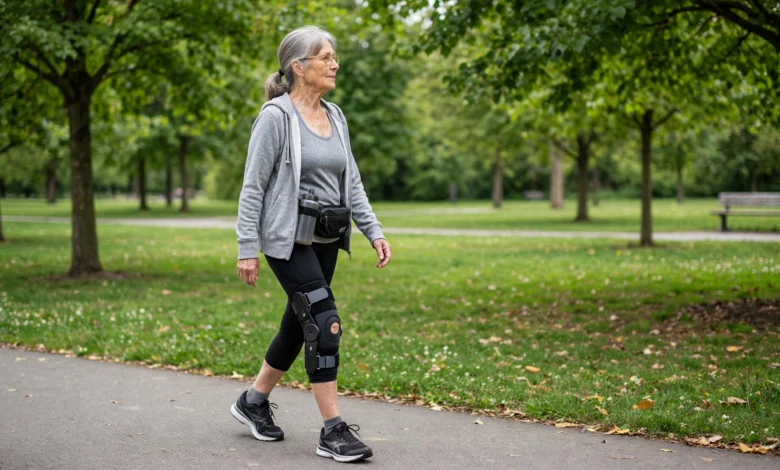
After a knee or ankle injury, walking helps restore normal movement patterns. Start on flat, even ground and wear supportive shoes. A physical therapist may suggest crutches, a brace, or a cane at first, then slowly reduce support as strength returns.
Signs you may be pushing too hard:
- Pain that gets worse during the walk rather than easing
- Swelling that increases afterward
- Limping that becomes more noticeable
- Pain that lasts more than a day or two after walking
4. Active Recovery Walks for Athletes and Gym-Goers
Recovery is not only about illness or injury. If you train hard, an active recovery walk can help your body bounce back between tough workouts.
Why Athletes Use Walking on Rest Days
After intense exercise, muscles feel sore and tight. Complete rest is fine, but light movement often helps you feel better faster. An easy walk increases blood flow to tired muscles, which may help clear waste products and bring in nutrients needed for repair. It also keeps you loose without adding more stress.
How to Do an Active Recovery Walk
- Keep the pace easy. You should be able to hold a full conversation.
- Aim for 20 to 45 minutes.
- Choose flat routes rather than steep hills.
- Pair it with light stretching afterward.
The goal is to feel refreshed, not tired. If you finish your active recovery walk feeling drained, you probably went too fast or too far.
5. Walking for Mental Health and Emotional Recovery
Walking for mental health deserves its own spotlight. Recovery is not only physical. Grief, burnout, anxiety, and depression all take a toll, and walking is one of the most accessible ways to support your mind.
How Walking Lifts Your Mood
Research has consistently linked regular walking with lower rates of depression and anxiety. Walking releases endorphins, reduces stress hormones, and improves sleep. It also gives your mind a break from constant input. A walk without your phone can feel like hitting a reset button.
Walking in Nature
Walking outdoors, especially in green spaces, seems to offer extra benefits. Parks, trails, and tree-lined streets tend to lower stress more than busy urban roads. Even a small local park can help.
Walking in Addiction Recovery
Many people in addiction recovery use walking to manage cravings, fill unstructured time, and build a healthy routine. A daily walk gives the day a shape, and walking with a friend or a support group adds connection, which is a powerful part of lasting recovery.
6. Walking During Chronic Illness and Cancer Recovery
People living with chronic conditions like type 2 diabetes, arthritis, COPD, or cancer often feel that exercise is out of reach. Walking changes that. It can be scaled down to a few minutes and built up slowly.
Walking and Cancer-Related Fatigue
It sounds backward, but gentle activity often reduces the deep fatigue that comes with cancer treatment. Many oncology teams now encourage patients to walk as able, even during treatment. Start small, rest when needed, and talk to your care team about what is right for you.
Walking With Arthritis
For arthritis, walking helps keep joints mobile and strengthens the muscles around them, which can reduce pain over time. Choose soft surfaces when possible, wear cushioned shoes, and break walks into shorter sessions if needed.
Walking and Blood Sugar Control
A short walk after meals can help lower blood sugar spikes, which is especially useful for people with diabetes or prediabetes. Even 10 to 15 minutes after eating can make a noticeable difference.
7. How Much Walking Do You Actually Need?
The CDC’s physical activity guidelines for adults recommend at least 150 minutes of moderate activity per week, such as brisk walking. That breaks down to about 30 minutes, five days a week.
However, when you are using walking for recovery, the numbers are a long-term goal, not a starting point. Someone recovering from surgery may start at two minutes. That is completely fine. What matters is steady progress.
Step Counts Versus Minutes
You may have heard of the 10,000 steps rule. It is a nice round number, but it did not come from medical research. Studies suggest meaningful health benefits start at much lower counts and increase gradually from there. For recovery, tracking minutes or simply “a little more than last week” is often easier and less stressful.
8. A Simple Recovery Walking Plan for Beginners
Here is a sample walking program for beginners in recovery. Adjust it to your condition and always follow your doctor’s advice first.
Week-by-Week Recovery Walking Plan
| Week | Duration per Walk | Walks per Day | Pace |
|---|---|---|---|
| 1 | 3 to 5 minutes | 3 to 4 | Very easy |
| 2 | 5 to 10 minutes | 2 to 3 | Easy |
| 3 | 10 to 15 minutes | 2 | Easy to comfortable |
| 4 | 15 to 20 minutes | 1 to 2 | Comfortable |
| 5 to 6 | 20 to 30 minutes | 1 | Comfortable to brisk |
| 7 and beyond | 30+ minutes | 1 | Brisk |
Rules for Progressing
- Increase one thing at a time. Add time or speed, not both in the same week.
- Repeat a week if needed. There is no prize for rushing.
- Listen to next-day feedback. If you feel worse the following day, scale back.
- Add hills later. Save inclines until flat walks feel easy.
Building a Daily Walking Routine That Sticks
A daily walking routine works best when it is tied to something you already do. Walk after breakfast, during a lunch break, or after dinner. Put your shoes by the door. Walk with a friend, a family member, or your dog. Small habits like these turn walking from a task into something you do without thinking.
9. Safety Tips for Walking for Recovery
Staying safe matters just as much as staying consistent. Keep these tips in mind:
Gear and Preparation
- Wear supportive shoes with good cushioning and grip.
- Dress in layers so you can adjust to the weather.
- Carry water on longer walks, especially in warm weather.
- Bring your phone for emergencies, even if you keep it in your pocket.
Choosing Your Route
- Start on flat, even ground like a track, mall, or quiet neighborhood.
- Pick routes with benches or places to rest.
- Walk in well-lit, familiar areas.
- Indoor walking or a treadmill works well during bad weather.
When to Stop and Call a Doctor
Stop walking and get medical advice if you notice:
- Chest pain, pressure, or tightness
- Severe shortness of breath
- Dizziness or fainting
- New or sudden swelling in one leg
- Pain, redness, or discharge at a surgical site
- Any symptom that feels unusual or alarming
These signs do not always mean something serious, but they are worth checking right away.
Common Mistakes to Avoid When Walking for Recovery
Even with good intentions, people often slip into habits that slow their progress. Watch out for these:
- Doing too much too soon. Feeling good on day three does not mean you are ready for an hour-long walk.
- Skipping days because of mild soreness. Mild stiffness often improves with gentle movement.
- Ignoring real pain. On the other hand, sharp or worsening pain is a signal to stop.
- Comparing yourself to others. Your recovery timeline is yours alone.
- Wearing worn-out shoes. Old shoes lose support and can cause new aches.
- Forgetting to fuel and hydrate. Your body needs food and water to heal.
How to Stay Motivated on Your Recovery Journey
Motivation tends to fade after the first few weeks. Here are practical ways to keep going:
- Track your progress. A notebook or simple app shows how far you have come.
- Set small goals. “Walk to the corner and back” is a real goal early on.
- Change your scenery. New routes keep things interesting.
- Listen to something you enjoy. Podcasts, audiobooks, or music can make time fly.
- Celebrate milestones. Your first 20-minute walk deserves recognition.
- Find a walking buddy. Accountability and conversation make walks easier to stick with.
Remember that the benefits of walking build over time. Some days will feel harder than others, and that is normal. The key is to keep showing up.
Conclusion
Walking for recovery is a simple, proven way to help your body and mind heal, whether you are recovering from surgery, managing a heart condition, bouncing back from an injury, easing sore muscles after training, or working through stress and low mood. It improves circulation, protects your lungs, preserves muscle, supports digestion, and lifts your mood, all without special equipment or high costs.
The best approach is to start small, follow your care team’s advice, increase your time and pace gradually, and pay attention to warning signs. With patience and a steady daily habit, those first few careful steps can grow into a lasting routine that leaves you stronger, calmer, and more confident in your body than before.