Flakka Withdrawal: What to Expect During Detox
Flakka withdrawal is intense and unpredictable. Learn the 7 most dangerous symptoms, the detox timeline, and how medically supervised treatment keeps you safe.
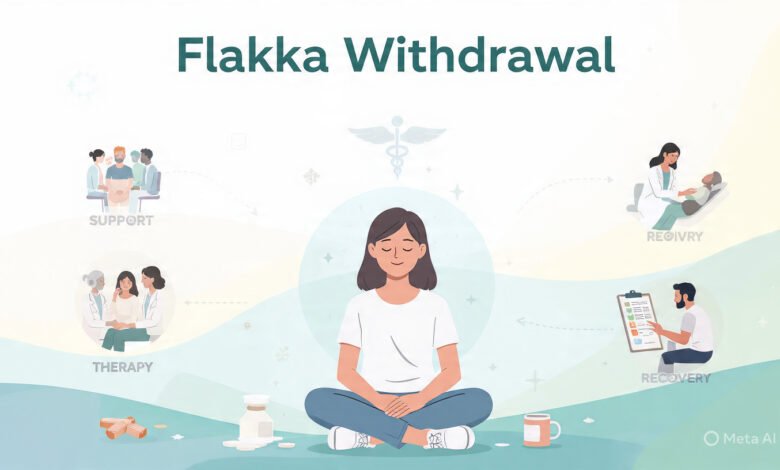
Flakka withdrawal hits differently than most drugs. Unlike opioid withdrawal, which follows a somewhat predictable pattern, coming off Flakka (also called alpha-PVP or “gravel”) can feel like your body and mind are unraveling at the same time, in ways that are hard to prepare for if you have never seen it up close.
Flakka is a synthetic cathinone, part of a broader category of lab-made stimulants sometimes called bath salts or New Psychoactive Substances (NPS). It floods the brain’s reward system, artificially spiking dopamine levels far beyond what any natural stimulus could produce. When someone stops using it, the brain essentially goes dark. Everything that felt euphoric, energized, or even just manageable goes away, and what replaces it is a crash that can involve severe depression, psychosis, uncontrollable cravings, and dangerous physical symptoms.
The problem is that a lot of people try to quit Flakka cold turkey without any medical support. That is one of the most dangerous choices a person can make with this particular drug. The psychiatric and physical effects during Flakka detox can become life-threatening without proper monitoring.
This article breaks down exactly what Flakka withdrawal looks like, when each stage kicks in, what medical detox provides, and why professional treatment is not optional here. It is a guide built for people who are dealing with this directly, whether that is themselves or someone they care about.
What Is Flakka and Why Does Withdrawal Happen?
Before getting into the withdrawal experience itself, it helps to understand why Flakka creates such severe dependency in the first place.
Flakka (alpha-PVP) is a Schedule I controlled substance in the United States, classified alongside heroin and LSD in terms of its abuse potential. It belongs to the synthetic cathinone family, which are chemically similar to cathinone, a natural stimulant found in the khat plant. The synthetic versions are far more potent.
When someone uses Flakka, it triggers a massive surge in dopamine and norepinephrine by blocking the reuptake of these neurotransmitters. This means the brain gets flooded with stimulation signals, producing intense euphoria, increased energy, heightened alertness, and sometimes feelings of invincibility or superhuman strength. That last effect is part of why Flakka-related incidents often involve bizarre and violent behavior.


The problem with any drug that artificially floods the brain with dopamine is that the brain adjusts. Over time, it downregulates its own dopamine production and receptor sensitivity, essentially relying on the drug to maintain baseline functioning. When Flakka use stops, the brain’s dopamine system is left severely depleted, and the result is withdrawal.
Because Flakka also disrupts serotonin and norepinephrine systems, the withdrawal is not just physical. It is deeply psychological, which is what makes Flakka detox uniquely difficult.
The 7 Most Dangerous Flakka Withdrawal Symptoms
Understanding what to expect during Flakka withdrawal can make the process less frightening and help people and their families recognize when symptoms are escalating to a dangerous level.
1. Severe Depression and Suicidal Ideation
This is the symptom that catches most people off guard. Flakka withdrawal depression is not mild sadness. Because the drug has been artificially sustaining the brain’s pleasure circuits, their sudden shutdown can produce a form of anhedonia (the complete inability to feel pleasure) that feels unbearable.
During early Flakka detox, individuals may describe feeling completely empty, hopeless, and convinced that nothing will ever feel good again. This cognitive distortion is neurological in origin, but it feels absolutely real to the person experiencing it. In the most serious cases, these feelings escalate into suicidal thoughts or behavior, which is why around-the-clock psychiatric monitoring during detox is so important.
2. Psychosis and Paranoia
Flakka-induced psychosis does not always resolve the moment someone stops using the drug. In fact, for some individuals, the psychosis gets worse during early withdrawal before it begins to stabilize. This can include:
- Paranoid delusions (believing people are following them, plotting against them)
- Auditory or visual hallucinations
- Disorganized thinking
- Extreme agitation and aggression
The condition known as excited delirium, which has been associated with several Flakka-related deaths and hospitalizations, can occur both during use and during the acute withdrawal phase. Medical staff need to be prepared to manage this safely.
3. Intense Drug Cravings
The cravings that accompany Flakka withdrawal are not like wanting a cigarette or a piece of cake. They are neurological commands. The depleted dopamine system sends urgent signals to the brain that the only way to feel normal again is to use more alpha-PVP. These cravings are most intense in the first 48 to 72 hours but can persist for weeks or months as post-acute withdrawal symptoms (PAWS).
Without structured medical detox, most individuals relapse during this window. This is not a willpower failure. It is the predictable result of a brain in crisis.
4. Hyperthermia and Cardiovascular Complications
Flakka is a powerful stimulant, and that stimulation does not just affect the brain. The cardiovascular system takes a significant hit both during use and during withdrawal. Some individuals experience:
- Elevated heart rate (tachycardia)
- High blood pressure
- Chest pain
- Hyperthermia (dangerously elevated body temperature)
These physical symptoms can trigger cardiac events, including heart attacks and arrhythmias, especially in people with pre-existing conditions. Medical monitoring during Flakka detox allows staff to intervene if heart rate or temperature reach dangerous levels.
5. Muscle Aches, Tremors, and Physical Fatigue
On the physical side, Flakka withdrawal typically involves significant musculoskeletal discomfort. This includes:
- Muscle aches and pains similar to a severe flu
- Tremors and shaking, especially in the hands
- Extreme physical fatigue, often making even simple tasks feel impossible
- Restlessness and an inability to sit still, despite exhaustion
This combination of fatigue and restlessness is particularly uncomfortable and contributes to the difficulty of Flakka detox without medical support.
6. Sleep Disturbances and Insomnia
Flakka disrupts the brain’s sleep-wake cycle, and that disruption does not resolve overnight. During withdrawal, individuals commonly experience:
- Severe insomnia, sometimes lasting multiple days
- Vivid and disturbing nightmares when sleep does occur
- Hypersomnia (sleeping excessively) in some cases, particularly later in the withdrawal timeline
Sleep deprivation compounds every other symptom. It worsens depression, amplifies paranoia, reduces impulse control, and makes cravings harder to resist. Medical detox programs often address sleep issues directly with appropriate medication management.
7. Gastrointestinal Distress and Appetite Changes
Though less dramatic than the psychiatric symptoms, the physical discomfort of Flakka withdrawal also shows up in the digestive system. Common issues include:
- Nausea and vomiting
- Abdominal cramping
- Loss of appetite in the early phase, followed by an increased appetite as the body begins to recover
- Dehydration, which can worsen other symptoms if not managed
Nutritional support during medically supervised detox helps the body recover faster and reduces the severity of these symptoms.
The Flakka Withdrawal Timeline: What to Expect and When
One of the most common questions people ask is how long Flakka withdrawal lasts. The honest answer is that it varies, but here is a general framework based on clinical observations.
Hours 0–24: Onset
Withdrawal symptoms typically begin within a few hours of the last dose, depending on how heavily the person was using. Early symptoms include anxiety, irritability, restlessness, and the first wave of cravings. Some individuals experience rebound hypersomnia during this phase, sleeping heavily as the stimulant effects wear off.
Days 1–3: Peak Acute Withdrawal
This is the most dangerous window. Psychiatric symptoms, including psychosis, paranoia, and depression, tend to peak during this period. Physical symptoms like tremors, muscle aches, hyperthermia, and cardiovascular strain are also at their worst. Medical supervision is most critical here.
Days 4–7: Gradual Physical Stabilization
Most of the acute physical symptoms begin to subside by the end of the first week. Flakka detox programs typically last 5 to 7 days minimum, based on this timeline. However, psychiatric symptoms can persist beyond the physical ones.
Weeks 2–4 and Beyond: Post-Acute Withdrawal Syndrome (PAWS)
Post-acute withdrawal syndrome from Flakka can last weeks or even months. PAWS is characterized by:
- Persistent depression and mood instability
- Cognitive difficulties, including problems with memory and concentration
- Intermittent cravings
- Emotional dysregulation
This is the phase where behavioral therapy and structured aftercare become essential. Physical detox gets the drug out of the system, but PAWS is what drives relapse if left untreated.
Why Medical Detox Is Non-Negotiable for Flakka
Attempting to quit Flakka without professional help is genuinely dangerous. This is not alarmist language. The combination of psychiatric symptoms (psychosis, suicidal ideation), cardiovascular risk (tachycardia, hyperthermia), and intense psychological cravings creates a situation that is extremely difficult to manage without clinical support.
Medically supervised Flakka detox provides several critical functions:
24/7 Medical Monitoring
During inpatient detox, nursing and medical staff monitor vitals continuously. This allows for rapid response to cardiac events, hyperthermia, or escalating psychiatric symptoms before they become life-threatening.
Medication-Assisted Management
While there is no FDA-approved medication specifically for synthetic cathinone withdrawal, physicians use several medications to manage individual symptoms. These may include:
- Benzodiazepines to manage acute anxiety and agitation
- Antipsychotics to address psychosis and paranoia
- Beta-blockers to reduce elevated heart rate and blood pressure
- Sleep aids to address insomnia
- In some cases, buprenorphine or naltrexone for individuals with co-occurring opioid use, since Flakka is frequently used alongside other substances
Nutritional and Hydration Support
Many individuals entering Flakka detox are malnourished and dehydrated. Structured medical settings address this directly, which speeds recovery and reduces the severity of withdrawal.
Psychiatric Assessment
The psychiatric component of Flakka withdrawal is significant enough that a thorough psychiatric evaluation during detox is standard practice at quality treatment centers. This assessment identifies co-occurring mental health disorders like depression, anxiety, PTSD, or bipolar disorder, which are common in people who use synthetic stimulants.
According to SAMHSA (Substance Abuse and Mental Health Services Administration), individuals with co-occurring mental health conditions require integrated treatment that addresses both the addiction and the underlying disorder simultaneously.
Flakka Detox and Co-Occurring Substance Use
One important factor that complicates Flakka withdrawal is that it rarely occurs in isolation. Many people who use Flakka also use alcohol, benzodiazepines, opioids, or other stimulants. This is called polysubstance use, and it significantly affects the detox process.
When multiple substances are involved, the withdrawal timeline can be extended, and the risks are compounded. For example, alcohol withdrawal on its own can be fatal if not medically managed. Add Flakka withdrawal to the picture, and the clinical picture becomes far more complex.
A quality Flakka detox program accounts for this from intake, assessing the full scope of substance use and adjusting the treatment plan accordingly. This is another reason why attempting home detox from Flakka is particularly risky for polysubstance users.
What Comes After Flakka Detox?
Completing medical detox is a significant achievement, but it is the beginning of treatment, not the end. The brain’s dopamine system takes time to heal, and without structured support after detox, the likelihood of relapse is high.
Inpatient Rehabilitation
Inpatient or residential rehabilitation after Flakka detox provides a highly structured environment where individuals receive:
- Cognitive Behavioral Therapy (CBT) to identify and change the thinking patterns that drive addictive behavior
- Group therapy for peer support and shared accountability
- Family therapy to repair relationships and build a support system
- Psychoeducation about addiction, relapse triggers, and coping strategies
- Dual diagnosis treatment for co-occurring mental health conditions
Outpatient Programs
For individuals who have completed inpatient treatment, outpatient programs (including intensive outpatient programs, or IOP) offer continued structure while allowing a return to normal life. These programs typically involve several sessions per week and continue behavioral therapy.
Long-Term Support and Relapse Prevention
Recovery from Flakka addiction is a long-term process. PAWS can stretch for months, and without an ongoing support structure, relapse is a real risk. Long-term support options include:
- 12-step programs or alternative peer support groups
- Continued individual therapy
- Medication management for any lingering psychiatric symptoms
- Lifestyle changes including sleep hygiene, exercise, and nutrition
According to NIDA (National Institute on Drug Abuse), behavioral therapies remain the primary treatment approach for synthetic stimulant addiction, and comprehensive care that extends beyond detox significantly improves long-term outcomes.
Who Is at Highest Risk During Flakka Withdrawal?
Not everyone who has used Flakka will experience the same severity of withdrawal. Several factors influence how difficult Flakka detox is likely to be:
- Duration of use: Longer-term users typically experience more severe withdrawal
- Frequency and amount: Heavy daily use creates deeper neurological dependency
- Method of administration: Intravenous use or smoking alpha-PVP tends to create faster and more intense dependency than oral use
- Pre-existing mental health conditions: Individuals with depression, anxiety, or psychosis are at higher risk for severe psychiatric withdrawal symptoms
- Polysubstance use: Co-occurring addiction to other substances complicates and intensifies withdrawal
- Age and overall health: Younger, physically healthier individuals may recover faster, but cardiovascular risks apply at any age
Understanding these risk factors helps clinicians tailor Flakka detox protocols to each individual’s specific situation.
How to Help Someone Going Through Flakka Withdrawal
If you are supporting a loved one through Flakka withdrawal, the most important thing you can do is get them into a medically supervised setting. Beyond that:
- Stay calm and non-confrontational. Paranoia and aggression during Flakka withdrawal can make the person defensive. Approaching with calm, non-judgmental communication reduces escalation.
- Do not leave them alone during acute withdrawal, particularly in the first 72 hours.
- Remove access to Flakka and other substances from the environment.
- Contact a crisis line or emergency services if psychiatric symptoms escalate to include self-harm or harm to others.
- Encourage professional treatment rather than trying to manage the process at home.
Family members and close friends also benefit from their own support. Addiction strains relationships, and family therapy and support groups like Al-Anon can help loved ones process their own experiences while the person in recovery works through treatment.
Frequently Asked Questions About Flakka Withdrawal
How long does Flakka withdrawal last? Acute Flakka withdrawal typically lasts 5 to 10 days. However, post-acute withdrawal symptoms (PAWS), including depression, cognitive difficulties, and intermittent cravings, can persist for weeks to months.
Can you die from Flakka withdrawal? Yes, in serious cases. The cardiovascular complications (tachycardia, hyperthermia) and psychiatric symptoms (psychosis, suicidal ideation) associated with Flakka withdrawal can be life-threatening without medical management.
Is there a medication that treats Flakka withdrawal? There is no single FDA-approved medication specifically for synthetic cathinone withdrawal. However, physicians use a combination of supportive medications (benzodiazepines, antipsychotics, beta-blockers) to manage individual symptoms during medically supervised detox.
What is the difference between Flakka and bath salts? Flakka (alpha-PVP) is one type of synthetic cathinone, the same class of drugs often referred to as bath salts. Bath salts is an umbrella term for various synthetic cathinones sold under different names. Flakka refers specifically to alpha-pyrrolidinopentiophenone (alpha-PVP).
Can Flakka withdrawal cause permanent brain damage? Prolonged Flakka use has been associated with lasting cognitive impairment, including memory problems and difficulty with concentration. Whether withdrawal itself causes permanent damage is less clear, but the neurological impact of extended alpha-PVP use can result in long-lasting changes to brain function, particularly in the dopamine system.
Conclusion
Flakka withdrawal is one of the most physically and psychologically demanding detox experiences in the landscape of substance use disorders. From severe depression and psychosis to cardiovascular risk and relentless cravings, the symptoms are serious enough that attempting to quit without medical support puts lives at risk. Medically supervised Flakka detox provides the monitoring, medication management, and psychiatric support needed to get through the acute phase safely, while structured rehabilitation programs like CBT, inpatient treatment, and long-term aftercare address the deeper patterns that drive addiction.
Recovery from Flakka (alpha-PVP) is genuinely possible, but it requires a level of clinical support that matches the intensity of what the drug does to the brain, starting with taking the withdrawal phase seriously and getting professional help from day one.