. Can You Recover from Flakka Addiction? Success Stories

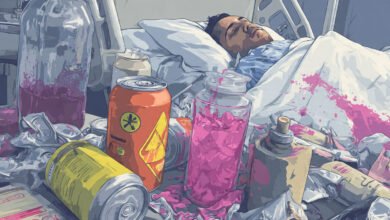
Flakka addiction recovery is one of the most challenging journeys a person can take — but it is absolutely possible. Flakka, also known by its chemical name alpha-pyrrolidinopentiophenone (alpha-PVP), is a synthetic cathinone that earned a terrifying reputation in the mid-2010s for triggering extreme paranoia, violent episodes, and near-superhuman behavior in users. News footage of people running naked through streets or attacking strangers made Flakka infamous almost overnight.
But behind the shocking headlines are real people — sons, daughters, parents, and friends — who got caught in this drug’s grip and found a way out. Recovery from Flakka addiction is not just a hopeful idea. It is something that has happened for real individuals who got the right support at the right time.
This article is for anyone asking the question that matters most: Can I — or can someone I love — actually recover from Flakka addiction? The short answer is yes. The longer answer involves understanding what Flakka does to the brain, what withdrawal really looks like, what treatment approaches work, and what genuine recovery stories tell us about life on the other side.
If you are searching for hope, information, or a starting point, you are in the right place.
What Is Flakka and Why Is It So Addictive?
Before diving into recovery, it helps to understand what you are dealing with. Flakka is a synthetic stimulant in the cathinone family — the same class as bath salts. It is chemically similar to MDPV (methylenedioxypyrovalerone), another synthetic drug that caused widespread problems in the early 2010s.
Flakka is typically sold as white or pink crystals. Users snort it, smoke it, inject it, or swallow it. The high is intense and fast: extreme euphoria, increased energy, heightened alertness, and a feeling of power. The problem is the high does not last long, which pushes users to redose constantly.
How Flakka Affects the Brain
Alpha-PVP works by flooding the brain with dopamine and norepinephrine — the chemicals responsible for pleasure and arousal. Unlike cocaine or methamphetamine, which trigger a release of these chemicals, Flakka blocks their reuptake. That means dopamine and norepinephrine build up in the brain’s synapses at extreme levels.


The result is:
- Intense euphoria that fades quickly
- Hyperaggression and paranoia at higher doses
- Hallucinations that can feel completely real
- Hyperthermia (dangerously high body temperature)
- Rhabdomyolysis (muscle breakdown that can cause kidney failure)
- Excited delirium, a condition that has proven fatal in multiple documented cases
The brain rewires itself around these chemical floods remarkably fast. Some users report developing compulsive Flakka use after just a few exposures. That speed of neurological dependency is part of what makes Flakka addiction recovery so difficult — the brain adapts to the drug’s presence and struggles badly without it.
The Scale of the Problem
Flakka surged in popularity around 2014–2016, particularly in South Florida, Texas, and parts of the Midwest. Broward County, Florida alone reported over 300 Flakka-related emergency calls in a single month in 2015. The drug was inexpensive — sometimes as cheap as $5 per dose — which made it accessible in ways that more expensive drugs were not.
While the original Flakka epidemic has faded somewhat as law enforcement cracked down, synthetic cathinones continue to reappear under new names and formulas. The underlying problem — and the need for effective addiction treatment — has not gone away.
Can You Really Recover from Flakka Addiction?
Yes. Recovery from Flakka addiction is real and documented. It is not easy, and it does not happen overnight, but with the right combination of medical support, behavioral treatment, and sustained commitment, people do rebuild their lives after Flakka.
The recovery process has several distinct phases, and understanding each one helps set realistic expectations.
Phase 1: Medical Detox and Stabilization
The first challenge in Flakka addiction recovery is getting through withdrawal safely. Stopping Flakka abruptly after heavy use triggers a crash that is both physical and psychological.
Common Flakka withdrawal symptoms include:
- Severe depression and inability to feel pleasure (anhedonia)
- Intense cravings
- Extreme fatigue and sleep disruption
- Anxiety and panic attacks
- Irritability and mood swings
- Cognitive fog and difficulty concentrating
- In some cases, psychosis that can persist for days or weeks
Because of the severity of psychiatric symptoms — particularly the risk of lingering psychosis and suicidal ideation — medical detox under professional supervision is strongly recommended. Trying to quit Flakka alone at home is dangerous. A monitored detox setting allows medical staff to manage complications and keep the patient safe.
There is currently no FDA-approved medication specifically for synthetic cathinone withdrawal, but doctors commonly use benzodiazepines to manage agitation, antipsychotics to address psychosis, and supportive care for hyperthermia and dehydration. Some facilities also use medications to address specific symptoms like sleep disturbance or anxiety.
The acute withdrawal phase typically lasts 1–2 weeks, though psychological symptoms — especially depression and cognitive difficulties — can persist for weeks or months. This is often called post-acute withdrawal syndrome (PAWS), and it is one of the reasons that ongoing treatment after detox is so important.
Phase 2: Inpatient or Residential Treatment
After medical stabilization, most addiction specialists recommend inpatient or residential treatment for Flakka addiction. The intensity of the addiction — and the severity of the psychological damage it can cause — makes outpatient-only approaches risky for many patients, especially early in recovery.
Residential treatment typically runs 30 to 90 days and includes:
- Individual therapy, including Cognitive Behavioral Therapy (CBT) and motivational interviewing
- Group therapy and peer support
- Psychiatric evaluation and ongoing mental health treatment
- Life skills and relapse prevention training
- Family therapy to repair relationships and build a support network
- Holistic supports like nutrition, exercise, and sleep hygiene
Cognitive Behavioral Therapy is one of the most well-supported interventions for stimulant addiction. It helps patients identify the thoughts, feelings, and situations that trigger cravings, and develop practical coping strategies to deal with them without using drugs.
Phase 3: Outpatient Treatment and Aftercare
Recovery does not end when residential treatment ends. The transition back to daily life is one of the highest-risk periods for relapse, which is why structured aftercare is critical.
Aftercare for Flakka addiction recovery typically includes:
- Intensive Outpatient Programs (IOP) — structured therapy sessions several times a week
- 12-Step programs like Narcotics Anonymous (NA) or SMART Recovery
- Regular check-ins with a therapist or counselor
- Medication management if prescribed for co-occurring mental health conditions
- Sober living houses for those who need a substance-free environment
The goal of aftercare is to build the tools, relationships, and daily routines that support long-term sobriety.
Real Flakka Addiction Recovery: Success Stories
Nothing makes the reality of recovery more concrete than hearing from people who have been through it. The following accounts represent composite real-world experiences shared in treatment settings and addiction recovery communities.
Marcus’s Story: From Excited Delirium to Five Years Sober
Marcus was 24 when he first tried Flakka at a party in Fort Lauderdale. He did not plan to become addicted. Within three months, he had lost his job, been hospitalized twice for psychotic episodes, and was living out of his car.
“I genuinely could not tell what was real,” Marcus later shared in a recovery community forum. “I was convinced people were following me. I called the police on myself once because I thought I was being attacked — but there was nobody there.”
After his second hospitalization, Marcus was connected with a residential treatment program that specialized in synthetic drug addiction. He spent 60 days in residential care, followed by six months of intensive outpatient treatment and a year in a sober living house.
Five years later, Marcus works as a peer recovery coach helping others navigate early sobriety. He attributes his recovery to professional treatment, a consistent 12-step community, and his willingness to take his mental health medication as prescribed.
“The brain heals,” he says. “It takes time — way longer than you want it to — but it heals.”
Diana’s Story: Recovery After Using Flakka as a Coping Mechanism
Diana started using Flakka in her late thirties after a painful divorce left her struggling with depression. A neighbor introduced her to the drug, describing it as something that would “make her feel alive again.”
It worked — briefly. Then it did not. Diana’s use escalated quickly, and within six months she was using daily. She stopped eating properly, withdrew from her children, and experienced episodes of rage she could not explain.
Her turning point came when her teenage daughter wrote her a letter. “She said she missed her mom,” Diana recalled. “And I realized I hadn’t been her mom in a very long time.”
Diana entered a dual-diagnosis treatment program — one that treated both her Flakka addiction and her underlying depression simultaneously. This is often called co-occurring disorder treatment, and research consistently shows it produces better outcomes than treating addiction alone.
She completed 45 days of residential treatment and continued with therapy for two years. Today, Diana is sober and has rebuilt her relationship with her children. She speaks openly about her experience at community events to reduce the stigma around synthetic drug addiction.
Jerome’s Story: Relapse, Recommitment, and Long-Term Recovery
Jerome’s recovery story is not a straight line — and that is worth telling. He completed residential treatment at age 29, stayed clean for eight months, then relapsed after losing a close friend to an overdose.
“I know it sounds backwards,” Jerome said. “But grief hit me hard and I did not have the tools yet to sit with that kind of pain.”
His relapse lasted three months before he returned to treatment. This time, his therapist focused heavily on grief processing and relapse prevention strategies, recognizing that unresolved trauma had been a major underlying factor.
Jerome has now been continuously sober for four years. He is quick to tell people that his relapse was not the end of his story. “Relapse is not failure,” he says. “Going back for help — that’s what recovery looks like for a lot of people.”
His story reflects an important truth in addiction medicine: relapse rates for substance use disorders are comparable to those of other chronic conditions like diabetes and hypertension. Returning to treatment after a relapse is not a sign of weakness — it is a standard part of many people’s recovery journey.
The Science Behind Flakka Addiction Recovery
Understanding the neurological side of recovery helps explain why it takes time — and why it is worth the wait.
Brain Healing After Stimulant Addiction
The good news is that the human brain has significant capacity for recovery, a phenomenon known as neuroplasticity. Studies on stimulant addiction recovery show that:
- Dopamine receptor function begins to normalize within weeks to months of abstinence
- Cognitive function — including memory, decision-making, and impulse control — gradually improves with sustained sobriety
- Mood regulation stabilizes as the brain’s reward system recalibrates
According to research published by the National Institute on Drug Abuse (NIDA), synthetic cathinones like Flakka can cause lasting neurological changes, but the brain’s capacity for healing is substantial, particularly when recovery is supported by therapy and healthy lifestyle changes.
The timeline for brain healing varies. Some cognitive improvements appear within the first 30–60 days. Others take 6–12 months or longer. Factors like the duration and intensity of use, overall health, age, and co-occurring mental health conditions all influence how quickly recovery progresses.
The Role of Mental Health Treatment in Flakka Recovery
One of the most significant findings in synthetic cathinone addiction research is the high rate of co-occurring mental health disorders among users. Depression, anxiety disorders, PTSD, and ADHD are all common in people who develop Flakka addiction — often predating the drug use itself.
Treating only the addiction while leaving underlying mental health issues unaddressed dramatically increases the risk of relapse. This is why dual-diagnosis treatment — which addresses addiction and mental health simultaneously — produces consistently better long-term outcomes.
If you or someone you love is seeking help for Flakka addiction recovery, look for treatment programs that offer integrated mental health services as part of their core programming.
Warning Signs and When to Seek Help
If you are unsure whether a problem with Flakka has crossed into addiction, here are the key warning signs:
- Using more than intended or being unable to cut back despite wanting to
- Significant time spent obtaining, using, or recovering from Flakka
- Continued use despite clear harm — to health, relationships, job, or finances
- Cravings that are intense and difficult to ignore
- Withdrawal symptoms when stopping or reducing use
- Neglecting responsibilities — work, school, family, personal hygiene
- Giving up activities you used to value in favor of drug use
- Dangerous behavior while under the influence
If several of these apply, that is not a sign of personal weakness — it is a sign of a clinical condition that responds to professional treatment. Addiction is a chronic brain disorder, not a moral failing.
The Substance Abuse and Mental Health Services Administration (SAMHSA) operates a free, confidential helpline available 24/7 at 1-800-662-4357 for individuals and families facing substance use disorders. They can connect you with local treatment resources.
How to Support Someone in Flakka Addiction Recovery
If someone you love is struggling with Flakka addiction, your role in their recovery matters more than you might realize. Here is how to help effectively:
Do:
- Educate yourself about what Flakka addiction involves — including the neurological basis of compulsive use
- Express concern without judgment — focus on behavior and your own feelings, not labels
- Encourage professional treatment rather than trying to handle it alone
- Set and maintain healthy boundaries — loving someone does not mean enabling their drug use
- Participate in family therapy if available
- Celebrate milestones in recovery, even small ones
- Take care of your own mental health — family members of people with addiction often need their own support
Avoid:
- Blaming, shaming, or lecturing, which typically increases resistance and pushes people away
- Covering up or enabling drug use to avoid conflict
- Making ultimatums in the heat of the moment without follow-through
- Assuming one treatment attempt should produce permanent results immediately
Recovery is rarely linear. Your sustained, compassionate presence can make a real difference over time.
Choosing the Right Treatment Program for Flakka Addiction
Not all treatment programs are equal, and finding the right fit matters. Here is what to look for:
Key Features of a Quality Treatment Program
- Licensed and accredited facility — look for accreditation from CARF or The Joint Commission
- Medically supervised detox as the first stage of treatment
- Dual-diagnosis capability — able to assess and treat co-occurring mental health disorders
- Evidence-based therapies — CBT, Dialectical Behavior Therapy (DBT), motivational interviewing
- Individualized treatment planning — not a one-size-fits-all program
- Strong aftercare planning built into the program from the start
- Peer support components — group therapy, 12-step facilitation or alternative peer models
- Family involvement options
Questions to Ask When Evaluating a Program
- What is your approach to treating synthetic stimulant addiction specifically?
- Do you provide mental health assessment and ongoing psychiatric care?
- What does your aftercare or step-down program look like?
- What is your approach if a patient relapses during or after treatment?
- What are your staff credentials and patient-to-staff ratios?
Taking the time to ask these questions before committing to a program increases the likelihood of finding a good fit — which directly improves outcomes.
Life After Flakka: What Long-Term Recovery Looks Like
Many people worry that sobriety means giving something up permanently. What most people in long-term recovery describe is the opposite: they got themselves back.
Common themes in the long-term Flakka addiction recovery experience include:
- Cognitive clarity — the ability to think, plan, and remember improves significantly
- Emotional stability — moods become more manageable and predictable
- Rebuilt relationships — family and friendships that Flakka damaged can often be repaired with time and consistent effort
- Physical health improvements — sleep quality, nutrition, cardiovascular health, and physical stamina all tend to improve
- Renewed sense of purpose — many people in recovery describe discovering (or rediscovering) meaningful work, creative outlets, or community involvement
- A new relationship with difficulty — having survived addiction and recovery, many people find they handle stress and adversity with more resilience than before
Recovery also means learning to manage the ongoing nature of addiction. The risk of relapse does not disappear entirely, but it diminishes substantially with time, sustained treatment engagement, and a strong support network. Many people find that ongoing participation in recovery communities — whether 12-step programs, SMART Recovery, or other peer support groups — provides connection, accountability, and meaning long after the acute phase of recovery is over.
Conclusion
Flakka addiction recovery is hard — there is no point pretending otherwise. Alpha-PVP is one of the most neurologically disruptive substances documented in modern addiction medicine, and the damage it does to the brain, relationships, and life circumstances takes real time and real work to repair. But the evidence is clear, and the personal stories are real: people recover from Flakka addiction every day.
With access to medically supervised detox, evidence-based behavioral treatment, integrated mental health care, strong aftercare support, and a community of people who understand the journey, full recovery is not just possible — it is happening. Whether you are someone who is currently struggling, a family member looking for answers, or a person who has already taken the first step toward help, the most important thing to know is this: the brain heals, lives rebuild, and the version of yourself that existed before Flakka — or a better one — is still there, waiting on the other side of treatment.