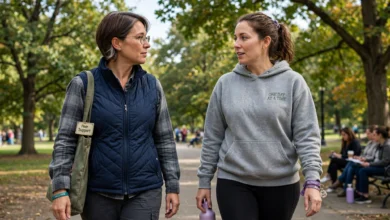
Caregiver Support Groups: Finding Your Community
Caregiver support groups offer real connection, practical advice, and relief from burnout. Here is how to find the right group for your situation.
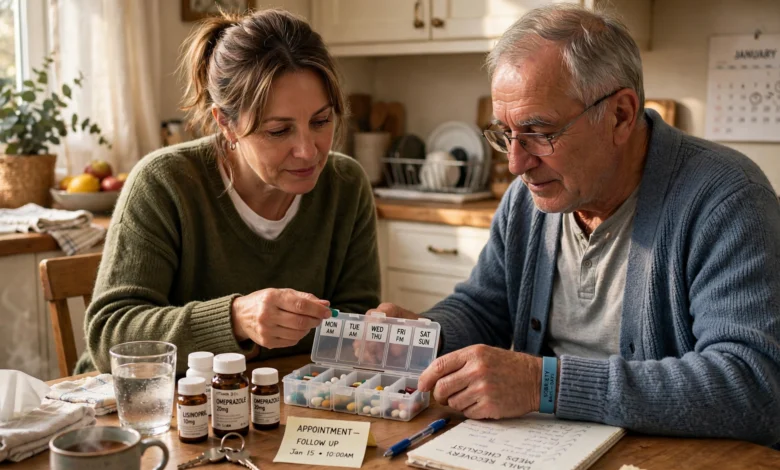
Caregiver support groups exist for one simple reason: caring for someone you love is hard, and doing it alone makes it harder. If you are helping a parent with dementia, supporting a spouse through cancer treatment, or raising a child with special needs, you already know the weight of it. The appointments, the medications, the late-night worry, and the quiet guilt when you feel exhausted all add up.
Around 53 million adults in the United States provide unpaid care to a family member or friend. That is a huge number of people, yet many caregivers say they feel completely isolated. Friends drift away because they don’t understand. Family members may not pitch in the way you hoped. And somewhere along the way, your own needs slide to the bottom of the list.
This is where a good support group can change things. Sitting with people who truly get it, even through a screen, can ease caregiver stress in a way that advice from outsiders rarely does. You get practical tips, honest conversation, and the relief of hearing “me too.”
In this guide, we will walk through what support groups for caregivers actually look like, the different types available, how to find one that fits your life, and what to expect when you show up for the first time. We will also cover how to tell if a group isn’t working for you and what to do next. Think of it as a roadmap to finding your people.
What Are Caregiver Support Groups?
Caregiver support groups are gatherings of people who are caring for someone with an illness, disability, or age-related needs. Members meet regularly to share experiences, trade practical advice, and offer each other emotional support. Some groups are led by trained professionals like social workers or nurses. Others are run by volunteers who are caregivers themselves.
The format varies a lot. Some meet weekly in a church basement or hospital conference room. Others happen over Zoom on a Tuesday night after the kids are in bed. Some are active message boards where you can post at 3 a.m. when you can’t sleep.
How They Differ From Therapy
A support group is not the same as therapy, though both can help. Therapy is one-on-one (or couples or family) work with a licensed professional who helps you process emotions and build coping skills. A support group is built on peer support, meaning the main value comes from other people in the same boat.


Many caregivers use both. A therapist can help with depression or anxiety, while a group gives you community and practical know-how that only fellow caregivers have.
Who Can Join?
Almost anyone in a caregiving role can join. That includes:
- Adult children caring for aging parents
- Spouses and partners caring for each other
- Parents of children with disabilities or chronic illness
- Grandparents raising grandchildren
- Friends or neighbors who have stepped into a caregiving role
- Former caregivers working through grief after a loved one has passed
You don’t need a formal title or a certain number of hours per week. If you are helping someone who depends on you, you belong.
Why Caregiver Support Groups Matter for Your Health
It is easy to think of support as a “nice extra.” The research says otherwise. Caregiving has real, measurable effects on health, and caregiver support groups are one of the most accessible ways to reduce that toll.
The Reality of Caregiver Burnout
Caregiver burnout is a state of physical, emotional, and mental exhaustion. It often creeps in slowly. Signs include:
- Feeling tired no matter how much you sleep
- Getting sick more often than usual
- Withdrawing from friends and activities you used to enjoy
- Feeling irritable, hopeless, or resentful
- Changes in appetite or weight
- Trouble concentrating or making decisions
Studies have linked long-term caregiving to higher rates of depression, anxiety, high blood pressure, and weakened immune function. The Family Caregiver Alliance has documented how caregivers often neglect their own medical care while managing someone else’s.
What Support Groups Actually Do
Joining a group won’t make the caregiving disappear, but it can make it lighter. Members often report:
- Less isolation. Just being around people who understand reduces loneliness.
- Better coping skills. You pick up strategies that worked for others.
- Practical resources. Groups are goldmines for tips on respite care, insurance, home modifications, and local services.
- Permission to feel. Frustration, grief, and even anger are normal. Hearing others say it out loud makes it easier to accept your own feelings.
- Improved mood. Regular participation has been associated with lower levels of depression and stress in caregivers.
Types of Support Groups for Caregivers
Not every group fits every person. Knowing your options helps you pick one that matches your situation, schedule, and personality.
In-Person Local Support Groups
Local support groups usually meet at hospitals, senior centers, places of worship, community centers, or libraries. The big advantage is face-to-face connection. You can read body language, grab coffee afterward, and build friendships with people who live nearby and know the same local resources.
The downside is logistics. If you can’t leave your loved one alone, getting to a meeting may require arranging backup care. Some groups solve this by offering on-site activities for the person you care for.
Online Caregiver Support Groups
Online caregiver support groups have grown quickly, and for good reason. They fit around unpredictable schedules and don’t require travel. Common formats include:
- Video meetings on Zoom or similar platforms, which feel close to in-person groups
- Forums and message boards where you can post and reply anytime
- Social media groups on Facebook or Reddit, which tend to be large and very active
- Chat-based groups in apps designed for caregivers
Virtual support groups are especially helpful for rural caregivers, people caring for someone with a rare condition, and anyone who simply can’t get out of the house.
Condition-Specific Groups
Many groups focus on one diagnosis. A dementia caregiver support group will talk about things like wandering, sundowning, and memory loss in ways a general group might not. Other common focuses include:
- Alzheimer’s disease and other dementias
- Cancer
- Parkinson’s disease
- Stroke recovery
- ALS
- Mental illness
- Autism and developmental disabilities
- Brain injury
If your loved one has a specific condition, a focused group usually offers more relevant advice.
Relationship-Specific Groups
Some groups center on who you are caring for rather than what they have. There are groups for spouses, for adult children, for young caregivers in their 20s and 30s, for LGBTQ+ caregivers, and for long-distance caregivers who manage care from another city or state. These groups address the particular emotional dynamics of your role.
Professionally Led vs. Peer-Led Groups
Professionally led groups usually have a social worker, counselor, or nurse facilitating. They may include structured education, like a session on managing medications or understanding legal documents.
Peer-led groups are run by fellow caregivers. They often feel more relaxed and personal. Neither is better overall; it depends on what you need.
7 Ways to Find Caregiver Support Groups Near You and Online
Finding the right group takes a little digging. Here are seven reliable places to start.
1. Check National Organizations
Major health and caregiving organizations keep directories of groups. The Alzheimer’s Association support group finder lists both in-person and virtual meetings, and the organization runs a free 24/7 helpline at 800-272-3900. Other useful sources include the American Cancer Society, the Parkinson’s Foundation, the National Alliance on Mental Illness (NAMI), and the Caregiver Action Network.
2. Ask Your Loved One’s Care Team
Doctors, nurses, and especially hospital social workers often know which groups are active locally. Many hospitals host their own family caregiver support programs. Just ask at your next appointment: “Do you know of any caregiver groups you would recommend?”
3. Contact Your Area Agency on Aging
In the US, every region has an Area Agency on Aging. They connect caregivers to services like support groups, respite programs, and meal delivery. You can find yours through the Eldercare Locator at 1-800-677-1116.
4. Look Into Faith Communities
Churches, mosques, synagogues, and temples frequently host caregiver support groups, and many are open to people outside the congregation. These groups sometimes include a spiritual component, which some caregivers find comforting.
5. Search Online Communities
AARP’s caregiving section, Reddit communities like r/CaregiverSupport, and Facebook groups for specific conditions can connect you with thousands of people. Look for groups with active moderators and clear rules, as they tend to be kinder and more helpful.
6. Use Your Employer’s Resources
Many employers offer an Employee Assistance Program (EAP) that includes counseling and referrals to caregiving resources. Some larger companies even run internal support groups for employees who are caregivers.
7. Ask Other Caregivers
Word of mouth is powerful. If you know someone who has cared for a family member, ask what helped them. Once you join one group, members often share information about others.
How to Choose the Right Caregiver Support Group
Once you have a few options, it helps to think about what you actually want. Ask yourself these questions:
Consider Your Schedule and Energy
Be realistic. If you are stretched thin, a weekly in-person meeting across town may add stress instead of relieving it. An online group you can check whenever you have ten minutes might be a better fit right now. You can always change later.
Think About the Group’s Focus
Do you want emotional support, practical education, or both? Some groups spend most of their time sharing feelings. Others bring in guest speakers on topics like Medicare or home safety. Ask the facilitator about the typical format before you go.
Check the Group Size and Vibe
Small groups of five to ten people tend to feel more intimate. Larger groups offer more perspectives but less time for each person to talk. Neither is wrong, but you will probably have a preference.
Look for Good Facilitation
A skilled facilitator keeps conversations balanced, makes sure no one dominates, and steers things back when a discussion turns negative. This matters more than people realize.
Questions to Ask Before Joining
- How often does the group meet, and for how long?
- Who leads it, and what is their background?
- Is there a cost? (Most groups are free.)
- Is the group open to new members anytime, or does it run in sessions?
- Is there care available for my loved one during meetings?
- What are the confidentiality rules?
What to Expect at Your First Support Group Meeting
Walking into your first meeting can feel awkward. Knowing what usually happens makes it easier.
A Typical Meeting Structure
Most meetings follow a loose pattern:
- Welcome and ground rules. The facilitator reminds everyone that what is shared stays in the room.
- Introductions. Members share their name, who they care for, and sometimes a quick update.
- Open discussion or a topic. The group might talk about a shared challenge, or a guest might present on something specific.
- Sharing resources. People swap tips on doctors, services, products, or programs.
- Closing. Some groups end with a check-out question or a moment of reflection.
You Don’t Have to Talk
Many people spend their first meeting or two just listening. That is completely fine. Nobody will force you to share. Often, hearing someone else describe exactly what you are feeling is the most powerful part of the experience.
Give It a Few Tries
First meetings don’t always click. The group dynamic can shift from week to week depending on who shows up. Try at least two or three meetings before deciding whether it is right for you.
Getting the Most Out of Caregiver Support Groups
Once you have found a group, a few habits can help you get real value from it.
Be Honest
The more openly you share, the more useful the feedback. If you are struggling with resentment or thinking about a nursing home placement, saying it out loud lets others offer support and real-world experience.
Take Notes on Resources
People share a lot of practical information, from names of good home health agencies to tricks for getting insurance approvals. Keep a notebook or a note on your phone.
Offer Support Too
Helping others can be surprisingly healing. Your experience, even if you feel like you are barely keeping up, may be exactly what a newer caregiver needs to hear.
Stay Connected Between Meetings
Swap numbers or emails with members you connect with. Some of the strongest friendships in caregiving come from these groups.
Pairing Support Groups With Other Self-Care for Caregivers
A support group works best as part of a bigger plan. Self-care for caregivers isn’t selfish; it is what keeps you able to keep going.
Use Respite Care
Respite care gives you a break by having someone else temporarily take over caregiving. It can be a few hours of in-home help, a day at an adult day program, or a short stay at a care facility. Your support group can point you toward local respite options, and some groups even share funding sources.
Protect Your Physical Health
Keep your own doctor appointments. Try to get some movement in, even a short walk. Eat real meals when you can. These basics are easy to drop and hard to recover once they are gone.
Set Boundaries
You can’t do everything. Learning to say no, ask for help, and accept imperfect solutions is a skill many caregivers pick up from their groups.
Consider Professional Help
If you are feeling persistent sadness, hopelessness, or anxiety, talk to a doctor or mental health professional. A support group is great for connection, but it isn’t a replacement for treatment when you need it. If you are ever in crisis, reach out to a local crisis line or emergency services.
When a Support Group Isn’t the Right Fit
Sometimes a group just doesn’t work. That is normal and doesn’t mean support groups aren’t for you.
Signs It Might Be Time to Move On
- You leave meetings feeling worse, not better
- The group spends most of its time complaining with no support or problem-solving
- One or two people dominate every conversation
- The focus doesn’t match your situation (for example, you care for a parent with early-stage dementia and the group is mostly late-stage)
- You feel judged or unwelcome
What to Do Next
Try a different group before giving up entirely. Switching from in-person to online (or the reverse) can make a big difference. You might also try a group with a narrower focus, or one led by a professional instead of a peer. Organizations like AARP’s caregiving resource center can help you find alternatives.
Caregiver Support Groups for Grief and Life After Caregiving
Caregiving doesn’t always end neatly. When a loved one moves into a facility or passes away, many caregivers feel a strange mix of grief, relief, guilt, and emptiness. Your routine is gone, and so is a big part of your identity.
Grief groups and former-caregiver groups help with this transition. Hospice organizations often run bereavement groups that are open to the community, usually for free. Many caregivers also stay in their original group for a while, offering wisdom to newer members while working through their own loss.
Conclusion
Caregiving is one of the most meaningful things a person can do, but it was never meant to be done alone, and caregiver support groups give you a place to share the load with people who truly understand. Whether you choose an in-person meeting at a local hospital, an online caregiver support group you can join from your kitchen table, or a dementia caregiver support group focused on your loved one’s exact condition, the right community can ease caregiver stress, lower the risk of caregiver burnout, and connect you with practical resources like respite care.
Start by checking national organizations, asking your loved one’s care team, or contacting your Area Agency on Aging, then give a group a few meetings before deciding if it fits. Pair that support with basic self-care and professional help when needed, and remember that taking care of yourself is part of taking good care of the person you love.