10 Physical Therapy Myths Debunked by Professionals
Physical therapy myths keep people stuck in pain longer than they need to be. Here's what licensed PTs actually want you to know.

Most of what people believe about physical therapy is at least a little outdated. Maybe you heard it from a friend who had a rough experience in the 90s, or maybe you just assumed physical therapy is only for athletes with torn ACLs. Either way, these physical therapy myths are doing real damage. They talk people out of treatment that could get them back to normal life faster, with less pain and often at a lower cost than the alternative.
Licensed physical therapists hear the same misconceptions on repeat: it’s going to hurt, it’s only for surgery recovery, you need a referral, it’s too expensive, or a personal trainer can basically do the same job. None of that holds up once you look at how the profession actually works today. Physical therapy has changed a lot in the last two decades, and the doctorate-level training PTs now go through means the care you get looks nothing like the stereotype.
This article walks through the ten physical therapy myths that come up most often in clinics, and breaks down what physical therapists say is actually true. If you’ve been putting off an appointment because of something you heard secondhand, this is a good place to start sorting fact from fiction. By the end, you should have a clearer, more accurate picture of what physical therapy can do for you, whether you’re dealing with chronic pain, recovering from an injury, or just trying to move better.
Myth 1: Physical Therapy Is Only for Injuries and Surgery Recovery
This is probably the most common myth out there, and it’s easy to see why. Physical therapy is often the thing your doctor recommends right after a knee surgery or a torn rotator cuff, so that’s the association most people carry around.
The reality is that physical therapists treat a much wider range of conditions than post-surgical recovery. A typical PT clinic sees patients for:
- Chronic pain conditions like fibromyalgia or lower back pain that has nothing to do with a specific injury
- Balance and fall-prevention training, especially for older adults
- Arthritis and joint stiffness
- Neurological conditions, including stroke recovery and Parkinson’s disease
- Posture problems from sitting at a desk all day
- Headaches and TMJ-related jaw pain
- Pelvic health issues
- Sports performance and injury prevention, not just injury treatment
According to Harvard Health, physical therapy is used by more than 50 million Americans each year across an estimated 300 million treatment sessions, and the range of conditions treated goes well beyond surgery recovery. If you’ve got a nagging ache, stiffness that won’t go away, or you just feel like your body isn’t moving the way it used to, that’s reason enough to see a PT. You don’t need a scalpel to have been involved first.
Myth 2: Physical Therapy Has to Hurt to Work
The “no pain, no gain” idea is one of the biggest reasons people avoid physical therapy altogether. Nobody wants to sign up for weeks of extra pain on top of what they’re already dealing with.
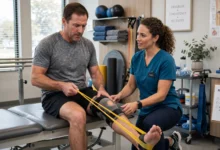
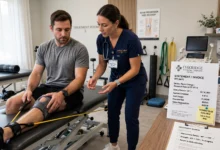
Here’s the thing: causing pain is not the goal. Reducing it is. A physical therapist’s entire job is to figure out how much your body can handle right now, and build a plan around that. Some exercises will feel like effort, in the same way any workout does when a muscle is weak or hasn’t been used properly in a while. That’s normal muscle fatigue, not the same thing as re-injuring yourself.
A good physical therapist will:
- Ask you directly about your pain levels during and after sessions
- Adjust exercises on the spot if something feels wrong
- Distinguish between “productive discomfort” and pain that signals a problem
- Scale intensity gradually instead of pushing you to your limit on day one
If a session leaves you in worse pain than when you walked in, that’s a sign something needs to change, not a sign the therapy is working as intended. Speak up. Communication with your therapist is part of the process, not an inconvenience to it.
Myth 3: You Need a Doctor’s Referral to See a Physical Therapist
This myth has stuck around longer than it should have. In most U.S. states, you can walk into a physical therapy clinic and be evaluated without a referral from a physician first. This is known as direct access, and it’s been law in some form in all 50 states for years now.
A few things worth knowing about direct access:
- Some insurance plans still require a referral for reimbursement purposes, even where state law doesn’t require one for treatment, so it’s worth a quick call to your insurer
- Certain situations, like motor vehicle accident claims or workers’ comp cases, often do require a referral regardless of state law
- Medicare has its own rules that can differ from private insurance
- If your symptoms suggest something beyond a PT’s scope, like a fracture that needs imaging, your physical therapist can refer you onward
Skipping the referral step can mean getting into treatment days or weeks sooner. For a lot of musculoskeletal issues, that head start matters. Waiting around for pain to become “bad enough” to justify a doctor’s visit often just means a longer road back.
Myth 4: Physical Therapy Is Too Expensive
Cost is a legitimate concern, and nobody should pretend otherwise. But the “too expensive” myth usually falls apart once you compare physical therapy to the alternatives.
Consider what untreated pain or dysfunction tends to lead to over time:
- Emergency room visits
- Imaging like MRIs and CT scans
- Prescription medication, including opioids for pain management
- Surgery and the recovery time that comes with it
- Lost workdays from being unable to move normally
Physical therapy is frequently a fraction of the cost of any one of those. Most insurance plans, including Medicare, cover at least a portion of PT visits, and clinics are used to working with patients to figure out a plan that fits a budget, whether that means fewer visits per week or a home program that stretches the value of each in-person session. The upfront cost of physical therapy is real, but it’s worth weighing against what happens when a treatable problem is left alone and gets worse.
Myth 5: A Personal Trainer Can Do What a Physical Therapist Does
Trainers and physical therapists sometimes get lumped together because both involve exercise, movement, and coaching form. But the training behind each role is very different.
A physical therapist in the U.S. today holds a Doctor of Physical Therapy (DPT) degree, which requires a four-year undergraduate degree followed by a three-year graduate program, plus a national licensing exam. Many go on to specialize further in areas like orthopedics, neurology, sports medicine, or pelvic health through additional certification, similar to a medical residency.
A personal trainer’s certification process is usually much shorter and doesn’t include the same depth of anatomy, diagnosis, or injury-management training. That’s not a knock on trainers, who serve a real and valuable purpose. It just means the two roles aren’t interchangeable.
Where things get blurry is when someone has an active injury or a medical condition and turns to a trainer instead of a PT for guidance. A physical therapist can diagnose the underlying issue, design a treatment plan around it, and know when something is outside their scope and needs a referral elsewhere. A trainer generally isn’t trained to do that. Many patients actually use both: physical therapy first to resolve the issue and build a foundation, then a trainer afterward to keep building strength and fitness.
Myth 6: Physical Therapy Is Only for Older Adults
There’s an assumption that physical therapy clinics are mostly full of retirees working on hip replacements. In reality, PT clinics treat every age group, and for very different reasons depending on the patient.
- Kids and teens see physical therapists for developmental delays, sports injuries, and post-fracture rehab
- Young adults use PT for sprains, overuse injuries from running or lifting, and post-surgical recovery
- Middle-aged patients often come in for repetitive strain injuries from desk jobs, or old injuries flaring back up
- Older adults benefit from PT for arthritis, joint replacements, balance training, and fall prevention
Age isn’t really the deciding factor for whether physical therapy makes sense. The condition and the goals are. A 19-year-old soccer player with a hamstring strain and a 78-year-old recovering from a fall have very different treatment plans, but both are exactly the kind of patient a PT is trained to help.
Myth 7: You’ll Just Be Told to Stop Doing the Things You Enjoy
A lot of people avoid physical therapy because they’re worried a therapist is going to hand them a list of activities to give up permanently. That’s almost never how it actually works.
Physical therapists build their careers around helping people get back to doing what they love, not taking it away from them. If you’re dealing with an acute injury, there may be a short period where an activity needs to be modified or paused while things heal, but the goal from day one is usually to figure out how to get you back to running, lifting, gardening, or whatever matters to you, safely and without re-injury.
Part of a good evaluation is understanding your goals specifically. A therapist working with a marathon runner is going to approach a knee injury differently than one working with someone whose main goal is to be able to play with their grandkids on the floor without pain. The plan gets built around what you actually want to be able to do.
Myth 8: Physical Therapy Is Just Stretching and Exercises
Exercise is a big part of physical therapy, but it’s far from the whole picture. Modern PT clinics use a range of techniques depending on the diagnosis, including:
- Manual therapy, including joint mobilization and soft tissue work
- Dry needling
- Blood flow restriction training
- Aquatic therapy for patients who need a lower-impact environment
- Electrical stimulation and other modalities for pain management
- Gait and movement analysis, sometimes using specialized equipment like unweighted treadmills
- Education on posture, body mechanics, and ergonomics
The exercise component tends to get the most attention because patients do it themselves and can see it, but a physical therapist’s toolkit is a lot broader than a printed sheet of stretches. Treatment plans are built from a combination of these methods based on what the diagnosis actually calls for.
Myth 9: You Can Just Look Up Exercises Online Instead of Seeing a Physical Therapist
Searching your symptoms and finding a YouTube video with matching exercises feels like a reasonable shortcut. The problem is that generic exercises aren’t built around your specific diagnosis, your movement patterns, or the actual cause of your pain.
Two people with the same symptom, say, knee pain when going down stairs, can have completely different underlying causes. One might need hip strengthening, another might need to address ankle mobility, and a third might have a mechanical issue that exercise alone won’t fix. A physical therapist’s evaluation is built to figure out which of those situations you’re actually in, something a generic online routine can’t do.
There’s also a real risk in doing the wrong exercise for your specific condition. Instead of helping, it can aggravate the underlying problem or mask a symptom that needed proper diagnosis. Home exercises absolutely have a place in treatment, and most physical therapists will send patients home with a program to follow between visits. The difference is that program is built around an actual evaluation, not a search engine result.
Myth 10: Once You’re Discharged, You’re “Fixed” for Good
There’s a common assumption that physical therapy has a clean finish line: you go, you complete the program, and the issue is permanently resolved, no further effort required. That’s not quite how recovery works for most musculoskeletal conditions.
Discharge from active physical therapy usually means you’ve hit your treatment goals and no longer need supervised sessions, not that maintenance stops mattering. Most patients are sent home with a home exercise program specifically because ongoing effort is part of keeping the results. Strength, mobility, and pain relief gained during treatment tend to fade if the underlying habits, posture, or conditioning that caused the original issue return unchecked.
This is where the American Physical Therapy Association’s consumer resources are worth a look. Their site, ChoosePT, has practical guidance on staying consistent with home programs and knowing when it’s time to check back in with a therapist if symptoms start creeping back. Long-term success after physical therapy depends a lot on what a patient does after the last appointment, not just what happened during treatment.
How to Tell If You’d Actually Benefit From Physical Therapy
If you’re still on the fence, it helps to know what actually sends most people through a PT clinic’s front door. You don’t need a dramatic injury to justify making an appointment. Some of the most common (and often overlooked) reasons people benefit from physical therapy include:
- Pain that’s been sticking around for more than a couple of weeks, even if it’s mild
- Stiffness that limits how far you can move a joint compared to before
- Noticing you’re avoiding certain movements, like stairs or reaching overhead, without really thinking about it
- Balance issues or a recent near-fall, especially for older adults
- Recovering from an illness or hospital stay that left you weaker than usual
- Headaches that seem to be linked to neck tension or posture
- A recent diagnosis like arthritis, a herniated disc, or a rotator cuff tear
- Wanting to return to a sport or activity after time off and not being sure how to safely ramp back up
None of these require a doctor’s diagnosis first, thanks to direct access laws in most states. A physical therapist’s initial evaluation is designed to figure out what’s actually going on and whether PT is the right fit, or whether you need to be pointed toward a different type of provider.
What to Expect at Your First Physical Therapy Appointment
A lot of the anxiety around starting physical therapy comes from simply not knowing what happens in that first visit. Typically, an initial evaluation includes:
- A conversation about your history, your symptoms, and what you’re hoping to get back to
- A physical assessment of strength, range of motion, and movement patterns
- Special tests related to your specific complaint, to help narrow down the cause
- A discussion of a working diagnosis and a proposed plan of care
- Setting goals together, based on what matters to you specifically
- Usually, a few exercises to start with, either in-clinic or as homework
The first session is rarely intense. It’s mostly information-gathering, and therapists tend to start conservatively so they can see how your body responds before increasing difficulty.
How to Choose a Qualified Physical Therapist
Not every clinic or provider offering “therapy” services is staffed by a licensed physical therapist, which ties back to one of the myths professionals run into most. Before booking, it’s reasonable to ask:
- Is the person treating you a licensed physical therapist (PT or DPT), not just an aide or assistant working unsupervised?
- Are they licensed in your state?
- Do they have experience or specialty certification relevant to your condition, such as orthopedics, sports medicine, neurology, or pelvic health?
- What does a typical treatment plan look like for your specific issue, and how will progress be measured?
- Will you be seen by the same therapist consistently, or does care rotate between multiple staff?
A quick way to verify credentials is through your state’s physical therapy licensing board, which most states make searchable online. If a provider is hesitant to answer basic questions about licensure or experience, that’s worth paying attention to.
Frequently Asked Questions About Physical Therapy Myths
Does physical therapy really work, or is it mostly placebo? Physical therapy is grounded in evidence-based practice, meaning treatment approaches are backed by clinical research on outcomes for specific conditions. It’s not guesswork, and therapists are trained to track measurable progress like range of motion, strength, and functional milestones throughout treatment.
How many sessions does physical therapy usually take? This varies a lot by condition. A minor strain might resolve in a handful of visits, while a post-surgical recovery or a chronic condition could involve months of ongoing care. Your therapist should give you a realistic timeline after the initial evaluation, and adjust it as your progress becomes clearer.
Is it normal to feel sore after a physical therapy session? Some muscle soreness, similar to what you’d feel after a new workout, is common and expected. Sharp pain, swelling that gets worse, or pain that lingers well beyond 24 to 48 hours is not normal and should be reported to your therapist.
Can physical therapy help with pain that isn’t from an injury? Yes. Chronic pain conditions, postural issues, headaches, and even some digestive or pelvic floor issues can be addressed through physical therapy, even when there’s no single identifiable injury behind them.
Do I have to keep doing exercises after I’m discharged? Generally, yes, at least for a while. Most physical therapists send patients home with a maintenance program specifically because the gains made during treatment can fade if strength and mobility work stops entirely.
What This Means for You
None of these physical therapy myths hold up particularly well once you look at what the profession actually involves today. Physical therapists are highly trained, evidence-based providers who work with people of every age, on far more than just post-surgical recovery, using tools that go well beyond a basic stretching routine. Pain isn’t the goal of treatment, referrals usually aren’t required, and the cost tends to be far lower than what untreated conditions eventually cost down the line.
If pain, stiffness, or limited mobility has been holding you back and one of these myths has been the reason you kept putting off an appointment, that’s worth reconsidering. A conversation with a licensed physical therapist costs a lot less than continuing to live with a problem that has a real, treatable solution.
Conclusion
Physical therapy carries more baggage from outdated assumptions than almost any other area of healthcare, and that baggage keeps people from getting help they actually need. The ten myths covered here, from the idea that physical therapy always hurts to the belief that a referral is required or that a personal trainer can fill the same role, don’t reflect how the profession actually works in 2026.
Physical therapists are doctorate-trained providers who treat everything from chronic pain to balance issues to sports performance, using a mix of manual therapy, targeted exercise, and patient education built around individual goals. If misinformation has been the thing standing between you and a physical therapy appointment, it’s worth talking to a licensed PT directly and finding out what a personalized plan could actually look like for your situation.