Flakka vs Bath Salts: Which is More Dangerous?
Flakka vs Bath Salts: discover the real dangers, chemical differences, and deadly side effects of these synthetic cathinones — and which one poses the greater threat to your health.
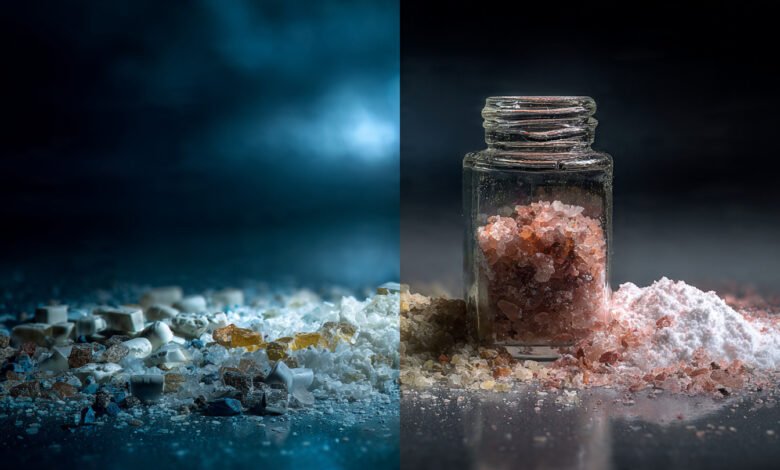
Flakka vs bath salts is not just a debate among researchers and law enforcement — it’s a question with very real, very serious consequences. Both drugs have made headlines for fueling some of the most disturbing incidents of drug-related behavior in recent memory: people running naked through traffic, attempting to break into police stations, and exhibiting what eyewitnesses described as “superhuman strength.” These are not isolated stories. They are part of a growing pattern tied to one of the most dangerous categories of drugs on the illicit market: synthetic cathinones.
If you’ve ever heard someone refer to these substances and wondered what the difference actually is, you’re not alone. The confusion is understandable. Both drugs come from the same chemical family, both have been sold under deceptive labels like “plant food” or “not for human consumption,” and both carry a terrifying risk of psychosis, cardiac arrest, and death. But they are not the same drug.
This article breaks down everything you need to know about flakka vs bath salts — their chemical composition, their effects on the brain and body, their respective dangers, how they compare in terms of addiction potential, and what treatment looks like for people caught in their grip. Whether you’re a concerned parent, a healthcare professional, or someone trying to understand what these substances actually are, this guide covers it all clearly and completely.
What Are Bath Salts? Understanding the Umbrella Term
When most people hear “bath salts,” they picture something you’d pour into a tub. That’s exactly the point. Bath salts — the drug variety — were deliberately named to avoid detection by law enforcement and to be sold openly in gas stations and convenience stores.
The term “bath salts” does not refer to a single chemical compound. It is an umbrella term for a heterogeneous, often unpredictable mixture of synthetic cathinones — man-made derivatives of cathinone, a naturally occurring stimulant found in the khat plant (Catha edulis). Khat is a shrub native to East Africa and the Arabian Peninsula, and people in those regions have chewed its leaves for centuries to experience mild stimulant effects.
The synthetic versions are a different story entirely.
The Main Chemicals in Bath Salts
The three most common active ingredients historically found in bath salts are:

- Mephedrone (4-methylmethcathinone) — a stimulant with effects similar to MDMA and cocaine
- MDPV (methylenedioxypyrovalerone) — a powerful dopamine reuptake inhibitor
- Methylone (beta-keto MDMA) — an entactogen with stimulant properties
These substances were permanently banned by the Drug Enforcement Administration (DEA): mephedrone and MDPV in July 2012, and methylone in April 2013. All three are now classified as Schedule I controlled substances, meaning they have no accepted medical use and a high potential for abuse.
However, banning specific chemicals doesn’t mean manufacturers stop making them. It just means they get creative. When these three were outlawed, drug manufacturers slightly altered the molecular structures of their formulas to create new variants that were technically legal at the time. That is how flakka was born.
How Bath Salts Affect the Brain
Bath salts act as central nervous system stimulants, primarily by blocking the reuptake of dopamine, norepinephrine, and serotonin in the brain. This floods the brain’s reward circuitry with these neurotransmitters, producing an intense but short-lived euphoria.
The problem is that this rush comes at a heavy cost. Common effects of bath salts include:
- Extreme agitation and hyperactivity
- Paranoia and delusional thinking
- Panic attacks
- Violent or erratic behavior
- Elevated body temperature (hyperthermia)
- Racing heart rate and elevated blood pressure
- Kidney failure
- Death
Bath salts also cause intense thirst and dehydration, headaches, and in severe cases, multi-organ failure. Because the chemical composition of any given batch is often unknown — even to the person selling it — the risk profile is wildly inconsistent. One dose might feel manageable; the next might send someone to the emergency room.
What Is Flakka? The Drug That Replaced Bath Salts
Flakka is the street name for alpha-pyrrolidinopentiophenone, commonly abbreviated as alpha-PVP or α-PVP. Unlike bath salts, which can contain several different chemicals in unknown combinations, flakka refers to one specific compound. That specificity, however, doesn’t make it safer — it may make it worse.
The name “flakka” comes from Spanish slang for “skinny woman” — la flaca — though in some parts of the United States, particularly Florida where usage surged dramatically around 2014–2016, it is also called “gravel” because of its resemblance to white or pink aquarium gravel.
The Chemical Identity of Flakka
Flakka (alpha-PVP) is a second-generation synthetic cathinone that emerged after the DEA banned the original bath salt compounds. It is structurally similar to MDPV, the most potent of the original bath salt chemicals. Like MDPV, alpha-PVP works primarily by blocking the reuptake of dopamine and norepinephrine, which floods the brain with these neurotransmitters and produces an intense stimulant effect.
Flakka can be:
- Snorted
- Swallowed
- Injected
- Vaporized in an e-cigarette or vape pen
Of these routes, vaporization is particularly dangerous because it delivers the drug to the bloodstream almost instantly, dramatically increasing the risk of overdose. A single miscalculation in dosage — and with street drugs, miscalculations are the norm — can send a user into a spiral of excited delirium from which they may not recover.
What Does a Flakka High Feel Like?
Users typically report a surge of energy, euphoria, and heightened alertness in the beginning. But the flakka high is notoriously unstable. It can shift within minutes into something terrifying.
Common effects of flakka include:
- Vivid hallucinations — both visual and auditory
- Severe paranoia and delusions
- Manic, aggressive episodes
- Hyperstimulation of the nervous system
- Excited delirium — a state of extreme agitation, elevated body temperature, confusion, and unusual strength
- Muscle spasms and cramping
- Self-harm and suicidal behavior
- Heart attack
The duration of a flakka high typically ranges from one to several hours, but researchers have raised serious concerns that the neurological damage may be permanent. Unlike cocaine, which clears from the brain relatively quickly, alpha-PVP remains in the brain for a significantly longer period — allowing it to cause more sustained, and potentially irreversible, damage to neurons.
Flakka vs Bath Salts: Key Differences Side by Side
Now that we’ve covered each drug individually, let’s compare them directly. The question isn’t just “what are they” — it’s which one is more dangerous.
Chemical Composition
| Feature | Bath Salts | Flakka |
|---|---|---|
| Chemical makeup | Mixture (mephedrone, MDPV, methylone, others) | Single compound (alpha-PVP) |
| Predictability | Very low — composition varies | Moderate — one compound, but dosing is still unreliable |
| Drug class | Synthetic cathinones | Synthetic cathinone |
| DEA classification | Schedule I | Schedule I |
Because bath salts can contain any number of unknown chemicals in unknown amounts, their unpredictability is one of their most dangerous features. A user never really knows what they are taking. Flakka, by contrast, is one compound — but “one compound” doesn’t mean “consistent dose.” Street flakka is still cut, adulterated, and sold without any quality control.
Potency and Addiction Potential
This is where the science gets interesting. Researchers at the Scripps Research Institute conducted a landmark study comparing alpha-PVP (flakka) directly to MDPV (the most potent bath salt compound). Using an animal model, they trained rats to self-administer both drugs via lever presses.
The results were striking: flakka showed almost identical potency to MDPV in inducing self-administration and stimulant effects. The study’s lead researcher, Dr. Michael Taffe, stated plainly that the data shows the two drugs are very similar in their abuse potential.
What was particularly alarming was the binge-use pattern. A subset of the rats went from occasional use to compulsive bingeing in a single session — and once they started bingeing, they stopped engaging in otherwise pleasurable activities like wheel running. It’s a chilling model of how quickly synthetic cathinone addiction can develop and how completely it can override normal motivation.
Effects on the Body: Which Is More Physically Damaging?
Both drugs damage the body severely. But there are a few areas where flakka appears to carry additional or more severe risks:
Kidney damage: Flakka causes rhabdomyolysis — the breakdown of muscle tissue due to extreme hyperthermia. This floods the bloodstream with muscle proteins that the kidneys cannot process, potentially leading to acute kidney failure. Medical professionals have warned that some overdose survivors may require dialysis for life.
Neurological damage: Alpha-PVP stays in the brain longer than cocaine and many bath salt compounds. This extended exposure may cause neurons to be not just temporarily disrupted, but permanently destroyed.
Hyperthermia: The extreme elevation in body temperature caused by flakka is particularly dangerous. Body temperatures in excess of 104°F (40°C) have been documented in flakka users, which can lead to organ failure and death without rapid intervention.
Excited delirium: This is a condition that both drugs can cause, but it is perhaps most strongly associated with flakka overdose. Excited delirium involves a combination of extreme agitation, confusion, hallucinations, and elevated body temperature. It is frequently fatal, and it often occurs before emergency services can intervene.
How Both Drugs Are Used and Why That Matters
Understanding how these drugs enter the body helps explain their danger profiles. The route of administration dramatically affects how fast a drug hits the brain and how intense — and dangerous — the effects become.
Bath salts are most commonly snorted, though they can also be swallowed, smoked, or injected. Snorting produces a faster onset than swallowing, but still involves a degree of lag time.
Flakka, when vaporized in an e-cigarette or similar device, reaches the bloodstream almost instantly. Vaping flakka has become increasingly common, and it significantly increases the risk of accidental overdose because even a tiny amount can overwhelm the body when absorbed this rapidly. There is essentially no margin for error.
The Danger of Designer Drug Manufacturing
One of the most unsettling aspects of both flakka and bath salts is the manufacturing model behind them. The majority of these substances are produced in clandestine laboratories, predominantly in China, and then shipped to the United States, Europe, and other markets — often through online sales.
Each time law enforcement bans a specific chemical, manufacturers respond by tweaking the molecular structure to create a technically legal replacement. This is the designer drug loop, and it’s what gave us flakka in the first place. It also means that whatever is on the street today may be chemically distinct from what was on the street six months ago — making any “dose” an unpredictable gamble.
This chemical evolution also means that testing kits, treatment protocols, and even emergency room toxicology screens may not always detect the newest variants in time to help a user in crisis.
Warning Signs of Flakka or Bath Salt Abuse
Recognizing the signs of synthetic cathinone abuse can be the difference between life and death. These drugs produce some of the most dramatic behavioral changes of any substance on the illicit market.
Behavioral warning signs:
- Sudden, extreme agitation or aggression
- Paranoid beliefs that seem disconnected from reality
- Bizarre, erratic, or publicly disruptive behavior
- Reports of seeing or hearing things that aren’t there
- Unexplained superhuman strength or pain insensitivity
Physical warning signs:
- Significant, rapid weight loss
- Repetitive, involuntary muscle jerking
- Profuse sweating
- Elevated heart rate and blood pressure
- Extremely high body temperature
- Self-harm behaviors
If you suspect someone is actively intoxicated on either flakka or bath salts, do not attempt to physically restrain them alone. Contact emergency services immediately. The excited delirium state associated with these drugs can escalate to life-threatening outcomes very quickly.
Long-Term Consequences of Synthetic Cathinone Use
Even for those who survive an overdose or manage to stop using, the long-term consequences of synthetic cathinone abuse can be severe and lasting.
Mental health: Prolonged use of flakka or bath salts has been linked to persistent psychosis, even in people with no prior psychiatric history. Some users develop conditions resembling schizophrenia that do not resolve once drug use stops.
Cardiovascular damage: The repeated strain on the heart from stimulant abuse accelerates the development of heart disease and increases lifetime risk of cardiac events.
Kidney damage: As discussed above, rhabdomyolysis-induced kidney injury from flakka can lead to chronic kidney disease or end-stage renal failure.
Cognitive impairment: Memory problems, difficulty concentrating, and impaired executive function have all been documented in long-term users of synthetic cathinones.
For a comprehensive scientific overview of synthetic cathinone pharmacology and clinical effects, the National Institute on Drug Abuse (NIDA) maintains an up-to-date resource library on designer drugs and their neurotoxic profiles.
Treatment Options for Flakka and Bath Salt Addiction
Getting clean from flakka addiction or bath salt dependency is not easy, but it is possible with the right support. There is currently no FDA-approved medication specifically for synthetic cathinone addiction, which means treatment relies primarily on behavioral and supportive approaches.
Medical Detox
The first step for most people is medical detoxification. Because withdrawal from stimulants can involve severe psychological distress — including depression, anxiety, and in some cases suicidal ideation — detox in a supervised medical setting is strongly recommended. Clinicians can provide medications to manage acute symptoms like agitation, elevated heart rate, and psychosis.
Inpatient and Outpatient Rehabilitation
After detox, patients typically transition to either an inpatient residential program or an intensive outpatient program (IOP), depending on the severity of the addiction and the level of support available in their home environment.
Behavioral Therapy
Cognitive Behavioral Therapy (CBT) is one of the most effective evidence-based approaches for stimulant addiction. It helps people identify and change the thought patterns and behaviors that drive drug use, develop coping strategies, and build relapse prevention skills.
Motivational Interviewing (MI) is often used alongside CBT, particularly for patients who are ambivalent about quitting.
Support Groups and Aftercare
Recovery doesn’t end with treatment. Ongoing participation in support groups — including 12-step programs and other peer-led communities — significantly reduces the risk of relapse. Aftercare planning, including continued therapy and community support, is a critical component of sustained recovery.
If you or someone you know needs help, the Substance Abuse and Mental Health Services Administration (SAMHSA) offers a free, confidential National Helpline: 1-800-662-HELP (4357). It’s available 24/7, 365 days a year.
So Which Is More Dangerous: Flakka or Bath Salts?
This is the question the article has been building toward, and the honest answer is: both are extremely dangerous, and the distinction may be less important than people think.
The science, as of now, suggests that flakka (alpha-PVP) and MDPV (the most potent bath salt compound) are roughly equivalent in terms of stimulant potency and addiction liability. The Scripps Research Institute study found no significant difference in how compulsively rats self-administered the two drugs.
However, flakka carries some characteristics that arguably make it more dangerous in practice:
- It’s cheaper — a dose reportedly costs as little as $3–$5, making it accessible to a broader population, including teenagers and people in economic hardship.
- It’s widely vaporized, which delivers it to the bloodstream faster and increases overdose risk.
- It may cause more sustained neurological damage due to its longer residence time in the brain.
- Kidney damage from hyperthermia-induced rhabdomyolysis has been specifically and strongly associated with flakka use.
On the other hand, bath salts are arguably more unpredictable because their composition varies. You never know exactly what you’re taking, which means the risk profile shifts with every dose.
The bottom line: flakka vs bath salts is not a debate with a clean winner on either side. Both are synthetic cathinones with catastrophic potential for harm. Both can kill. Both can permanently alter the brain. And both represent the product of a drug manufacturing system that puts profits over human lives and counts on the law being one step behind.
Conclusion
Flakka and bath salts are closely related synthetic cathinones that share chemical origins, mechanisms of action, and a devastating capacity for harm. Flakka, known chemically as alpha-PVP, emerged directly from the bath salts era when the DEA banned mephedrone, MDPV, and methylone, prompting manufacturers to tweak their formulas and create a technically new substance. Research shows the two are comparable in potency and addiction potential, though flakka’s low cost, ease of vaporization, and extended presence in the brain give it some especially alarming characteristics — particularly the risk of permanent kidney damage and sustained neurological destruction.
Bath salts, for their part, are unpredictable by nature: an umbrella term for an ever-changing cocktail of unknown compounds sold under false labels. Both drugs can trigger excited delirium, violent psychosis, cardiac arrest, and death. The most important takeaway is not which one is technically “more dangerous” — it’s that both represent a serious public health threat, and anyone struggling with synthetic cathinone use needs and deserves immediate, professional help.