15 Mindfulness Exercises for Addiction Recovery
15 powerful mindfulness exercises for addiction recovery that calm cravings, ease stress, and build lasting sobriety, one breath at a time.
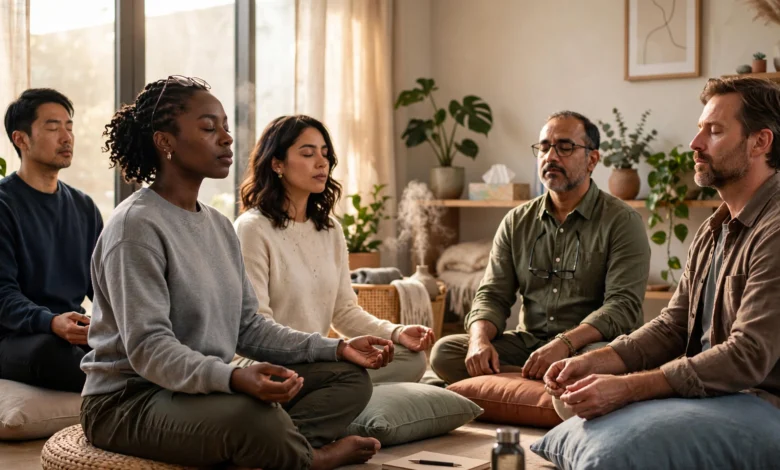
Mindfulness exercises for addiction recovery are quickly becoming one of the most trusted tools people use alongside therapy, support groups, and medical treatment. If you’re in recovery, or supporting someone who is, you already know that cravings don’t wait for a convenient moment. They show up in traffic, during a stressful phone call, at 2 a.m. when the house is quiet and your thoughts get loud. Mindfulness exercises for addiction recovery give you a way to meet those moments without getting swept away by them.
Mindfulness isn’t about clearing your mind or achieving some perfectly calm state. It’s simpler than that. It’s the practice of noticing what’s happening in your body and mind right now, without judging it or trying to fix it immediately. For someone rebuilding their life after substance use, that skill is huge. It creates a small gap between a trigger and a reaction, and in that gap, you get to choose what happens next instead of falling back on old patterns.
Research backing this up keeps growing. Studies on mindfulness-based relapse prevention show meaningful reductions in relapse rates compared to standard aftercare, and organizations like the National Institute on Drug Abuse have highlighted mindfulness as a promising complement to traditional addiction treatment. This article walks through 15 practical, easy-to-start mindfulness exercises you can use today, whether you’re a few days sober or several years into recovery.
Why Mindfulness Matters So Much in Addiction Recovery
Before jumping into the exercises, it helps to understand why mindfulness for addiction recovery works the way it does. Substance use often develops as a way to escape uncomfortable feelings, stress, or painful memories. Over time, the brain learns to reach for a substance the moment discomfort shows up, almost automatically.
Mindfulness interrupts that automatic loop. Instead of running from discomfort, you learn to sit with it for a few seconds longer, observe it, and let it pass. This matters because cravings, even intense ones, are time-limited. Most cravings peak and fade within 15 to 30 minutes if you don’t act on them. Mindfulness gives you the tools to ride that wave instead of being pulled under by it.
According to the National Institute on Drug Abuse, mindfulness-based interventions are increasingly recognized as effective additions to standard addiction treatment programs, particularly for reducing stress reactivity and cravings. The Substance Abuse and Mental Health Services Administration also points to mindfulness and stress-reduction practices as valuable recovery support tools that people can use long after formal treatment ends.
With that foundation in mind, here are 15 mindfulness exercises worth adding to your recovery toolkit.


1. Mindful Breathing
Mindful breathing is the simplest entry point into mindfulness exercises for addiction recovery, and it’s one you can use anywhere, anytime.
How to practice it:
- Sit or stand comfortably and close your eyes if that feels okay.
- Breathe in slowly through your nose for a count of four.
- Hold for a count of four.
- Exhale through your mouth for a count of six.
- Repeat for one to three minutes, paying attention to the physical sensation of air moving in and out.
This exercise activates the parasympathetic nervous system, which lowers heart rate and cortisol levels almost immediately. When a craving hits, mindful breathing is often the fastest way to create just enough distance to make a better choice.
Why It Works for Cravings
Cravings tend to spike physical arousal, faster heartbeat, tension in the chest, shallow breathing. Slowing your breath directly counters that physical response, which often takes the edge off the emotional intensity of the craving itself.
2. Body Scan Meditation
A body scan meditation is a slow, deliberate sweep of attention through your body, from head to toe or toe to head. It’s especially useful for people in early recovery who’ve spent years disconnected from physical sensations because substances numbed them.
How to practice it:
- Lie down or sit in a relaxed position.
- Starting at your feet, bring gentle attention to each part of your body in turn.
- Notice tension, warmth, tingling, or nothing at all. There’s no wrong answer.
- Move slowly upward through legs, torso, arms, shoulders, neck, and face.
- If your mind wanders, gently bring it back without frustration.
This practice usually takes 10 to 20 minutes and is a cornerstone technique in structured programs like Mindfulness-Based Relapse Prevention.
3. Urge Surfing
Urge surfing is one of the most specific and effective mindfulness techniques for addiction because it directly targets cravings rather than general stress.
How to practice it:
- When a craving arises, instead of fighting it or giving in, imagine it as a wave.
- Notice where you feel it in your body.
- Watch it build in intensity, peak, and then naturally decline, without acting on it.
- Remind yourself: “This is a wave. Waves always pass.”
Developed by psychologist Alan Marlatt, this technique reframes cravings as temporary physical sensations instead of commands you must obey. Many people find that after practicing urge surfing a handful of times, cravings genuinely start to feel more manageable.
4. The Five Senses Grounding Exercise
Also known as the 5-4-3-2-1 technique, this grounding exercise pulls your attention out of anxious or obsessive thoughts and back into the present moment using your senses.
How to practice it:
- Name 5 things you can see.
- Name 4 things you can physically feel (the chair under you, fabric on your skin).
- Name 3 things you can hear.
- Name 2 things you can smell.
- Name 1 thing you can taste.
This exercise is particularly helpful during panic, anxiety spikes, or dissociation, all common experiences in early sobriety.
5. Mindful Walking
Mindful walking turns an everyday activity into a grounding practice. It’s a good option for people who find seated meditation frustrating or restless, which is common in early recovery when the nervous system is still recalibrating.
How to practice it:
- Walk at a slower pace than usual, indoors or outside.
- Pay attention to the feeling of your feet touching the ground.
- Notice the rhythm of your steps and your breath.
- When your mind drifts to cravings or worries, gently redirect focus to the physical sensation of walking.
Even 10 minutes of mindful walking can lower stress and provide a healthy outlet for restless energy.
6. Loving-Kindness Meditation
Also called Metta meditation, this practice cultivates compassion, first toward yourself, then toward others. Shame and self-criticism are enormous relapse triggers, and loving-kindness meditation directly addresses that.
How to practice it:
- Sit comfortably and silently repeat phrases like: “May I be safe. May I be healthy. May I be at peace.”
- After a few minutes, extend the same phrases to a loved one, then to someone neutral, then to someone you find difficult.
This exercise builds self-compassion, which studies consistently link to lower relapse rates and reduced shame-driven substance use.
7. Mindful Journaling
Mindful journaling combines reflective writing with present-moment awareness. It’s not about journaling your entire day; it’s about capturing what you’re noticing right now.
How to practice it:
- Set a timer for 5 to 10 minutes.
- Write without editing yourself about current thoughts, feelings, or physical sensations.
- Focus on observation rather than analysis: “I notice tightness in my shoulders” instead of “I’m stressed because of work.”
Over time, mindful journaling helps you spot patterns, common triggers, recurring emotional states, specific times of day, that inform your recovery plan.
8. Mindful Eating
Cravings and compulsive patterns often extend beyond substances into food, especially since many people in recovery deal with blood sugar swings or emotional eating. Mindful eating rebuilds a healthy relationship with the body’s signals.
How to practice it:
- Eat without screens or distractions.
- Notice the color, texture, and smell of your food before the first bite.
- Chew slowly and pay attention to flavor and fullness cues.
- Pause halfway through the meal to check in with your hunger level.
This exercise also strengthens the broader mindfulness “muscle” of noticing sensations without automatically reacting to them.
9. Yoga and Mindful Movement
Yoga pairs physical movement with breath awareness, making it one of the most well-researched mindfulness exercises for addiction recovery. Harvard Medical School research has linked regular yoga practice to lower cortisol levels and improved mood regulation, both valuable in recovery.
How to practice it:
- Start with beginner-friendly poses like child’s pose, cat-cow, or seated forward fold.
- Sync each movement with an inhale or exhale.
- Focus on sensation over performance; this isn’t about flexibility, it’s about presence.
Many treatment centers now include yoga in their programming specifically because it helps reconnect people to a body they may have spent years trying to escape.
Combining Yoga With Breathwork
Pairing slow yoga sequences with the breathing technique from exercise #1 amplifies the calming effect, giving you both physical release and nervous system regulation in a single practice.
10. The RAIN Technique
RAIN is a structured mindfulness framework often used in therapy for processing difficult emotions without becoming overwhelmed by them.
How to practice it:
- Recognize what’s happening (“I’m craving” or “I’m anxious”).
- Allow the experience to be there without pushing it away.
- Investigate with curiosity: Where do I feel this? What thought is attached to it?
- Nurture yourself with a kind, supportive response, as you would offer a friend.
RAIN is especially useful for processing shame, guilt, or grief that often surface during recovery.
11. Mindfulness-Based Relapse Prevention (MBRP) Practices
Mindfulness-Based Relapse Prevention is a structured, evidence-based, eight-week program that blends cognitive-behavioral relapse prevention with mindfulness meditation. It’s typically taught in group settings but many of its core exercises can be practiced independently.
Core elements include:
- Daily seated meditation, starting at 5 minutes and building up gradually.
- Body scans focused specifically on trigger sensations.
- Group discussion of cravings and high-risk situations.
- Homework assignments that reinforce daily mindfulness habits.
Research on MBRP has shown meaningfully lower relapse rates among participants compared to standard aftercare alone, making it one of the more clinically validated approaches on this list.
12. Progressive Muscle Relaxation With Mindful Awareness
This exercise combines physical tension release with present-moment observation, making it especially effective for people who carry stress in their body, a very common experience during withdrawal and early sobriety.
How to practice it:
- Starting with your feet, tense the muscles tightly for 5 seconds, then release.
- Notice the contrast between tension and relaxation.
- Move upward through your body: calves, thighs, abdomen, hands, arms, shoulders, face.
- Finish with several slow, mindful breaths.
This practice is particularly effective before bed, since poor sleep is both a relapse risk factor and a common early-recovery struggle.
13. Mindful Listening
Mindful listening strengthens presence in relationships, an area that often needs rebuilding during recovery, whether that’s with family, a sponsor, or a support group.
How to practice it:
- When someone is speaking, give them full attention without planning your response.
- Notice the urge to interrupt or defend yourself, and let it pass without acting on it.
- Reflect back what you heard before responding.
This exercise also works with non-human sounds: sit quietly for a few minutes and simply notice ambient sounds around you, traffic, birds, wind, without labeling them as good or bad.
14. The STOP Technique
STOP is a short, on-the-spot mindfulness tool designed for moments of intense craving or emotional overwhelm, when a longer meditation simply isn’t practical.
How to practice it:
- Stop what you’re doing.
- Take a breath.
- Observe what’s happening in your body, thoughts, and emotions.
- Proceed with intention, choosing your next action deliberately rather than automatically.
Because it takes less than a minute, STOP is one of the most practical mindfulness exercises for addiction recovery for real-world, high-pressure situations.
15. Gratitude Meditation
Gratitude meditation shifts attention away from scarcity and craving toward what’s already present and good, a mental shift that research links to improved mood and reduced relapse risk.
How to practice it:
- Sit quietly and bring to mind three things you’re grateful for today, big or small.
- Spend a full minute really feeling the gratitude for each one rather than rushing through the list.
- Notice any resistance that comes up, and observe it without judgment.
Many people in recovery pair this with journaling, writing down daily gratitude points as part of a bedtime routine.
How to Build a Sustainable Mindfulness Practice in Recovery
Knowing these exercises is only half the equation. Consistency is what turns mindfulness into a genuine relapse-prevention tool rather than a nice idea you tried once.
Start Small and Build Gradually
Don’t try to meditate for 30 minutes on day one. Start with two or three minutes of mindful breathing and build from there. Small, repeatable habits stick far better than ambitious ones that fizzle out after a week.
Anchor Practice to an Existing Routine
Attach a mindfulness exercise to something you already do daily, brushing your teeth, making coffee, or getting into bed. This “habit stacking” approach makes it far more likely the practice actually sticks.
Use Mindfulness Alongside, Not Instead of, Treatment
Mindfulness exercises are a powerful complement to therapy, medication-assisted treatment, and support groups, but they aren’t a replacement for professional care. If you’re in early recovery, talk with your treatment team about which practices fit best with your overall plan.
Expect an Imperfect Practice
Your mind will wander. You’ll skip days. That’s normal, and it’s part of the process rather than a sign of failure. The goal isn’t a perfectly quiet mind; it’s building the muscle of noticing and gently returning your attention, again and again.
Final Thoughts
Mindfulness exercises for addiction recovery won’t erase cravings overnight, but they give you something addiction often takes away: the ability to pause, notice what’s happening inside you, and choose your next step instead of reacting on autopilot. From simple breathing techniques and grounding exercises to structured programs like MBRP, these 15 practices offer a flexible toolkit you can adapt to wherever you are in your recovery, whether that’s day three or year ten.
Start with one or two exercises that feel manageable, practice them consistently, and let the rest build from there. Recovery isn’t about being perfectly calm all the time; it’s about building the steady, patient skill of coming back to the present moment, one breath at a time.