7 Natural Alternatives to Benzodiazepines for Anxiety
Discover 7 powerful natural alternatives to benzodiazepines for anxiety — effective, non-addictive remedies that will calm your mind.
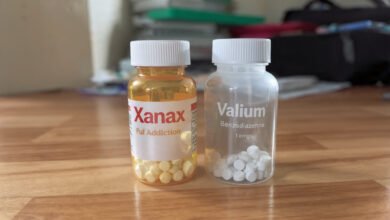
Natural alternatives to benzodiazepines for anxiety are becoming one of the most searched topics in mental health today — and honestly, it makes sense. Millions of people are prescribed drugs like Xanax, Valium, or Klonopin every year, and while these medications can work fast, the trade-offs are serious. We’re talking about physical dependence, cognitive fog, withdrawal symptoms, and a long list of risks that make long-term use genuinely problematic.
If you’ve ever taken a benzodiazepine and wondered whether there’s a better path forward, you’re not alone. Anxiety affects roughly 40 million adults in the United States alone, making it the most common mental health condition in the country. And a growing number of people — both patients and clinicians — are turning toward natural, evidence-backed options that address anxiety without creating new problems.
This article walks you through seven of the most well-researched natural remedies for anxiety that work through real biological mechanisms, not just placebo. Some of these you’ve probably heard of. Others might surprise you. We’ll cover how each one works, what the research says, appropriate dosing guidance, and who might benefit most.
Whether you’re looking to wean off benzos with medical supervision, complement an existing treatment plan, or simply explore non-addictive anxiety relief, this guide is for you.
What Are Benzodiazepines and Why Are People Looking for Alternatives?
Before diving into the alternatives, it helps to understand exactly what benzodiazepines do and why so many people want off them.
Benzodiazepines are a class of central nervous system depressants that enhance the effect of a neurotransmitter called GABA (gamma-aminobutyric acid). GABA is your brain’s primary “calm down” chemical. When GABA binds to its receptors, it slows neural activity — which is exactly why benzodiazepines produce that fast-acting sense of relief and sedation.
The problem is that the brain adapts. Over time, it produces less natural GABA and downregulates its own receptors in response to the constant external enhancement. This is how benzodiazepine dependence develops — often within just a few weeks of regular use. When you stop taking them, your brain is essentially under-equipped to manage normal stress on its own, which leads to rebound anxiety, insomnia, irritability, and in severe cases, seizures.

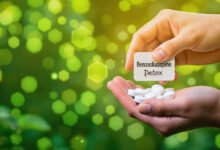
Beyond dependence, long-term benzodiazepine use is associated with:
- Memory impairment and cognitive decline
- Increased fall risk, especially in older adults
- Depression and emotional blunting
- Dangerous interactions with alcohol and opioids
- Difficulty functioning without the medication
This is not to say benzodiazepines are never appropriate — there are legitimate short-term uses, particularly in acute panic or seizure management. But for the millions of people managing generalized anxiety disorder, social anxiety, or chronic stress, there are often better long-term options.
How Natural Alternatives to Benzodiazepines Work
The best natural anxiety remedies work through similar neurological pathways as benzodiazepines, but in gentler, more sustainable ways. Many target the same GABA receptors, while others modulate cortisol, serotonin, or the HPA axis (the stress response system in your brain and adrenal glands).
The goal isn’t just symptom suppression — it’s actually helping your nervous system regulate itself better over time. That’s the core difference between most natural alternatives and pharmaceutical benzodiazepines.
With that context in place, here are the seven most evidence-supported options.
1. Ashwagandha — The Adaptogen That Targets Cortisol
Ashwagandha (Withania somnifera) is probably the most well-researched adaptogenic herb for stress and anxiety relief. It’s been used in Ayurvedic medicine for over 3,000 years, but in the last decade, it’s gained serious scientific attention.
How It Works
Ashwagandha works primarily by regulating the hypothalamic-pituitary-adrenal (HPA) axis — your body’s central stress response system. Chronic anxiety often involves a dysregulated HPA axis that keeps cortisol levels elevated even when there’s no real threat. Ashwagandha helps normalize this response, lowering cortisol levels and reducing the physiological impact of stress.
It also appears to have some direct GABAergic activity, meaning it interacts with GABA receptors in ways that promote calm — similar in mechanism to benzodiazepines, but far milder and without the dependency risk.
What the Research Says
A 2019 double-blind, randomized, placebo-controlled study published in Medicine found that participants who took 240 mg of ashwagandha extract daily for 60 days showed significantly reduced anxiety and stress scores, along with lower morning cortisol levels compared to placebo.
Another study published in the Journal of Clinical Psychiatry reported that ashwagandha reduced anxiety symptoms by up to 44% over an 8-week period.
Practical Information
- Typical dose: 300–600 mg of standardized extract daily (look for KSM-66 or Sensoril forms)
- Onset: Effects usually noticeable within 2–4 weeks of consistent use
- Who it’s best for: People with chronic stress, high cortisol, or burnout-related anxiety
- Cautions: Avoid during pregnancy; may interact with thyroid medications and immunosuppressants
2. Valerian Root — The GABA-Boosting Herb for Sleep and Anxiety
Valerian root (Valeriana officinalis) is one of the oldest known herbal remedies for anxiety and insomnia. It’s been used medicinally since ancient Greece, and modern research is starting to explain why it works.
How It Works
Valerian root contains compounds — including valerenic acid and isovaleric acid — that appear to inhibit the breakdown of GABA in the brain. By preventing GABA from being metabolized too quickly, valerian effectively increases the availability of this calming neurotransmitter. This is mechanistically similar to how benzodiazepines work, but without directly binding to benzodiazepine receptors and without the same abuse potential.
Valerian also interacts with adenosine receptors, which play a role in sleep regulation, and contains small amounts of compounds that may act on serotonin receptors.
What the Research Says
A meta-analysis published in the American Journal of Medicine reviewed 16 clinical studies on valerian and sleep, concluding that valerian may improve sleep quality without producing side effects. Multiple smaller studies have also shown reductions in anxiety symptoms with valerian use, though the evidence base for anxiety specifically is less robust than for sleep.
One often-cited study found that 600 mg of valerian root extract reduced anxiety in participants performing stressful tasks compared to placebo.
Practical Information
- Typical dose: 300–600 mg taken 30–60 minutes before bed for sleep; split doses during the day for anxiety
- Onset: Some people notice effects quickly; full benefits may take 2–4 weeks
- Who it’s best for: People whose anxiety is closely linked to poor sleep; those with night-time anxiety
- Cautions: Avoid combining with alcohol, sedatives, or other sleep aids; some people experience vivid dreams
3. L-Theanine — The Calm Clarity Amino Acid from Green Tea
If you’ve ever noticed that green tea gives you a calm, focused energy rather than the jittery rush of coffee, you can thank L-theanine. This amino acid, found almost exclusively in tea leaves, is one of the most popular and well-tolerated natural supplements for anxiety on the market.
How It Works
L-theanine increases the production of GABA, serotonin, and dopamine — three neurotransmitters that regulate mood, emotion, and stress response. It also increases alpha brain wave activity, which is associated with a state of relaxed alertness — the same mental state seen in meditators.
What makes L-theanine unique is that it promotes calm without causing drowsiness. It doesn’t sedate you. It simply takes the edge off anxiety while preserving focus and clarity.
What the Research Says
A 2019 study published in Nutrients found that 200 mg of L-theanine daily significantly reduced stress and anxiety in healthy adults over a four-week period. The participants reported lower anxiety scores and improved sleep quality.
Research has also shown that L-theanine is particularly effective at reducing the stress response to acute stressors — things like public speaking, difficult tasks, or high-pressure situations.
Practical Information
- Typical dose: 100–400 mg daily; often combined with caffeine for focus
- Onset: Relatively fast — many people notice effects within 30–60 minutes
- Who it’s best for: People with mild-to-moderate anxiety, especially performance or situational anxiety; excellent for daytime use
- Cautions: Very well tolerated; minimal known side effects or interactions
4. Passionflower — The Underrated Anxiolytic Herb
Passionflower (Passiflora incarnata) doesn’t get as much attention as ashwagandha or valerian, but the research behind it is genuinely impressive — particularly for anxiety relief without sedation.
How It Works
Like many of the herbs on this list, passionflower works primarily through GABA modulation. Its active compounds — particularly chrysin and other flavonoids — appear to bind to GABA receptors in a way that reduces neural excitability. This is precisely the same mechanism used by benzodiazepines, but passionflower’s action is far gentler and has not been shown to produce dependence.
What the Research Says
One of the most compelling pieces of research on passionflower comes from a 2001 study published in the Journal of Clinical Pharmacy and Therapeutics. Researchers compared passionflower extract directly to oxazepam (a benzodiazepine) in patients with generalized anxiety disorder. The result? Both treatments were equally effective at reducing anxiety over a four-week period. The key difference was that the benzodiazepine group showed significantly more job performance impairment — an important real-world consideration.
This head-to-head comparison is remarkable and genuinely underreported in mainstream discussions about anxiety treatment options.
Practical Information
- Typical dose: 250–500 mg of dried extract, or 1–2 mL of liquid extract, 2–3 times daily
- Onset: Effects may be noticeable within a few days to a couple of weeks
- Who it’s best for: People with generalized anxiety disorder or those looking for a direct benzodiazepine comparison; also useful for anxiety-related insomnia
- Cautions: Avoid during pregnancy; may increase the sedative effect of other medications
5. Magnesium — The Mineral That Most Anxious People Are Deficient In
Here’s something that doesn’t get talked about enough: a large portion of people dealing with chronic anxiety are simply low in magnesium. Estimates suggest that up to 68% of adults in the United States don’t consume adequate magnesium through diet alone. And magnesium plays a direct role in regulating the nervous system.
How It Works
Magnesium is a natural NMDA receptor antagonist. NMDA receptors are involved in excitatory signaling in the brain — when they’re overactive, you get heightened anxiety, hyperarousal, and stress reactivity. Magnesium blocks these receptors, essentially acting as a natural brake on your nervous system’s excitability.
Additionally, magnesium is required for the synthesis of serotonin and plays a role in regulating the HPA axis stress response. Low magnesium levels are associated with elevated cortisol and increased anxiety.
What the Research Says
A 2017 review published in Nutrients analyzed 18 studies on magnesium and anxiety, concluding that magnesium supplementation appears to be beneficial for people with mild-to-moderate anxiety, particularly those who are deficient. The review found improvements across measures of generalized anxiety, subjective stress, and nervousness.
Another study published in PLOS ONE found that high-dose magnesium supplementation significantly reduced anxiety scores in a sample of adults with low baseline magnesium levels.
Practical Information
- Typical dose: 200–400 mg daily, ideally in magnesium glycinate or magnesium threonate forms (better absorbed and gentler on the stomach than magnesium oxide)
- Onset: Many people notice improvements in sleep and stress within 1–2 weeks
- Who it’s best for: Almost anyone — especially people with muscle tension, sleep issues, or high stress; consider testing magnesium levels if anxiety is persistent
- Cautions: High doses can cause loose stools; avoid excessive doses if you have kidney disease
6. Kava — The Most Potent Natural Anxiolytic Available
If you’re looking for the natural alternative to benzodiazepines that most directly compares in terms of anxiolytic potency, kava (Piper methysticum) is arguably at the top of the list. It’s derived from the root of a plant native to the Pacific Islands, where it’s been used ceremonially and medicinally for centuries.
How It Works
Kava’s active compounds — called kavalactones — work through multiple pathways in the brain. They modulate GABA-A receptors (the same receptors targeted by benzodiazepines), block sodium and calcium ion channels that contribute to neural excitability, and interact with dopamine receptors. The combined effect is a pronounced sense of calm, relaxation, and reduced anxiety, without impairment of cognition or mental clarity at moderate doses.
Unlike benzodiazepines, kava does not appear to cause respiratory depression and has not been shown to produce physical dependence with normal use — though psychological habituation is possible.
What the Research Says
The evidence for kava and anxiety is among the strongest for any herbal supplement. A landmark Cochrane systematic review analyzed multiple randomized controlled trials and concluded that kava was significantly more effective than placebo for treating generalized anxiety disorder. The review noted a favorable safety profile when using aqueous (water-based) kava extracts.
A 2013 study published in the Journal of Clinical Psychopharmacology found that kava reduced anxiety symptoms in patients with generalized anxiety disorder and also showed improvements in sleep quality and depression scores.
For further reading on kava’s evidence base, the Cochrane Library’s review on kava for anxiety provides one of the most thorough clinical assessments available.
Practical Information
- Typical dose: 120–280 mg of kavalactones per day (standardized extract); use 2–3 times per week to avoid tolerance
- Onset: Fast — many people notice effects within 30–60 minutes
- Who it’s best for: Adults with moderate-to-severe anxiety who want a potent natural option; those who have previously responded well to benzodiazepines
- Cautions: Do not combine with alcohol or other liver-processed substances. Use only noble kava varieties from reputable sources. Avoid if you have liver disease. Long-term heavy use can cause dermatopathy (skin issues). Not recommended during pregnancy.
7. Cognitive Behavioral Therapy (CBT) and Mindfulness-Based Approaches
This one is different from the supplements above — it’s not something you take, it’s something you do. But it belongs on this list because it’s arguably the most evidence-supported long-term treatment for anxiety disorders that exists, with effects that outlast anything pharmaceutical or herbal.
How It Works
Cognitive Behavioral Therapy (CBT) works by identifying and restructuring the thought patterns and behavioral responses that fuel anxiety. Rather than suppressing the anxiety response chemically, CBT teaches your brain to interpret threats more accurately and respond to stress more effectively. Over time, this creates genuine neurological change — studies using brain imaging have shown that CBT actually alters activity in brain regions like the amygdala and prefrontal cortex that are involved in fear and anxiety processing.
Mindfulness-Based Stress Reduction (MBSR) is a structured program developed by Dr. Jon Kabat-Zinn that combines mindfulness meditation with yoga and body awareness practices. It’s been shown to significantly reduce anxiety, depression, and stress in clinical populations.
What the Research Says
The evidence for CBT in anxiety disorders is overwhelming. According to the American Psychological Association, CBT is one of the most researched forms of psychotherapy, with strong evidence for generalized anxiety disorder, social anxiety, panic disorder, and PTSD.
A meta-analysis published in Psychological Medicine found that CBT produced larger effect sizes for anxiety than medication in the long term, primarily because its benefits continue after treatment ends — whereas medication effects often stop when you stop taking the drug.
Mindfulness also has a robust evidence base. A meta-analysis in JAMA Internal Medicine analyzed 47 trials and found that mindfulness meditation programs produced moderate improvements in anxiety, depression, and pain.
For a deeper look at the clinical research on CBT for anxiety, the American Psychological Association’s clinical resources offer a solid starting point.
Practical Information
- Format: Individual therapy (typically 12–20 sessions), group therapy, or online CBT programs
- Onset: Many people notice meaningful changes within 8–12 weeks
- Who it’s best for: Everyone — but especially people who want lasting change, not just symptom management; those trying to reduce reliance on medication
- Cautions: Requires genuine engagement and practice; access and cost can be barriers, though many digital CBT platforms now offer lower-cost options
Comparing Natural Alternatives to Benzodiazepines: A Quick Reference
| Option | Primary Mechanism | Best For | Onset | Dependency Risk |
|---|---|---|---|---|
| Ashwagandha | HPA axis regulation, GABA modulation | Chronic stress, high cortisol | 2–4 weeks | None known |
| Valerian Root | GABA availability | Sleep-related anxiety | 2–4 weeks | Very low |
| L-Theanine | GABA, serotonin, alpha waves | Mild, situational anxiety | 30–60 min | None |
| Passionflower | GABA receptor binding | GAD, daily anxiety | Days–weeks | Very low |
| Magnesium | NMDA antagonism, serotonin synthesis | Deficiency-related anxiety | 1–2 weeks | None |
| Kava | GABA-A modulation, ion channels | Moderate–severe anxiety | 30–60 min | Low (with responsible use) |
| CBT/Mindfulness | Neural restructuring | All anxiety types | 8–12 weeks | None |
Important Things to Know Before Switching from Benzodiazepines
If you’re currently taking benzodiazepines and considering a switch to natural alternatives, there are a few things you absolutely need to understand:
- Never stop benzodiazepines abruptly. Abrupt discontinuation can cause life-threatening withdrawal, including seizures. Any reduction should be done gradually and under medical supervision.
- Natural alternatives are not an emergency treatment. If you’re in acute crisis or having a panic attack, see a doctor. These remedies work best for ongoing anxiety management, not acute situations.
- These supplements can interact with medications. Valerian, kava, and passionflower all have potential interactions with sedatives, antidepressants, and other CNS-active drugs. Always consult a healthcare provider before adding supplements if you’re on medication.
- Quality matters enormously. The supplement industry is poorly regulated. Look for products that are third-party tested, standardized to active compounds, and sourced from reputable manufacturers.
- Individual responses vary. What works powerfully for one person may do nothing for another. Be patient, and consider working with an integrative medicine practitioner who can help you identify the best combination for your specific situation.
Building a Holistic Strategy for Anxiety Management
The most effective approach to managing anxiety without benzodiazepines usually involves stacking multiple strategies rather than relying on a single supplement or therapy. Here’s a framework that many integrative clinicians recommend:
Foundation (non-negotiable):
- Regular physical exercise — among the most effective natural anxiety treatments with the broadest evidence base
- Consistent sleep schedule and sleep hygiene practices
- Reduced caffeine and alcohol consumption
- Whole-food diet with adequate protein, healthy fats, and micronutrients
Supplement layer (based on individual needs):
- Magnesium as a baseline supplement for most people
- L-theanine for daytime anxiety and focus
- Ashwagandha for chronic stress and cortisol dysregulation
- Valerian or passionflower for sleep-related anxiety
- Kava for acute stress relief (used responsibly and intermittently)
Therapeutic layer:
- CBT or MBSR for addressing root cognitive and behavioral patterns
- Breathing techniques like box breathing or 4-7-8 breathing for acute symptom management
- Regular mindfulness or meditation practice
None of these elements is a magic bullet on its own. But used together, they can create a genuinely robust, drug-free anxiety management system that improves over time rather than losing effectiveness.
Conclusion
Natural alternatives to benzodiazepines for anxiety range from well-studied herbal supplements like ashwagandha, valerian root, passionflower, and kava — each of which works through legitimate neurological mechanisms — to targeted nutrients like magnesium and L-theanine, and evidence-based therapies like CBT and mindfulness that create lasting change at the neurological level. Each option comes with its own strength profile, onset time, and appropriate use case, and the best results typically come from combining several approaches into a comprehensive strategy.
While none of these replaces the need for professional medical care — particularly for anyone currently taking benzodiazepines who should always taper under supervision — the evidence supporting these alternatives is real, growing, and increasingly taken seriously by mainstream clinicians. If you’re looking for a path toward calmer, clearer mental health without the dependency risks of benzos, the tools covered in this article are a strong, science-backed place to start.