Benzodiazepine Addiction Treatment Centers in the USA
Benzodiazepine addiction treatment centers in the USA offer proven detox, rehab, and therapy programs. Learn how to find the right help and start real recovery today.

Benzodiazepine addiction treatment centers across the United States are helping thousands of people reclaim their lives from one of the most physically dangerous drug dependencies in existence. If you or someone you love has been struggling with benzo addiction, the road forward can feel overwhelming — especially because quitting on your own is not just hard, it can be life-threatening.
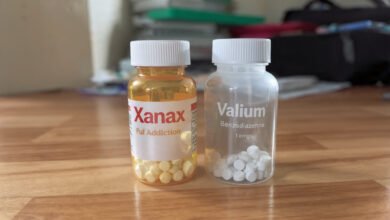
Benzodiazepines, commonly known as benzos, include medications like Xanax (alprazolam), Valium (diazepam), Klonopin (clonazepam), and Ativan (lorazepam). These are among the most widely prescribed drugs in the country, primarily used to treat anxiety, panic disorders, seizures, and insomnia. According to the 2021 National Survey on Drug Use and Health, more than 25 million people aged 12 and older used prescription benzodiazepines in the past year — a number that reflects both their clinical value and their enormous potential for misuse.
The problem is real, widespread, and growing. But here is the most important thing to understand: recovery is entirely possible when you have the right medical and therapeutic support behind you. This guide walks you through everything you need to know about benzodiazepine addiction treatment in the USA — from detox and rehab options to therapy, insurance coverage, and long-term recovery planning. Whether you are taking your first step or helping a loved one, this article will give you the information you need to move forward with confidence.
What Is Benzodiazepine Addiction?
Benzodiazepine addiction, clinically referred to as sedative, hypnotic, or anxiolytic use disorder under the DSM-5, is a condition where a person compulsively uses benzos despite serious negative consequences to their health, relationships, and daily functioning.
Even as prescription substances, benzo use is often limited to a few weeks or less, since there may be an increased risk of dependence, misuse, and addiction with longer-term use. However, many people find themselves dependent after being prescribed these medications for months or even years.
How Benzodiazepines Work in the Brain
Benzos work by enhancing the effect of gamma-aminobutyric acid (GABA), a neurotransmitter that slows down brain activity. This produces feelings of calm, sedation, and reduced anxiety. Over time, the brain becomes reliant on the drug to maintain this balance. Without it, the nervous system goes into overdrive — which is exactly why benzo withdrawal can trigger seizures, extreme anxiety, and other life-threatening symptoms.
Signs You May Need Benzodiazepine Addiction Treatment
Recognizing the problem early significantly improves treatment outcomes. Common signs that someone may need professional help include:


- Increasing tolerance — needing higher doses to feel the same effect
- Running out of prescriptions early due to taking more than prescribed
- Doctor shopping — visiting multiple physicians to obtain additional prescriptions
- Withdrawal symptoms such as severe anxiety, insomnia, tremors, or sweating when doses are missed
- Social withdrawal and loss of interest in previously enjoyed activities
- Cognitive impairment, including memory problems and difficulty concentrating
- Continued use despite knowing the harm it is causing
About 15% of those prescribed benzodiazepines develop an addiction, highlighting the need for careful monitoring and alternative treatment options for managing mental health disorders effectively.
Why Benzodiazepine Addiction Treatment Is Different
Not all substance use disorders are the same, and benzo addiction treatment requires a specific, medically supervised approach that sets it apart from treatment for many other drugs.
The Dangers of Quitting Without Medical Help
This point cannot be overstated: attempting to quit benzos without professional medical supervision is genuinely dangerous. Not tapering or going “cold turkey” is generally not recommended for benzodiazepine dependence or addiction because the person is at risk of life-threatening withdrawal symptoms.
Unlike withdrawal from opioids, which is agonizing but rarely fatal, benzo withdrawal can directly cause grand mal seizures, delirium, and cardiovascular collapse. This is why seeking out a qualified benzodiazepine addiction treatment center is not just a recommendation — it is a medical necessity for most people with significant dependence.
What Makes Benzo Withdrawal So Difficult
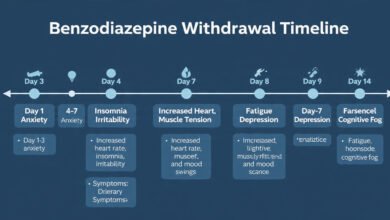
Benzo withdrawal is unpredictable, prolonged, and often involves what is known as protracted withdrawal syndrome — a condition where symptoms like anxiety, insomnia, muscle pain, and cognitive difficulties persist for weeks or months after the drug has left the body. Long-term users are particularly vulnerable to this. Understanding this reality helps set appropriate expectations when entering a benzo rehab program and underscores why ongoing therapeutic support is just as critical as the initial detox phase.
Types of Benzodiazepine Addiction Treatment Centers in the USA
The American treatment landscape offers a tiered system of care, meaning you can access help at a level that matches the severity of your dependence, your living situation, and your personal needs.
1. Medical Detox Programs
Medical detox is almost always the starting point for benzo addiction treatment. In a medically supervised detox setting, trained clinical staff monitor patients around the clock. Vital signs, psychological stability, and withdrawal progression are tracked continuously, and medications are used to keep the process as safe and comfortable as possible.
It is not recommended that people attempt benzodiazepine withdrawal without the aid of medical supervision. Detox-facility staff will monitor the progression of withdrawal symptoms around the clock while administering medications to ensure safety and comfort.
Detox typically lasts between 5 and 14 days for most patients, though individuals with severe long-term dependence may require extended management.
2. Inpatient Residential Treatment
After completing medical detox, many patients transition directly into inpatient residential treatment. This is considered the highest level of care available and places patients in a structured, live-in environment where they receive intensive therapy, medical monitoring, peer support, and round-the-clock access to clinical staff.
Residential programs typically run for 30, 60, or 90 days. They are ideal for individuals with severe addiction, limited home support, a history of relapse, or a co-occurring mental health condition. Residential treatment programs can range from $5,000 to $80,000, but insurance can substantially reduce out-of-pocket costs.
3. Partial Hospitalization Programs (PHP)
A partial hospitalization program (PHP) provides intensive, structured treatment — typically five to seven days per week for six to eight hours per day — while allowing patients to return home in the evenings. PHP is a strong option for those who have already completed residential treatment or who have a stable home environment and do not require 24-hour supervision.
PHP strikes a balance between intensive structure and real-world reintegration. Patients benefit from individual therapy, group sessions, psychiatric oversight, and medication management during the day, then practice applying those skills at home overnight.
4. Intensive Outpatient Programs (IOP)
An intensive outpatient program (IOP) typically involves three to five days of treatment per week for three to four hours per session. PHP is a lower level of care than inpatient rehab and best for those who have completed inpatient recovery or who have supportive, sober environments at home. IOP allows people to maintain work, school, or family obligations while still receiving meaningful therapeutic support.
For benzo patients, IOP is usually most appropriate in the later phases of recovery after the acute medical risks have been stabilized.
5. Standard Outpatient Treatment
Standard outpatient care involves fewer hours per week — typically one to two sessions — and works best as a step-down from IOP or as a long-term maintenance option. It is not appropriate for managing active benzo withdrawal but plays an important role in sustained recovery and relapse prevention.
What to Expect During Benzodiazepine Detox
Benzo detox follows a carefully managed process that is very different from simply stopping the medication. Understanding what actually happens during this phase helps reduce fear and sets realistic expectations.
The Ashton Manual and Tapering Protocols
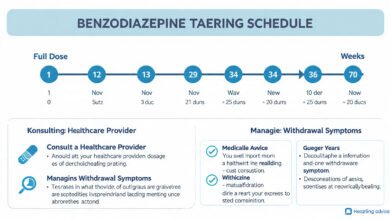
One of the most widely recognized frameworks for benzodiazepine withdrawal is the Ashton Manual, developed by Professor Heather Ashton at the University of Newcastle. The manual describes a gradual tapering protocol using diazepam (Valium) as a substitute benzo, allowing the nervous system to slowly readjust with minimal shock.
A benzo taper schedule depends on many factors, including age, the specific type of benzo used, dosage and length of use, and the person’s support system and environmental stressors.
The core principle of tapering is simple: reduce doses slowly and systematically to give the brain time to normalize its GABA function without triggering dangerous withdrawal reactions. Attempts to rush this process are a primary cause of complications, seizures, and relapse.
Medications Used in Benzo Detox
Depending on the clinical picture, physicians managing benzodiazepine detox may use:
- Long-acting benzodiazepines (such as diazepam or chlordiazepoxide) to replace shorter-acting benzos and stabilize the taper
- Anticonvulsants like carbamazepine or valproate to reduce seizure risk
- Beta-blockers to manage cardiovascular symptoms like rapid heart rate and high blood pressure
- Sleep aids and anxiety support medications to ease protracted symptoms during and after detox
All of these should be managed exclusively by qualified medical professionals in an appropriate treatment setting.
Therapies Used at Benzodiazepine Rehab Centers
Once the physical detox process is complete — or sometimes running alongside it — evidence-based behavioral therapies become the primary driver of lasting recovery. The best benzodiazepine rehab centers in the USA offer a comprehensive menu of therapeutic modalities.
Cognitive Behavioral Therapy (CBT)
Cognitive behavioral therapy (CBT) is the gold standard for treating both addiction and the anxiety disorders that frequently accompany benzo dependence. CBT helps patients identify the thought patterns, emotional triggers, and behavioral habits that drive drug use, and teaches concrete skills for changing them.
For people who initially turned to benzos to manage anxiety or panic, CBT for anxiety provides a natural, drug-free toolset to cope with those same triggers going forward. Research consistently shows CBT produces durable improvements in long-term recovery outcomes.
Dual Diagnosis Treatment
A significant proportion of people with benzo addiction also struggle with a co-occurring mental health disorder — most commonly anxiety disorders, depression, PTSD, or bipolar disorder. This is why dual diagnosis treatment (also called co-occurring disorder treatment) is so important.
Whether navigating benzodiazepine withdrawal or undergoing a medically supervised taper, evidence-based treatment including CBT, motivational interviewing, and family and dual-diagnosis support provides comprehensive care.
A treatment center that ignores the mental health side of the equation is leaving a major relapse trigger unaddressed.
Dialectical Behavior Therapy (DBT)
DBT is especially valuable for patients who struggle with emotional regulation and impulsive behavior. It teaches four core skill sets — mindfulness, distress tolerance, emotional regulation, and interpersonal effectiveness — that are directly relevant to breaking the cycle of benzo misuse.
Group Therapy and Peer Support
Group therapy offers something individual sessions cannot: the validation and perspective of people who genuinely understand what you are going through. Facilitated peer support groups normalize the recovery experience, reduce shame, and provide accountability. Most high-quality benzo treatment programs incorporate daily or weekly group sessions as a core component.
Holistic and Complementary Therapies
Many leading benzodiazepine addiction treatment centers now incorporate holistic therapies alongside traditional clinical approaches. These include:
- Yoga and mindfulness-based stress reduction (MBSR) for nervous system regulation
- Nutritional therapy to address the physical toll of long-term benzo use
- Exercise therapy to naturally boost GABA and reduce anxiety
- Art and music therapy for emotional expression and processing trauma
- Acupuncture and massage therapy for physical symptom relief
These approaches do not replace evidence-based clinical treatment, but they meaningfully enhance patient comfort, engagement, and long-term outcomes.
How to Choose the Right Benzodiazepine Treatment Center
With thousands of treatment centers operating across the United States, choosing the right one requires careful evaluation. Not all programs are created equal, and for benzo addiction specifically, the medical credentials of the staff and the quality of the clinical protocols are critical.
Questions to Ask Before Enrolling
Before committing to any program, ask these questions directly:
- Is your detox program medically supervised 24/7? For benzo patients, this is non-negotiable.
- Do you have on-site physicians and psychiatrists? Medical doctors, not just counselors, should be managing withdrawal.
- What is your tapering protocol? Any credible program will have a structured, individualized approach.
- Do you treat co-occurring mental health disorders? Dual diagnosis capability is highly important.
- Is your facility accredited by The Joint Commission or CARF? Accreditation signals adherence to rigorous quality and safety standards.
- What does your aftercare plan look like? Recovery does not end at discharge — a strong aftercare plan is essential.
- Which insurance plans do you accept? Clarify coverage before admissions to avoid financial surprises.
Red Flags to Watch For
Be cautious of any treatment center that:
- Promises rapid detox or “painless” benzo withdrawal (these claims are medically dubious)
- Cannot clearly describe its clinical protocols or staff credentials
- Pressures you into immediate enrollment without a proper assessment
- Lacks accreditation from a recognized body
- Refuses to involve family members or provide aftercare planning
Cost and Insurance Coverage for Benzo Treatment
The cost of benzodiazepine addiction treatment is a legitimate concern for most families. The good news is that more financial pathways exist today than ever before.
Does Insurance Cover Benzo Rehab?
Yes, in most cases. The Mental Health Parity and Addiction Equity Act (MHPAEA) and the Affordable Care Act (ACA) require most insurance plans to cover substance use disorder treatment at levels comparable to other medical conditions. This includes medical detox, inpatient rehab, PHP, IOP, and outpatient counseling for benzo addiction.
General outpatient programming can range from $1,400 to $10,000 for 30 days, while residential treatment can range from $5,000 to $80,000. Insurance coverage can dramatically offset these costs. Many centers employ insurance specialists who will verify your benefits and walk you through your coverage before treatment begins.
PPO plans typically offer the most flexibility in choosing an out-of-network treatment center. HMO plans may require referrals and pre-authorization but can still provide meaningful coverage. Always call the treatment center’s admissions team to confirm which plans they accept.
Low-Cost and Free Treatment Options
For those without insurance or with limited financial resources, these options are available:
- SAMHSA’s National Helpline (1-800-662-4357) provides free, confidential referrals to low-cost treatment facilities in your area
- State-funded treatment programs often provide sliding-scale or no-cost care for qualifying individuals
- Federally Qualified Health Centers (FQHCs) offer addiction services on a sliding-fee basis
- Nonprofit rehab centers frequently accept patients regardless of ability to pay
- Medicaid covers substance use disorder treatment in all 50 states, including medically supervised detox
Top States with Leading Benzodiazepine Addiction Treatment Centers
The USA has exceptional benzo rehab resources concentrated in several key states. Here is a brief look at some of the strongest regions.
California
California hosts some of the most clinically advanced and well-resourced benzodiazepine treatment centers in the country. Cities like Los Angeles, San Diego, and San Francisco offer everything from luxury residential programs to community-based outpatient services. The state also has strong dual diagnosis infrastructure given the high prevalence of co-occurring mental health conditions.
Florida
Florida has long been a national hub for addiction treatment. Cities like West Palm Beach, Delray Beach, and Fort Lauderdale are home to hundreds of accredited facilities. Florida’s warm climate, large recovery community, and relatively favorable insurance environment make it a popular destination for those seeking intensive treatment away from home.
Texas
Texas has significantly expanded its addiction treatment infrastructure in recent years. Dallas, Houston, and Austin offer strong inpatient and outpatient options, and the state has made meaningful investments in dual diagnosis and medication-assisted treatment (MAT) programs.
New York
New York City and the surrounding region offer world-class clinical resources for benzo addiction treatment, including hospital-based detox units affiliated with major medical centers. The state has robust insurance parity enforcement, making coverage for treatment more predictable than in many other states.
Tennessee and North Carolina
The Southeast has emerged as a growing hub for treatment. States like Tennessee and North Carolina host numerous nationally recognized programs — including facilities in Chattanooga, Newport, and Charlotte — that specialize in prescription drug addiction treatment and dual diagnosis care.
Life After Benzodiazepine Treatment: Aftercare and Long-Term Recovery
Completing a formal treatment program is an enormous achievement — but it is the beginning of recovery, not the end. The months following discharge are statistically the highest-risk period for relapse, which is why aftercare planning is a critical component of any quality benzo rehab program.
Aftercare Planning
A strong aftercare plan typically includes:
- Step-down care — moving from residential to PHP to IOP to outpatient on a structured timeline
- Regular therapy sessions with an individual counselor, ideally someone familiar with benzo-specific recovery challenges
- Medication management follow-ups to monitor any ongoing symptoms or protracted withdrawal effects
- Relapse prevention planning — identifying your personal triggers and developing specific response strategies
- Lifestyle changes — building routines around sleep, nutrition, exercise, and social connection that support nervous system recovery
Support Groups for Benzo Recovery
Unlike alcohol or opioid recovery, where 12-step programs are well-established, benzo recovery has a more varied peer support landscape. Options include:
- Benzobuddies — an online community specifically for people tapering off or recovering from benzodiazepines
- SMART Recovery — a science-based support program that fits well with the CBT-heavy approach of benzo treatment
- Narcotics Anonymous (NA) — traditional 12-step support with meetings widely available across the country
- Celebrate Recovery — a faith-based option for those seeking recovery within a spiritual community
For many people, long-term connection with a community that understands the specific challenges of benzo recovery — including protracted withdrawal, anxiety management, and rebuilding cognitive function — is the single most important factor in sustained sobriety.
The Role of Family in Recovery
Family involvement dramatically improves recovery outcomes. The best benzodiazepine addiction treatment centers provide family education programs, therapy sessions that include loved ones, and ongoing support resources for families who want to help but do not always know how. Family members are involved with patients’ permission through family education and family support groups, recognizing the positive influence that loved ones can have on the path toward recovery.
Authoritative Resources
For verified, up-to-date information on finding accredited benzo addiction treatment centers in the USA, consult these authoritative sources:
- SAMHSA’s Treatment Locator — the official U.S. government tool for locating licensed treatment programs by location, specialty, and payment type
- American Society of Addiction Medicine (ASAM) — provides clinical guidelines for benzodiazepine withdrawal management and treatment standards used by top facilities across the country
Conclusion
Benzodiazepine addiction treatment centers across the USA offer a full spectrum of care — from medically supervised detox and residential inpatient treatment to outpatient counseling, dual diagnosis programs, and long-term aftercare support — giving people at every stage of dependence a genuine, realistic path to recovery. The key is understanding that benzo withdrawal demands professional medical management, that effective treatment goes far beyond just stopping the drug, and that the right combination of clinical care, evidence-based therapy, and peer support can produce lasting results.
Whether you are managing a short-term prescription dependency or years of heavy use, reaching out to a qualified treatment program — and using resources like SAMHSA’s helpline or your insurance provider — is the most important step you can take. Recovery from benzo addiction is not easy, but with the right help, it is absolutely within reach.