Can You Die from Benzodiazepine Withdrawal? The Truth
Can you die from benzodiazepine withdrawal? Learn the real risks, deadly symptoms, who's most at risk, and why medical detox can save your life.

Can you die from benzodiazepine withdrawal? It is one of the most important questions anyone dependent on these medications can ask — and the honest answer is yes, though the full picture is more nuanced than a simple yes or no.
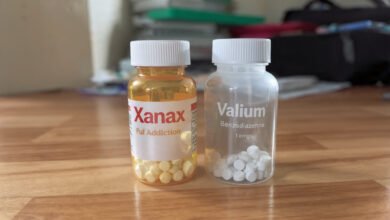
Benzodiazepines, commonly known as benzos, are among the most widely prescribed medications in the world. Drugs like Xanax (alprazolam), Valium (diazepam), Ativan (lorazepam), and Klonopin (clonazepam) are prescribed millions of times each year for anxiety, panic disorder, insomnia, and seizure control. They are also, for many people, deeply habit-forming — even when taken exactly as prescribed.
What most people are never told is that stopping benzos abruptly after regular use can trigger a withdrawal syndrome that, in severe cases, is genuinely life-threatening. Unlike opioid withdrawal — which is brutal but rarely fatal on its own — benzodiazepine withdrawal belongs to the same dangerous category as alcohol withdrawal. Both can cause seizures, cardiovascular instability, and delirium that can kill.
This article breaks down the real risks of benzo withdrawal, who is most vulnerable, what the medical science actually says, and what a safe path off these medications looks like. Whether you are currently taking benzos, supporting someone who is, or simply trying to understand the risks, this is information worth knowing before it becomes urgent.
What Are Benzodiazepines and Why Do They Cause Withdrawal?
To understand why benzodiazepine withdrawal can be so dangerous, you first need to understand what these drugs actually do inside the brain.
Benzodiazepines are a class of central nervous system (CNS) depressants. They work by enhancing the activity of gamma-aminobutyric acid (GABA) — the brain’s primary inhibitory neurotransmitter. GABA essentially acts like a brake pedal on neural activity. When you take a benzo, it amplifies that braking effect, producing feelings of calm, sedation, and reduced anxiety.
This sounds straightforward, but the brain does not simply accept this chemical interference without adapting. Over time — and this can happen in as little as three to five weeks of regular use — the brain begins to compensate. It downregulates its own GABA receptors and reduces natural GABA production, essentially recalibrating itself around the presence of the drug.


This is physical dependence, and it is not the same thing as addiction, though the two can coexist. A person can be physically dependent on benzodiazepines even if they have taken them exactly as prescribed, at a reasonable dose, for a legitimate medical reason.
When the drug is suddenly removed, or the dose drops too quickly, the brain is left without both the medication and its own natural GABA activity. What follows is a state of neurological hyperexcitability — the nervous system essentially firing without adequate inhibition. This is what causes benzo withdrawal symptoms, and at the severe end of the spectrum, it is what makes this withdrawal potentially fatal.
Can You Die from Benzodiazepine Withdrawal? What the Evidence Says
The Short Answer
Yes. Can you die from benzodiazepine withdrawal? The medical literature confirms that it is possible, though deaths from benzo withdrawal alone — without other complicating substances — are exceedingly rare. Published case reports in forensic and clinical literature document only a small number of confirmed deaths attributable directly to benzodiazepine withdrawal in isolation.
However, this does not mean the risk should be dismissed. It means the risk is real, it is unevenly distributed, and certain individuals face a dramatically higher danger than others.
What the Research Shows
A retrospective study published in PMC reviewed 82 cases of acute benzodiazepine withdrawal at a Midwestern academic medical center. Seizures occurred in 10% of cases, and three patients required endotracheal intubation — a breathing tube — due to the severity of their condition. While no deaths were recorded in that study, seven patients required ICU admission, which reflects just how serious the physiological destabilization can become.
More concerning is research from JAMA Network Open (2023), which found that patients who discontinued long-term benzodiazepine therapy had a 1.6 times higher mortality risk in the 12 months following discontinuation compared to those who continued treatment. The researchers noted that abrupt discontinuation — without a proper supervised taper — was associated with measurable increases in adverse health outcomes.
A published case report in The American Journal of Forensic Medicine and Pathology documented what appears to be only the second confirmed death from benzodiazepine withdrawal in the English-language medical literature. The significance here is not just the individual tragedy — it is the rarity of confirmed documentation, which reflects both the scarcity of such events and the difficulty of attributing cause of death accurately in complex clinical situations.
The consensus across addiction medicine professionals is clear: benzo withdrawal is not as consistently fatal as untreated alcohol withdrawal or barbiturate withdrawal, but it belongs in the same high-risk category. Treating it casually — or attempting to manage it without medical support — is a serious mistake.
The Most Dangerous Benzodiazepine Withdrawal Symptoms
Understanding which symptoms pose the greatest threat can quite literally save a life. Benzodiazepine withdrawal symptoms range from uncomfortable to life-threatening, and they generally track the severity of dependence and how abruptly use was stopped.
Mild to Moderate Symptoms
These are uncomfortable but not typically dangerous on their own:
- Rebound anxiety — often more intense than the original anxiety the medication was prescribed for
- Insomnia and sleep disturbances
- Irritability and mood swings
- Muscle tension, aches, and tremors
- Sweating and heart palpitations
- Headaches and dizziness
- Cognitive impairment — difficulty concentrating, memory problems, mental fog
- Gastrointestinal upset, nausea, and loss of appetite
- Hypersensitivity to light, sound, and touch
Severe and Life-Threatening Symptoms
These require immediate medical attention. They are the symptoms that answer the question “can you die from benzodiazepine withdrawal?” with an unequivocal warning:
- Grand mal seizures — sudden, full-body seizures that can result in injury, hypoxia (oxygen deprivation to the brain), and death if not treated
- Status epilepticus — prolonged seizure activity that does not stop on its own, a medical emergency with high fatality risk
- Benzodiazepine withdrawal delirium — a state of profound confusion, disorientation, and agitation that can escalate to cardiovascular collapse
- Psychosis — hallucinations, paranoia, and breaks from reality
- Extreme cardiovascular instability — dangerously elevated heart rate and blood pressure
- Respiratory complications — especially dangerous in combination with other substances
The critical point here is that withdrawal seizures can occur without warning, even in people who have never had a seizure in their lives. A person who goes to sleep during acute benzo withdrawal and has a seizure alone overnight may not wake up.
Who Is Most at Risk of Dying from Benzodiazepine Withdrawal?
Not everyone who stops taking benzos faces the same level of danger. Certain factors dramatically elevate the risk of severe or fatal withdrawal complications.
High-Risk Factors
Duration and dose of use is the most significant predictor. Someone who has taken a high dose of a potent short-acting benzo like alprazolam (Xanax) or lorazepam (Ativan) daily for years faces far greater withdrawal severity than someone who has taken a low dose for a few months.
Short-acting versus long-acting benzos matters considerably. Short-acting drugs like Xanax and Ativan leave the system quickly, causing rapid onset of withdrawal. Long-acting benzos like Valium (diazepam) and Klonopin (clonazepam) taper themselves somewhat due to their extended half-life, which is actually why diazepam is sometimes used medically to manage benzo withdrawal.
History of alcohol use disorder significantly compounds the risk. Alcohol and benzodiazepines act on overlapping neurological pathways. Someone with a history of alcohol withdrawal — particularly anyone who has ever experienced delirium tremens (DTs) — faces a heightened risk of severe neurological destabilization during benzo withdrawal. The two processes can potentiate each other dangerously.
Concurrent use of other substances is another major risk multiplier. Polysubstance dependence — particularly combined benzo and opioid use — introduces complex, layered withdrawal syndromes that are harder to manage and more medically dangerous.
Additional high-risk groups include:
- Elderly individuals — less physiological reserve and higher sensitivity to neurological disruption
- People with a personal or family history of seizures
- Those with serious psychiatric disorders — psychosis and suicidality are both elevated risks during withdrawal
- Individuals with significant underlying cardiovascular or respiratory conditions
- Anyone who has previously experienced severe benzo withdrawal
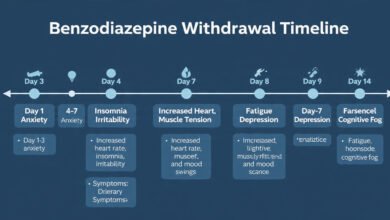
Benzodiazepine Withdrawal Timeline: What to Expect
The timing of benzo withdrawal symptoms depends heavily on which drug was being used and how long it was active in the body.
Short-Acting Benzodiazepines (Xanax, Ativan, Restoril)
- Onset: Withdrawal can begin within 6 to 12 hours of the last dose
- Peak: Symptoms typically peak within 24 to 72 hours
- Acute phase: Often resolves within 4 to 7 days, though this varies significantly
- The rapid onset is part of what makes abrupt discontinuation of short-acting benzos particularly dangerous
Long-Acting Benzodiazepines (Valium, Klonopin, Librium)
- Onset: Withdrawal may not begin for 24 to 48 hours after the last dose, or even longer
- Peak: Symptoms can peak around 1 to 2 weeks after stopping
- Acute phase: May stretch to 3 to 4 weeks or beyond
- The delayed onset can create a false sense of security in the first day or two
Protracted Withdrawal Syndrome
A significant proportion of long-term benzo users experience what is known as protracted withdrawal syndrome (PWS) or post-acute withdrawal syndrome (PAWS). This refers to a prolonged period — sometimes lasting months or even years — of waxing and waning symptoms after the acute phase resolves.
Symptoms of protracted benzodiazepine withdrawal include:
- Persistent anxiety, often more severe than before benzo use
- Cognitive difficulties including memory problems and mental fog
- Perceptual disturbances — visual, auditory, and tactile
- Emotional numbness alternating with emotional volatility
- Insomnia and disrupted sleep cycles
- Depression
This phase is not immediately life-threatening in most cases, but it is profoundly debilitating and is a major factor in relapse and long-term health complications.
Cold Turkey vs. Medical Detox: Why the Method Matters
Why Quitting Cold Turkey Is Dangerous
Stopping benzodiazepines cold turkey — meaning abruptly, without any gradual dose reduction or medical supervision — is one of the most dangerous decisions a dependent person can make. This is not hyperbole and it is not a scare tactic used by treatment facilities.
The FDA explicitly cautions that healthcare professionals should develop a patient-specific tapering plan when someone wants to stop benzodiazepines. The American Society of Addiction Medicine (ASAM) similarly warns that abrupt discontinuation after long-term or high-dose use can be extremely dangerous.
When a person quits cold turkey:
- The brain’s neurological balance is disrupted suddenly and completely
- The risk of seizures spikes sharply, particularly in the first 24 to 72 hours
- There is no medical support to identify and respond to escalating symptoms
- Cardiovascular stress increases without oversight
- The psychological distress of acute withdrawal can trigger severe psychiatric crises
People who attempt home detox from benzos are also at higher risk of abandoning the attempt midway and returning to the drug — often at higher doses to compensate — which creates a dangerous cycle of dependency escalation.
What Medical Detox Actually Looks Like
Medical detox for benzodiazepines is not simply hospitalization. A properly structured program involves several key components that meaningfully reduce the risk of severe or fatal complications.
Gradual tapering is the clinical cornerstone of safe benzo withdrawal management. Rather than stopping the drug abruptly, the prescribing physician works with the patient to reduce the dose incrementally over weeks or months. For many patients, the benzo they were already taking is replaced with a longer-acting equivalent — often diazepam (Valium) — which allows for a smoother, more controlled descent in blood levels.
Medical detox also includes:
- Regular monitoring of vital signs — heart rate, blood pressure, respiratory rate, and temperature
- Neurological assessment — watching for early signs of seizure activity or delirium
- Medication support — anticonvulsants, beta-blockers, or other medications may be used to manage specific symptoms
- Psychological support — withdrawal is as much a psychological event as a physical one, and access to counseling during detox is important
- Continuous access to emergency intervention if a seizure or other complication develops
For individuals at high risk — particularly those with a history of seizures, a history of alcohol dependence, or those withdrawing from very high doses — inpatient medical detox is strongly preferred over outpatient tapering.
The Substance Abuse and Mental Health Services Administration (SAMHSA) provides resources and treatment locators to help people find accredited detox facilities and professional support for benzodiazepine dependence.
Benzodiazepine Withdrawal vs. Alcohol Withdrawal: An Important Comparison
One of the most useful reference points for understanding benzo withdrawal danger is comparing it directly to alcohol withdrawal, which most people know is potentially fatal.
Both benzos and alcohol enhance GABA activity in the brain and suppress glutamate activity. Long-term use of either substance causes the brain to compensate by increasing glutamate sensitivity and decreasing GABA sensitivity. When either substance is abruptly removed, the result is the same: a brain flooded with excitatory signals and starved of inhibitory control.
Alcohol withdrawal delirium — more commonly known as delirium tremens (DTs) — is a severe, potentially fatal syndrome characterized by extreme autonomic instability, profound confusion, and seizures. It carries a historical fatality rate as high as 15 to 20% when untreated.
Benzo withdrawal delirium is a closely related phenomenon that can unfold in an almost identical pattern. It is less common than alcohol withdrawal delirium, but when it occurs, it is just as medically serious.
The critical distinction: because alcohol withdrawal is more widely understood by the general public and by emergency medicine physicians, it tends to be recognized and treated more aggressively. Benzo withdrawal delirium may be misidentified or underestimated, particularly in patients who do not disclose — or whose providers do not ask about — their benzo use history.
This is one reason it is so important for anyone who has been taking benzodiazepines long-term to be completely transparent with every healthcare provider they see, including emergency physicians.
Can Benzodiazepine Withdrawal Cause Seizures?
Yes. Benzo withdrawal seizures are the single most acute life-threatening complication of benzodiazepine discontinuation, and they deserve particular attention.
Seizures during benzo withdrawal can:
- Occur even in people with no prior history of seizure disorders
- Happen unpredictably, often without a clear prodrome or warning
- Develop into status epilepticus — continuous seizure activity — which is a direct medical emergency
- Cause aspiration pneumonia if the person vomits and inhales during the episode
- Result in traumatic injury from falls
- Directly cause death through hypoxia, cardiovascular strain, or secondary injury
Research published through the National Institutes of Health (NIH) confirms that seizures occur in approximately 10% of acute benzo withdrawal cases, and some studies suggest this figure may be higher in populations with more severe dependence or concurrent alcohol use.
The risk of withdrawal seizures is highest in the first 24 to 72 hours after stopping short-acting benzos, and can extend up to two weeks for those withdrawing from long-acting formulations. Anyone experiencing convulsive activity during benzo withdrawal requires emergency medical care immediately.
Protracted Benzo Withdrawal: The Long Recovery Nobody Talks About
Short-term survival through acute withdrawal is only part of the story. A significant and often underacknowledged reality of long-term benzodiazepine use is the protracted recovery process that follows.
Protracted withdrawal syndrome (PWS) refers to symptoms that persist well beyond the acute withdrawal window. These symptoms are not static — they tend to fluctuate, sometimes improving for days or weeks before returning unexpectedly. This unpredictable pattern can be deeply disorienting and discouraging for people in recovery.
The neurological underpinning is straightforward: after years of GABA receptor downregulation caused by chronic benzo use, the brain does not simply snap back to its original baseline when the drug is removed. The process of neural recalibration takes time — often much more time than patients or clinicians expect.
Managing protracted benzo withdrawal successfully usually involves:
- Ongoing mental health support and therapy
- Patience with the timeline — symptoms genuinely do improve over months and years
- Avoiding other CNS depressants that could delay neurological recovery
- Addressing the underlying conditions (anxiety, insomnia, PTSD) that the benzos were originally prescribed to treat
- Lifestyle interventions — regular exercise, sleep hygiene, and stress management practices that support neurological healing
What to Do If Someone Is in Benzo Withdrawal Right Now
If you or someone you know is currently experiencing symptoms of benzodiazepine withdrawal — especially severe symptoms — this is what to do:
Call 911 or go to the nearest emergency room immediately if:
- Seizures are occurring or have occurred
- The person is confused, delirious, or unresponsive
- There is chest pain, irregular heartbeat, or difficulty breathing
- Hallucinations are present
- The person has expressed thoughts of self-harm
Contact a physician or addiction specialist immediately if:
- You or a loved one has been taking benzos regularly and wants to stop
- You are experiencing anxiety, tremors, insomnia, or other withdrawal symptoms after reducing your dose
- You have been tapering but symptoms are worsening
Do not:
- Try to manage severe benzo withdrawal at home without medical guidance
- Stop benzos abruptly after long-term use
- Assume that because symptoms are “only” anxiety and insomnia they cannot progress to something more dangerous
The Role of Tapering in Safe Benzodiazepine Discontinuation
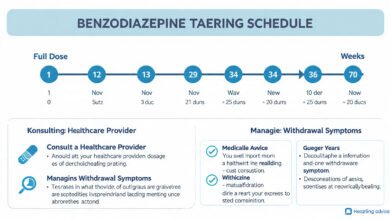
The word taper is central to any responsible conversation about stopping benzodiazepine dependence. A taper means reducing the dose gradually over an extended period of time — slow enough that the brain can readjust at each step before the next reduction.
There is no universal taper schedule that works for everyone. The appropriate protocol depends on:
- Which benzo the patient is taking
- The current dose
- How long the patient has been taking it
- The patient’s overall health and any concurrent substance use
- How the patient responds to early dose reductions
Some clinical guidelines suggest a reduction of no more than 5 to 10% of the current dose every two to four weeks, particularly for patients with severe dependence. For others, a faster taper under close supervision may be appropriate.
The Ashton Manual — written by Dr. Heather Ashton, a British pharmacologist who spent years researching and treating benzodiazepine dependence — remains one of the most comprehensive resources on tapering protocols, though its guidance should always be applied under the supervision of an informed physician.
Conclusion
Can you die from benzodiazepine withdrawal? Yes — and the risk is real enough that no one should attempt to stop long-term or high-dose benzo use without medical guidance. While confirmed deaths directly attributable to benzo withdrawal in isolation are rare, the physiological dangers are not theoretical: seizures, delirium, and cardiovascular instability are documented, serious, and in some cases fatal complications of abrupt benzodiazepine discontinuation.
The risk is highest for those who quit cold turkey after prolonged use, those with a history of alcohol dependence, the elderly, and anyone withdrawing from high doses of short-acting benzos like Xanax or Ativan. The good news is that these risks are largely preventable with a properly supervised medical detox and a structured, individualized tapering plan. If you or someone you love is dependent on benzodiazepines and wants to stop safely, the most important step is the same as the first: talk to a doctor before making any changes to your dose.