How Supervised Detox Saves Lives: Statistics and Facts
Supervised detox lowers death risk during withdrawal. See the real statistics on alcohol, opioid, and benzo detox, and why it matters.
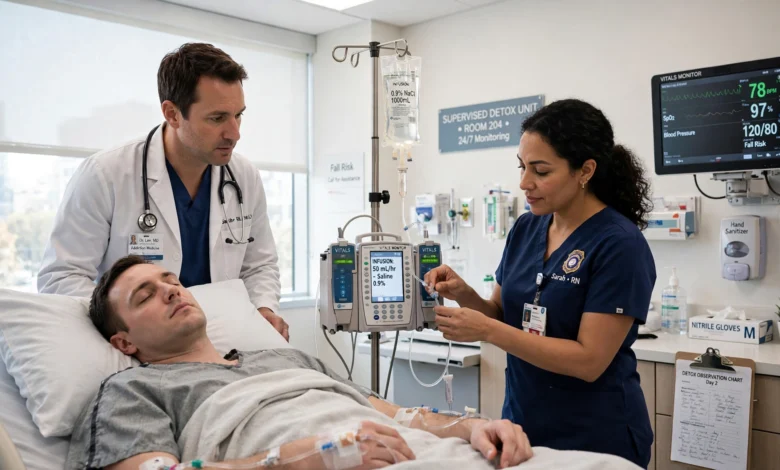
Supervised detox is often the difference between a hard week and a fatal one. Every year, people try to quit alcohol, opioids, or benzodiazepines on their own, at home, without medical support, and a portion of them do not survive the attempt. That is not a scare tactic. It is what the numbers show. Medical detox exists because withdrawal from certain substances is a genuine medical event, not just an uncomfortable one, and the body going through it needs monitoring, medication, and sometimes emergency intervention.
This article walks through what the research and clinical data actually say about detox statistics, including death rates from untreated alcohol withdrawal, the overdose risk that spikes after opioid detox, and why benzodiazepine withdrawal is its own category of dangerous. It also looks at who faces the highest risk, what a medically supervised detox program actually does differently, and why the days right after detox are just as important as the detox itself.
If you or someone you love is thinking about quitting a substance after heavy or long-term use, this is worth reading before making that decision alone. The goal here is not to frighten anyone away from getting sober. It is to explain why the safest path to sobriety usually runs through a licensed facility, not a closed bedroom door.
What Supervised Detox Actually Means
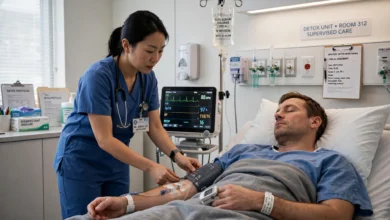
Supervised detox, sometimes called medically managed withdrawal, is the process of stopping a substance under the care of doctors, nurses, or trained clinical staff who can track vital signs, manage symptoms, and step in if something goes wrong. It is different from simply “toughing it out,” and it is different from general rehab, which deals with the psychological and behavioral side of addiction after the body has stabilized.
In a supervised setting, staff typically:
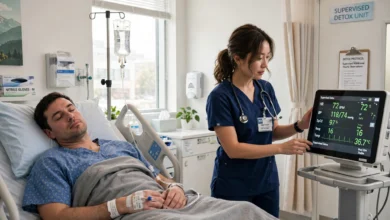
- Monitor heart rate, blood pressure, temperature, and breathing around the clock
- Administer medications to ease symptoms and prevent seizures
- Watch for warning signs of complications like delirium tremens or respiratory depression
- Adjust treatment in real time based on how the person responds
- Coordinate the transition into ongoing addiction treatment once withdrawal has passed
None of that is available to someone detoxing alone at home. That gap in care is exactly where the statistics below come from.
The Numbers Behind Withdrawal Deaths
Alcohol Withdrawal and Delirium Tremens
Alcohol withdrawal is one of the few withdrawal syndromes that can kill on its own, without an overdose being involved. The most dangerous complication is delirium tremens, or DT, a severe state involving confusion, hallucinations, seizures, and dangerous swings in heart rate and blood pressure.


Here is what the research shows:
- DT develops in roughly 5% of people going through alcohol withdrawal, according to research published by Harvard Health Publishing, but it is the most severe complication that can occur.
- Left untreated, DT has historically carried a death rate estimated between 15% and 40%, depending on the source and severity of the case.
- With prompt hospital-level care and standard benzodiazepine protocols, that mortality rate drops to somewhere around 1% to 4%.
- Severe, unmanaged alcohol withdrawal overall has been linked to mortality rates as high as 15% in historical data.
That gap between an untreated case and a treated one is not a small margin. It is the entire reason medically supervised detox exists for people with a serious alcohol use history. People with a history of heavy, prolonged drinking, prior withdrawal seizures, liver disease, or other chronic illness are at the highest risk of developing DT and should not attempt to quit cold turkey without medical oversight.
For a clear overview of withdrawal symptoms and when they become dangerous, the National Institute on Alcohol Abuse and Alcoholism publishes detailed, plain-language guidance for patients and families.
Opioid Withdrawal and Overdose Risk
Opioid withdrawal itself is rarely fatal in the way alcohol withdrawal can be. It feels brutal (flu-like symptoms, muscle pain, vomiting, insomnia) but the real danger with opioids shows up after detox, not during it.
Here is the pattern researchers keep finding:
- Opioid tolerance drops sharply during detox, so a dose that felt “normal” a week earlier can be enough to stop someone’s breathing after even a short period of abstinence.
- Studies tracking people after short-term inpatient opioid detox have found relapse rates as high as 80% to 91% within the first month, with a large share of that relapse happening in the very first week.
- A cohort study following opioid patients for two decades after detox admissions found a death rate of nearly 38% over 20 years, with a standardized mortality ratio more than 20 times that of the general population.
- Data on discharge from controlled settings, including hospitals and detox programs, shows the risk of fatal overdose spikes in the days and weeks immediately following release, largely because of that lost tolerance.
This is the single most important fact to understand about opioid detox statistics: detox alone does not treat opioid use disorder. It only gets the substance out of the body. Without a plan for what comes next, whether that is medication-assisted treatment, residential care, or intensive outpatient support, the risk of a fatal overdose after a relapse is higher after detox than it was before, not lower. The National Institute on Drug Abuse has published extensively on why continued treatment after detox is what actually reduces overdose deaths.
Benzodiazepine Withdrawal
Benzodiazepines like Xanax and Valium carry their own withdrawal risks, and abrupt discontinuation after heavy or long-term use can trigger seizures, severe anxiety, hallucinations, and, in some cases, a delirium-like state similar to DT. Combined alcohol and benzodiazepine dependence raises the danger further, since both substances act on the same calming (GABA) system in the brain and withdrawal from either can compound the other.
Why Unsupervised Detox Is So Dangerous
Trying to detox without medical support fails for a few predictable reasons:
- Symptoms escalate faster than expected. Withdrawal from alcohol or benzodiazepines can move from mild shakiness to seizures in a matter of hours, and there is often no clear warning before that shift happens.
- There is no way to intervene in an emergency. A seizure, cardiac event, or severe dehydration at home usually means someone has to call 911 after the fact, rather than a clinical team catching it early.
- Cravings and pain push people back to the substance. Data on unsupervised attempts shows that most people trying to quit at home relapse within the first 72 hours, often because the only thing that stops the pain in the moment is the substance itself.
- Reduced tolerance turns “using again” into “overdosing.” This is the mechanism driving the high death rates seen after opioid detox specifically.
- Underlying medical conditions go unnoticed. Liver damage, heart disease, or other chronic conditions can dramatically raise the risk of a fatal complication, and many people do not know the extent of their own damage until something goes wrong.
How Medical Supervision Changes the Outcome
Medically supervised detox does not eliminate withdrawal, but it changes what happens when things get serious. A few concrete differences:
- Medication protocols. Benzodiazepines are the standard treatment to prevent seizures and DT during alcohol withdrawal. Buprenorphine, methadone, or clonidine can ease opioid withdrawal symptoms and reduce the urge to use again mid-detox.
- Continuous monitoring. Vital signs are checked on a regular schedule, sometimes hourly during the highest-risk window, which is typically the first three to five days.
- Rapid response to complications. If someone develops a fever, seizure activity, or a dangerous change in heart rhythm, staff can act immediately instead of waiting for symptoms to become an emergency.
- A bridge into further treatment. Facilities coordinate the next step, whether that is inpatient rehab, an intensive outpatient program, or medication-assisted treatment, so the person is not left to manage recovery alone right after the highest-risk period ends.
Who Is Most at Risk During Withdrawal
Not everyone faces the same level of danger during detox. Risk climbs significantly for:
- People with a long history of heavy, daily alcohol use
- Anyone with a prior seizure or DT episode during a past withdrawal
- People with liver disease or other chronic organ damage
- Those combining multiple substances, especially alcohol with benzodiazepines or opioids
- Older adults or anyone with underlying cardiovascular conditions
- People who have recently completed a period of abstinence (in jail, a hospital stay, or a previous detox) and are considering using again
Anyone in these categories should treat home detox as genuinely unsafe rather than simply “harder.”
What Happens During a Supervised Detox
A typical medical detox stay follows a fairly consistent pattern, though the length and intensity depend on the substance and the person’s history:
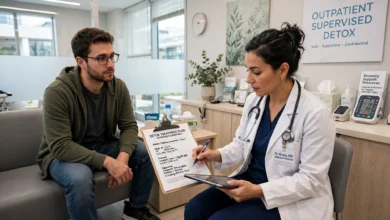
- Intake and assessment. Staff review substance use history, medical conditions, and current symptoms to build an individualized plan.
- Stabilization. Medications are introduced to manage the most severe symptoms and reduce seizure or complication risk.
- Peak monitoring window. The first three to five days are generally considered the highest-risk period and receive the closest observation.
- Symptom tapering. As the body adjusts, medication doses are gradually reduced under supervision rather than stopped abruptly.
- Discharge planning. Before leaving, most programs connect patients with a follow-up plan, whether that’s residential treatment, outpatient counseling, or ongoing medication support.
Length of stay varies. Alcohol and benzodiazepine detox often runs anywhere from a few days to about a week for uncomplicated cases, while opioid detox protocols frequently taper over five to ten days.
The Life After Detox: Why Aftercare Matters
This is the part that gets overlooked, and it is arguably the most important detox statistic of all: detox by itself does not treat addiction. It treats the physical dependence. The behavioral and psychological drivers of substance use are still there once the withdrawal symptoms fade.
Research following people after detox has found that more than 60% relapse within the first year, and the highest-risk window for relapse is the first few months right after detox ends. Combine that with the loss of tolerance discussed earlier, and it becomes clear why continuing care isn’t optional; it is protective in a very literal sense.
Programs that pair detox with a real aftercare plan, whether that’s medication-assisted treatment, residential rehab, or structured outpatient support, consistently show better survival outcomes than detox alone. If you’re evaluating a detox program for yourself or a family member, ask directly what the discharge plan looks like before you commit. A program with no answer to that question is only solving half the problem.
Key Facts and Statistics at a Glance
- Delirium tremens develops in about 5% of alcohol withdrawal cases but carries a historical death rate of 15% to 40% if untreated
- With proper medical treatment, DT mortality drops to roughly 1% to 4%
- Severe, unmanaged alcohol withdrawal overall can carry mortality as high as 15%
- Opioid tolerance drops fast during detox, making relapse doses far more likely to be fatal
- Relapse after short-term opioid detox has been measured as high as 80% to 91% within the first month
- One 20-year cohort study found nearly 38% mortality among opioid patients admitted for detox
- More than 60% of people with substance use disorder relapse within a year of treatment
- Most unsupervised at-home detox attempts collapse within the first 72 hours
- The first 3 to 5 days of supervised detox are considered the highest-risk, most closely monitored window
- Continuing care after detox, not detox alone, is what most consistently reduces long-term overdose deaths
Conclusion
The evidence is consistent across alcohol, opioid, and benzodiazepine withdrawal: quitting cold turkey without medical support carries a real, measurable risk of death, while medically supervised detox brings that risk down dramatically through monitoring, medication, and rapid response to complications. Alcohol withdrawal can trigger delirium tremens with a death rate as high as 40% when untreated, opioid detox creates a dangerous window where lost tolerance turns relapse into overdose, and benzodiazepine withdrawal carries similar seizure and complication risks.
None of this means detox has to be terrifying. It means it has to be done in the right setting, with the right people watching, and with a real plan for what happens after the withdrawal symptoms fade. Supervised detox, followed by continued treatment, remains the safest and most survivable path off any of these substances.