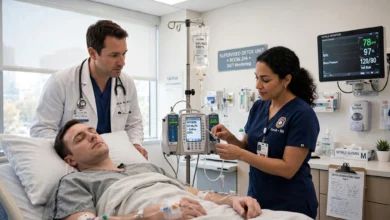
The Benefits of 24/7 Medical Supervision During Detox
24/7 medical supervision during detox lowers health risks, eases withdrawal, and improves recovery outcomes. Here's what it actually involves.
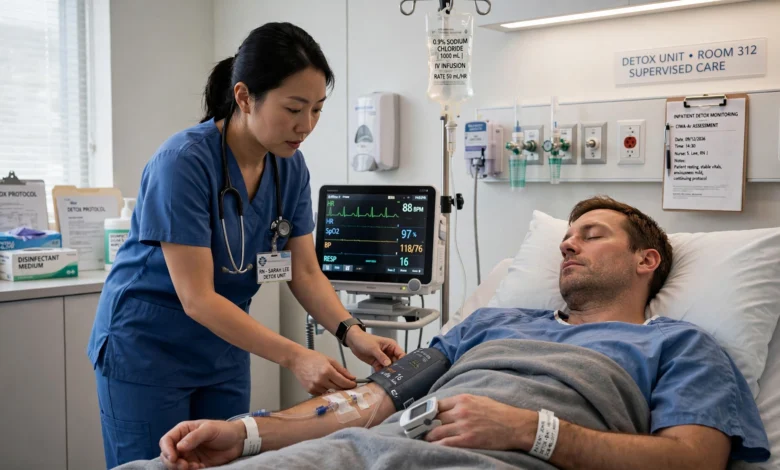
24/7 medical supervision during detox is the single biggest factor that separates a safe recovery start from a dangerous gamble. Withdrawal from alcohol, opioids, benzodiazepines, or other substances can trigger reactions that escalate in minutes, not hours, and a trained clinical team on-site is often the difference between a manageable process and a medical emergency. If you or someone you love is thinking about detox, understanding what round-the-clock medical care actually provides can help you make a more informed, and safer, decision.
Many people assume detox just means “waiting out” withdrawal symptoms somewhere quiet until the substance clears the body. In reality, withdrawal puts real physical stress on the heart, nervous system, and organs, and some of that stress can turn life-threatening without proper oversight. That’s why medically supervised detox programs keep licensed nurses, physicians, and support staff present around the clock rather than checking in occasionally.
In this article, we’ll break down what 24/7 medical supervision during detox actually looks like, why it matters so much for safety and comfort, and what to look for when choosing a program. Whether you’re researching detox for yourself or a family member, this guide will give you a clear, practical picture of why continuous medical care isn’t a luxury add-on. It’s the foundation that makes the rest of recovery possible.
What Is Medically Supervised Detox?
Medically supervised detox is a structured process where a person stops using drugs or alcohol under the direct, ongoing care of medical professionals, usually in a licensed detox center or hospital-affiliated facility. Instead of detoxing alone at home, the person is monitored continuously by nurses and physicians who track vital signs, manage symptoms, and step in immediately if complications arise.
This type of care typically includes:
- An initial medical evaluation covering substance use history, physical health, and mental health
- Regular monitoring of blood pressure, heart rate, temperature, and oxygen levels
- Medication management to ease withdrawal symptoms and reduce cravings
- On-site staff available at all hours, not just during business hours or scheduled check-ins
- A clear plan for transitioning into ongoing addiction treatment once detox is complete
The goal isn’t just to get substances out of the body. It’s to do so in a way that protects the person’s physical safety and sets them up to actually continue treatment afterward, rather than relapsing or leaving due to unmanaged discomfort.
Why Withdrawal Can Be Dangerous Without Supervision
Withdrawal symptoms vary widely depending on the substance, but several categories carry real medical risk if left unmonitored.


Alcohol and benzodiazepine withdrawal can cause seizures, hallucinations, and a condition called delirium tremens, which involves severe confusion, rapid heart rate, and dangerously high blood pressure. These reactions can appear within 24 to 72 hours after the last drink or dose and can worsen quickly.
Opioid withdrawal, while rarely fatal on its own, causes intense vomiting, diarrhea, and dehydration that can become dangerous, particularly for people with underlying health conditions. It also carries a serious hidden risk: once tolerance drops during detox, a relapse afterward can lead to overdose at a dose the body can no longer handle.
Stimulant withdrawal from cocaine or methamphetamine often brings on severe depression, anxiety, and in some cases suicidal thoughts, which require mental health support alongside physical monitoring.
Without 24/7 medical supervision during detox, these complications can go unnoticed until they become emergencies. A person detoxing alone might not recognize the warning signs of a seizure building or a dangerous spike in heart rate. According to the National Institute on Drug Abuse, medically managed withdrawal is considered a critical first step precisely because it reduces these risks and prepares a person for the treatment that follows.
The Core Benefits of 24/7 Medical Supervision During Detox
Here’s a closer look at what continuous medical oversight actually delivers, beyond the general idea of “safety.”
1. Continuous Monitoring of Vital Signs
The core function of 24/7 medical supervision is ongoing tracking of blood pressure, heart rate, respiratory rate, and temperature. Withdrawal symptoms can shift rapidly, and a reading that looks stable at 2 p.m. can change by 6 p.m. Continuous monitoring means changes get caught early, before they turn into complications that require emergency intervention.
2. Immediate Response to Medical Emergencies
When something does go wrong, whether it’s a seizure, a severe drop in blood pressure, or a panic-driven cardiac event, having medical staff already on-site means treatment starts in minutes rather than after a call to emergency services and a wait for an ambulance. This immediate response capability is one of the clearest advantages of medically supervised detox over attempting withdrawal at home.
3. Safer Management of Severe Withdrawal Symptoms
Not every withdrawal symptom is life-threatening, but many are severe enough to derail a person’s ability to continue detox. Nausea, tremors, insomnia, and muscle pain can be intense enough that people give up and use again just to make the discomfort stop. With medical staff present, these symptoms can be actively managed rather than simply endured.
4. Access to Medication-Assisted Treatment
Many detox programs use medication-assisted treatment (MAT) to ease withdrawal and reduce cravings. This might include medications for opioid withdrawal, anti-seizure medications for alcohol withdrawal, or other prescriptions tailored to the substance involved. Because these medications require dosing adjustments based on how a person is responding, having a physician available around the clock allows for real-time changes rather than waiting for the next scheduled appointment.
5. Emotional and Psychological Support
Detox isn’t only physical. Anxiety, irritability, and depressive symptoms are common, and for some people, withdrawal can surface underlying mental health conditions that were previously masked by substance use. Staff trained to recognize these shifts can bring in counselors or adjust care plans quickly, rather than leaving a person to manage psychological distress alone overnight.
6. Individualized Care Plans That Adapt in Real Time
No two people withdraw the same way. Age, overall health, length of substance use, and which substances were involved all affect how withdrawal unfolds. 24/7 medical supervision during detox allows the care team to adjust a treatment plan as symptoms develop, rather than relying on a fixed schedule that doesn’t account for how an individual is actually responding.
7. Higher Rates of Detox Completion
Programs with consistent, round-the-clock clinical oversight tend to see better completion rates than settings with minimal supervision. When staff catch early symptoms and adjust care before things escalate, fewer people leave against medical advice or require an emergency transfer partway through. Completing detox matters because it’s the entry point into further treatment, whether that’s inpatient rehab, outpatient counseling, or a structured aftercare plan.
Medical Detox vs. Social Detox: What’s the Difference?
It helps to understand that not all detox programs are built the same way. Two terms come up often, and confusing them can lead someone to choose the wrong level of care.
Medical detox is what this article focuses on: a setting with licensed nurses and physicians present, medication available for symptom management, and continuous monitoring of physical health. This is the standard recommended for anyone at risk of moderate to severe withdrawal.
Social detox, sometimes called non-medical detox, provides a supportive, substance-free environment with staff on hand for encouragement and basic check-ins, but without licensed medical staff or medication management. It can work for people with a low risk of complications, but it isn’t equipped to handle seizures, cardiac events, or severe psychiatric symptoms.
The distinction matters because facilities sometimes use general language like “supervised” or “monitored” without specifying which model they use. If withdrawal risk is a concern, it’s worth asking directly whether the program offers medical detox with licensed clinical staff on-site 24 hours a day, or a social model that offers less clinical oversight.
The Role of a Medical Team During Each Stage of Detox
24/7 medical supervision during detox doesn’t look the same on day one as it does on day five. Understanding the general stages helps explain why continuous care matters throughout, not just at the start.
- Intake and assessment: A physician reviews medical history, substance use patterns, and current health status to build an individualized withdrawal management plan.
- Early withdrawal (first 24 hours): Symptoms often begin here, and staff start baseline monitoring of vital signs while watching for early warning signs of complications.
- Peak withdrawal (roughly 24 to 72 hours): This is typically the most medically intense period, especially for alcohol and benzodiazepine withdrawal, and it’s when continuous supervision matters most.
- Stabilization (days 3 to 7, depending on the substance): Symptoms begin to ease, though monitoring continues to watch for lingering effects and to adjust medications as needed.
- Transition planning: Before detox ends, the medical team typically works with the person to arrange next steps, such as inpatient rehab, outpatient counseling, or intensive outpatient programs.
Each stage requires a different level of attention, but the constant throughout is that trained staff are present to respond, not just to observe from a distance.
Common Questions About 24/7 Medical Supervision During Detox
How long does medically supervised detox typically last? Most programs run anywhere from five to fourteen days, depending on the substance involved, the severity of dependence, and how a person responds to treatment. Alcohol and benzodiazepine detox often require closer monitoring during the first several days, while other substances may follow a different timeline.
Is medical detox covered by insurance? Many insurance plans cover detox services, particularly when a physician determines it’s medically necessary. Coverage details vary by provider and plan, so it’s worth confirming directly with the insurance company and the treatment facility before starting.
Can I detox at home instead? For some substances with low withdrawal risk, home detox may be an option under a doctor’s guidance. However, for alcohol, benzodiazepines, and in many cases opioids, medical professionals generally recommend a supervised setting because complications can develop quickly and unpredictably.
Does detox alone count as addiction treatment? No. Detox addresses the physical process of withdrawal, but it doesn’t address the behavioral and psychological patterns behind substance use. Most people need continued treatment, such as therapy or a structured program, after detox to support long-term recovery.
Who Benefits Most From 24/7 Medical Supervision?
While anyone going through detox can benefit from continuous medical care, it’s especially important for:
- People with a history of heavy or long-term alcohol use, due to the risk of seizures and delirium tremens
- Individuals withdrawing from benzodiazepines, which can also cause serious withdrawal complications
- People with co-occurring physical health conditions like heart disease, diabetes, or respiratory issues
- Anyone with a history of mental health conditions, including depression, anxiety, or suicidal ideation
- People who have previously attempted detox on their own and experienced complications or relapse
- Individuals detoxing from multiple substances at once, which can produce unpredictable symptom combinations
If any of these apply, attempting detox without medical support carries a meaningfully higher risk, and a supervised setting isn’t just recommended, it’s often necessary.
What to Look for in a Medically Supervised Detox Program
If you’re evaluating detox programs, a few questions can help you understand whether the “24/7 supervision” they advertise is substantial or mostly a marketing phrase:
- How often are vital signs actually checked? Every few hours during peak withdrawal is different from continuous monitoring. Ask for specifics.
- Who is on-site overnight? Confirm whether licensed nurses or physicians are physically present, not just on call from home.
- What is their protocol for medication adjustments? Ask how decisions get made and documented when symptoms change outside regular hours.
- Do they offer mental health support alongside physical care? Detox that only addresses physical symptoms misses a major part of the picture.
- What happens after detox? A good program will have a clear plan for transitioning into ongoing treatment, since detox alone rarely leads to lasting recovery.
- Is the facility licensed and accredited? Verify credentials directly rather than relying on a website’s claims.
The Substance Abuse and Mental Health Services Administration offers a directory of accredited treatment options, which can be a useful starting point for confirming that a program meets recognized clinical standards.
Detox Is the Start, Not the Finish Line
It’s worth being clear about one thing: detox by itself doesn’t treat addiction. It manages the physical process of withdrawal so a person can move forward safely. 24/7 medical supervision during detox matters because it protects someone through the most physically volatile stage of recovery, but real, lasting change usually depends on what comes next: therapy, counseling, peer support, and a long-term plan for staying sober.
That’s why most reputable detox programs are designed as a bridge into a longer course of treatment rather than a standalone service. If a program only offers detox with no discussion of aftercare, that’s worth asking about before committing.
Conclusion
Detox is one of the most physically demanding stages of recovery, and going through it without proper oversight carries real, sometimes serious risk. 24/7 medical supervision during detox provides continuous monitoring, immediate emergency response, medication management, and emotional support at exactly the point when a person is most vulnerable, which is why it consistently leads to safer outcomes and higher completion rates than unsupervised attempts.
Whether you’re weighing options for yourself or a loved one, choosing a program with genuine round-the-clock clinical care, not just the label, gives detox the best possible chance of becoming the first step toward lasting recovery rather than another setback.