What is Supervised Detox? Everything You Need to Know
Supervised detox keeps withdrawal safe under medical care. Here's how the process works, who needs it, and what to expect at each stage.
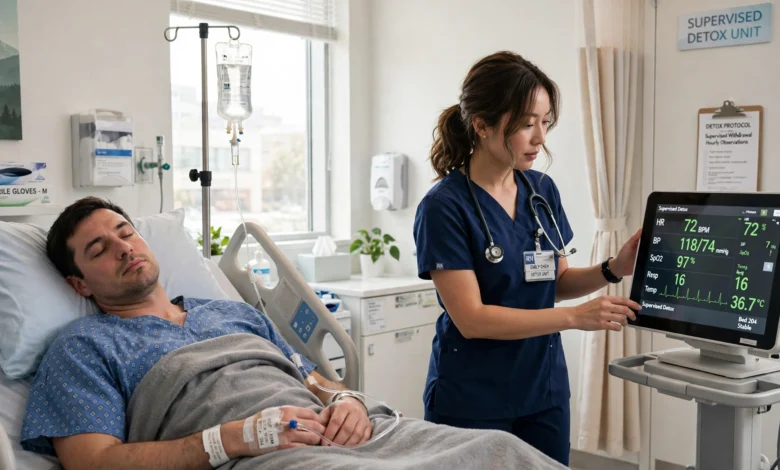
Supervised detox is the process of withdrawing from drugs or alcohol under the care of trained medical staff who monitor your body and manage symptoms as they come up. For anyone who has tried to quit on their own and hit a wall, or who is scared of what withdrawal might do to their body, this is usually the first real step toward getting better. It’s not a treatment for addiction itself, but it’s the doorway that makes the rest of recovery possible.
Withdrawal from substances like alcohol, benzodiazepines, or opioids can range from deeply uncomfortable to genuinely life-threatening. Seizures, dangerously high blood pressure, hallucinations, and heart complications are all real risks depending on what someone has been using and for how long. A supervised detox program exists specifically to catch these problems early and treat them before they become emergencies. That’s the core difference between detoxing in a clinical setting and trying to white-knuckle it at home.
This guide walks through what supervised detox actually involves, how it differs from other approaches, which substances tend to require it, and what a typical stay looks like from intake to discharge. Whether you’re researching this for yourself or for someone you care about, the goal here is to give you a clear, honest picture of the process so you can make an informed decision about the next step.
What Is Supervised Detox?
Supervised detox, also called medically supervised detoxification or medical detox, is a structured process where a person stops using a substance while a medical team watches for withdrawal symptoms and treats them as needed. This can happen in a hospital, a dedicated detox facility, or a residential treatment center, depending on the substance involved and how severe the dependence is.
The Substance Abuse and Mental Health Services Administration (SAMHSA) describes detoxification as a set of interventions aimed at managing acute intoxication and withdrawal safely, with the broader goal of getting a person into the right kind of care that follows. You can read SAMHSA’s full clinical guidance on detoxification if you want the source material clinicians actually use.
A few things set supervised detox apart from just “quitting”:
- Round-the-clock monitoring of vital signs, hydration, and mental state
- Medication support to ease symptoms or prevent complications
- Access to a physician who can adjust the plan if something unexpected happens
- A structured environment that removes access to the substance during the hardest stretch
Why Medical Supervision Matters
Not every substance carries the same risk during withdrawal, but several do carry a real risk of death or serious injury if managed incorrectly. This is the main reason supervised detox exists as its own category of care rather than something people are simply told to do at home.


Alcohol and Benzodiazepine Withdrawal
Withdrawal from alcohol or benzodiazepines is considered one of the more dangerous types. Symptoms can start within 6 to 24 hours of the last drink or dose and may include tremors, anxiety, elevated heart rate, and in severe cases, seizures or delirium tremens (DTs). DTs alone carry a meaningful mortality risk if untreated, which is exactly why clinical monitoring exists for this population.
Opioid Withdrawal
Opioid withdrawal is rarely fatal on its own, but it is intensely uncomfortable, involving nausea, muscle pain, diarrhea, and severe cravings. According to the National Institute on Drug Abuse, the discomfort of unmanaged opioid withdrawal is a major reason people relapse before they ever get a chance to start treatment, which is why medications are often used to ease the transition. NIDA’s overview of medications used in opioid treatment explains how this works in more detail.
Stimulants and Other Substances
Stimulant withdrawal (from cocaine or methamphetamine) is generally less physically dangerous but can bring on severe depression, fatigue, and in some cases suicidal thoughts, which still calls for professional support even without the same physical emergency risk as alcohol or benzodiazepines.
How Supervised Detox Works
A supervised detox program generally follows the same basic arc no matter where you go, though the details shift depending on the substance and the facility.
Step 1: Assessment and Intake
Before anything else, the medical team gathers a full picture: substance use history, how much and how often, previous withdrawal experiences, other medical conditions, and any mental health concerns. This isn’t a formality. It directly shapes the medication plan and determines what level of care someone needs.
Step 2: Stabilization
This is the active withdrawal phase, where staff monitor vital signs and administer medications to control symptoms. Depending on the substance, this might include:
- Long-acting benzodiazepines to prevent seizures during alcohol withdrawal
- Buprenorphine or methadone to ease opioid withdrawal
- Anti-nausea and sleep medications to manage general discomfort
- IV fluids for dehydration
Step 3: Transition Planning
Detox alone does not treat addiction. It clears the body of the substance and gets a person stable enough to engage in further care. Before discharge, most programs work with the patient to set up next steps, whether that’s inpatient rehab, an intensive outpatient program, or ongoing medication-assisted treatment.
Levels of Care in Supervised Detox
Not every case needs a hospital bed. Supervised detox is typically offered at a few different levels, and the right one depends on medical risk, not personal preference alone.
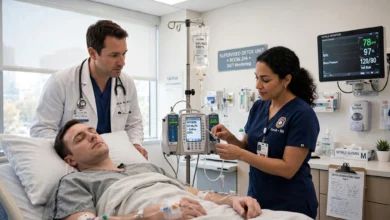
- Inpatient/hospital-based detox – for high-risk withdrawal (severe alcohol or benzodiazepine dependence, multiple substances, or serious co-occurring health issues)
- Residential detox – 24-hour supervision in a non-hospital setting, appropriate for moderate risk
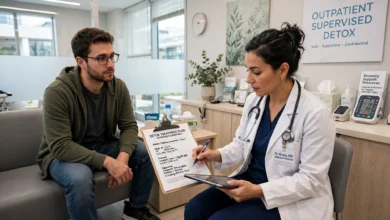
- Outpatient detox – daily check-ins with a medical provider while the person lives at home, suitable for lower-risk cases with a stable support system
A good program will assess where you fall on this spectrum rather than defaulting you into whichever setting is most profitable or convenient. If you’re unsure which level applies to your situation, that assessment conversation is worth having directly with a provider before committing to a specific program.
What to Expect During Supervised Detox
People considering medically supervised detox often want a realistic sense of the timeline and daily experience, not just the clinical explanation.
Typical duration:
- Alcohol: 3 to 7 days for acute symptoms
- Opioids: 5 to 10 days, depending on the specific substance
- Benzodiazepines: can extend to several weeks with a slow taper
- Stimulants: symptoms often peak within the first few days and taper off over 1 to 2 weeks
Day-to-day, most programs involve:
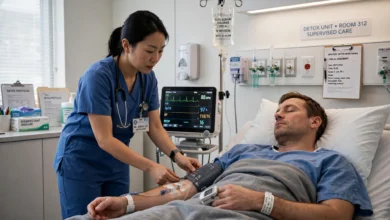
- Regular vital sign checks (often every few hours in the early days)
- Scheduled medications and symptom check-ins with nursing staff
- Meals, rest, and light activity as tolerated
- Brief counseling or group sessions once a person is stable enough to participate
- A gradual reduction in monitoring frequency as symptoms ease
It’s normal to feel physically wiped out during the first 48 to 72 hours. Sleep is often disrupted, appetite may be low, and mood swings are common. This is part of why having staff nearby matters. It’s not just about medical safety, it’s about having someone available when things feel harder than expected.
Supervised Detox vs. Detoxing at Home
It’s worth being direct about this: detoxing without supervision is genuinely risky for certain substances, and “risky” isn’t an exaggeration used to scare people into treatment. Alcohol and benzodiazepine withdrawal in particular can escalate quickly, and by the time warning signs appear, it may already be an emergency.
Home detox might seem more private or less expensive, but it comes with real trade-offs:
| Factor | Supervised Detox | Home Detox |
|---|---|---|
| Medical monitoring | Continuous | None |
| Medication for symptoms | Available | Usually unavailable |
| Risk of complications | Managed in real time | Unmanaged |
| Access to emergency care | Immediate | Delayed |
| Support during cravings | Staff present | Often alone |
This isn’t to say every single person needs a hospital-level program. Someone with a mild dependence and no history of complicated withdrawal might be a candidate for outpatient monitoring. But that determination should come from a medical assessment, not a guess.
Who Should Consider Supervised Detox?
Certain situations point pretty clearly toward needing a medically supervised detox program rather than attempting to quit alone:
- Heavy or long-term daily use of alcohol, opioids, or benzodiazepines
- A history of seizures or DTs during past withdrawal attempts
- Use of multiple substances at once
- Co-occurring medical conditions like heart disease, liver disease, or uncontrolled diabetes
- Pregnancy, where withdrawal can also affect the fetus
- Co-occurring mental health conditions such as severe depression or suicidal ideation
- Previous failed attempts to quit without medical support
If any of these apply, reaching out to a doctor or an addiction treatment provider before attempting to stop is a reasonable and, frankly, important precaution.
What Happens After Supervised Detox?
This is a point worth repeating because it gets missed often: detox is the beginning, not the finish line. Clearing a substance from the body doesn’t resolve the underlying patterns, triggers, or mental health factors driving the substance use. Without follow-up care, relapse rates after detox alone are high.
Most reputable programs will connect patients to one or more of the following after discharge:
- Inpatient or residential rehab for structured, longer-term treatment
- Intensive outpatient programs (IOP) that allow someone to live at home while attending regular treatment sessions
- Medication-assisted treatment (MAT), particularly for opioid use disorder
- Individual or group therapy to address the psychological side of addiction
- Support groups such as 12-step programs or SMART Recovery meetings
A program that offers detox but doesn’t talk about what comes next is missing half the picture.
Choosing a Supervised Detox Program
If you’re evaluating options for yourself or someone else, a few questions can help separate a solid program from one that’s cutting corners:
- Is there a physician or nurse on-site 24/7, not just on call?
- What medications does the facility use, and are they tailored to the specific substance involved?
- Does the facility screen for co-occurring mental health conditions?
- What does the transition plan into further treatment look like?
- Is the facility accredited or licensed by a recognized health authority?
A program that can answer these clearly, without vague reassurances, is generally a better sign than flashy marketing or promises of a fast, painless process. Detox is rarely painless, and any program claiming otherwise deserves a second look.
Final Thoughts
Supervised detox is the safest way to withdraw from substances that carry real physical risk, and it exists because unmanaged withdrawal from alcohol, benzodiazepines, and opioids can turn dangerous fast. The process typically moves through assessment, medically managed stabilization, and a transition into further treatment, with the level of care matched to how severe the dependence and expected withdrawal actually are.
It isn’t a cure for addiction on its own, but it is the stable ground that makes the rest of recovery possible. If you or someone you know is considering stopping substance use after a period of heavy or prolonged use, talking to a medical professional first, rather than attempting to quit alone, is the safer and more sustainable path forward.