CBD and Drug Detox: 7 Surprising Facts Science Reveals in 2026
CBD and drug detox: what current research actually shows about withdrawal, cravings, and safety, based on clinical studies and expert sources.
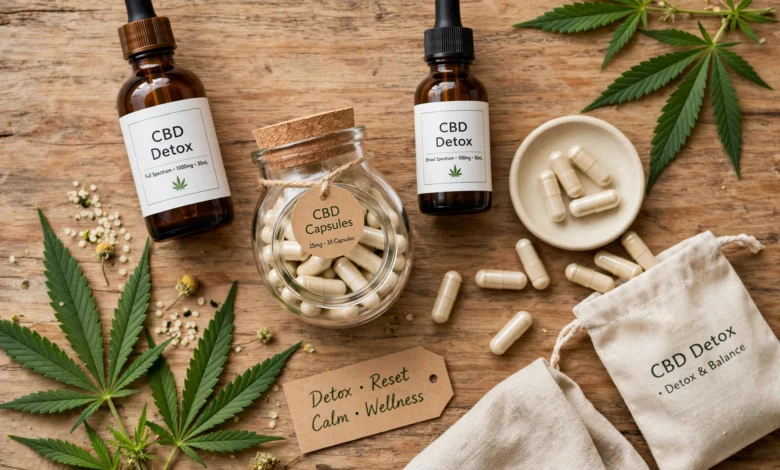
CBD has become one of the most talked-about substances in the wellness and recovery world, and a lot of people going through drug detox are wondering if it can actually help. Between anecdotal claims on social media and a growing number of CBD products marketed specifically for withdrawal and cravings, it’s easy to get confused about what’s real and what’s just good branding.
The honest answer is more nuanced than most product pages let on. CBD, short for cannabidiol, is a non-intoxicating compound found in the cannabis plant, and early research suggests it might help with some of the symptoms that make detox so difficult, like anxiety, poor sleep, and drug cravings. But “might help with symptoms” is a long way from “can treat addiction” or “will get you through withdrawal safely,” and the science right now sits somewhere in between promising and preliminary.
This article walks through what CBD actually is, what happens to the body during drug detox, and what clinical research has found so far about using CBD during that process. We’ll also cover the limits of the current evidence, the safety questions worth asking, and why talking to a doctor before combining CBD with a detox plan matters more than any influencer testimonial. If you or someone you care about is considering CBD as part of a recovery process, this is meant to give you a clear, grounded starting point rather than a sales pitch.
What Is Drug Detox and Why It’s So Difficult
Drug detox is the process of letting a substance clear out of the body after a period of regular use. It’s usually the first step in addiction treatment, and it’s often the hardest part, because the body has adapted to having the drug around and reacts when it’s suddenly removed.
Depending on the substance, withdrawal can involve:
- Anxiety, irritability, or agitation
- Insomnia or disrupted sleep
- Nausea, vomiting, or muscle aches
- Intense cravings for the drug
- In some cases (like alcohol or benzodiazepines), medically serious symptoms such as seizures
Because withdrawal can be physically and emotionally brutal, medical detox programs often use supervised care, sometimes paired with medications like buprenorphine or methadone for opioid withdrawal, to keep the process safe. This is also the backdrop against which CBD is being explored, not as a replacement for medical detox, but as a possible add-on that might ease certain symptoms along the way.
What Is CBD and How Does It Work in the Body
CBD (cannabidiol) is one of over a hundred compounds found in the cannabis plant, but unlike THC, it doesn’t produce a high. It interacts with the body’s endocannabinoid system, a network of receptors involved in regulating mood, sleep, pain, and stress response.
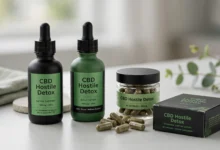

A few things are worth knowing about CBD before connecting it to detox:
- It’s available in oils, capsules, gummies, topicals, and vapes
- It’s legal at the federal level in the U.S. when derived from hemp with less than 0.3% THC, though state laws vary
- The FDA has approved one CBD-based drug, Epidiolex, for specific seizure disorders, but has not approved CBD for addiction or withdrawal treatment
- Product quality varies widely, since the CBD market is not tightly regulated
That last point matters a lot in the detox context. Someone trying to avoid drug use entirely doesn’t want to accidentally take a product that’s mislabeled and contains more THC than advertised.
Can CBD Help with Drug Detox? What the Research Says
This is the central question, and the research community has been actively studying it, particularly around opioid and cannabis use disorders. Here’s a breakdown of where the science currently stands.
CBD and Opioid Withdrawal
One of the more frequently cited studies, published in the American Journal of Psychiatry, found that CBD reduced drug cue-induced cravings and anxiety in people with a history of heroin use, without producing intoxicating effects or significant side effects. The effect lasted for several days after a single dose, which researchers found notable.
This doesn’t mean CBD eliminates opioid withdrawal. It means early findings suggest CBD may target some of the psychological drivers behind relapse, specifically craving and anxiety triggered by drug-related cues, which are a major reason people struggle to stay in recovery.
CBD and Cannabis Use Disorder
Interestingly, CBD has also been studied for helping people reduce or stop cannabis use itself. A study from University College London found that CBD reduced the number of days people used cannabis and lowered THC levels detected in urine samples, compared to placebo, in people trying to cut back.
This is a somewhat different use case than detoxing from opioids or stimulants, but it reinforces the idea that CBD’s effect on cravings isn’t limited to one drug class.
CBD, Anxiety, and Sleep During Withdrawal
Anxiety and insomnia are two of the most common and disruptive symptoms during any kind of drug detox, and this is where CBD has the most consistent (though still limited) supporting research. Multiple studies, including a widely cited 2019 case series published in The Permanente Journal, found that CBD improved sleep and lowered anxiety scores in the majority of participants over a few months of use.
Better sleep and lower anxiety during detox could indirectly support someone’s ability to stick with treatment, even if CBD isn’t directly acting on the addictive substance itself.
What About Stimulants and Alcohol?
Research on CBD for stimulant (cocaine, methamphetamine) or alcohol withdrawal is much thinner. A few small studies and animal models suggest CBD might reduce alcohol-related anxiety and liver inflammation, but there isn’t strong clinical evidence yet that CBD meaningfully eases stimulant or alcohol withdrawal symptoms in humans. This is an area where the science is still catching up to the marketing claims.
Potential Benefits of CBD During the Detox Process
Based on the research above, here’s a realistic summary of where CBD might offer support during detox, without overstating what’s proven:
- Reducing anxiety — Several studies point to CBD having a calming, anti-anxiety effect, which could help with the agitation common in early withdrawal.
- Improving sleep quality — Poor sleep is one of the most common detox complaints, and CBD has shown some promise here.
- Lowering drug cravings — Early opioid and cannabis studies suggest CBD may reduce cue-triggered cravings, a key relapse risk factor.
- Non-intoxicating support — Because CBD doesn’t produce a high, it doesn’t reinforce the reward-seeking behavior that other substances might.
- Anti-inflammatory and antioxidant properties — Some researchers believe these properties could support general recovery of the body, though this is less studied in a detox-specific context.
It’s worth repeating that none of this makes CBD a proven detox treatment. It’s a supplement that may ease certain symptoms, not a substitute for medically supervised withdrawal management.
What CBD Cannot Do
It’s just as important to be clear about the limits of the current evidence.
- CBD is not FDA-approved for addiction treatment or withdrawal management. The one FDA-approved CBD medication treats specific seizure disorders, not substance use disorders.
- CBD does not prevent the physical symptoms of withdrawal for most substances, such as the vomiting, muscle pain, or autonomic symptoms associated with opioid or alcohol withdrawal.
- CBD is not a substitute for medical detox, especially for substances where withdrawal can be dangerous, like alcohol and benzodiazepines, which can cause seizures without proper medical supervision.
- Research sample sizes are still small. Many of the most promising CBD and craving studies involved a few dozen participants, not the large-scale trials needed to establish CBD as a standard treatment.
According to the National Institute on Drug Abuse, effective treatment for substance use disorders typically combines behavioral therapy, medical supervision, and in many cases FDA-approved medications, and CBD is not currently part of that standard framework.
Is CBD Safe to Use During Detox?
Safety is a fair concern, especially for someone whose body is already under stress from withdrawal. CBD is generally considered to have a good safety profile, but there are a few things worth knowing.
Common Side Effects
- Fatigue or drowsiness
- Diarrhea or upset stomach
- Changes in appetite
- Dry mouth
These tend to be mild, but they can overlap with or worsen symptoms someone is already dealing with during detox.
Drug Interactions
CBD is processed by the liver through the same enzyme system (CYP450) that metabolizes many other medications, including some used in medical detox settings. This means CBD can raise or lower the levels of certain drugs in the bloodstream, which is a real concern for anyone taking medication-assisted treatment like buprenorphine or benzodiazepines under medical care.
Product Quality Concerns
Because the CBD industry isn’t tightly regulated, independent testing has repeatedly found that some products contain less CBD than labeled, or trace amounts of THC that weren’t disclosed. For someone in recovery who needs to avoid THC entirely, this is a genuine risk, not just a quality complaint. The National Center for Complementary and Integrative Health recommends looking for third-party lab testing (a Certificate of Analysis) before using any CBD product, particularly for anyone who needs to stay THC-free.
How People Use CBD During Recovery
People exploring CBD during detox or early recovery generally approach it as a complementary tool rather than a primary treatment. Common approaches include:
- Using CBD oil or capsules alongside therapy and, when applicable, medically supervised detox
- Choosing CBD isolate products (which contain no THC) over full-spectrum products to avoid any trace THC
- Starting with low doses and tracking how the body responds, ideally with a doctor’s input
- Using CBD specifically to target sleep or anxiety symptoms rather than expecting it to reduce the underlying drug dependence
This article isn’t the place for specific dosing recommendations, especially since the right approach depends heavily on the substance someone is detoxing from, their overall health, and any other medications or treatment they’re receiving. That’s a conversation for a doctor or addiction treatment provider, not a blog post.
Talking to a Doctor Before Trying CBD
If you’re considering CBD as part of a drug detox process, the most important step is talking to a healthcare provider first, ideally one involved in your treatment. A few reasons this matters:
- They can check for interactions with any medication-assisted treatment you’re using
- They can help you find a reputable, third-party tested CBD product
- They can help set realistic expectations about what CBD can and can’t do
- If withdrawal symptoms are severe (which is common with alcohol, benzodiazepines, and opioids), medical supervision is what actually keeps the process safe, not CBD
Addiction treatment centers and detox facilities increasingly ask about CBD use during intake, so it’s worth being upfront about it rather than treating it as a minor detail.
Frequently Asked Questions
Does CBD help with opioid withdrawal specifically? Early clinical research suggests CBD may reduce cravings and anxiety linked to opioid use, but it hasn’t been shown to eliminate the physical symptoms of opioid withdrawal, and it isn’t an approved treatment for opioid use disorder.
Will CBD show up on a drug test? Pure CBD isolate typically won’t trigger a positive THC test, but full-spectrum CBD products can contain trace THC that may show up, especially with frequent use. Choosing isolate products and checking lab reports reduces this risk.
Is CBD addictive? Current research indicates CBD itself does not appear to be addictive or produce the kind of reward response associated with substance dependence.
Can CBD replace medication-assisted treatment? No. CBD has not been shown to replace treatments like buprenorphine, methadone, or naltrexone for opioid use disorder, and it shouldn’t be used as a substitute without medical guidance.
Conclusion
CBD is not a proven or approved treatment for drug detox, but the research so far suggests it may offer some real support for specific symptoms, particularly anxiety, sleep disruption, and drug cravings tied to certain substances like opioids and cannabis. The evidence is still early, the studies are relatively small, and CBD product quality varies enough that it’s not something to try without doing some homework first.
If you’re going through detox or supporting someone who is, the safest path is to treat CBD as a possible complement to medical care, not a replacement for it, and to loop in a doctor or treatment provider before adding it to the process.