CBD for Alcohol Withdrawal: Research and Recommendations
CBD for alcohol withdrawal: what current research actually shows, safety concerns, and honest recommendations before you try it.
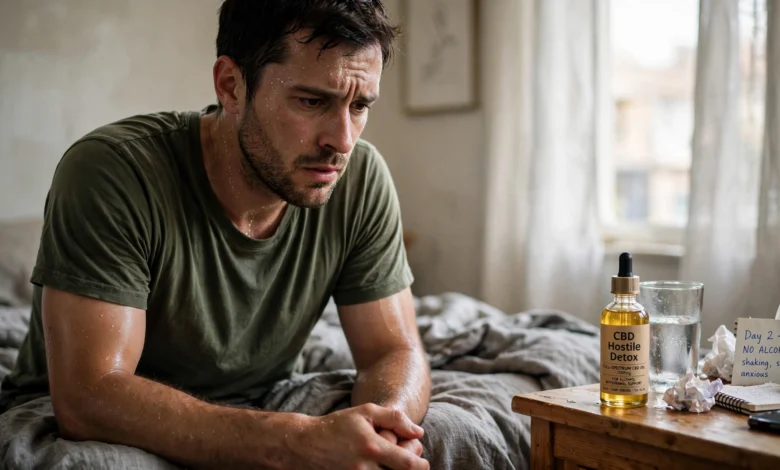
CBD for alcohol withdrawal has become one of the most searched wellness topics among people trying to cut back on drinking or quit altogether. If you’ve spent any time in recovery forums or scrolling through wellness blogs, you’ve probably seen claims that CBD can calm withdrawal symptoms, ease anxiety, or even reduce cravings. Some of that is grounded in real science. A lot of it is marketing getting ahead of the evidence.
Alcohol withdrawal is not a mild inconvenience for everyone. For people who drink heavily or for long periods, stopping suddenly can trigger symptoms ranging from tremors and nausea to seizures and, in severe cases, delirium tremens, which can be fatal without medical care. That’s the backdrop against which any conversation about CBD needs to happen.
This article looks at what researchers have actually found when studying CBD and alcohol withdrawal, how CBD is thought to interact with the body’s stress and reward systems, where the evidence is thin, and what a realistic, safety-first approach looks like if you’re considering it. We’ll also cover dosing considerations, product quality issues, and the specific situations where CBD should not replace medical supervision. The goal isn’t to sell you on CBD or talk you out of it, but to give you a clear picture so you can make an informed decision with your doctor.
What Is Alcohol Withdrawal, Exactly?
Before getting into CBD, it helps to understand what’s actually happening in the body during withdrawal.
When someone drinks heavily over time, the brain adjusts to the constant presence of alcohol by dialing down its own calming (GABA) activity and ramping up excitatory (glutamate) signaling to compensate. Once alcohol is removed, that balance flips. The brain is left in an overexcited state, and that’s what produces the classic withdrawal symptoms:
- Anxiety and restlessness
- Sweating and rapid heartbeat
- Hand tremors
- Insomnia and disturbed sleep
- Nausea or vomiting
- In more severe cases, hallucinations, seizures, or delirium tremens
Symptoms typically start within 6 to 24 hours after the last drink and can peak around 24 to 72 hours. Mild cases may resolve within a week, but people with a history of heavy, prolonged drinking are at higher risk for severe complications. This is why medical guidelines from organizations like the National Institute on Alcohol Abuse and Alcoholism recommend medically supervised detox for anyone with moderate to severe dependence.
What Is CBD and Why Are People Considering It?
CBD, or cannabidiol, is a compound found in the cannabis plant. Unlike THC, it doesn’t produce a high, and it’s legal at the federal level in the U.S. when derived from hemp containing less than 0.3% THC. CBD has gained attention for its potential effects on anxiety, sleep, pain, and inflammation, which overlap heavily with the symptoms people experience during alcohol withdrawal.

This overlap is exactly why CBD for alcohol withdrawal has become a topic of interest. If CBD can genuinely calm anxiety and improve sleep without the addictive potential of benzodiazepines, it could theoretically offer a gentler support option. The question is whether the research backs that up.
The Current Research on CBD and Alcohol Withdrawal
Animal Studies Show Promise, But They’re Not the Full Picture
Most of what we know about CBD and alcohol withdrawal comes from animal research. Studies on rodents have found that CBD may reduce alcohol-seeking behavior, lower anxiety-like symptoms during withdrawal, and protect against some of the neurotoxic effects of chronic alcohol exposure. Researchers have also observed that CBD appears to reduce inflammation in liver tissue damaged by heavy alcohol use in animal models.
These findings are genuinely interesting from a mechanistic standpoint, but animal studies don’t always translate directly to humans. Dosing, metabolism, and the complexity of human withdrawal syndromes are all different enough that results need to be interpreted with caution.
Human Trials Are Limited and Preliminary
Human research is much sparser. A small number of clinical trials have looked at CBD in the context of substance use disorders more broadly, with some early work specifically examining alcohol use disorder. Results have suggested CBD might help reduce anxiety and cravings in some participants, but sample sizes have been small, and most trials weren’t designed to test CBD specifically for acute withdrawal symptoms like tremors or seizure risk.
For a broader look at the state of cannabinoid research in substance use treatment, resources like the National Center for Biotechnology Information host peer-reviewed studies that outline both the promise and the significant gaps in this research. If you look up specific studies yourself, it’s worth checking publication dates and sample sizes carefully, since this is a fast-moving area of research.
What Researchers Actually Agree On
Pulling the honest thread through all of this:
- CBD is not currently approved or recommended as a treatment for acute alcohol withdrawal syndrome.
- Early evidence suggests possible benefits for anxiety and stress related to withdrawal, not for the dangerous physical symptoms like seizures.
- There is no established, medically validated dosing protocol for CBD alcohol withdrawal support.
- Most experts describe CBD’s role here as “potentially supportive” rather than “treatment,” pending larger human trials.
How CBD Might Help With Withdrawal Symptoms (In Theory)
Understanding the proposed mechanisms helps explain why interest in CBD for alcohol withdrawal exists in the first place.
Anxiety and Stress Regulation
CBD interacts with the endocannabinoid system, particularly CB1 and CB2 receptors, as well as serotonin receptors involved in mood regulation. Since anxiety is one of the most common and distressing withdrawal symptoms, this is where CBD’s potential is most discussed.
Sleep Support
Withdrawal often disrupts sleep significantly. Some research suggests CBD may help regulate sleep cycles, though results are mixed and heavily dose-dependent. Poor sleep during withdrawal can worsen anxiety and irritability, so any genuine sleep benefit could have a compounding positive effect.
Reducing Cravings and Relapse Risk
A few small studies have examined whether CBD can reduce the cue-induced cravings that often trigger relapse. Early results are mixed but interesting enough that this remains an active area of research.
Anti-Inflammatory and Neuroprotective Effects
Chronic alcohol use causes inflammation throughout the body, including the brain and liver. Some preclinical research suggests CBD’s anti-inflammatory properties might offer some protective benefit, though this is far from confirmed in humans undergoing withdrawal.
Safety Considerations Before Trying CBD During Withdrawal
This is the section that matters most, so read it carefully.
Alcohol Withdrawal Can Be Medically Dangerous
Severe alcohol withdrawal, especially delirium tremens, is a medical emergency. Seizures can occur without warning in people with significant dependence. CBD has no established ability to prevent or treat these complications. If you or someone you know has a history of heavy, long-term drinking, medical supervision (often involving benzodiazepines under a doctor’s care) is the standard and safest approach.
CBD Can Interact With Medications
CBD is metabolized by the liver’s cytochrome P450 enzyme system, the same pathway used by many common medications, including some benzodiazepines, antidepressants, and blood thinners. This means CBD can raise or lower the effective levels of other drugs in your system. Anyone taking prescription medication during withdrawal should talk to a doctor before adding CBD.
Product Quality Varies Widely
The CBD market is not tightly regulated in most places. Independent testing has repeatedly found that many CBD products contain different amounts of CBD than what’s on the label, and some contain trace THC or contaminants. If you do decide to try CBD, look for:
- Third-party lab testing (Certificate of Analysis available)
- Clear CBD content per serving
- No exaggerated medical claims on the packaging
- Manufacturing transparency
There’s No Standard Dose for This Use Case
Because clinical research on CBD for alcohol withdrawal is still preliminary, there is no medically established dosage for this specific purpose. Doses used in unrelated clinical trials for other conditions vary enormously, from a few milligrams to several hundred, depending on the condition being studied. This is a conversation to have with a doctor rather than something to self-determine based on product packaging.
What a Realistic, Safety-First Approach Looks Like
If you’re considering CBD as part of managing alcohol withdrawal, here’s a grounded way to think about it:
- Talk to a healthcare provider first, especially if you drink heavily or have withdrawn before. They can assess your risk level and whether medical detox is necessary.
- Don’t use CBD as a substitute for medical detox if you have moderate to severe dependence. This is where the real danger lies.
- Consider CBD as a possible adjunct, not a primary treatment, for milder anxiety or sleep disruption, and only with medical input.
- Choose third-party tested products if you and your doctor decide to try it.
- Track your symptoms honestly. If tremors, confusion, or any severe symptoms appear, seek emergency care immediately rather than waiting to see if CBD helps.
CBD Versus Standard Medical Treatment for Withdrawal
It’s worth being direct about this comparison. Benzodiazepines like diazepam or lorazepam remain the gold standard for managing moderate to severe alcohol withdrawal because they directly address the GABA imbalance causing the most dangerous symptoms, including seizure risk. CBD has not been shown to do this.
Where CBD may have a role is in the softer, longer-tail symptoms, anxiety, restlessness, and sleep difficulty, particularly in milder cases or during the later stages of recovery, always alongside proper medical guidance rather than in place of it.
When to Seek Immediate Medical Help
Certain symptoms during withdrawal should never be managed with CBD alone or wait-and-see approaches. Seek emergency medical care if you or someone else experiences:
- Seizures of any kind
- Severe confusion, hallucinations, or disorientation
- Very high fever
- Rapid heart rate combined with chest pain
- Signs of severe dehydration
These are signs of potentially life-threatening complications that require professional treatment, not supplements.
Final Thoughts on CBD and Alcohol Withdrawal
The interest in CBD for alcohol withdrawal makes sense given the overlap between CBD’s proposed effects and common withdrawal symptoms like anxiety and poor sleep. But the current research, while promising in some animal and preliminary human studies, doesn’t support CBD as a standalone or primary treatment, especially for anyone at risk of severe withdrawal.
If you’re going through alcohol withdrawal or supporting someone who is, the safest path is medical evaluation first, honest conversations with a healthcare provider about any supplement use, and a clear understanding that CBD, if used at all, belongs in a supporting role rather than the driver’s seat.