What to Bring to a Supervised Detox Facility
Supervised detox facility packing made simple: the exact documents, clothing, and comfort items to bring for a safe, stress-free admission.
Walking into a supervised detox facility for the first time is hard enough without wondering if you packed the wrong things. Most people preparing for medical detox have the same worry: what if I bring something that gets confiscated, or forget something I actually need during withdrawal? The good news is that packing for a detox center doesn’t have to be complicated once you know what staff actually expect to see at intake.
This guide walks through exactly what to bring to a supervised detox program, from identification and insurance paperwork to clothing, toiletries, and the small comfort items that make the first few days easier. It also covers what’s typically restricted, so you’re not caught off guard when a staff member sets something aside during your bag check. Every detox facility has slightly different rules, so nothing here replaces a call to your specific center’s admissions team. But if you want a realistic, practical starting point before that call, this is it.
Whether you’re checking yourself in or helping a loved one get ready, a little preparation goes a long way toward reducing the anxiety of admission day. Let’s get into what actually belongs in your bag.
What Is a Supervised Detox Facility?
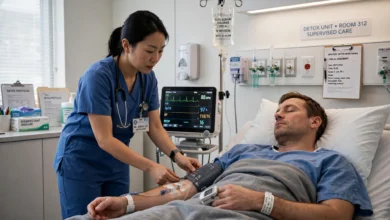
A supervised detox facility is a licensed treatment setting where medical staff monitor a person through withdrawal from drugs or alcohol. Nurses and physicians track vital signs, manage symptoms, and administer medications when needed to keep the process as safe and comfortable as possible. Depending on the substance and severity of use, detox can last anywhere from a few days to over a week.
This kind of medical oversight matters most with alcohol and benzodiazepine withdrawal, both of which can carry serious health risks, including seizures, without proper supervision. That’s part of why these programs run structured intake procedures and have clear rules about what patients can and can’t bring in. If you want a broader overview of how withdrawal management works clinically, the National Institute on Drug Abuse has helpful background on treatment approaches.
Why Packing the Right Items Matters
Bringing the right things to a supervised detox facility isn’t just about comfort, though comfort matters too. It’s about making your intake go faster and avoiding unnecessary stress on a day that’s already emotionally heavy. Staff have to check every item you bring for safety reasons, and packing thoughtfully means:
- Fewer items get flagged, stored, or sent home with a family member
- You’re not left without essentials like your ID or medication list
- You have a few personal touches that make the space feel less clinical
- Your first hours are focused on getting settled, not repacking your bag
Most people find that a simple, well-organized bag beats an overpacked suitcase. You genuinely don’t need much for the days you’ll spend in detox.


Essential Documents to Bring to a Supervised Detox Facility
Paperwork is the single most important category, and it’s the one people forget most often in the rush to leave the house. Before anything else, gather these:
Identification and Insurance
- Government-issued photo ID (driver’s license, passport, or state ID)
- Insurance card, front and back copies if possible
- Any pre-authorization or referral paperwork your insurance provider gave you
Medical Information
- A written list of current medications, including dosages and prescribing doctors
- Names and phone numbers of your pharmacy and primary care physician
- A brief written history of past withdrawal episodes, if this isn’t your first time
- Contact information for a therapist or psychiatrist, if you’re currently in care
Emergency Contacts
- A small card or note with two or three phone numbers you might need, since your phone may not be accessible at all times
- Emergency contact details for the facility’s own intake forms
Having this information organized in one folder or envelope saves time and reduces the number of questions you’ll need to answer from memory, which is genuinely harder to do while you’re already feeling unwell.
Clothing and Personal Comfort Items
Pack for about five to seven days, even if you expect a shorter stay. Laundry access varies by facility, so it’s better to have a few extra changes of clothes than to run out.
What to Pack
- Comfortable, loose-fitting clothing (sweatpants, t-shirts, layers)
- Pajamas or sleepwear
- Underwear and socks for the full stay
- A warm layer, like a hoodie or light jacket, since detox units run cold for some patients
- Closed-toe, slip-on shoes or slippers with a rubber sole
- Flip-flops for showers, if allowed
A Few Packing Notes
- Skip anything with drawstrings, belts, or underwire, since many facilities remove these for safety
- Leave revealing or overly casual clothing at home; group spaces call for modest, practical outfits
- Avoid clothing with drug or alcohol references, or graphic content
Comfort matters more than style here. Withdrawal symptoms can include chills, sweating, and general body discomfort, so soft, breathable fabrics in layers tend to work best.
Toiletries and Hygiene Products Allowed in Detox
Most detox centers allow standard hygiene products, but almost all of them restrict anything containing alcohol, since it can be misused or simply isn’t permitted in a substance-free environment.
Generally Allowed
- Shampoo, conditioner, and body wash (alcohol-free)
- Toothbrush and toothpaste
- Deodorant, stick or roll-on rather than aerosol
- A hairbrush or comb
- Feminine hygiene products
- Lotion and lip balm
Usually Restricted
- Mouthwash or hair products containing alcohol
- Aerosol sprays of any kind
- Nail polish remover, due to acetone content
- Razors, which some facilities hold and dispense under supervision
- Glass containers of any kind
Bringing travel-sized bottles in original, sealed packaging speeds up the check-in process. Staff need to confirm ingredients and seals before anything goes into your room.
Medications: What to Bring and How to Prepare
This is where a supervised detox facility is strictest, and for good reason. The entire point of medical supervision is to manage what enters your system safely.
- Bring all prescription medications in their original, labeled pharmacy bottles
- Do not bring loose pills, unlabeled containers, or someone else’s medication
- Over-the-counter medications, vitamins, and supplements are typically handled by the medical team rather than brought from home
- Medical devices like inhalers, glucose meters, EpiPens, or CPAP machines should come with you, along with instructions for use
Expect the clinical team to review every medication during intake and decide what continues, what’s adjusted, and what’s paused during your stay. This isn’t a judgment on you; it’s a standard safety step to prevent dangerous interactions. If you have questions about how medication-assisted treatment fits into detox, the Substance Abuse and Mental Health Services Administration is a solid resource for general guidance and can also connect you with local support.
Comfort Items That Support Recovery
Once the essentials are covered, a few personal touches can make a real difference in how the first days feel. Most detox facilities allow a small amount of personal items as long as they’re screened at intake.
- A journal and pen for tracking symptoms, thoughts, or just passing time
- A few photos of family, pets, or anything grounding
- A paperback book or two (hardcovers and library books are sometimes restricted)
- Eyeglasses, contact lens supplies, or hearing aids
- A small, unbreakable water bottle
- Stamps and envelopes if you’d like to write letters
Skip anything expensive, sentimental in a way you couldn’t bear to lose, or anything with cords, glass, or sharp edges. Facilities generally aren’t equipped to safeguard valuables long-term, and losing something meaningful adds stress you don’t need right now.
Items You Should Leave at Home
Every supervised detox facility maintains a list of prohibited items to keep the environment safe for everyone. While exact rules vary, these are almost universally restricted:
- Alcohol, drugs, or any paraphernalia
- Weapons of any kind, including pocket knives or pepper spray
- Products containing alcohol (mouthwash, some hairsprays, colognes)
- Aerosol cans
- Vapes, e-cigarettes, or tobacco products, unless the facility has a specific policy allowing them
- Cash or expensive jewelry
- Electronics beyond what the facility explicitly permits
- Revealing clothing or anything referencing substance use
- Outside food or drinks
- Unlabeled medications or supplements
If you accidentally bring something restricted, most admissions teams will simply store it securely or send it home with whoever dropped you off. It’s not a major setback, just something to be aware of so it doesn’t slow down your check-in.
What Happens During Intake
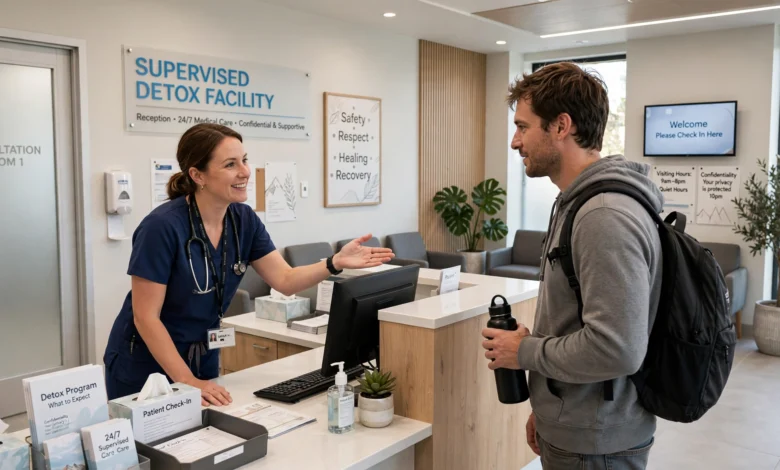
Understanding the intake process ahead of time can ease some of the uncertainty around packing. When you arrive at a supervised detox facility, expect:
- A bag check where staff review every item against facility policy
- A medical evaluation covering your substance use history, current symptoms, and vital signs
- A review of your medication list with the nursing or medical team
- Verification of your ID and insurance information
- An orientation covering house rules, schedules, and phone or visitor policies
This process can take anywhere from thirty minutes to a couple of hours, depending on the facility and how complex your medical history is. Bringing organized documentation, as covered earlier, is the single biggest thing you can do to speed this up.
Tips for a Smooth Admission Day
A few small habits make admission day noticeably easier:
- Call ahead. Every facility’s packing rules differ slightly, and a quick call to admissions confirms exactly what’s allowed before you leave home.
- Pack light. A single bag or small suitcase is usually enough; you won’t need a full wardrobe.
- Label everything. If your name is on your bottles and bags, mix-ups are less likely.
- Bring a support person if allowed. Having someone with you for the drive and check-in can ease nerves, even if they can’t stay for the full process.
- Keep your documents together. One folder with ID, insurance, and medication information avoids digging through bags mid-intake.
None of this needs to be perfect. Staff are used to helping people adjust their bags on the spot, and the goal is simply to make your arrival as smooth as it can be.
Conclusion
Packing for a supervised detox facility comes down to a short list of essentials: identification and insurance paperwork, a written medication list, comfortable clothing for about a week, alcohol-free toiletries, prescription medications in their original containers, and a few grounding comfort items like a journal or family photos.
Leave weapons, substances, alcohol-based products, and valuables at home, and call the facility ahead of time to confirm their specific rules, since policies vary from center to center. Preparing this way won’t remove every bit of nervousness that comes with checking into detox, but it does remove a lot of the unnecessary friction, so you can focus on the part that actually matters: getting safe, medically supervised care during withdrawal.