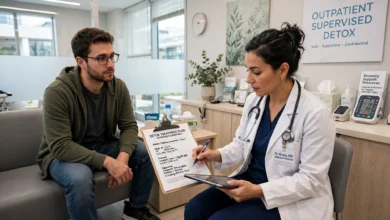
Supervised Detox Programs in America: Top Options
Supervised detox programs in America offer medical oversight, safety, and structure for the first step toward lasting recovery.
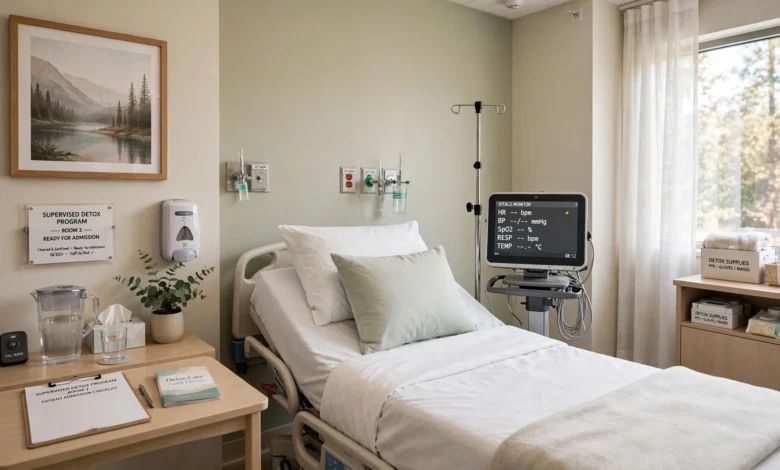
Supervised detox programs are often the first real step someone takes toward getting sober, and for good reason. Withdrawal from alcohol, opioids, benzodiazepines, or other substances can be unpredictable, and in some cases genuinely dangerous. A supervised detox program puts trained medical staff between you and the worst of that process, managing symptoms, watching vital signs, and stepping in if something goes wrong. Across the country, there are dozens of well-regarded facilities and program types built around this exact idea: getting the substance out of your system as safely as possible before the harder work of recovery begins.
If you’ve started researching detox for yourself or a loved one, you’ve probably noticed the sheer number of options out there. Inpatient hospitals, residential treatment centers, outpatient clinics, and even home-based nursing services all offer some version of supervised withdrawal management. The right choice depends on the substance involved, how long and how heavily it’s been used, any co-occurring health or mental health conditions, and honestly, what a person can realistically commit to and afford.
This article walks through what supervised detox actually involves, why it matters more than people often assume, and which types of programs tend to be the strongest options in the U.S. right now. Whether you’re weighing inpatient versus outpatient care or just trying to understand what the first 72 hours of detox look like, you’ll find a clear, practical breakdown here rather than vague reassurances.
What Is a Supervised Detox Program?
A supervised detox program is a structured process where a person stops using drugs or alcohol under the care of medical or clinical professionals, rather than trying to quit alone. The “supervision” part is what separates it from cold-turkey withdrawal at home. Depending on the setting, that might mean:
- Round-the-clock nursing and physician care in a hospital or residential facility
- Daily or several-times-a-week check-ins at an outpatient clinic
- Medication management to ease withdrawal symptoms and cravings
- Monitoring for complications like seizures, dehydration, or cardiac issues
- Emotional and psychological support during a physically and mentally taxing time
Supervised detox is not the same thing as full addiction treatment. It’s the stabilization phase, the part where the body clears the substance and regains some equilibrium. Most reputable programs treat detox as step one, with a plan to move into counseling, therapy, or a longer-term rehab program right after.
Why Supervised Detox Matters
People sometimes assume they can just white-knuckle their way through withdrawal at home. For some substances and light use patterns, that might be uncomfortable but survivable. For others, it’s genuinely risky.
Alcohol and benzodiazepine withdrawal, in particular, can cause seizures, hallucinations, and a dangerous condition called delirium tremens (DTs), which carries a real risk of death if untreated. Opioid withdrawal is rarely fatal on its own, but it’s miserable enough that most people relapse just to make it stop, sometimes at a lower tolerance than before, which raises overdose risk. This is one of the main reasons medically supervised detox exists: it’s not about comfort alone, it’s about survival and reducing the chance of relapse during the most vulnerable window.


According to the Substance Abuse and Mental Health Services Administration, millions of Americans deal with substance use disorders each year, and safe, professional withdrawal management is consistently identified as a critical first touchpoint for getting people into longer-term care.
Types of Supervised Detox Programs in America
Not all detox looks the same. Here’s a breakdown of the main formats you’ll come across when researching supervised detox programs.
Inpatient Medical Detox
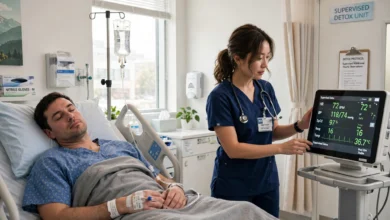
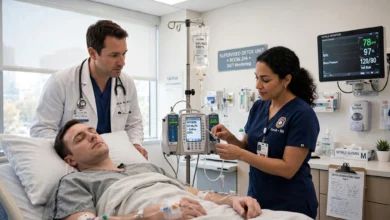
This is the highest level of supervision available. Inpatient medical detox typically happens in a hospital or a licensed residential facility with 24-hour nursing staff and on-call physicians. It’s usually recommended for:
- Heavy, long-term alcohol or benzodiazepine use
- Polysubstance use (multiple drugs at once)
- Anyone with a history of severe withdrawal, seizures, or DTs
- People with co-occurring medical conditions like heart disease or diabetes
Inpatient detox typically lasts between 3 and 10 days, though this varies by substance and individual response.
Residential (Non-Hospital) Detox
Residential detox centers offer a step down from a full hospital setting but still provide continuous supervision. Patients stay on-site, and nurses or trained clinicians monitor vitals and manage medications, but the environment feels less clinical and more like a treatment facility. Many rehab centers combine detox with the start of therapy so patients transition smoothly into the next phase without changing locations.
Outpatient Supervised Detox
For people with milder dependence, stable home environments, and no major medical risk factors, outpatient detox programs allow patients to detox while living at home. They check in daily (or several times a week) with a clinic for medication, monitoring, and support. This option is far less disruptive to work and family life, but it requires a good support system and honestly, a fair amount of self-discipline, since there’s no facility keeping a person from using outside of appointments.
Home-Based Supervised Detox
A newer but growing option involves visiting nurses or telehealth-supported detox at home. A medical professional visits regularly or checks in virtually, adjusts medications remotely, and coordinates with a physician. This tends to work best for lower-risk withdrawal from substances like mild opioid dependence, and it’s grown in popularity as more people seek privacy and flexibility.
Social Detox
Social detox programs are non-medical settings, often community-based, that provide a safe, substance-free place to withdraw with peer and staff support but without heavy medical intervention. These are typically appropriate only for lower-risk substances and are not recommended for alcohol or benzodiazepine withdrawal, where medical complications are more likely.
Top Supervised Detox Program Options in the U.S.
Below are seven of the strongest categories of supervised detox programs currently available across the country. Rather than naming specific companies (which change and vary by state), this breaks down the program models most consistently recommended by addiction medicine professionals.
- Hospital-Based Medical Detox Units — Found in most major metro areas, these units are attached to hospitals and handle the highest-acuity withdrawal cases, including polysubstance and high-risk alcohol withdrawal.
- Licensed Residential Detox Centers — Standalone facilities accredited by organizations like the Joint Commission or CARF, offering 24/7 nursing care in a more comfortable, less clinical setting than a hospital.
- Dual-Diagnosis Detox Programs — Facilities equipped to treat substance withdrawal alongside co-occurring mental health conditions like depression, anxiety, or PTSD, which is common and often overlooked.
- Medication-Assisted Treatment (MAT) Detox Clinics — Specialized in opioid withdrawal using medications like buprenorphine or methadone under physician supervision, often paired with counseling from day one.
- Outpatient Ambulatory Detox Clinics — Ideal for lower-risk cases, these allow patients to maintain jobs and family responsibilities while still receiving daily medical check-ins.
- Telehealth-Supported Home Detox Services — A growing model pairing at-home nursing visits with virtual physician oversight, suited for motivated patients with stable, safe living environments.
- Faith-Based or Holistic Supervised Detox Centers — Programs that combine medical supervision with spiritual or holistic elements like nutrition therapy, acupuncture, or mindfulness practices, appealing to people who want a broader approach to healing.
The National Institute on Drug Abuse notes that no single treatment approach works for everyone, which is exactly why this range of options exists. Finding the right fit matters more than finding the “best” program on paper.
What to Expect During Detox
Every supervised detox program follows a similar general arc, even if the setting differs.
Intake and Assessment
Before anything else, staff will run a full medical and substance-use history. This usually includes bloodwork, a physical exam, and questions about how much and how often you’ve been using. This step determines your withdrawal risk level and the right medication protocol.
Stabilization
This is the core of detox. Medical staff manage symptoms as they appear, using medications when appropriate to ease discomfort and prevent complications. Depending on the substance:
- Alcohol detox often uses benzodiazepines short-term to prevent seizures.
- Opioid detox may use buprenorphine, methadone, or clonidine to ease cravings and physical symptoms.
- Benzodiazepine detox requires a slow, tapered approach rather than abrupt cessation, since stopping suddenly can be dangerous.
Monitoring
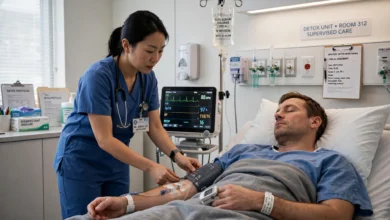
Vital signs, hydration, and mental status get checked regularly, sometimes hourly in the first day or two, tapering off as the person stabilizes.
Transition Planning
Good programs don’t just discharge someone once withdrawal symptoms fade. They help set up next steps, whether that’s inpatient rehab, an intensive outpatient program (IOP), individual therapy, or a support group like AA or SMART Recovery.
How to Choose the Right Program
Picking between all these supervised detox programs can feel overwhelming, so it helps to narrow it down with a few practical questions.
- What substance is involved, and how severe is the dependence? Heavy alcohol or benzo use generally requires inpatient care; milder opioid or stimulant dependence may be manageable outpatient.
- Are there other medical or mental health conditions? Dual-diagnosis care matters if depression, anxiety, or a chronic illness is part of the picture.
- What’s the living situation like? Outpatient and home-based detox only work well in a stable, low-stress, substance-free environment.
- What does insurance cover? Coverage varies widely between inpatient and outpatient detox, so it’s worth confirming benefits before committing to a facility.
- Is there a plan after detox? A program that only handles withdrawal without connecting patients to follow-up care is missing the most important part of recovery.
Cost and Insurance Considerations
Detox costs vary enormously depending on setting and length of stay. A few general patterns to keep in mind:
- Inpatient medical detox tends to be the most expensive option, given round-the-clock staffing and hospital-level resources.
- Outpatient detox is generally the most affordable, since there’s no overnight facility cost.
- Many insurance plans, including Medicaid in most states, cover at least a portion of detox services, particularly when deemed medically necessary.
- Sliding-scale and state-funded programs exist for people without insurance, though availability and wait times vary by state.
It’s worth calling ahead to any facility and asking directly what they accept and what out-of-pocket costs typically look like, since pricing structures are rarely straightforward or fully public.
Life After Detox: Next Steps
Detox alone doesn’t treat addiction. It treats the physical dependence. The psychological and behavioral work, understanding triggers, rebuilding routines, repairing relationships, comes after. Most people who complete a supervised detox program move into one of the following:
- Residential (inpatient) rehab — typically 30 to 90 days of structured treatment and therapy
- Intensive outpatient programs (IOP) — several hours of treatment a few days a week while living at home
- Standard outpatient counseling — weekly therapy sessions, often long-term
- Sober living homes — transitional housing with structure and accountability
- Support groups — peer-led communities like AA, NA, or SMART Recovery
Skipping this next step is one of the most common reasons people relapse shortly after detox. The body might be clear of the substance, but the underlying reasons someone started using in the first place are still there unless they’re addressed directly.
Conclusion
Supervised detox programs give people a genuinely safer, more manageable way to get through withdrawal, whether that means round-the-clock hospital care for a severe alcohol dependence or a flexible outpatient clinic for someone managing a milder opioid habit.
The right option depends on the substance involved, any underlying health conditions, and what kind of support system is available at home, but the common thread across every good program is the same: medical oversight during the hardest physical stretch of early recovery, followed by a real plan for what comes next. Detox is rarely the finish line, but choosing a program that takes it seriously, and treats it as the beginning of a longer recovery process, makes a real difference in what happens afterward.