10 Dangerous Detox Myths That Could Kill You
Detox myths can be deadly. Here are 10 dangerous misconceptions about detoxing from drugs or alcohol and what actually happens.

Detox myths circulate everywhere, from social media wellness accounts to well-meaning friends who swear by a home remedy that “worked for someone they know.” The problem is that detox isn’t a wellness trend. For certain substances, particularly alcohol and benzodiazepines, withdrawal can cause seizures, cardiac events, and death if it’s not managed correctly. Believing the wrong thing at the wrong moment can turn a difficult process into a fatal one.
This matters because detox misinformation doesn’t just waste time, it actively puts people at risk. Someone who thinks they can safely “sweat it out” or quit cold turkey without medical support may be walking into a situation their body simply isn’t equipped to handle. Emergency rooms see the consequences of these myths regularly, and many of those cases were preventable with accurate information.
This article breaks down ten of the most common and dangerous myths about detoxing from drugs or alcohol, explains why each one is false, and lays out what medically supervised detox actually looks like. Whether you’re considering detox for yourself or trying to help someone else, understanding the real risks is the first step toward doing it safely. None of this is a substitute for medical advice, but it should help you ask the right questions before making a decision that affects your health or someone else’s.
Why Detox Myths Are So Widespread
Part of the reason dangerous detox myths spread so easily is that withdrawal looks different depending on the substance, the person, and how long the substance was used. What worked, or seemed to work, for one person can be genuinely life-threatening for another. Add in the shame and secrecy that often surround addiction, and a lot of people end up turning to unverified information rather than a doctor, simply because they’re afraid to ask.
Social media hasn’t helped. Quick videos promising a “3-day detox cleanse” or a home remedy for withdrawal symptoms get millions of views, but they rarely mention the actual medical risks involved. According to the National Institute on Drug Abuse (NIDA), withdrawal from certain substances requires medical supervision precisely because the body’s dependence has altered how it functions physiologically, not just psychologically.
Myth 1: Quitting Cold Turkey Is Always the Fastest Way to Get Clean
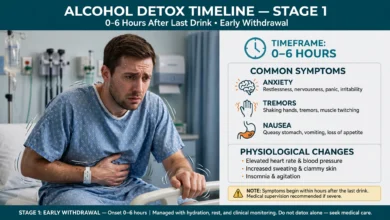
This is one of the most persistent and most dangerous myths out there. For substances like alcohol and benzodiazepines, stopping cold turkey without medical supervision can trigger seizures, hallucinations, and a condition called delirium tremens, which has a real risk of death if untreated.
The truth is that speed isn’t the goal, safety is. A medically supervised taper or detox protocol takes withdrawal symptoms into account and adjusts as needed, which is something a person can’t safely do on their own at home.


Myth 2: Sweating It Out Removes Toxins from the Body
Saunas, hot yoga, and sweat-heavy workouts are often marketed as ways to “detox” the body. While sweating does release small amounts of certain substances, it’s nowhere near enough to meaningfully affect withdrawal, and pushing the body through intense heat while it’s already under the stress of withdrawal can be dangerous.
The organs actually responsible for clearing substances from the body are the liver and kidneys, not the skin. Overexerting the body during withdrawal, when heart rate and blood pressure may already be unstable, adds unnecessary risk rather than helping.
Myth 3: Drinking Excessive Water Speeds Up Detox
This myth sounds harmless, but it isn’t. Drinking large amounts of water in a short period, sometimes called water loading, can lead to a dangerous condition called hyponatremia, where sodium levels in the blood drop too low. Symptoms range from confusion and nausea to seizures in severe cases.
Staying hydrated is genuinely important during detox and withdrawal, but there’s a meaningful difference between reasonable hydration and forcing down excessive amounts of water in hopes of flushing substances out faster. The body simply doesn’t work that way.
Myth 4: Natural or Herbal Detox Remedies Are Always Safer
The word “natural” doesn’t automatically mean safe, especially when it comes to withdrawal. Some herbal supplements marketed for detox can interact with medications, place additional strain on the liver, or mask withdrawal symptoms in a way that delays proper treatment.
A few reasons this myth is particularly risky:
- Unregulated supplements aren’t held to the same safety standards as prescription medications
- Interactions with other substances can be unpredictable, especially during withdrawal
- Delayed medical care often results when someone relies on a supplement instead of seeking professional support
- False sense of security can lead someone to believe they’re managing withdrawal safely when they aren’t
Myth 5: You Can Safely Detox Alone at Home
This myth causes more harm than almost any other on this list. Home detox without medical supervision might feel more private or less intimidating, but for certain substances, the risk of a medical emergency is real and unpredictable.
Alcohol and benzodiazepine withdrawal in particular can escalate quickly. Someone might feel manageable symptoms one hour and be in a life-threatening situation the next. Medical detox facilities exist specifically because trained staff can recognize warning signs and intervene before things become dangerous.
Signs That Home Detox Is Not Safe
- History of heavy, long-term alcohol or benzodiazepine use
- Previous experience with seizures during withdrawal
- Co-occurring health conditions like heart disease or diabetes
- Limited access to emergency medical care if symptoms worsen
- No one available to monitor symptoms around the clock
Myth 6: Withdrawal Symptoms Are the Same for Everyone
Withdrawal varies enormously based on the substance used, the duration and amount of use, the person’s overall health, and even genetics. Someone withdrawing from opioids will have a very different experience than someone withdrawing from alcohol or stimulants.
This matters because treating withdrawal as a one-size-fits-all experience leads people to underestimate risk. A friend’s relatively mild withdrawal experience doesn’t predict what someone else will go through, even with the same substance.
Myth 7: Vomiting or Purging Helps Clear the Body Faster
Some people believe that inducing vomiting will help rid the body of a substance more quickly. In reality, once a substance has entered the bloodstream, vomiting does very little to remove it and can introduce new risks, including dehydration, electrolyte imbalances, and esophageal damage.
This myth is especially concerning because it can encourage repeated purging behavior, which carries its own serious health consequences separate from the substance use itself.
Myth 8: Detox Alone Equals Treatment
This might be the most common misunderstanding about the entire process. Detox handles the physical withdrawal, but it doesn’t address the psychological and behavioral patterns behind substance use. According to the Substance Abuse and Mental Health Services Administration (SAMHSA), detox is considered only the first stage of a much longer treatment process that typically includes therapy, counseling, and ongoing support.
Believing that detox is the finish line often leads to relapse shortly after, sometimes within days, because the underlying causes of substance use were never addressed.
Myth 9: Medication-Assisted Treatment Just Replaces One Addiction with Another
This myth keeps a lot of people from accessing treatment that could genuinely help them. Medications like methadone, buprenorphine, or naltrexone are used under medical supervision to manage withdrawal and reduce cravings, and they work very differently from the illicit or misused substances they’re replacing.
These medications are dosed carefully, monitored by medical professionals, and designed to stabilize brain chemistry rather than produce the same effects as the original substance. Numerous studies show that medication-assisted treatment significantly improves long-term recovery outcomes compared to detox without medication support.
Myth 10: Once Withdrawal Symptoms Stop, the Danger Is Over
Physical withdrawal symptoms fading doesn’t mean the risk has disappeared. Post-acute withdrawal syndrome, often called PAWS, can cause mood swings, fatigue, sleep disturbances, and cravings for weeks or even months after the acute phase ends.
This is also the period when relapse risk is highest, partly because people assume they’re “done” once the physical symptoms pass and let their guard down on ongoing support or treatment.
What Medically Supervised Detox Actually Looks Like
Understanding what a safe, medically supervised detox actually involves helps counter a lot of these myths at once. A legitimate detox program typically includes:
- Initial medical assessment to evaluate substance use history, health conditions, and withdrawal risk
- Continuous monitoring of vital signs like heart rate, blood pressure, and temperature
- Medication management to ease symptoms and prevent complications like seizures
- 24/7 staff availability in case symptoms escalate unexpectedly
- A transition plan into ongoing treatment once detox is complete
This structure exists because withdrawal is medically unpredictable, and having trained professionals present can be the difference between a manageable process and a medical emergency.
Warning Signs That Require Immediate Medical Attention
Regardless of the substance involved, certain symptoms during withdrawal should never be ignored:
- Seizures or convulsions
- Severe confusion or hallucinations
- Chest pain or irregular heartbeat
- High fever
- Extreme agitation or inability to stay calm
- Signs of severe dehydration
If any of these occur, calling emergency services immediately is the safest course of action. Waiting to see if symptoms improve on their own can be a fatal mistake, particularly with alcohol or benzodiazepine withdrawal.
Why Accurate Information Matters So Much Here
Addiction already carries enough stigma that people often hesitate to ask for help or admit they don’t know what they’re doing. Misinformation fills that gap, and unfortunately, it tends to spread faster than accurate medical guidance. Recognizing these dangerous detox myths for what they are, and understanding why medical supervision matters, can genuinely save a life, whether it’s your own or someone else’s.
If you or someone you know is preparing to stop using drugs or alcohol, speaking with a doctor or an addiction treatment provider first is always the safer path. They can assess the specific risks involved and recommend the right level of care, rather than leaving something this serious up to guesswork or myths passed along secondhand.
Conclusion
Detox is a serious medical process, not a wellness trend, and the myths surrounding it can be genuinely dangerous when they replace accurate information. From the belief that cold turkey is always fine to the idea that detox alone equals full treatment, these misconceptions have led people into situations that were entirely preventable with proper medical guidance.
Understanding the real risks, recognizing warning signs, and knowing that medically supervised detox exists for good reason can make the difference between a safe recovery process and a medical emergency. If you’re considering detox for yourself or someone you care about, reaching out to a medical professional first isn’t overly cautious, it’s the responsible and potentially life-saving choice.