Medical Detox Medications: What Doctors Prescribe
Medical detox medications ease withdrawal safely under a doctor's care. Learn what's prescribed, why, and how it supports lasting recovery.
Medical detox medications are the backbone of any safe withdrawal process, whether someone is stopping alcohol, opioids, benzodiazepines, or another substance the body has become dependent on. Quitting cold turkey feels like the “strong” choice to a lot of people, but for many substances it’s actually dangerous, and in some cases it can be fatal. That’s why doctors and addiction specialists rely on a specific set of medications to manage withdrawal symptoms, reduce cravings, and keep patients stable while their body relearns how to function without the substance.
This article walks through the main categories of medical detox medications, explains why each one is used, and breaks down what a typical detox protocol looks like depending on the substance involved. We’ll also cover how doctors decide which medication fits a particular patient, what warning signs matter during detox, and why supervised care makes such a big difference in outcomes.
Whether you’re researching options for yourself or a loved one, understanding these medications can help you ask better questions when talking to a treatment provider and know what to expect once detox begins.
None of this replaces a conversation with a licensed physician. Detox protocols are individualized, and only a doctor who has evaluated a patient’s health history, substance use pattern, and current symptoms can recommend a specific medication or dose.
What Is Medical Detox?
Medical detox is the supervised process of clearing a substance from the body while managing the physical and psychological symptoms that come with withdrawal. Unlike detoxing alone at home, medical detox happens under the observation of doctors, nurses, or addiction specialists who can monitor vital signs, adjust medications, and intervene quickly if complications arise.
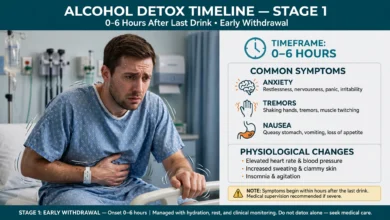
The goal isn’t just comfort, though that matters too. It’s safety. Withdrawal from certain substances, particularly alcohol and benzodiazepines, can trigger seizures, dangerous spikes in blood pressure, or delirium. Medical detox medications are prescribed specifically to prevent these complications while easing the more manageable symptoms like nausea, anxiety, and insomnia.
Why Doctors Prescribe Medications During Detox
Every substance affects the brain and body differently, so withdrawal symptoms vary widely. A doctor’s job during detox is to:


- Prevent life-threatening complications, such as seizures or cardiac events
- Reduce the severity of withdrawal symptoms so the patient can tolerate the process
- Lower relapse risk by easing cravings that often peak in the first days
- Treat co-occurring conditions, like anxiety or depression, that may worsen during withdrawal
- Support a smoother transition into longer-term treatment, whether that’s a residential program, outpatient care, or medication-assisted treatment
The specific approach depends heavily on the substance. Below is a breakdown of the medications typically used for the most common types of withdrawal.
Medications for Alcohol Withdrawal
Alcohol withdrawal can range from mild shakiness to a severe, potentially fatal condition called delirium tremens (DTs). Because of this risk, alcohol detox is one of the areas where medication is almost always recommended.
Benzodiazepines
Benzodiazepines like diazepam, chlordiazepoxide, and lorazepam are the frontline treatment for alcohol withdrawal. They work by calming the central nervous system, which helps prevent seizures and reduces anxiety, tremors, and agitation. Doctors typically use a tapering schedule, starting with a higher dose and gradually reducing it over several days as symptoms subside.
Anticonvulsants
In some cases, doctors use anticonvulsant medications such as carbamazepine or gabapentin as an alternative or supplement to benzodiazepines, particularly for patients with a lower risk of severe withdrawal or a history of substance misuse involving benzodiazepines themselves.
Other Supportive Medications
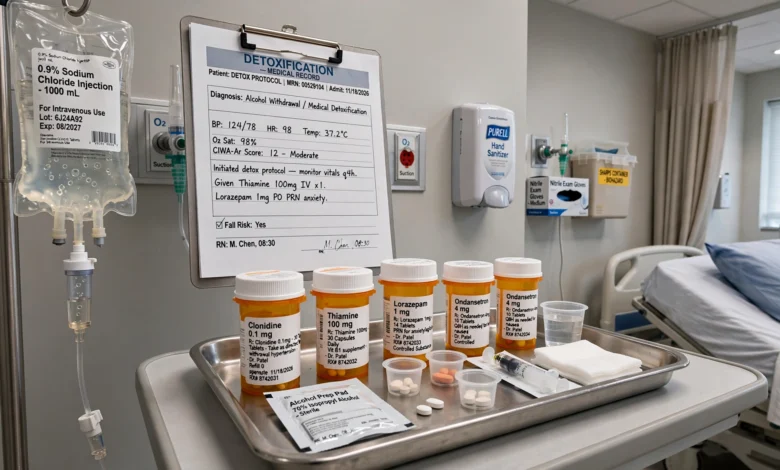
- Thiamine (vitamin B1) is almost always given to prevent Wernicke-Korsakoff syndrome, a serious neurological condition linked to alcohol use
- Beta-blockers may be used to manage elevated heart rate and blood pressure
- Antiemetics help control nausea and vomiting during the acute withdrawal phase
According to the National Institute on Alcohol Abuse and Alcoholism, untreated alcohol withdrawal can progress quickly, which is why early medical evaluation matters so much for anyone who drinks heavily and is planning to stop.
Medications for Opioid Withdrawal
Opioid withdrawal isn’t usually life-threatening the way alcohol or benzodiazepine withdrawal can be, but it’s intensely uncomfortable, and that discomfort is a major reason people relapse during detox. Medical detox medications for opioids are designed both to ease symptoms and, in many cases, to support long-term recovery.
Buprenorphine
Buprenorphine is a partial opioid agonist, meaning it activates opioid receptors just enough to prevent withdrawal and cravings without producing the same high as full opioids like heroin or oxycodone. It’s often combined with naloxone (as in Suboxone) to reduce the risk of misuse. Many patients continue buprenorphine well beyond detox as part of ongoing medication-assisted treatment.
Methadone
Methadone is a full opioid agonist used in licensed treatment programs to manage withdrawal and reduce cravings. It has a longer history of use than buprenorphine and is typically administered daily in a clinical setting, especially in the early stages of treatment.
Clonidine and Lofexidine
For patients who aren’t candidates for opioid-based medications, or who want a non-opioid approach, doctors may prescribe clonidine or lofexidine. These medications target the autonomic nervous system to reduce symptoms like sweating, chills, muscle aches, and rapid heart rate, though they don’t address cravings the way buprenorphine or methadone do.
Supportive Medications for Opioid Detox
- Loperamide for diarrhea
- Ondansetron or similar antiemetics for nausea
- NSAIDs for muscle and joint pain
- Trazodone or other sleep aids for insomnia, which is common during opioid withdrawal
The Substance Abuse and Mental Health Services Administration notes that combining medication with counseling and behavioral support tends to produce better long-term outcomes than medication alone.
Medications for Benzodiazepine Withdrawal
Benzodiazepine withdrawal shares similarities with alcohol withdrawal and carries similar risks, including seizures. Because of this, doctors almost never recommend stopping benzodiazepines abruptly, especially after long-term use.
A common approach is a gradual taper, where the patient is switched to a longer-acting benzodiazepine, such as diazepam, and the dose is slowly reduced over weeks or months. This slow reduction gives the nervous system time to adjust and significantly lowers the risk of severe symptoms compared to stopping suddenly.
In some cases, doctors add anticonvulsants or other supportive medications, but the taper itself remains the primary tool for managing this type of withdrawal safely.
Medications for Stimulant Withdrawal
Withdrawal from stimulants like cocaine or methamphetamine doesn’t carry the same physical danger as alcohol or benzodiazepine withdrawal, but it can bring on intense fatigue, depression, irritability, and strong cravings. There’s no single approved medication that directly reverses stimulant withdrawal, but doctors often prescribe:
- Antidepressants to address mood symptoms that emerge during the withdrawal period
- Sleep aids for the disrupted sleep patterns common in early recovery
- Anti-anxiety medications, used cautiously, for short-term relief of agitation
- Nutritional support, since stimulant use often leads to poor appetite and weight loss
Because cravings and depressive symptoms can persist for weeks, ongoing behavioral treatment tends to matter more here than any single medication.
How Doctors Decide Which Medication to Use
Choosing the right medical detox medications isn’t a one-size-fits-all process. Doctors weigh several factors before settling on a treatment plan:
- The substance involved and how long the person has been using it
- The severity of past withdrawal episodes, if any
- Co-occurring medical or mental health conditions
- Current medications the patient is taking, to avoid dangerous interactions
- Pregnancy status, since some medications carry different risks for pregnant patients
- Patient preference, particularly for opioid detox where multiple effective options exist
- Access to follow-up care, since some medications require ongoing monitoring or dispensing through a licensed clinic
This evaluation usually happens through a combination of physical exams, lab work, and standardized withdrawal assessment tools that score symptom severity and guide dosing decisions.
What to Expect During Medical Detox
Every detox program looks a little different depending on the setting and the substance, but most follow a similar general structure.
Initial Assessment
Before any medication is prescribed, a doctor or nurse will review the patient’s substance use history, current symptoms, vital signs, and overall health. This step is essential for building a safe and effective treatment plan.
Stabilization
During this phase, medications are introduced to manage acute symptoms. This is typically the most intensive part of detox and may last anywhere from a few days to a couple of weeks, depending on the substance.
Monitoring
Patients are checked regularly for changes in symptoms, vital signs, and mental status. Medication doses are adjusted as needed based on how the person responds.
Transition Planning
Once acute withdrawal symptoms have eased, the focus shifts to what comes next, whether that’s inpatient rehab, outpatient counseling, or continued medication-assisted treatment.
Risks of Detoxing Without Medical Supervision
It’s worth being direct about this: detoxing without medical support carries real risks. Alcohol and benzodiazepine withdrawal can cause seizures and, in severe cases, death. Even opioid withdrawal, while rarely fatal on its own, can lead to severe dehydration or relapse at a moment when the body’s tolerance has dropped, which raises overdose risk significantly.
Medical detox exists precisely to reduce these dangers. Having a doctor available to prescribe and adjust medications, monitor vital signs, and respond to complications turns a potentially dangerous process into a manageable one.
Conclusion
Medical detox medications play a central role in making withdrawal safer and more tolerable, whether someone is stopping alcohol, opioids, benzodiazepines, or stimulants. From benzodiazepines and anticonvulsants for alcohol withdrawal to buprenorphine and methadone for opioid dependence, each medication serves a specific purpose based on the substance involved and the patient’s individual health profile.
Because withdrawal can carry serious medical risks, these decisions should always be guided by a licensed doctor who can evaluate the full picture and adjust treatment as symptoms change. Anyone considering detox should reach out to a medical professional or accredited treatment center before stopping substance use on their own.