The Cost of Medical Detoxification in the USA
Cost of medical detoxification in the USA varies widely by treatment setting, insurance, and substance type. Here's what to actually expect.
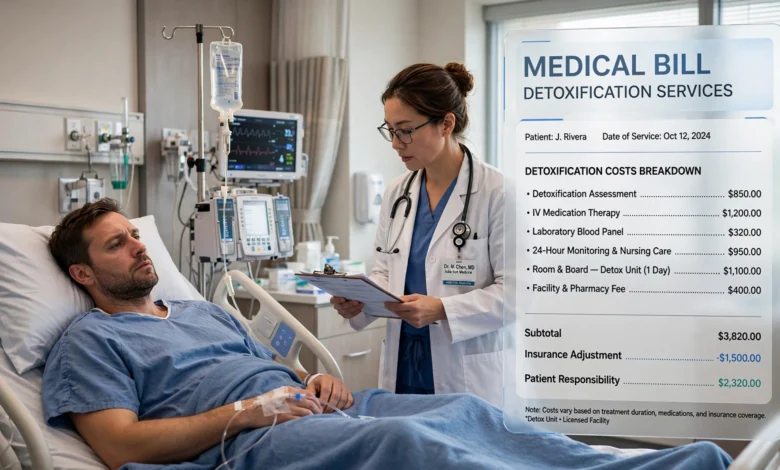
Anyone who has picked up the phone to call a treatment center knows the first question isn’t “will this work,” it’s “what will this cost me.” That’s a fair question, and it’s also one that’s harder to answer than it should be. The cost of medical detoxification in the United States can range from a few hundred dollars to well over $20,000, and the gap between those numbers depends on things most people never think to ask about until they’re already in crisis mode.
Medical detox is the supervised process of clearing drugs or alcohol from the body while managing withdrawal symptoms with medication and clinical monitoring. It’s usually the first step before longer-term rehab, and it’s often the step people are least prepared for financially. Insurance rules, state regulations, the substance involved, and even geography all push the price up or down.
This article breaks down what actually drives the cost of medical detox, what different levels of care typically charge, how insurance and government programs fit in, and what questions to ask before committing to a program. Whether you’re researching this for yourself or for someone you love, the goal here is to give you real numbers and real context, not vague reassurances. Detox is stressful enough without financial guesswork on top of it.
What Is Medical Detoxification and Why Does It Cost What It Does
Medical detoxification is a supervised process, usually run by nurses, doctors, or addiction medicine specialists, that helps a person safely stop using alcohol or drugs. Withdrawal from substances like alcohol, benzodiazepines, and opioids can be medically dangerous, sometimes fatal, which is why unsupervised “cold turkey” detox at home is discouraged for certain substances.
The cost of medical detoxification reflects the intensity of care involved. You’re not just paying for a bed. You’re paying for round-the-clock nursing, physician oversight, withdrawal medications, lab work, and in many cases, mental health support. According to the National Institute on Drug Abuse, medically supervised withdrawal management is considered a critical first phase of treatment because it addresses the physical dependence before therapy or long-term recovery work can begin.
Several factors drive the price:
- Level of care — inpatient hospital detox costs more than outpatient detox
- Substance being treated — alcohol and benzodiazepine detox often require more intensive monitoring than, say, cannabis
- Length of stay — most detox programs run 3 to 10 days, but complicated cases take longer
- Facility type — private luxury centers charge dramatically more than community-based or state-funded programs
- Geographic location — coastal cities and specialty markets like California or Florida tend to run higher
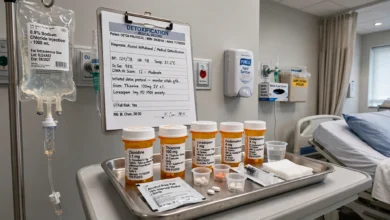
- Medications used — buprenorphine, methadone, or benzodiazepine tapers add pharmacy costs
- Insurance coverage — what your plan covers (or doesn’t) changes your out-of-pocket number entirely
Average Cost of Medical Detox by Setting
The cost of medical detox isn’t one number. It’s a range that shifts depending on where treatment happens. Here’s a realistic breakdown.


Inpatient Hospital Detox
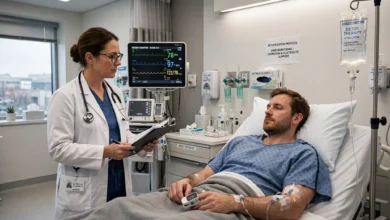
Hospital-based detox is the most expensive option because it comes with full medical infrastructure: emergency response capability, IV medications, and continuous vital sign monitoring. This setting is typically reserved for high-risk withdrawal, such as severe alcohol withdrawal or polysubstance dependence.
- Typical range: $800 to $1,500 per day
- A 5 to 7 day stay: $4,000 to $10,000+
- Best suited for people with serious medical complications, seizure history, or co-occurring health conditions
Residential (Non-Hospital) Detox
These are licensed treatment facilities that aren’t full hospitals but still provide 24-hour nursing and physician access. This is the most common setting for medical detoxification in the U.S.
- Typical range: $500 to $900 per day
- A standard stay: $2,500 to $6,000+
- Often bundled into a longer residential rehab package, which changes the overall pricing structure
Outpatient Medical Detox
Outpatient detox allows someone to sleep at home while checking in daily or several times a week for medication and monitoring. It’s far more affordable, but only appropriate for mild to moderate withdrawal risk.
- Typical range: $100 to $500 per day
- A full course: $1,000 to $3,000
- Requires a stable home environment and low medical risk
Luxury or Executive Detox Programs
High-end facilities market themselves around comfort, privacy, and amenities like private rooms, chef-prepared meals, and holistic therapies. The clinical care may be similar to a standard residential program, but the price reflects the setting.
- Typical range: $1,000 to $2,000+ per day
- Full stay: $10,000 to $25,000 or more
Cost by Substance Type
The substance being detoxed from has a real impact on the cost of medical detoxification, mainly because it determines how intensive the monitoring needs to be.
Alcohol Detox
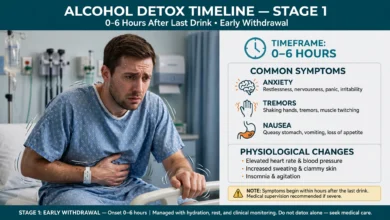
Alcohol withdrawal can be life-threatening due to the risk of seizures and delirium tremens. Because of this risk, alcohol detox often requires the highest level of monitoring and medication (commonly benzodiazepines on a taper).
- Typical cost: $500 to $1,000 per day
Opioid Detox
Opioid withdrawal isn’t usually life-threatening, but it’s intensely uncomfortable, which is why medications like buprenorphine or methadone are often used to ease the process.
- Typical cost: $500 to $900 per day, plus medication costs
Benzodiazepine Detox
Benzodiazepine withdrawal, similar to alcohol, carries seizure risk and typically requires a slow medical taper rather than an abrupt stop.
- Typical cost: $600 to $1,200 per day, often on the higher end due to extended taper schedules
Stimulant and Other Substance Detox
Detox from stimulants like cocaine or methamphetamine is generally less medically dangerous but still benefits from monitoring for psychiatric symptoms.
- Typical cost: $400 to $800 per day
Does Insurance Cover Medical Detox?
This is usually the most important question people ask, and the honest answer is: it depends on your plan, but coverage is more common than most people expect.
Since the passage of the Affordable Care Act, most health insurance plans sold on the marketplace are required to cover substance use disorder treatment, including detox, as one of the ten essential health benefits. According to SAMHSA, most private insurance plans, Medicaid, and Medicare provide at least partial coverage for medically necessary detoxification services.
That said, coverage details vary:
- In-network vs. out-of-network — using an in-network facility usually cuts your cost significantly
- Deductibles and copays — you may still owe money before insurance kicks in
- Medical necessity requirements — insurers often require documentation that detox is medically necessary, not just preferred
- Length of stay approval — insurance companies sometimes approve shorter stays than clinically recommended, which can create gaps in care
- Medicaid — covers detox in most states, though facility options may be more limited
- Medicare — covers detox under specific circumstances, typically inpatient hospital-based care
Before choosing a facility, it’s worth calling your insurance provider directly and asking exactly what portion of detox treatment is covered, what your deductible looks like, and whether pre-authorization is required.
What If You Don’t Have Insurance?
Lack of insurance doesn’t mean detox is out of reach. There are several paths that reduce the cost of medical detoxification for people paying out of pocket.
- State-funded detox programs — many states operate free or low-cost detox services through community health departments
- Sliding scale clinics — some nonprofit treatment centers adjust fees based on income
- Payment plans — many private facilities offer financing options spread over months
- Grants and scholarships — some treatment centers and nonprofits offer partial scholarships for detox and rehab
- SAMHSA’s National Helpline — a free, confidential referral service that can point people toward low-cost or free treatment options in their area
It’s worth noting that skipping medical detox entirely due to cost concerns can be dangerous for certain substances. If cost is a barrier, calling a state or nonprofit resource line first is almost always a safer move than attempting withdrawal without medical support.
Hidden Costs People Often Forget
The advertised daily rate isn’t always the full picture. A few extra line items tend to catch people off guard.
- Lab work and diagnostic testing on admission
- Medication costs, especially for extended tapers
- Transportation to and from the facility
- Follow-up care, such as outpatient therapy or a rehab program after detox ends
- Lost income from time away from work during the detox period
Asking a facility for a full itemized estimate before admission, not just the daily rate, tends to prevent surprise bills later.
How to Reduce the Cost of Medical Detox Without Cutting Corners on Safety
Cost-conscious doesn’t have to mean unsafe. A few practical steps can lower the bill while still getting proper medical care.
- Verify insurance benefits in advance and ask for a written breakdown of covered services
- Choose an in-network provider whenever possible
- Ask about outpatient medical detox if your withdrawal risk is assessed as low to moderate
- Look into state or county-run facilities, which are often licensed and medically staffed at a fraction of private rates
- Request a case manager to help navigate insurance appeals if a claim is denied
- Compare multiple facilities rather than accepting the first quote you receive
Is Medical Detox Worth the Cost?
For substances where withdrawal carries real medical risk, alcohol and benzodiazepines especially, medical detox isn’t a luxury, it’s a safety measure. The cost of medical detoxification can feel steep in the moment, but it’s worth weighing against the financial and physical cost of an unmanaged withdrawal, an emergency room visit, or a relapse cycle that could have been interrupted with proper care.
Detox on its own also isn’t a complete treatment. It manages the physical side of dependence, but ongoing therapy, whether outpatient or residential, is generally what determines long-term outcomes. Budgeting for detox as the first phase of a longer recovery plan, rather than a standalone fix, tends to lead to more realistic financial planning overall.
Conclusion
The cost of medical detoxification in the USA depends on where you go, what substance you’re detoxing from, how long you stay, and what your insurance actually covers, with prices ranging from a few hundred dollars for outpatient care to over $20,000 for luxury inpatient programs. Hospital and residential detox tend to sit in the $500 to $1,500 per day range, alcohol and benzodiazepine withdrawal usually cost more due to higher medical risk, and most insurance plans, including Medicaid, are required to cover at least part of the process.
For anyone without insurance, state-funded programs, sliding scale clinics, and resources like SAMHSA’s helpline can make safe detox accessible without the full private-pay price tag. The most important takeaway is that cost shouldn’t be the reason someone avoids medically supervised withdrawal, since the risks of going without it, particularly for alcohol and benzodiazepines, can far outweigh the financial strain, and a quick call to a facility or insurance provider before making a decision almost always uncovers more affordable options than people expect.