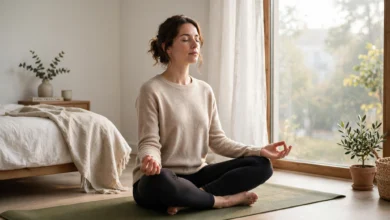
Body Scan Meditation: A Step-by-Step Guide
Body scan meditation eases stress and helps you sleep better. Follow this simple, proven step-by-step guide to start tonight.
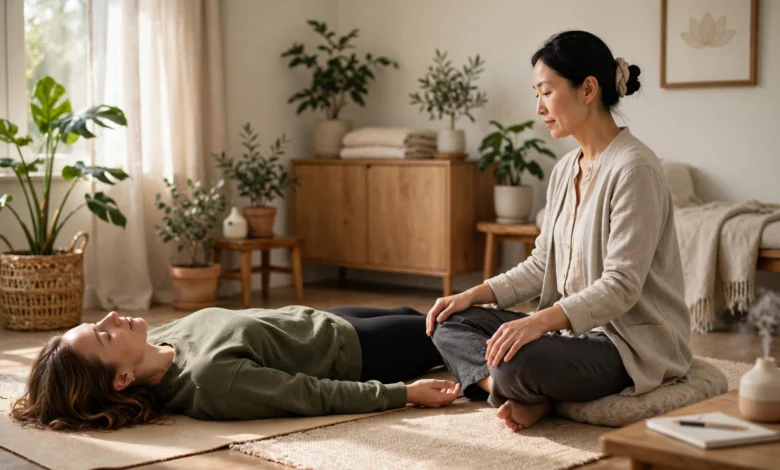
Body scan meditation is one of the simplest ways to quiet a busy mind, and you don’t need any equipment, app, or prior experience to try it. If you’ve ever laid awake replaying your day, or felt tension in your shoulders without knowing when it got there, this practice was built for exactly that. It’s a form of mindfulness meditation where you mentally move through your body, part by part, noticing what you feel without trying to change it.
Unlike some meditation styles that ask you to clear your mind entirely (which, let’s be honest, is nearly impossible), body scan meditation gives you something concrete to focus on: your own physical sensations. That makes it a great entry point for beginners who find traditional sitting meditation frustrating.
Research backing this practice is genuinely solid. Studies on mindfulness meditation techniques like the body scan have linked regular practice to lower anxiety, better sleep, and reduced chronic pain. It’s even a core part of Jon Kabat-Zinn’s Mindfulness-Based Stress Reduction (MBSR) program, which hospitals and clinics have used for decades.
In this guide, you’ll learn exactly what body scan meditation is, why it works, and how to do it step by step, whether you have five minutes or forty-five. We’ll also cover common mistakes, variations to try, and how often you should practice to see real results.
What Is Body Scan Meditation?
Body scan meditation is a mindfulness practice where you bring focused, non-judgmental attention to different parts of your body, usually moving in a sequence from your toes to the top of your head (or the reverse). Instead of trying to relax on command, you simply notice what’s there: warmth, tingling, tightness, heaviness, or sometimes nothing at all.
Think of it less like a to-do list and more like a slow, internal check-in. You’re not fixing anything. You’re just paying attention.
This technique traces back to Buddhist meditation practices but became widely known in the West through Jon Kabat-Zinn’s MBSR program in the late 1970s. Today it shows up in therapy sessions, yoga classes, sleep apps, and hospital pain-management programs.


A few things that make body scan meditation distinct from other mindfulness exercises:
- It’s systematic. You move through the body in order, rather than focusing on breath or a single point.
- It’s non-judgmental. The goal isn’t to relax, fix pain, or feel a certain way. You’re just observing.
- It works lying down or seated. Most guided versions have you lie flat, which makes it a natural fit for bedtime.
- It’s beginner-friendly. There’s a clear structure to follow, which makes it easier than open-ended meditation for people just starting out.
The Benefits of Body Scan Meditation
The appeal of body scan meditation isn’t just that it feels nice. There’s a growing body of research behind it. Here’s what the science actually says.
Reduces Stress and Anxiety
By shifting your attention away from anxious thoughts and onto physical sensations, this practice interrupts the mental loop that keeps stress alive. A 2019 study published in the National Library of Medicine found that people who practiced body scan meditation experienced measurably lower symptoms of anxiety compared to those who didn’t.
Improves Sleep Quality
If your mind races the moment your head hits the pillow, a body scan meditation for sleep can help. A 2020 study in the journal Mindfulness found that using body scan techniques as part of cognitive behavioral therapy for insomnia led to better sleep outcomes. Because the practice naturally slows your breathing and softens muscle tension, it primes your nervous system for rest.
Eases Chronic Pain
Jon Kabat-Zinn himself has pointed to body scanning as one of the most effective meditative tools for people managing chronic pain. Rather than fighting the sensation of pain, the practice teaches you to observe it with curiosity, which research suggests can lower how intense and distressing pain feels, even if the physical sensation itself doesn’t disappear.
Builds Body Awareness
Many of us go through entire days disconnected from our bodies until something hurts. Regular practice of mindful body scanning rebuilds that connection, helping you notice tension, fatigue, or stress signals earlier, before they build into headaches, clenched jaws, or burnout.
Activates the Body’s Relaxation Response
According to research from Michigan State University Extension, mindfulness practices like the body scan activate the parasympathetic nervous system, the part of your body responsible for “rest and digest” functions. This calms activity in brain regions tied to stress and emotional reactivity, including the amygdala.
Supports Emotional Regulation
Because the practice trains you to notice sensations without immediately reacting to them, it builds a skill that carries over into daily life: the ability to pause before reacting to stress, frustration, or difficult emotions.
How to Prepare for a Body Scan Meditation
Before you dive into the steps, a little setup goes a long way. You don’t need much, but these small details make the practice easier to stick with.
- Pick a quiet spot. You don’t need silence, but a space free from obvious interruptions helps.
- Get comfortable. Lie on your back with arms at your sides, or sit in a supportive chair if lying down isn’t practical.
- Loosen up. Take off shoes, loosen tight clothing, and remove anything that might distract you.
- Set a time limit. Even five minutes counts. Beginners often do best starting short and building up.
- Decide if you want guidance. A recorded, guided body scan meditation can help you stay on track when you’re new to the practice. Once you’re familiar with the flow, you can do it unguided.
- Turn off notifications. Put your phone on silent, or better yet, in another room.
There’s no need to meditate at a specific time of day, though many people find it most useful either first thing in the morning to set a calm tone, or at night to unwind before sleep.
Body Scan Meditation: A Step-by-Step Guide
Here’s the full practice broken into clear, manageable steps. Read through it once, then try it from memory, or record yourself reading it slowly and play it back.
Step 1: Get Into Position
Lie down on your back on a bed, mat, or comfortable floor space. If lying down isn’t comfortable or you’re doing this somewhere less private, sit upright in a chair with your feet flat on the floor. Let your arms rest at your sides, palms facing up if lying down.
Step 2: Close Your Eyes and Settle In
Close your eyes gently. Take a moment to notice the surface beneath you, the temperature of the room, and any background sounds. You’re not trying to block anything out. You’re just arriving in the present moment.
Step 3: Take a Few Deep Breaths
Inhale slowly through your nose, letting your belly rise, then exhale through your mouth. Do this three to five times. This isn’t the main event of the meditation, but it helps shift your nervous system out of “go mode” and into a more receptive state.
Step 4: Choose Your Starting Point
Most people begin at the feet and work upward, though starting at the head and working down works just as well. Pick whichever feels natural, and stay consistent so the practice becomes familiar over time.
Step 5: Bring Attention to Each Body Part
Slowly move your focus through the body, spending roughly 20 to 60 seconds on each area. A typical sequence looks like this:
- Toes and feet
- Ankles and lower legs
- Knees and thighs
- Hips and pelvis
- Lower back and abdomen
- Chest and upper back
- Shoulders
- Arms, hands, and fingers
- Neck and throat
- Face and jaw
- Scalp and top of the head
At each stop, simply notice what’s there. Is there tension? Warmth? Numbness? Nothing at all? There’s no right answer. You’re observing, not analyzing.
Step 6: Breathe Into Areas of Tension
If you notice tightness somewhere, imagine your breath flowing into that area as you inhale, and the tension softening slightly as you exhale. You don’t have to force relaxation. Sometimes simply noticing the tension is enough to ease it.
Step 7: Let Your Mind Wander Back Gently
Your attention will drift. That’s completely normal, even for experienced meditators. When you notice your mind has wandered to your grocery list or tomorrow’s meeting, gently guide your focus back to wherever you left off in the scan, without frustration or self-criticism.
Step 8: Complete the Full Scan
Continue moving through your body until you’ve covered every major area. For a shorter session, you can group regions together (like “legs” instead of separate ankle, knee, and thigh checks). For a longer, more detailed practice, slow down and linger.
Step 9: Take a Moment of Whole-Body Awareness
Once you’ve scanned the entire body, pause and try to sense your body as one connected whole, rather than a collection of separate parts. Notice your breath moving naturally in and out.
Step 10: Slowly Return to the Room
Wiggle your fingers and toes. Take a deeper breath. When you’re ready, gently open your eyes. If you did this practice lying down and plan to get up right away, take a few seconds before standing, especially if you feel very relaxed or drowsy.
Different Types of Body Scan Meditation
Not every body scan meditation looks the same. Here are a few common variations worth trying once you’ve got the basics down.
Guided Body Scan Meditation
This is simply a body scan led by a recorded voice, whether through an app, a video, or a teacher in person. It’s the easiest way to start because you don’t have to remember the sequence yourself, and the pacing is done for you.
Body Scan Meditation for Sleep
A slower, often longer version designed to be done lying in bed at night. These typically move very slowly, use a softer tone, and sometimes end with the listener drifting off before the recording finishes, which is completely fine.
Progressive Muscle Relaxation (A Related, Different Practice)
Often confused with the body scan, progressive muscle relaxation involves actively tensing and then releasing each muscle group, rather than simply observing sensations. Some people combine the two, tensing and releasing a body part before pausing to notice how it feels.
Short Body Scan Meditation
A condensed version, often five minutes or less, useful for a midday reset at your desk or before a stressful meeting. You group larger body regions together to move through the whole body more quickly.
Common Challenges and How to Work Through Them
Almost everyone runs into the same handful of obstacles when they start practicing body scan meditation. Here’s how to handle them.
- Falling asleep. This happens often, especially when practicing at night. If your goal is relaxation before bed, this isn’t a problem. If you want to stay alert, try sitting up instead of lying down, or practice earlier in the day.
- A wandering mind. Expect this. The practice isn’t about preventing distraction, it’s about noticing when you’re distracted and returning your focus, over and over. That return is the actual exercise.
- Feeling nothing. Some body parts may feel completely neutral, and that’s a valid observation too. You don’t need to manufacture a sensation.
- Restlessness or discomfort. If lying still feels agitating at first, that’s common, especially for beginners. Shorter sessions can help you build tolerance gradually.
- Skipping days. Consistency matters more than duration. A two-minute scan every day beats a 30-minute session once a month.
Tips for Getting the Most Out of Your Practice
- Start small. Five minutes a day is a realistic, sustainable starting point.
- Use guided audio at first. It removes the guesswork and keeps you on pace.
- Practice at the same time each day. This builds a habit loop, similar to brushing your teeth.
- Don’t judge your sessions. Some will feel deeply relaxing, others distracted and restless. Both are normal and both still count.
- Pair it with breathwork. Deepening your breath during the scan can enhance the calming effect.
- Keep a simple log. Jotting a sentence after each session (how you felt, what you noticed) can help you track progress over weeks.
How Often Should You Practice Body Scan Meditation?
For most people, daily practice produces the most noticeable benefits, particularly for stress reduction and sleep improvement. That said, even a few sessions a week is far better than none. Many mindfulness programs, including MBSR, ask participants to practice body scanning for around 20 to 45 minutes a day over an eight-week course, but you don’t need a formal program to benefit.
If you’re new to meditation, a realistic goal looks like this:
- Week 1–2: Five-minute sessions, once daily, ideally at the same time.
- Week 3–4: Extend to 10–15 minutes as it starts to feel more natural.
- Ongoing: Adjust length based on your schedule and goals, whether that’s a quick reset or a full 30-minute wind-down before bed.
Frequently Asked Questions
Is body scan meditation the same as progressive muscle relaxation?
No. Body scan meditation involves observing sensations without changing them, while progressive muscle relaxation involves actively tensing and releasing muscles. They’re related but distinct techniques, and some people combine elements of both.
How long should a body scan meditation last?
Anywhere from 3 to 45 minutes works, depending on your experience level and available time. Beginners often start with five-minute sessions and build up gradually.
Can body scan meditation help with insomnia?
Yes. Research has linked body scan meditation to improved sleep outcomes, particularly when used as part of a broader relaxation or cognitive behavioral routine before bed.
What if I fall asleep during the practice?
That’s completely fine, especially if you’re practicing at night. If you want to stay awake for daytime sessions, try sitting upright instead of lying down.
Do I need an app or teacher to practice body scan meditation?
Not necessarily. Guided recordings can help beginners, but once you know the sequence, you can practice body scan meditation entirely on your own, anywhere you can find a quiet few minutes.
Is body scan meditation safe for everyone?
Generally, yes, but people with significant trauma histories sometimes find that focusing closely on bodily sensations brings up difficult emotions. If that happens, it’s worth practicing with a trained therapist or teacher rather than alone, or trying a different mindfulness technique instead.
Conclusion
Body scan meditation is a simple, accessible practice that involves systematically bringing non-judgmental attention to each part of your body, and the research behind it is genuinely encouraging, linking regular practice to lower stress and anxiety, better sleep, reduced chronic pain, and stronger mind-body awareness. You don’t need special equipment, an app, or years of meditation experience to start; all it takes is a few quiet minutes, a comfortable position, and a willingness to simply notice what your body is telling you.
Whether you use it as a bedtime wind-down, a midday reset, or a daily habit for managing stress, the step-by-step approach outlined in this guide gives you everything you need to begin tonight, and like most things worth doing, it gets easier and more rewarding the more consistently you practice it.