How to Choose a Supervised Detox Center
Supervised detox center guide covering accreditation, staffing, medication protocols, cost, and aftercare planning for a safer recovery.
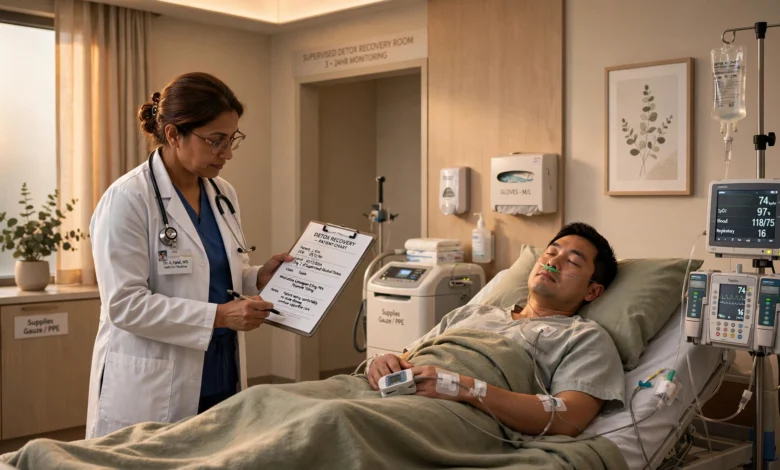
Choosing a supervised detox center is one of the heaviest decisions a person or family will ever make, and it usually has to happen fast. Someone is in crisis, withdrawal symptoms are building, and every website starts to sound the same after the third one. That’s the problem. Marketing language flattens real differences between facilities, and those differences are exactly what determine whether detox goes smoothly or turns into an emergency.
A supervised detox center is a licensed medical setting where trained staff monitor a person around the clock while their body clears alcohol, opioids, benzodiazepines, or other substances. The supervision part matters more than most people realize going in. Withdrawal from alcohol and benzodiazepines can trigger seizures and a dangerous condition called delirium tremens. Opioid withdrawal is rarely fatal on its own, but it carries a high relapse and overdose risk when it’s managed without medical support.
According to the National Institute on Drug Abuse, drug overdose deaths have remained a leading public health concern in the United States for years, which is part of why medically managed withdrawal and a clear handoff into ongoing treatment are treated as standard care rather than extras.
This guide walks through what actually separates a safe, well-run detox center from one that just looks good on a homepage: the credentials to check, the questions to ask on the phone, the red flags that should end the conversation, and how to think about cost and aftercare before you sign anything.
What Is a Supervised Detox Center?
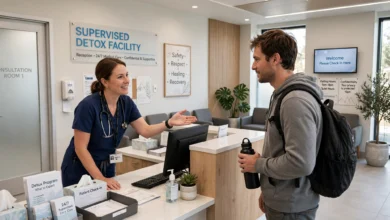
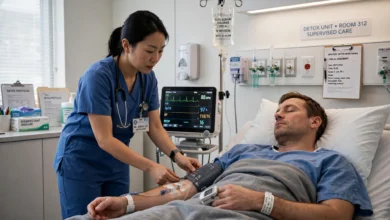
A supervised detox center, sometimes called a medically supervised detox facility or a withdrawal management program, is a licensed treatment setting staffed by nurses, physicians, or other clinicians who monitor a patient’s vital signs, withdrawal severity, and mental state throughout the detox process. The goal is twofold: keep the person physically safe during withdrawal and set them up for the next phase of treatment, whether that’s inpatient rehab, an outpatient program, or a sober living arrangement.
There’s an important distinction between supervised medical detox and quitting cold turkey at home. At home, someone might have a phone number to call if things go wrong. In a supervised setting, clinical staff are already there, medications are on hand before symptoms peak, and there’s a plan for escalating care if withdrawal becomes severe. That difference is the entire point of paying for a program instead of trying to white-knuckle it.
Detox itself is not a cure. It’s the first clinical step in treating substance dependence, and a responsible detox center will say so plainly rather than implying that a few days of medical stabilization equals long-term recovery.

Why Medical Supervision Isn’t Optional
Not every substance carries the same withdrawal risk, but several common ones are genuinely dangerous to stop without medical support.
- Alcohol withdrawal can escalate to seizures and delirium tremens, a condition with a meaningfully high mortality rate when it goes untreated versus when it’s managed clinically.
- Benzodiazepine withdrawal is often underestimated. It usually needs a slow, monitored taper rather than abrupt cessation, because stopping suddenly can trigger seizures similar to alcohol withdrawal.
- Opioid withdrawal is less likely to be life-threatening on its own, but it raises the risk of relapse and overdose, particularly when someone leaves detox without fast access to medication-assisted treatment like buprenorphine or methadone.
This is why a supervised detox program built around continuous nursing, physician oversight, and a documented withdrawal protocol isn’t a luxury add-on. For anyone physically dependent on alcohol, benzodiazepines, or opioids, it’s closer to a medical necessity. The Substance Abuse and Mental Health Services Administration maintains a free national treatment locator that lists licensed, state-regulated detox programs, which is a useful starting point before you start calling individual facilities.
Step 1: Verify Licensing and Accreditation
Before anything else, confirm the facility is legally licensed to provide detox services in its state. Licensing is the floor, not the ceiling, so it’s worth going a step further and checking for accreditation from a recognized body such as:
- The Joint Commission
- CARF (Commission on Accreditation of Rehabilitation Facilities)
These organizations audit facilities against specific safety, staffing, and ethics standards, and accreditation has to be earned and maintained, not just claimed. Don’t take a website’s word for it. Ask the admissions team directly for their license number and accreditation status, and if they hesitate or get vague, treat that as a warning sign rather than an oversight.
Step 2: Confirm 24/7 Medical Staffing
This is the single most important question to ask any supervised detox center: who is physically on-site overnight, and what is their license level?
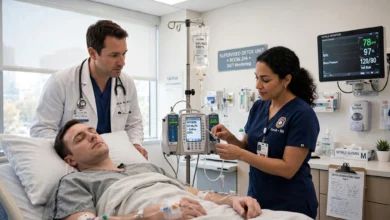
A strong answer names an actual credential, at minimum a registered nurse (RN) or licensed vocational nurse (LVN), and explains what that person is authorized to do if a patient’s condition changes at 3 a.m. Vague answers like “we have staff available” or “someone’s on call” are not the same thing as continuous, on-site clinical supervision. Withdrawal doesn’t wait for business hours, and a program that can’t describe its overnight coverage in specific terms probably doesn’t have it.
Questions worth asking directly:
- Is a nurse physically present on-site 24 hours a day, or just reachable by phone?
- Is a physician available for consultation or in person, and how quickly can they respond?
- What is the facility’s protocol if someone develops seizures, severe agitation, or cardiac symptoms?
- Which nearby hospital do they transfer patients to for emergencies, and how is that arranged?
Step 3: Ask About Assessment and Individualized Care
No two people arrive at detox with the same history, so a detox center worth choosing should start with a thorough intake assessment rather than a one-size-fits-all schedule. A solid assessment typically covers:
- Substance use history, including dosage, frequency, and duration
- Prior withdrawal experiences and any past complications
- Co-occurring mental health conditions
- Medical history, current medications, and lab work
- Motivation level and available support system
This intake should shape an individualized withdrawal management plan, not just slot the patient into a generic timeline. If a facility can’t clearly explain how it tailors care to different substances and different medical histories, that’s worth pressing on before you commit.
Step 4: Understand the Medication Protocols
Medically supervised detox often relies on specific medications to ease symptoms and reduce risk, and a transparent facility should be able to name them without hesitation. Common examples include:
- Buprenorphine or methadone for opioid withdrawal
- Long-acting benzodiazepines used in a tapering schedule for alcohol or benzodiazepine withdrawal
- Thiamine and other vitamin supplementation for alcohol-related nutritional deficiencies
- Non-narcotic medications for symptom relief, such as nausea or blood pressure support
If admissions staff can’t name the medications used or explain the general dosing approach for your specific substance, ask again or move on. A facility that gives you a clear medication roadmap is generally a facility that has a well-documented clinical process behind it, not just good marketing copy.
Step 5: Compare Inpatient vs. Outpatient Detox
The right setting depends heavily on the substance involved and the severity of dependence.
Inpatient detox means staying at the facility full-time, typically for several days to a couple of weeks. It offers continuous monitoring, scheduled medication management, and an immediate escalation path if complications arise. This is generally the safer option for high-risk withdrawals involving alcohol, benzodiazepines, or long-term opioid use.
Outpatient detox can work for lower-risk situations, particularly opioid withdrawal where buprenorphine can be started quickly and the person has stable housing and daily check-ins available. It costs less and lets someone keep up with work or family responsibilities, but it doesn’t offer around-the-clock nursing or rapid response if things escalate.
A few questions to help decide between them:
- How severe is the dependence, and has withdrawal ever caused complications before?
- Does the person have a stable, substance-free home environment to detox in?
- Is daily supervision from family or a care partner realistically available?
- Does the value of round-the-clock staffing outweigh the added cost?
Step 6: Look at the Environment and Daily Experience
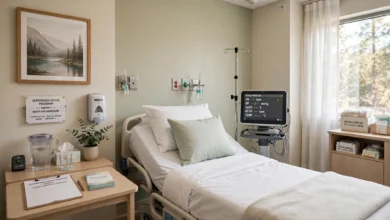
Detox is physically and emotionally exhausting, and the setting itself can influence how well someone gets through it. A calm, private, and structured environment reduces unnecessary stress at a time when the body and mind are already under strain. When comparing facilities, it’s reasonable to ask about:
- Room privacy and comfort
- Meal quality and dietary accommodations
- Daily structure and access to counseling during detox
- Family visitation or communication policies
- Transportation assistance for admission or discharge
None of this replaces medical quality as the top priority, but it does affect whether someone actually stays through the process instead of leaving early out of discomfort.
Step 7: Plan for Aftercare Before Detox Even Starts
Detox addresses the physical dependence on a substance. It does not address the underlying patterns that led to it. A supervised detox center worth choosing should start aftercare planning before discharge, not scramble to figure it out on the last day. Ask what the facility coordinates referrals to, such as:
- Inpatient or residential rehab programs
- Outpatient counseling or intensive outpatient programs (IOP)
- Medication-assisted treatment for ongoing opioid or alcohol use disorder
- Sober living or supportive housing arrangements
- Peer support groups and community-based recovery resources
Leaving detox without a next step in place is one of the most common reasons people relapse shortly after finishing withdrawal management. A facility that treats aftercare as an afterthought is setting patients up to repeat the same cycle.
Red Flags to Watch For
A few warning signs should make you pause and look elsewhere:
- Vague or evasive answers about staff credentials or licensing
- No documented withdrawal or medication protocol
- Pressure to commit or pay immediately, before any assessment
- Guarantees of a “cure” or a specific sobriety outcome
- No plan for aftercare or referrals to ongoing treatment
- Inability to explain how they handle a medical emergency
Detox scams and low-quality operators do exist, and they tend to rely on urgency and vague reassurance rather than specifics. A legitimate program will welcome direct questions instead of deflecting them.
Understanding Cost and Insurance
Cost varies significantly depending on the facility, the level of care, and the length of stay. Most reputable detox centers accept health insurance, and many work with patients on payment plans or sliding-scale fees. Before committing, ask:
- Is the facility in-network with your insurance provider, and what will be covered?
- What does the out-of-pocket cost look like for the full length of stay?
- Are medications included in the quoted price, or billed separately?
- What happens financially if detox needs to extend beyond the initial estimate?
Getting these answers in writing before admission avoids unpleasant surprises during an already stressful time.
Final Checklist Before You Choose
Before committing to a supervised detox center, it helps to run through a short checklist:
- Confirmed state licensing and accreditation (Joint Commission or CARF)
- Documented 24/7 on-site nursing with physician oversight
- Individualized assessment process before treatment begins
- Clear, named medication protocols for your specific substance
- A realistic recommendation between inpatient and outpatient care
- A comfortable, private, and structured treatment environment
- A concrete aftercare and referral plan established before discharge
If a facility checks every box on this list and answers questions directly rather than in generalities, it’s a strong sign you’re looking at a program built around actual clinical quality.
Conclusion
Choosing a supervised detox center comes down to verifying the details that matter most: real licensing and accreditation, genuine 24/7 medical staffing, an individualized assessment and medication plan, an honest comparison between inpatient and outpatient care, a supportive environment, and a concrete aftercare plan set up before detox even ends. Withdrawal from alcohol, benzodiazepines, or opioids can be medically serious, and the right program treats that seriously rather than glossing over it with reassuring language.
Taking the time to ask direct questions, checking credentials rather than trusting a homepage, and confirming what happens after detox ends will do more to protect someone’s safety and long-term recovery than any single feature or amenity ever could.