Mindfulness Apps That Support Recovery in 2026
Mindfulness apps that support recovery in 2026 can ease cravings and stress. See which nine tools actually help and how to pick one that fits.
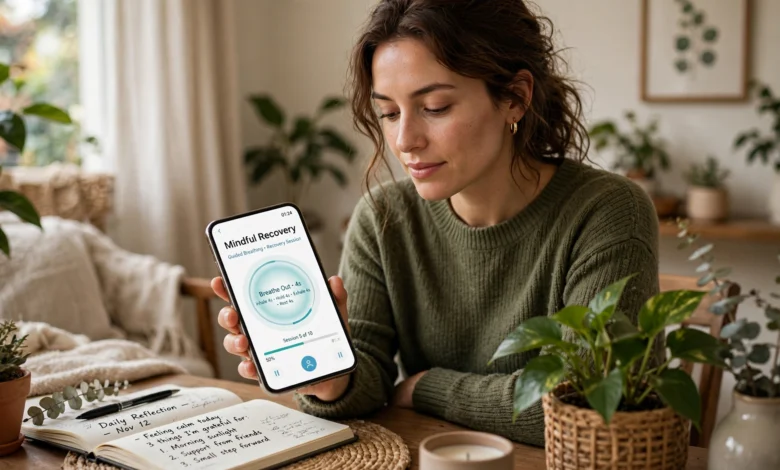
Mindfulness apps that support recovery have quietly become one of the most useful tools people in early sobriety or ongoing mental health recovery carry with them. Not as a replacement for therapy or a treatment program, but as something you can open at 2 a.m. when a craving hits and there’s no counselor to call. In 2026, the app landscape for this kind of support has grown up. What used to be generic meditation timers with a few relaxing voices are now purpose-built tools with craving trackers, peer communities, and even neuroscience-backed programs designed specifically for people rebuilding their relationship with substances, stress, or old habits.
If you’ve searched for mindfulness apps for recovery before, you’ve probably noticed the same five or six names showing up everywhere, often with little explanation of what actually sets them apart. This article breaks that down. We’ll walk through what makes a mindfulness app genuinely useful during recovery, review nine of the strongest options available right now, and cover how to combine app-based support with real treatment instead of letting an app become a substitute for it.
Recovery isn’t linear, and no single app is going to carry the whole weight of it. But the right tool, used consistently, can be the difference between white-knuckling through a hard moment and actually having something to lean on.
What Makes a Mindfulness App Effective for Recovery
Not every meditation app is built with recovery in mind, and that distinction matters more than people expect. A generic relaxation app might help you fall asleep, but it won’t necessarily help you sit with a craving without acting on it. The best mindfulness apps for recovery tend to share a few specific traits.
Craving and Urge-Specific Content
Recovery-focused apps usually include sessions built around the actual mechanics of a craving: how it rises, peaks, and fades, and how to ride it out without giving in. This is different from a standard “relax and unwind” meditation, because it’s teaching a skill (urge surfing) rather than just promoting calm.
Short, Accessible Sessions
Someone in a moment of crisis isn’t going to sit through a 45-minute guided body scan. Effective recovery apps offer short sessions, often two to ten minutes, that can be used in the exact moment they’re needed.
Tracking and Accountability Features
Many of these apps let you log sober days, mood patterns, or triggers over time. This isn’t just a gamified streak counter. It’s a way to notice patterns before they turn into a full relapse, and it gives you (or your therapist) something concrete to look at.

Community or Peer Support
Isolation is one of the biggest risk factors in recovery. Some mindfulness apps that support recovery include peer chat features, moderated groups, or connections to sponsors and coaches, which can matter as much as the meditation content itself.
Evidence-Based Foundations
Look for apps built with input from addiction specialists, psychologists, or researchers rather than apps that simply repackage stock meditation audio. According to the National Center for Complementary and Integrative Health, mindfulness-based approaches have shown promise for reducing stress and supporting behavioral health, though the research is still developing and results vary by individual and by practice.
How We Chose These Mindfulness Apps for Recovery
Before ranking anything, it’s worth explaining the selection criteria, since a lot of “best apps” lists online are really just affiliate rankings dressed up as advice. For this list, we prioritized apps that:
- Have content specifically addressing cravings, triggers, or substance use recovery, not just general stress relief
- Are actively maintained and updated as of 2026
- Offer either a genuinely useful free tier or clear, reasonable pricing
- Have a track record of positive use in clinical or peer-support settings
- Balance mindfulness practice with practical recovery tools like tracking or coaching
With that out of the way, here are nine of the strongest mindfulness apps for recovery available this year.
9 Best Mindfulness Apps That Support Recovery in 2026
1. Insight Timer
Insight Timer remains one of the most widely used mindfulness apps for recovery, largely because of its size. It hosts one of the largest libraries of free guided meditations anywhere, with a significant number of sessions built around cravings, emotional regulation, and the early days of sobriety. You can filter meditations by length, teacher, or theme, which is genuinely useful when you need something specific rather than scrolling endlessly.
Best for: People who want a large, mostly free library and the flexibility to build a personalized practice.
Key features:
- Thousands of free guided sessions, many recovery-specific
- Filter by length, topic, or teacher
- Community discussion groups
- Live guided sessions and courses
2. Headspace
Headspace is one of the more recognizable names in meditation, and its structure is part of the appeal. Sessions are short, clearly explained, and organized into themed courses, which helps if you’re new to meditation and want reassurance you’re “doing it right.” It includes exercises aimed at managing stress, cravings, and difficult emotions, though full access requires a subscription.
Best for: Beginners who want a guided, structured path rather than an open-ended library.
Key features:
- Themed courses on stress, sleep, and emotional regulation
- Short daily sessions
- Simple, calming interface
- Limited free content, full library behind a paywall
3. Calm
Calm is another major player, known for its focus on building a consistent daily meditation habit and managing anxiety. It’s less structured than Headspace, offering more standalone exercises you can pick and choose from. It requires a subscription for full access, though a free trial is typically available, and the annual cost runs in the range of $70.
Best for: People who already have some meditation experience and want a flexible library of sessions rather than a fixed course.
Key features:
- Sleep stories and soundscapes
- Daily calm sessions
- Breathing exercises
- Subscription required for most content
4. Waking Up
Waking Up takes a more philosophical approach compared to most mindfulness apps that support recovery. Alongside daily guided meditations, it offers longer lessons on the nature of awareness and why mindfulness works the way it does. This won’t be for everyone, but for people who want to understand the mechanics behind the practice rather than just following instructions, it fills a real gap.
Best for: People who want depth and explanation, not just guided relaxation.
Key features:
- Daily structured meditation course
- In-depth lessons on awareness and consciousness
- Practical, theory-light framing of mindfulness
- Subscription-based with scholarship access available
5. Reframe
Reframe stands out because it’s built specifically around alcohol reduction and was developed with input from addiction science and psychology experts, including researchers connected to Stanford and Harvard. Rather than pushing total abstinence as the only valid outcome, it focuses on helping you understand how alcohol affects your brain and behavior, and on changing that relationship gradually. The core program runs 160 days and includes daily checklists, over 100 research-backed tools, cravings trackers, and cognitive strategies for handling triggers, alongside its mindfulness content.
Best for: People focused specifically on alcohol use who want a structured, science-driven program rather than an open meditation library.
Key features:
- 160-day structured core program
- Cravings tracker and cognitive tools
- Optional access to certified recovery coaches through its Thrive program
- Neuroscience-based education modules
6. WEconnect
WEconnect takes a peer-support-first approach. Instead of leaning heavily on solo meditation, it connects users with trained peers who offer support based on lived experience rather than a purely clinical model. It’s built to support not just substance use recovery but also depression, stress, burnout, physical wellness, and grief, which makes it a broader wellness tool than some of the others on this list.
Best for: People who want human connection and coaching alongside mindfulness content, not just an app to use alone.
Key features:
- Trained peer support specialists
- Virtual accountability sessions
- Meditation and coaching combined
- Support for health plans, employers, and individuals
7. Nobu
Nobu is a therapeutic recovery tool built with expert input, combining mindfulness and meditation with other evidence-based approaches to mental health support. It leans more clinical than some peer-based apps, aiming to give users a structured pathway forward rather than just a library of content to browse.
Best for: People who want a more clinically grounded app that blends mindfulness with broader mental health support.
Key features:
- Expert-backed therapeutic content
- Structured recovery pathway
- Mindfulness and meditation modules
- Broader mental health resources beyond substance use
8. BACtrack View
BACtrack View takes a different angle entirely. Rather than centering mindfulness content, it’s built around objective, verified proof of sobriety instead of self-reported tracking, which addresses two things that are genuinely hard in recovery: dishonesty (even unintentional) and rebuilding trust with the people around you. It pairs that accountability layer with recovery support tools, making it a strong option for people who need both the emotional and the verification side of recovery covered.
Best for: People who want verified accountability, whether for personal motivation, rebuilding trust with family, or meeting legal requirements like custody or probation conditions.
Key features:
- Objective, device-verified sobriety tracking
- Real-time accountability sharing with a chosen support circle
- Recovery support tools alongside tracking
- Useful for legal or family-trust situations, not just personal use
9. Daylio
Daylio isn’t a meditation app in the traditional sense, but it earns a spot on this list because self-awareness is foundational to any mindfulness practice. It’s a simple mood and habit tracker that helps you notice emotional patterns over time without requiring full journaling. Paired with a more robust mindfulness app for recovery or in-person treatment, it gives you (and your therapist, if you choose to share it) a clearer picture of what’s actually driving your cravings or low moments.
Best for: People who want a low-effort way to track mood and identify patterns without committing to long journal entries.
Key features:
- Daily mood and activity logging
- Visual charts showing trends over time
- Custom activity tags
- Reminders to build consistency
How to Choose the Right Mindfulness App for Your Recovery Journey
With this many mindfulness apps that support recovery available, picking one can feel like its own task. A few practical questions can narrow it down quickly.
What stage of recovery are you in?
Someone in the first thirty days of sobriety usually needs something different than someone five years in. Early recovery often calls for short, urge-specific sessions and maybe a verified accountability tool like BACtrack View. Longer-term recovery might benefit more from a deeper, structured practice like Waking Up or a broad library like Insight Timer.
Do you want structure or flexibility?
If you like being told exactly what to do next, a course-based app like Headspace or Reframe’s structured program will likely fit better. If you prefer picking your own sessions based on how you’re feeling that day, a large open library like Insight Timer or Calm makes more sense.
Is human connection part of what you need?
Not everyone wants to meditate alone. If isolation has been a struggle, an app with peer support built in, like WEconnect, or coaching access, like Reframe’s Thrive program, adds a layer that solo meditation apps don’t.
What’s your budget?
Some of these apps are largely free (Insight Timer, and to a lesser extent Daylio), while others are subscription-based with costs that can add up over a year. It’s worth trialing free tiers before committing, since consistency matters more than which specific app you land on.
Do you need verified accountability?
If trust has been damaged, whether with family, an employer, or the legal system, a tool like BACtrack View that offers objective proof rather than self-report can serve a purpose no meditation app alone can fill.
Combining Mindfulness Apps With Professional Treatment
It’s worth being direct about this: mindfulness apps for recovery are a supplement, not a substitute for treatment. None of the apps on this list are designed to replace therapy, medical detox, a treatment program, or support from a doctor when substance dependence is involved. What they’re genuinely good at is filling the gaps between appointments, sessions, or meetings, the hours and days where you’re on your own and need something to reach for.
If you or someone you know is struggling with substance use and hasn’t connected with professional support yet, the Substance Abuse and Mental Health Services Administration offers a free, confidential National Helpline for treatment referral and information, available 24/7. That kind of resource, paired with an app you actually use consistently, tends to work far better than either one on its own.
A therapist or counselor can also help you figure out which type of app content will actually serve your specific situation. Someone working through trauma alongside substance use, for example, might need a different approach than someone focused purely on alcohol reduction.
Common Mistakes to Avoid When Using Mindfulness Apps for Recovery
A few patterns show up again and again in how people misuse or under-use these tools:
- Downloading five apps and using none of them consistently. One app used daily beats five apps opened once. Pick one or two and commit for at least a few weeks before judging whether it’s working.
- Treating the app as a full treatment plan. These tools support recovery, they don’t replace clinical care, medication when it’s needed, or a support network of real people.
- Only opening the app during a crisis. Mindfulness works better as a built practice than as a fire extinguisher. Regular, low-stakes use builds the skill so it’s actually there for you when a real craving hits.
- Ignoring the tracking data. If an app shows you your mood dips every Sunday evening or your cravings spike after certain conversations, that information is worth bringing to a therapist or sponsor, not just scrolling past.
- Comparing your progress to someone else’s streak. Recovery isn’t a competition, and a broken streak isn’t a failure. It’s data.
Frequently Asked Questions
Are mindfulness apps actually effective for addiction recovery?
Research on mindfulness-based approaches for substance use is still developing, but early evidence suggests these practices can help with stress reduction, emotional regulation, and craving management when used alongside, not instead of, professional treatment.
Are any of these mindfulness apps for recovery free?
Yes. Insight Timer offers one of the largest free meditation libraries available, and Daylio’s core mood-tracking features are also free. Most other apps on this list offer limited free content with paid subscriptions for full access.
Can a mindfulness app replace therapy during recovery?
No. These apps are designed to support recovery between sessions or meetings, not to replace therapy, medical care, or structured treatment programs, especially in cases involving physical dependence.
Conclusion
Mindfulness apps that support recovery have come a long way from generic relaxation tools, and in 2026 there’s a genuinely useful option for nearly every kind of recovery journey, whether that means the massive free library on Insight Timer, the structured science-backed program inside Reframe, the peer connection built into WEconnect, or the verified accountability offered by BACtrack View.
None of them are a cure-all, and none should stand in for real treatment, therapy, or medical support when that’s what’s needed. But used consistently and paired with professional care, the right app can genuinely help someone get through the hard moments, notice their own patterns, and build a steadier foundation for staying well.